The Resurgence of Measles in the United States and the Challenges to Public Health Infrastructure

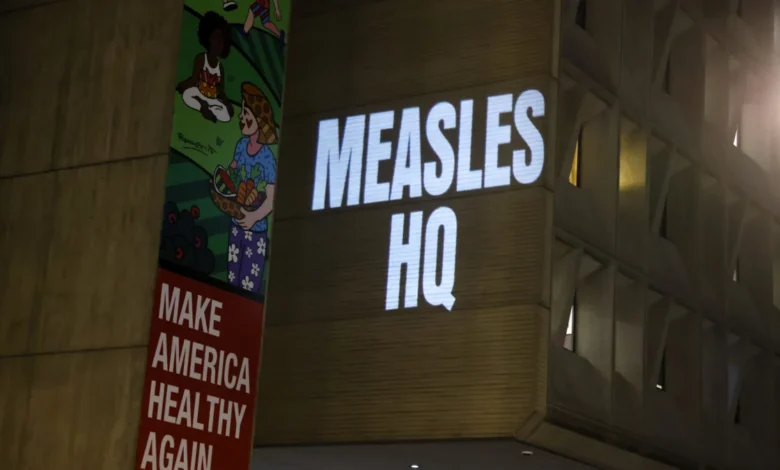
Measles, a disease that was officially declared eliminated in the United States in 2000, has staged a significant and concerning comeback, marking the highest number of reported cases since 1991. The success of the elimination program, which relied on sustained, high-coverage vaccination campaigns, is currently under duress as vaccination rates decline across several demographics. As of late 2024, the Centers for Disease Control and Prevention (CDC) has recorded at least 3,659 cases of measles, a figure that highlights a structural breakdown in community immunity and a growing skepticism toward established public health mandates.
The Historical Context of Measles Elimination
To understand the gravity of the current situation, one must look back at the state of public health at the turn of the millennium. In 2000, after decades of intensive immunization efforts and the widespread adoption of the measles, mumps, and rubella (MMR) vaccine, the United States was declared free of endemic measles. The virus, which had once been a ubiquitous childhood ailment, was largely relegated to history books, with sporadic cases occurring only when international travelers introduced the pathogen to unvaccinated populations.
However, the efficacy of the MMR vaccine—which boasts a 97 percent success rate in providing lifelong immunity after two doses—is contingent upon "herd immunity." This requires approximately 95 percent of a community to be vaccinated to prevent the virus from finding a foothold. In recent years, that threshold has been breached in multiple states, driven by a confluence of rising vaccine hesitancy, the erosion of trust in federal health agencies, and a surge in non-medical exemptions for school-aged children.
A Timeline of the Current Outbreak
The current crisis did not emerge in a vacuum. The trajectory of the resurgence can be traced back to a slow but steady decline in childhood vaccination uptake that began following the COVID-19 pandemic.
- Early 2023: Public health departments began noting localized clusters of measles, particularly in communities with lower-than-average MMR coverage.
- Mid-2024: The number of cases began to accelerate, moving beyond isolated clusters into broader community transmission.
- Late 2024: The CDC reported that case counts had surpassed the 3,600 mark, with Pennsylvania emerging as a primary epicenter for the viral spread.
- Current Status: Health departments are currently engaged in a high-stakes race to immunize vulnerable populations, utilizing pop-up clinics and intensive outreach programs to close the immunity gap.
The Role of Vaccine Hesitancy and Policy Shifts
The environment surrounding public health policy has shifted dramatically. Anti-vaccine advocacy, once a fringe movement, has seen a shift in its influence within the halls of government. Critics of current health policies, including U.S. Health Secretary Robert F. Kennedy Jr., have long championed a "medical freedom" approach, questioning the efficacy and safety of standardized immunization schedules.
Observers have noted that this shift in leadership philosophy has introduced new complexities into how the CDC reports data. Recently, there has been significant debate regarding how mortality related to measles is categorized. While independent public health experts and local medical examiners have pointed to a higher number of fatalities in outbreak zones, such as Pennsylvania, the CDC currently lists only two official deaths from the virus. Sources close to the data collection process suggest that the criteria for what constitutes a "measles death" have been altered, a move that critics argue masks the true severity of the current epidemic.
Data Analysis and Public Health Implications
The sheer volume of doses administered by the Pennsylvania Department of Health serves as a proxy for the desperation of local health officials. By administering more than 8,500 doses of the MMR vaccine in a single state, including over 5,500 doses at emergency pop-up clinics, the state is attempting to rebuild a perimeter of protection that was dismantled by years of declining compliance.
The epidemiological data is stark. Measles is one of the most infectious viruses known to science, capable of remaining in the air for up to two hours after an infected person has left a room. When vaccination rates dip below the 95 percent threshold, the virus moves rapidly through schools, childcare centers, and healthcare facilities. For individuals who are immunocompromised—including cancer patients, organ transplant recipients, and infants too young to receive the vaccine—this resurgence poses a lethal risk.
Official Responses and Clinical Guidance
The Pennsylvania Department of Health has issued urgent guidance to residents, emphasizing that the primary tool for halting the outbreak is universal immunization. "The best protection against measles remains getting fully vaccinated," the department stated in a recent briefing. The messaging is clear: the MMR vaccine is not only a personal health choice but a communal necessity.
However, medical professionals are facing an uphill battle. The discourse surrounding the vaccine has become deeply polarized, with misinformation spreading faster than the virus itself. Clinicians report that they are spending an increasing amount of time addressing "vaccine hesitancy" during routine visits, attempting to counter narratives that suggest the risks of the disease are lower than the risks of the vaccine—a premise that is clinically rejected by the vast majority of the global medical community.
Broader Impact and Future Projections
The implications of this outbreak extend far beyond the current case counts. If the trend of falling vaccination rates continues, the United States risks losing its status as a measles-free country, with the potential for the virus to become endemic once again. This would result in a permanent increase in childhood morbidity, long-term complications such as encephalitis and pneumonia, and a significant economic burden on the healthcare system.
Furthermore, the tension between federal leadership and established public health consensus creates a state of confusion for the public. When the CDC’s reporting methods are questioned or modified in a way that appears to downplay the severity of an outbreak, the public’s ability to assess their own risk is compromised.
As the situation unfolds, public health experts are calling for a return to evidence-based policy. This includes:
- Strengthening Exemption Laws: Re-evaluating the ease with which non-medical exemptions can be obtained in public school systems.
- Enhanced Surveillance: Improving the speed and accuracy with which local health departments report cases to the CDC to ensure an early-warning system is in place.
- Public Awareness Campaigns: Investing in transparent, data-driven communication strategies that rebuild trust in the scientific process.
The measles resurgence is more than a clinical challenge; it is a test of the nation’s commitment to public health. The path forward requires a coordinated effort between local, state, and federal entities to prioritize the protection of the most vulnerable citizens. Without a reversal in the current trajectory of vaccination rates, the public health gains of the last 24 years remain in jeopardy. The coming months will be critical in determining whether this outbreak can be contained or if it represents the beginning of a new era of infectious disease in the United States.
Related posts: