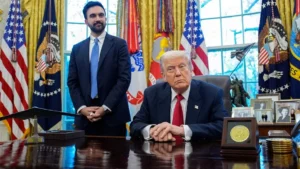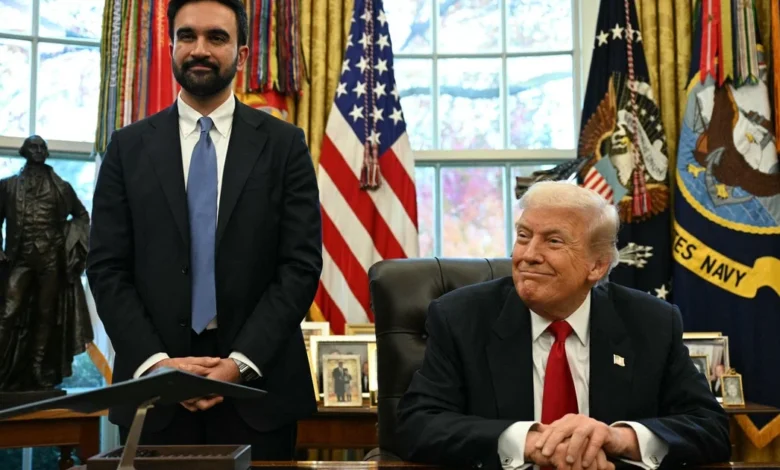
The upcoming summit at the historic Gracie Mansion marks a significant chapter in a political relationship that has evolved from intense electoral hostility to a pragmatic, albeit unconventional, working partnership. As President Trump arrives in New York City on Monday, the meeting with Mayor Zohran Mamdani is expected to cover a broad spectrum of issues, including municipal infrastructure funding, housing affordability, and federal assistance for city services. While both the White House and the Mayor’s office have remained tight-lipped regarding the specific agenda, the meeting underscores the necessity of federal-local cooperation in managing the nation’s most populous city.
A Transformation in Political Relations
The history between President Trump and Mayor Mamdani is rooted in the polarizing 2025 mayoral campaign. During that cycle, the ideological chasm between the two men was immense. Mamdani, a prominent democratic socialist, built his platform on a critique of Trump-era federal policies, while President Trump responded with aggressive rhetoric, at one point threatening to mobilize federal authority against the then-candidate.
However, since Mamdani’s inauguration, the tone of their interactions has shifted dramatically. The transition from campaign-trail antagonism to governance-based diplomacy has surprised political analysts and the public alike. The Monday meeting at Gracie Mansion is not an isolated event but rather the third major high-level encounter between the two leaders in less than a year. The normalization of these meetings suggests that both the President and the Mayor have prioritized the tangible needs of New York City over the partisan friction that characterized their earlier interactions.
Chronology of Engagement
The rapport between the White House and City Hall has developed through a series of structured, high-level dialogues:
- November 2025: Following a period of initial tension, the two leaders held their first major summit at the White House. The meeting was widely viewed as a thawing of relations, where both parties issued public pledges to collaborate on long-term affordability initiatives for New Yorkers.
- February 2026: The dialogue continued with a specific focus on the housing crisis. During this session, the discussion moved toward policy specifics, including federal tax incentives for new development and potential HUD funding for infrastructure modernization.
- September 2026: The upcoming meeting at Gracie Mansion represents a reversal of the previous dynamic, as the President visits the Mayor on his home turf.
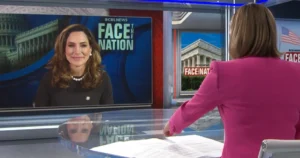
Mayor Mamdani has consistently maintained that these meetings are necessary for the functioning of the city. In a previous interview with CBS News, he noted that while the public may be curious about the nature of his ongoing communication with the President, he prefers to maintain a level of confidentiality. "The frequency and the nature of those conversations remain private because that is the premise upon which they are built," Mamdani stated, emphasizing that private channels often allow for more productive negotiations than public posturing.
Addressing the Housing and Economic Crisis
The primary driver behind this unlikely alliance is the shared urgency regarding New York City’s housing market. As of September 2026, New York City continues to grapple with record-low vacancy rates and a widening gap between median household income and average rental costs.
Supporting data from the NYC Department of Housing Preservation and Development indicates that the city requires an additional 500,000 units of housing over the next decade to meet current demand. President Trump’s administration has expressed interest in streamlining federal environmental regulations that often delay high-density development, a move that aligns with Mamdani’s push for increased housing supply, albeit from different philosophical starting points.
Economic analysts suggest that if the White House and the Mayor’s office can reach a consensus on federal grants, New York could see a significant influx of capital earmarked for the "Affordable City Initiative." This program, which the Mayor has championed, aims to incentivize private developers to integrate rent-controlled units into luxury residential projects.
Political Implications and Public Reaction
The partnership between a democratic socialist mayor and a populist Republican president has created complex dynamics within both parties. For Mayor Mamdani, the challenge lies in balancing his progressive base, which remains deeply skeptical of the Trump administration, with the pragmatic requirement of securing federal resources.
On the other side of the aisle, supporters of the President are observing the meeting to see if the administration can successfully leverage its influence in a "blue" city. By engaging directly with Mayor Mamdani, President Trump appears to be testing a strategy of "urban-federalism," attempting to bypass traditional political barriers to achieve results that can be framed as national successes.
"What we are seeing is a shift toward transactional governance," says political scientist Dr. Helena Vance. "When you have a city as economically vital as New York, ideology often takes a backseat to the basic requirements of infrastructure, public safety, and housing. Both men have recognized that they can achieve more by talking to each other than by continuing the rhetoric of the campaign trail."
The Significance of Gracie Mansion
The choice of venue for Monday’s meeting—Gracie Mansion—is symbolic. By hosting the President at the official residence, Mayor Mamdani is asserting the city’s status as a peer-level negotiator with the federal government. Historically, the residence has been a place for diplomacy, but it has rarely seen such an ideologically diverse set of guests in recent decades.
Security preparations around the Upper East Side are expected to be substantial, given the President’s presence. City officials confirmed that the NYPD is coordinating closely with the United States Secret Service to ensure both the safety of the President and the orderly conduct of the mayoral business.
Looking Ahead: The Path Toward Policy Reform
As the meeting approaches, the focus remains on whether this collaboration will yield concrete legislative or executive action. Key areas of interest for the remainder of 2026 include:
- Mass Transit Funding: Improving the efficiency of the MTA, which relies heavily on federal infrastructure dollars.
- Public Safety Initiatives: Potential adjustments to federal oversight of municipal policing, a topic that has seen varying degrees of friction in the past.
- Economic Stimulus: Targeted tax breaks for businesses that choose to remain in or relocate to the city, aimed at reversing the post-pandemic commercial vacancy trends.
While the two leaders are expected to maintain their ideological differences, the "Gracie Mansion Summit" signals that the focus of their relationship is firmly on the short-to-medium-term future of New York City. For the millions of residents, the outcome of this meeting could determine the speed at which housing projects break ground and the level of federal investment in city infrastructure heading into 2027.
The White House has confirmed that a brief statement regarding the outcome of the discussions may be issued following the conclusion of the meeting. For now, the administration and the mayor’s office appear committed to maintaining the momentum of their ongoing dialogue, signaling a new, pragmatic era for executive-municipal relations in the United States.
Related posts: