Rising Healthcare Costs Take Center Stage as a Decisive Issue in Upcoming Midterm Elections

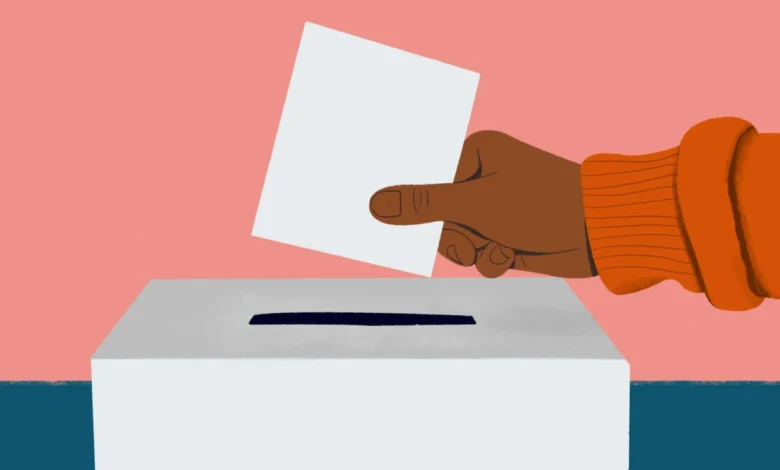
As the United States inches closer to the high-stakes midterm elections, an escalating financial anxiety is gripping households nationwide: the relentless upward trajectory of healthcare costs. With prices for medical services, prescription drugs, and insurance coverage projected to climb even higher next year, candidates across the political spectrum are scrambling to formulate and present comprehensive strategies to address the crisis. For millions of American voters, the burden of paying for medical care has transformed from a routine household expense into a critical economic hurdle, elevating healthcare policy to one of the most pressing battlegrounds of the electoral season.
The current political and economic climate bears a striking resemblance to historical inflection points that fundamentally altered the American healthcare landscape. According to healthcare policy experts, the compounding financial strain felt by everyday consumers today echoes the systemic pressures experienced in the early 2000s—pressures that ultimately catalyzed the fierce national debates culminating in the passage of the landmark Affordable Care Act (ACA) in 2010. As candidates debate policy prescriptions ranging from market-driven reforms to government-subsidized expansions, the electorate is demanding tangible solutions to an affordability crisis that shows no signs of abating.
The Anatomy of the Modern Healthcare Financial Burden
The conversation surrounding healthcare affordability often focuses narrowly on monthly insurance premiums, yet consumers are facing a much broader array of out-of-pocket expenses that erode their disposable income. The financial strain is increasingly concentrated in deductibles—the amount patients must pay out of pocket for medical care before their insurance policy begins to share the cost—as well as escalating copayments and coinsurance rates for routine doctor visits and specialized treatments.
Julie Rovner, chief Washington correspondent for KFF Health News and host of the widely followed podcast What the Health? From KFF Health News, recently appeared on WAMU’s Health Hub to break down how these financial pressures are poised to influence voter behavior and shape the trajectory of the midterm campaigns.
"We’re seeing people have to pay more in their — not just premiums — but their deductibles, how much they pay before their insurance kicks in, and how much they pay when they go to the doctor," Rovner explained during her broadcast appearance.
This shift toward higher-deductible health plans (HDHPs) has been a dominant trend in employer-sponsored coverage over the past decade. While HDHPs often feature lower monthly premiums, they leave policyholders uniquely vulnerable to sudden medical shocks. For families living paycheck to paycheck, meeting a multi-thousand-dollar deductible before insurance assistance activates can be financially devastating, frequently forcing individuals to delay or forego essential medical care altogether.
Compounding the anxiety of rising deductibles is a notable shift in administrative practices within medical offices and hospital systems. In recent years, healthcare providers facing their own operational cost increases and reimbursement challenges have increasingly adopted aggressive upfront collection policies. It is no longer unusual for patients to encounter administrative hurdles before even stepping foot into an examination room.
"Now you get there, and they say, ‘Can we have your credit card?’ before you even get to go in and get your care," Rovner noted, highlighting the immediate, transactional friction that characterizes modern patient experiences. This practice of securing payment or keeping credit card information on file prior to treatment underscores the deteriorating financial trust between providers and patients, turning routine medical visits into stressful financial transactions.
Historical Context and Chronology of Cost Escalations
To understand why healthcare costs remain a perennial political flashpoint, it is necessary to examine the historical trajectory of medical inflation in the United States. Over the past three decades, healthcare expenditure growth has consistently outpaced general inflation and wage growth, creating a structural affordability gap.
- Late 1990s to Early 2000s: A period marked by rapid double-digit percentage increases in health insurance premiums. Managed care backlash and rising pharmaceutical costs dominated public discourse, leading to intense legislative battles over patients’ rights and the regulation of Health Maintenance Organizations (HMOs).
- 2008–2010: The Great Recession coincided with skyrocketing uninsured rates and soaring out-of-pocket costs, serving as the political backdrop for the 2008 presidential election and the subsequent drafting and passage of the Affordable Care Act in March 2010. The ACA introduced sweeping reforms, including protections for pre-existing conditions, the creation of state and federal health insurance marketplaces, and the expansion of Medicaid.
- 2014–2019: Full implementation of the ACA’s major coverage provisions led to a historic low in the uninsured rate, yet underlying cost growth persisted. Providers consolidated into larger health systems, leading to reduced market competition and increased pricing power, which in turn drove up commercial insurance rates.
- 2020–2022: The COVID-19 pandemic introduced unprecedented disruptions to the healthcare sector, causing elective procedures to plummet temporarily before surging back alongside severe labor shortages, supply chain bottlenecks, and inflationary pressures.
- 2023–Present: As pandemic-era federal subsidies and flexibilities phase out, insurers, employers, and consumers face renewed cost pressures. Premium projections for the upcoming year indicate continued upward momentum, keeping healthcare securely at the forefront of voters’ minds as midterm campaigns accelerate.
Data and Economic Realities Driving the Debate
Economic data from federal agencies and independent research organizations illustrate the profound scale of the healthcare affordability challenge. According to reports from the Centers for Medicare & Medicaid Services (CMS), national health expenditures have continued to absorb a massive share of the United States Gross Domestic Product (GDP), hovering near 18 percent.
Furthermore, data compiled by organizations like the Peterson-KFF Health System Tracker reveal that out-of-pocket spending has grown steadily, driven largely by increases in the utilization of specialized medical services and higher negotiated payment rates between commercial insurers and hospital networks. Prescription drug spending, particularly for specialty pharmaceuticals and biologics, remains another major driver of overall medical inflation, placing an unsustainable burden on both private health plans and public programs like Medicare.
Employer-sponsored insurance, which covers the majority of working-age Americans, has also seen steady increases. Surveys of employers indicate that average family coverage premiums have surpassed the $22,000 threshold annually, with employees bearing a significant and growing share of that total through payroll deductions and out-of-pocket cost-sharing mechanisms. When workers experience wage stagnation alongside these climbing healthcare obligations, the net result is a perceptible decline in real household purchasing power.
Political Landscape and Candidate Strategies
As midterm elections draw nearer, political strategists recognize that resonating with voters on kitchen-table economic issues—chief among them healthcare—is paramount. Candidates are utilizing distinct rhetorical frameworks and policy proposals to address the crisis, reflecting deep ideological divisions over the role of government in the healthcare sector.
Democratic candidates generally advocate for building upon existing frameworks, such as strengthening the Affordable Care Act, expanding Medicaid in states that have thus far declined to do so, and lowering prescription drug costs through legislative mechanisms like Medicare price negotiation and capping out-of-pocket expenses for seniors. Proponents of these policies argue that government intervention is essential to curb corporate greed within the pharmaceutical and insurance industries and to protect vulnerable populations from financial ruin.
Conversely, Republican candidates often emphasize market-based solutions aimed at increasing competition, enhancing price transparency, and expanding consumer-directed care options. Proposals frequently include reforming malpractice laws, promoting the wider adoption of Health Savings Accounts (HSAs), allowing the cross-state sale of insurance policies, and reducing regulatory burdens that compliance-heavy mandates impose on smaller medical practices. Advocates for these approaches contend that fostering a competitive free-market environment will naturally drive down costs and improve the quality of patient care without requiring expansive federal oversight.
Despite these partisan differences, both sides acknowledge that voters across the political spectrum are united in their frustration over unpredictable and escalating medical expenses. This bipartisan discontent creates a potent political dynamic where candidates who can articulate credible, actionable solutions often gain a distinct advantage at the ballot box.
Broader Implications and Future Outlook
The intersection of rising healthcare costs and midterm politics carries profound implications for the future of American health policy. If current pricing trends persist without meaningful structural intervention, the long-term sustainability of both private and public health financing systems will face severe stress.
For employers, the compounding cost of providing health benefits risks crowding out wage growth and limiting hiring potential. For healthcare providers, the growing prevalence of high-deductible plans and patient bad debt will continue to complicate revenue cycles, potentially exacerbating staff burnout and administrative bloat as institutions invest heavily in upfront collections and billing verification technologies.
Most importantly, for the American consumer, the ongoing financial escalation threatens to deepen health disparities. When individuals are forced to choose between paying their medical deductibles and covering basic living expenses like housing and nutrition, preventative care is often the first casualty. This dynamic can lead to delayed diagnoses, advanced disease progression, and ultimately higher system-wide costs when conditions finally require emergency intervention.
As candidates finalize their campaign platforms and voters prepare to head to the polls, the debate over healthcare affordability serves as a stark reminder of the unfinished business of the American medical system. Whether the upcoming midterm elections will produce the political will necessary to enact lasting structural reforms remains to be seen, but the urgency driving the electorate is undeniable.