Massachusetts Expands Postpartum Nurse Home Visit Program Amid Heated Debate Over Government Overreach and Maternal Mental Health

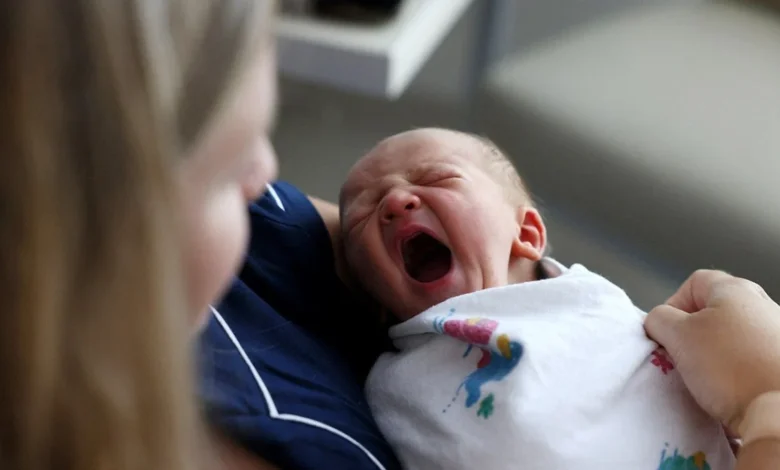
BOSTON — The Commonwealth of Massachusetts is scaling up a taxpayer-funded initiative designed to dispatch registered nurses directly into the homes of new parents following childbirth. The expansion, spearheaded by Governor Maura Healey, injects fresh capital into maternal healthcare infrastructure but has simultaneously reignited a fierce national debate regarding privacy, individual autonomy, and the appropriate boundaries of state involvement in private family life.
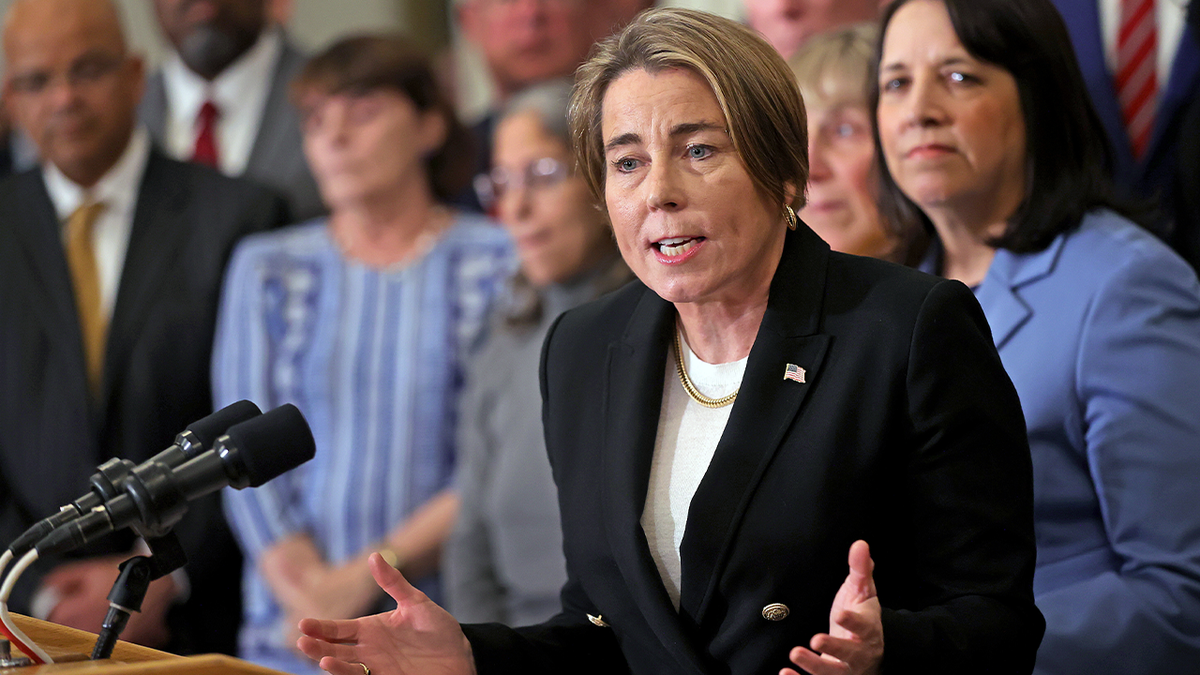
Governor Healey recently announced a $2 million budgetary allocation to broaden the reach of the state’s Welcome Family program. This initiative offers voluntary, in-home consultations conducted by licensed medical professionals during the critical postpartum window. In tandem with this expansion, the governor proposed an additional $250,000 to bolster the Massachusetts Child Psychiatry Access Program (MCPAP) for Moms. This specialized network is structured to deliver rapid psychiatric consultation and mental health training to obstetricians, pediatricians, and other primary care providers tending to pregnant and postpartum patients.
While state officials and maternal health advocates champion these measures as vital lifelines to prevent tragedies and support vulnerable families, critics view the state-sponsored home visits through a lens of skepticism, characterizing them as an unwarranted intrusion into the domestic sphere.
Main Facts and Program Structure
Under the newly expanded Welcome Family framework, the state aims to ensure that every resident giving birth in Massachusetts has access to a professional clinical evaluation within days or weeks of returning home from the hospital. According to administration officials, these visits are entirely voluntary and serve multiple practical functions: answering complex questions regarding newborn care, assessing infant development, and screening mothers for early indicators of postpartum mood and anxiety disorders (PMADs).
The $2 million investment scales up an existing framework that has historically operated with more limited geographical reach and tighter resource constraints. By increasing funding, the Healey administration hopes to transform the pilot-style initiative into a widely accessible safety net.
Simultaneously, the infusion of $250,000 into MCPAP for Moms targets the clinical side of the equation. Healthcare practitioners across Massachusetts will receive enhanced training designed to spot subtle behavioral and psychological shifts in postpartum patients, bridging a historical gap where physical recovery was routinely monitored while mental health crises went unnoticed.
"Everybody in the state, when you have a baby, you’re going to have a home visit within days, weeks, and that will be an opportunity for a healthcare provider to make an assessment to see if you need some additional support and resources," Governor Healey explained during a recent media appearance on Boston Public Radio.
Background Context and the Lindsay Clancy Case
The timing of the administration’s announcement is deeply intertwined with recent events that have shaken public consciousness in Massachusetts and across the United States. The heightened focus on postpartum mental health follows the high-profile criminal proceedings of Lindsay Clancy, a former labor and delivery nurse from Duxbury, Massachusetts.
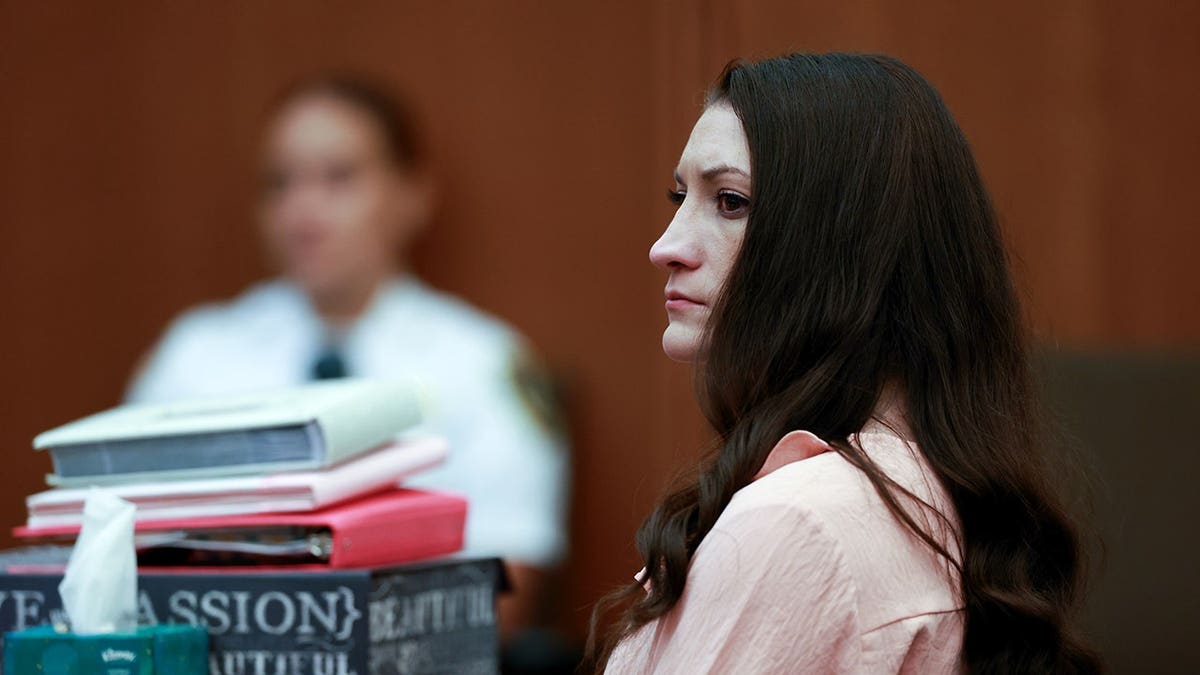
In January 2023, Clancy was accused of strangling her three young children—Cora, 5, Dawson, 3, and 7-month-old Callan—before attempting to take her own life. The tragedy stunned the local community and drew national attention to the severe manifestations of postpartum psychiatric distress. During her subsequent trial in Plymouth Superior Court, defense attorneys argued that Clancy was suffering from acute postpartum psychosis, an extreme and debilitating condition characterized by hallucinations, delusions, and a severe detachment from reality, exacerbated by a heavily criticized overmedication regimen in the weeks leading up to the incident.
The legal proceedings ultimately ended in a mistrial after a Plymouth jury deadlocked, unable to reach a unanimous verdict. However, the emotional and cultural shockwaves of the case have not dissipated. Family members testified that they had raised urgent concerns regarding Clancy’s deteriorating mental health months before the tragedy occurred, highlighting systemic failures within the healthcare system to adequately detect and treat maternal psychiatric emergencies.
Public health analysts note that policymakers in Massachusetts are operating under intense pressure to demonstrate that state institutions are learning hard lessons from the Clancy case, striving to ensure that no struggling mother slips through the cracks of a fragmented healthcare system.
Public Reaction and the Debate Over Government Overreach
Despite the humanitarian and clinical justifications offered by state officials, the expansion of the Welcome Family program has provoked sharp ideological divisions among residents, privacy advocates, and political commentators.
On social media platforms and public forums, detractors have voiced deep reservations regarding state workers crossing the threshold of private homes, even on a voluntary basis. Critics argue that existing medical infrastructure—specifically routine pediatric check-ups and obstetrical follow-up appointments—is more than adequate for identifying distress without state-managed interventions.
"Doctors and pediatricians are more than capable to conduct appropriate screenings for their patients. Say no to home visits," one user wrote on the social media platform X, echoing a sentiment shared by thousands of privacy-conscious citizens. Another user dismissed the initiative outright, labeling the state-backed outreach as "creepy" and a "massive government overreach."
Conversely, defenders of the program emphasize that many new parents, particularly low-income families, single mothers, and those isolated in rural or under-resourced communities, face formidable logistical barriers when attempting to attend in-person clinic visits during the turbulent newborn phase. Proponents argue that bringing clinical expertise directly to the doorstep removes transportation hurdles, reduces postpartum exhaustion, and normalizes mental health check-ins.
"More overreach. However, if it’s an offer, and not a mandate, it could be a good thing for some young families and single moms," noted commentator Bob Phillips, capturing the nuanced middle ground occupied by many moderate observers who remain wary of expanding state bureaucracy yet see utility in voluntary assistance.
Supporting Data and Broader Health Implications
Public health data underscores the critical need for robust maternal mental health interventions in the United States, which currently maintains one of the highest maternal mortality rates among developed nations. According to the Centers for Disease Control and Prevention (CDC), mental health conditions—including suicide and overdose—account for a substantial percentage of pregnancy-related deaths, with a significant portion occurring up to a year postpartum.
Furthermore, studies published in medical journals such as Obstetrics & Gynecology indicate that as many as 1 in 5 women experience perinatal mood and anxiety disorders. Despite this high prevalence, more than half of affected individuals receive no professional treatment, often due to social stigma, financial constraints, or a lack of qualified local providers.
Programs modeled after Welcome Family, sometimes referred to broadly as universal nurse home-visiting models, have been studied extensively by public health economists. Academic evaluations generally suggest that such initiatives yield positive long-term dividends, including higher rates of childhood immunization, lower incidences of emergency room visits for minor infant ailments, and earlier identification of developmental delays or maternal depression.
However, economists also point out that scaling these programs efficiently requires a steady pipeline of qualified registered nurses—a commodity already in high supply-demand tension given ongoing national nursing shortages.
Official Responses and Next Steps
As the debate intensifies, representatives for Governor Healey’s office and the Massachusetts Department of Public Health maintain that participation in the Welcome Family program is strictly elective. Officials have repeatedly stressed that families maintain the absolute right to decline a nurse’s visit without penalty or bureaucratic repercussions.
Fox News Digital reached out to both the Massachusetts Department of Public Health and the governor’s press office for further elaboration on how the expanded funds will be distributed across municipal health boards, as well as what specific protocols will protect family privacy during the home evaluations. Responses were pending at the time of publication.
Conclusion and Broader Impact
The expansion of Massachusetts’ postpartum support framework encapsulates a broader American policy dilemma: how to effectively marshal public resources to combat escalating public health crises without infringing upon personal liberty and domestic privacy.
As other state legislatures monitor the Massachusetts experiment, the success or failure of the newly funded Welcome Family and MCPAP initiatives will likely serve as a blueprint—or a cautionary tale—for policymakers nationwide grappling with the intersection of maternal healthcare, public spending, and individual rights.