Skift Live Tourism Summit 2026: Navigating the Economic Realities, Infrastructure Pressures, and Strategic Shifts of the Global Live Event Economy

The modern travel landscape has fundamentally transformed from a paradigm where vacationers selected a destination first and subsequently curated their itineraries, to a travel ecosystem driven entirely by moments. Today, consumers choose the specific event—be it a stadium tour, a global music festival, or an international sporting spectacle—and construct their entire travel journey around it. This evolution has elevated live tourism from a supplementary leisure activity into a primary demand driver shaping global travel revenues, seasonal shifts, and long-term municipal infrastructure planning.
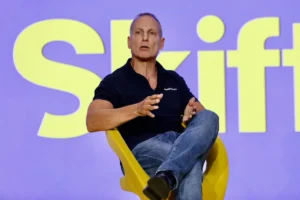
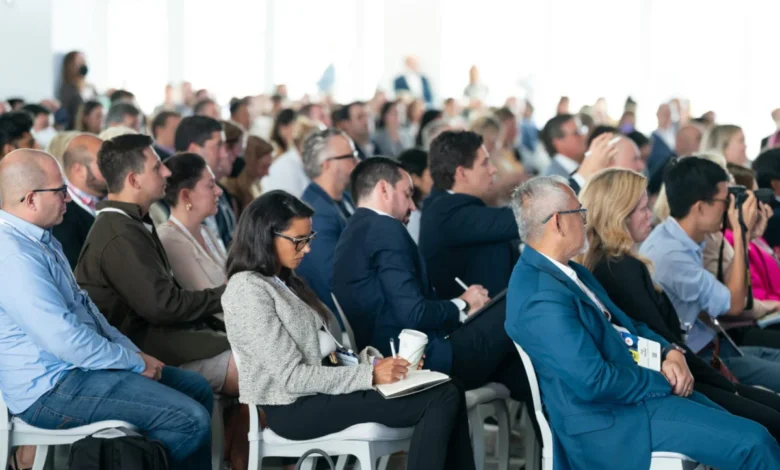
To confront these sweeping structural changes, senior industry executives, destination marketing leaders, and entertainment promoters will gather at the North Javits Center in New York City on September 22, 2026, for the inaugural Skift Live Tourism Summit. Presented by Live Nation, the high-level summit is designed to dissect the immense economic potential and operational friction generated by live events. As travel brands, municipal governments, and entertainment heavyweights converge, the event aims to tackle the critical dilemmas facing the sector: balancing skyrocketing short-term yields with long-term community viability, deciding who absorbs municipal hosting costs, and determining whether live events should be treated as ephemeral windfalls or permanent economic infrastructure.
The Shift from Destination-Led to Moment-Driven Travel
Data underscores the profound psychological and economic weight of this trend. According to recent findings from Skift Research, an overwhelming 86 percent of travelers report that live tourism is directly important to their overall sense of happiness and well-being. Furthermore, a staggering 92 percent of travel and tourism executives agree that live tourism will become significantly more critical to their core business models over the next five years.
This consumer appetite has created seismic shifts in hospitality pricing and local economic activity. The financial impact of blockbuster tours and high-profile sporting events can be astronomical, yet notoriously volatile. For instance, the debut of the Formula 1 Las Vegas Grand Prix generated an estimated $1.5 billion in its inaugural year, followed by $934 million the subsequent year once initial, one-time infrastructure build-out costs rolled off. Similarly, the localized economic fury of Taylor Swift’s historic Eras Tour demonstrated the immense pricing power of live entertainment, pushing room rates at a single Cincinnati hotel from roughly $72 per night to an eye-watering $1,024.
However, these staggering spikes expose a deeper systemic tension within the travel economy: the friction between a temporary revenue surge and sustainable, year-round destination health. While hospitality operators and airlines reap the windfall of a blockbuster weekend, destinations often find themselves grappling with the aftermath of compressed demand curves that strain local resources without necessarily translating into durable, long-term partnerships.
Leverage or Invest: Playing the Surge Versus Playing the Long Game
A central challenge for travel brands and municipal leaders is determining whether to capitalize on short-term event anomalies or integrate live entertainment into a sustainable, multi-year economic strategy. Travel companies face complex choices regarding their positioning in the live event space. An anomalous tour or a limited residency can radically alter quarterly earnings reports, but aligning a brand with a destination that cultivates consistent, recurring live tourism offers compounding long-term potential.

The disparity between a debut event and a recurring calendar staple requires sophisticated forecasting. When major events are treated merely as isolated marketing stunts funded year-by-year out of municipal promotion budgets, cities often miss the opportunity to build permanent economic scaffolding. Conversely, destinations that view their event calendars as critical infrastructure are forced to evaluate capital investments, stakeholder alignment, and risk mitigation through a much wider lens.
Cities Versus Promoters: Examining the Economics of Hosting
The financial equilibrium between host cities and event promoters remains one of the most contentious issues in modern tourism management. While live events undoubtedly inject capital into local economies—the U.S. Travel Association estimates that every $100 spent on a live performance generates roughly $300 in secondary local spending across airlines, hotels, restaurants, ridesharing services, and retail—the distribution of risk and reward is frequently lopsided.
Destinations typically absorb the lion’s share of hosting costs, public safety expenses, and infrastructure wear-and-tear, while also carrying the reputational and economic risk if a weekend falls short of expectations. Meanwhile, promoters, primary ticketing platforms, and venue operators capture significant portions of the financial upside. A stark example of this imbalance is visible on a global scale: FIFA generates billions of dollars in revenue from quadrennial events like the World Cup, while host cities shoulder the majority of operational and capital expenditures, relying primarily on a temporary visitor surge to recoup their investments.
Travel suppliers sit uncomfortably in the middle of this dynamic. Airlines and hotel chains profit immensely from high-occupancy surges, but sudden event cancellations, rescheduling, or logistical failures can throw standard revenue models into disarray. Industry analysts argue that cities that host major events without successfully negotiating a direct stake in the value generated are essentially subsidizing external stakeholders while exposing themselves to undue financial vulnerability.
Readiness Versus Reality: Managing Mass Influx and Infrastructure
Winning the competitive bid to host a major global event is a far cry from being operationally prepared to execute it. The history of international mega-events is populated by cautionary tales of empty stadiums, underutilized transit lines, and ballooning public debt incurred for single-use spectacles.
Skift Research highlights that live tourism must now be factored directly into comprehensive capital budgeting and infrastructure planning. Destination leaders who fail to coordinate closely with elected officials, municipal departments, and hospitality operators risk severe service failures when demand tests every urban system simultaneously. When public infrastructure buckles under the weight of tens of thousands of incoming fans, a city’s long-term reputation can suffer lasting damage, far outweighing the short-term financial gains of the event itself.
Yield Management Versus Local Access: Navigating Overtourism and Alienation

Maximizing yield management during peak live tourism windows is standard practice for airlines and hoteliers, but it introduces severe socio-economic challenges for the communities playing host. Aggressive dynamic pricing can easily price local residents out of attending cultural events happening in their own backyards, compounding existing frustrations with urban overcrowding and rising costs of living.
Overtourism backlash is already a pressing concern in many of the world’s premier tourism hubs, and unchecked event pricing pours fuel on the fire. For example, international fans drove a notable 26.8 percent surge in the United Kingdom’s international music tourism sector, yet these transient visitors often plan far in advance to absorb peak pricing and maintain the least organic connection to the local community. While the immediate financial yield is undeniably attractive, the compounding reputational cost—alienated residents and a hollowed-out local cultural fabric—is rarely accounted for on standard corporate balance sheets.
During peak weekends for major stadium tours, host cities frequently record hotel occupancy rates soaring as high as 97 percent, accompanied by localized spikes in demand for temporary hospitality workers climbing by up to 1,000 percent near venue perimeters. Managing the delicate balance between extracting maximum economic yield and preserving community goodwill remains an urgent priority for destination executives.
Competition Versus Coordination: Maximizing Margins Through Collaboration
No single corporate entity or municipal agency owns the live tourist. The highest risks and greatest rewards in the modern travel economy hinge entirely on how effectively destinations, airlines, accommodation providers, venues, promoters, and tech platforms coordinate their operations.
In many markets, individual stakeholders continue to optimize their own specific profit windows within isolated silos, leaving significant economic value leaking at the seams between sectors. The Skift Live Tourism Summit aims to dismantle these operational silos by fostering direct dialogue between industry leaders. As the data indicates, 92 percent of executives believe live tourism will become increasingly vital to their survival over the next five years, making cross-sector collaboration an existential necessity rather than an optional luxury.
Looking Ahead: The Agenda in New York City
As the September 22 summit approaches at the North Javits Center, senior executives are preparing to confront foundational questions regarding the future of travel. Attendees will examine how corporate partnerships with entities like Live Nation can successfully convert transient concert tours into durable, predictable demand streams, how municipal governments can future-proof their infrastructure against demand shocks, and how travel companies can equitably distribute the economic value generated by the live event economy.
Ultimately, the Skift Live Tourism Summit 2026 will challenge attendees to transition from reactive event programming to proactive, long-term economic building—ensuring that live tourism serves as a pillar of sustainable growth for destinations and travel brands alike for decades to come.