The borough of Brooklyn recently served as the backdrop for a series of events highlighting the intersection of international academic research, niche experiential retail, and grassroots environmental activism. Despite inclement weather conditions characterized by significant rainfall on Saturday, the local community and visiting professionals engaged in activities that underscore the neighborhood’s role as a hub for both intellectual pursuit and social cohesion. This period saw a convergence of global interests, ranging from medical research initiatives to international sporting events, reflecting the increasingly cosmopolitan nature of New York City’s residential enclaves.
The Evolution of Experiential Retail in Brooklyn Heights
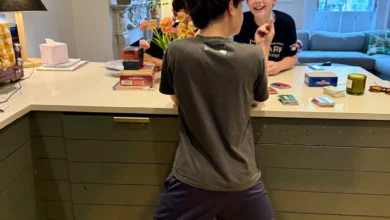
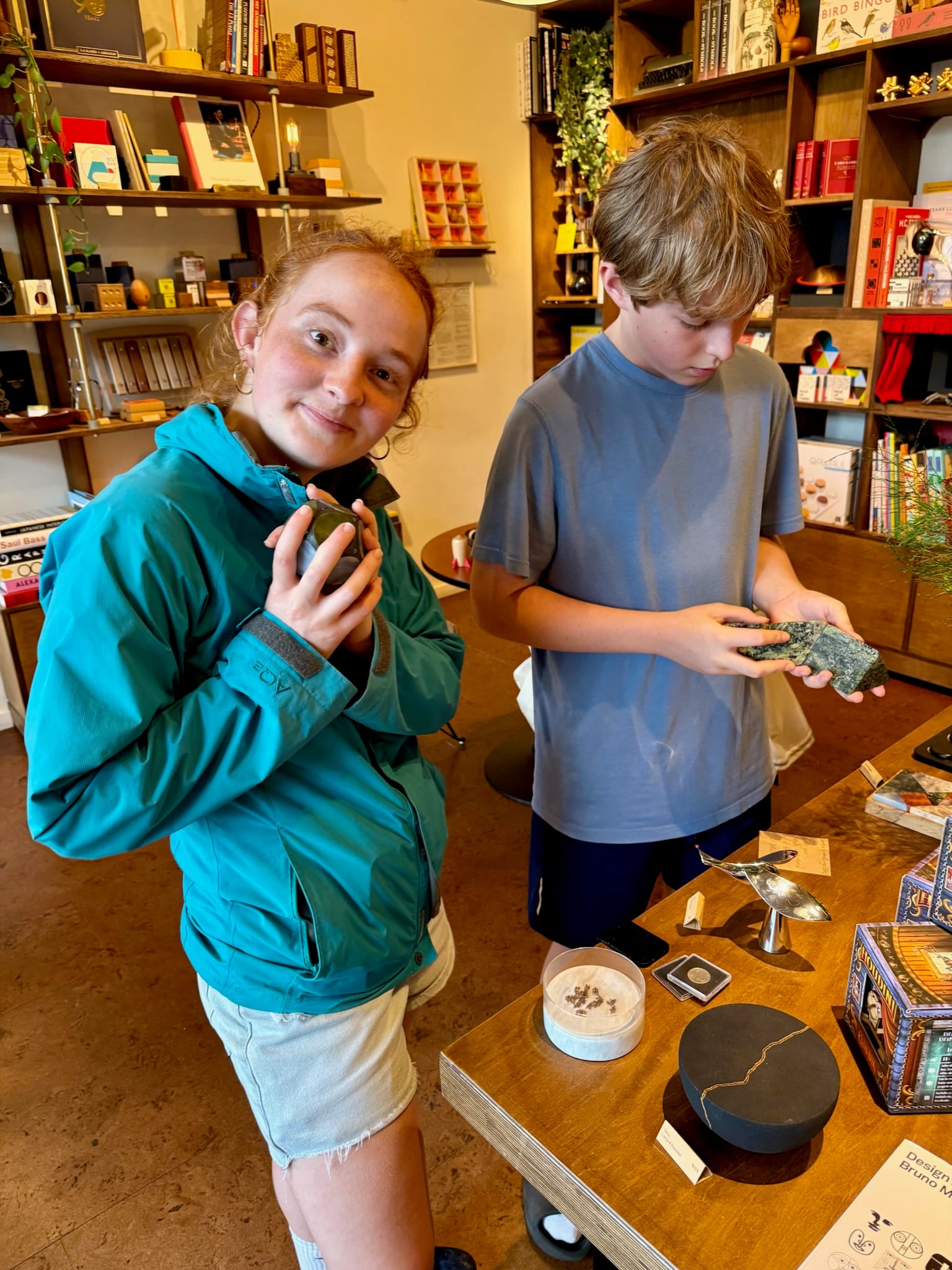
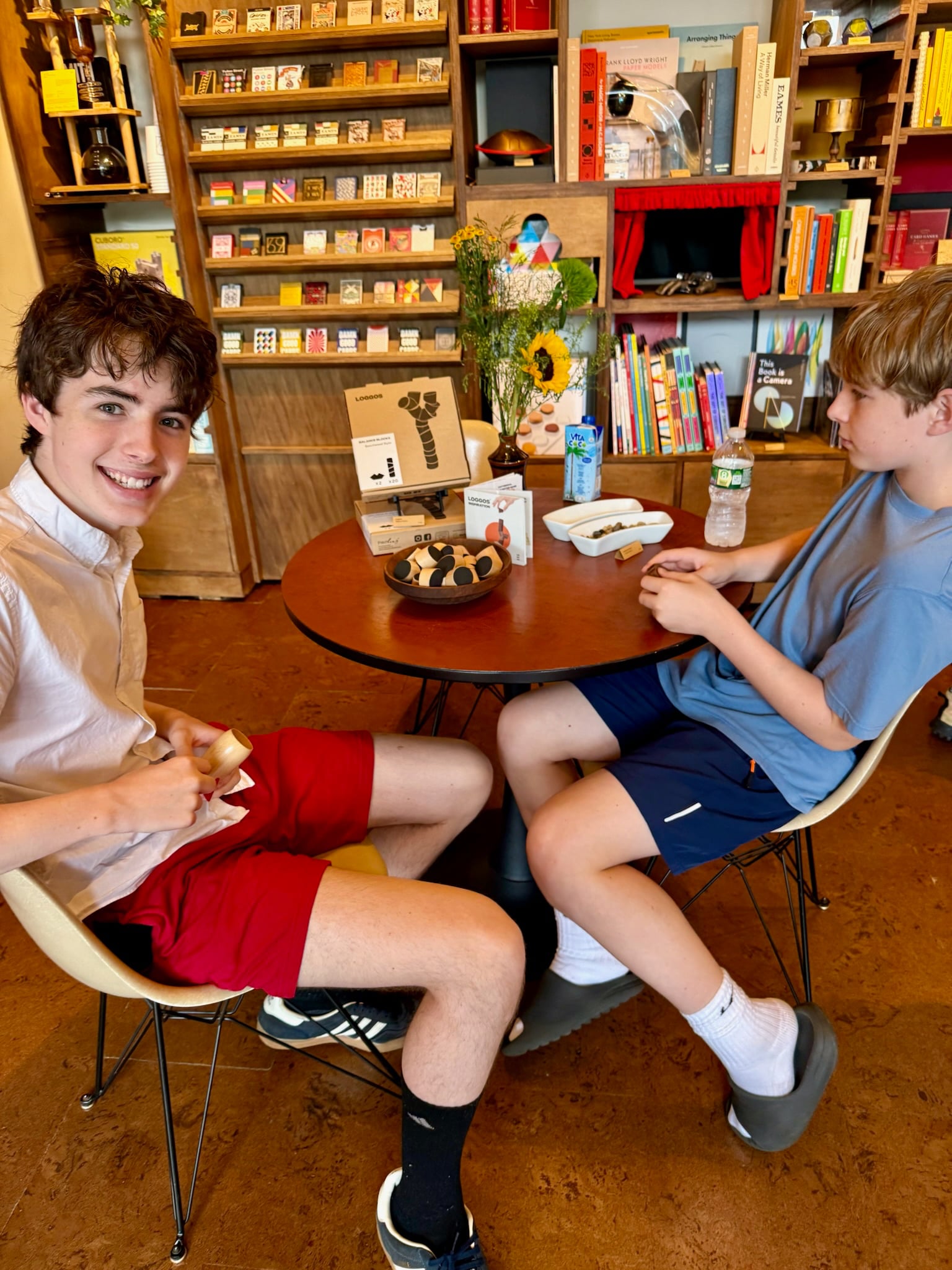
As traditional brick-and-mortar commerce continues to adapt to the digital age, niche retailers in Brooklyn Heights are finding success through high-engagement, tactile experiences. A primary example of this trend is Art of Play, a specialized boutique located in Brooklyn Heights that focuses on magic, puzzles, and interactive games. During the recent rainy weekend, the establishment saw a diverse demographic of patrons, including international visitors and local residents.
The retail model employed by Art of Play emphasizes the "experience economy," a term coined by economists B. Joseph Pine II and James H. Gilmore. By offering puzzles that customers are encouraged to solve on-site, the store transforms a simple transaction into a memorable event. Observers noted that the store’s practice of ringing a bell to celebrate a customer’s successful resolution of a puzzle serves as a form of "positive reinforcement marketing," which fosters a sense of community achievement. This approach has proven particularly effective in attracting a multi-generational audience, bridging the gap between younger teenagers and older adults through shared intellectual challenges.
International Academic Exchange and Summer Research Trends
The weekend’s activities also highlighted New York City’s status as a premier destination for global medical research. Grace, a researcher from England, is currently stationed in the city to conduct medical studies, representing a broader trend of international academic exchange that peaks during the summer months. According to data from the Institute of International Education (IIE), New York remains the top metropolitan area for international students and researchers, contributing billions of dollars to the local economy and fostering cross-border scientific collaboration.
The presence of international scholars like Grace in residential neighborhoods such as Brooklyn Heights illustrates the integration of professional life with local culture. These researchers often seek out community-oriented spaces to balance the rigors of clinical or laboratory work, further diversifying the social fabric of the borough.
Grassroots Environmental Stewardship: The Rise of Micro-Volunteering
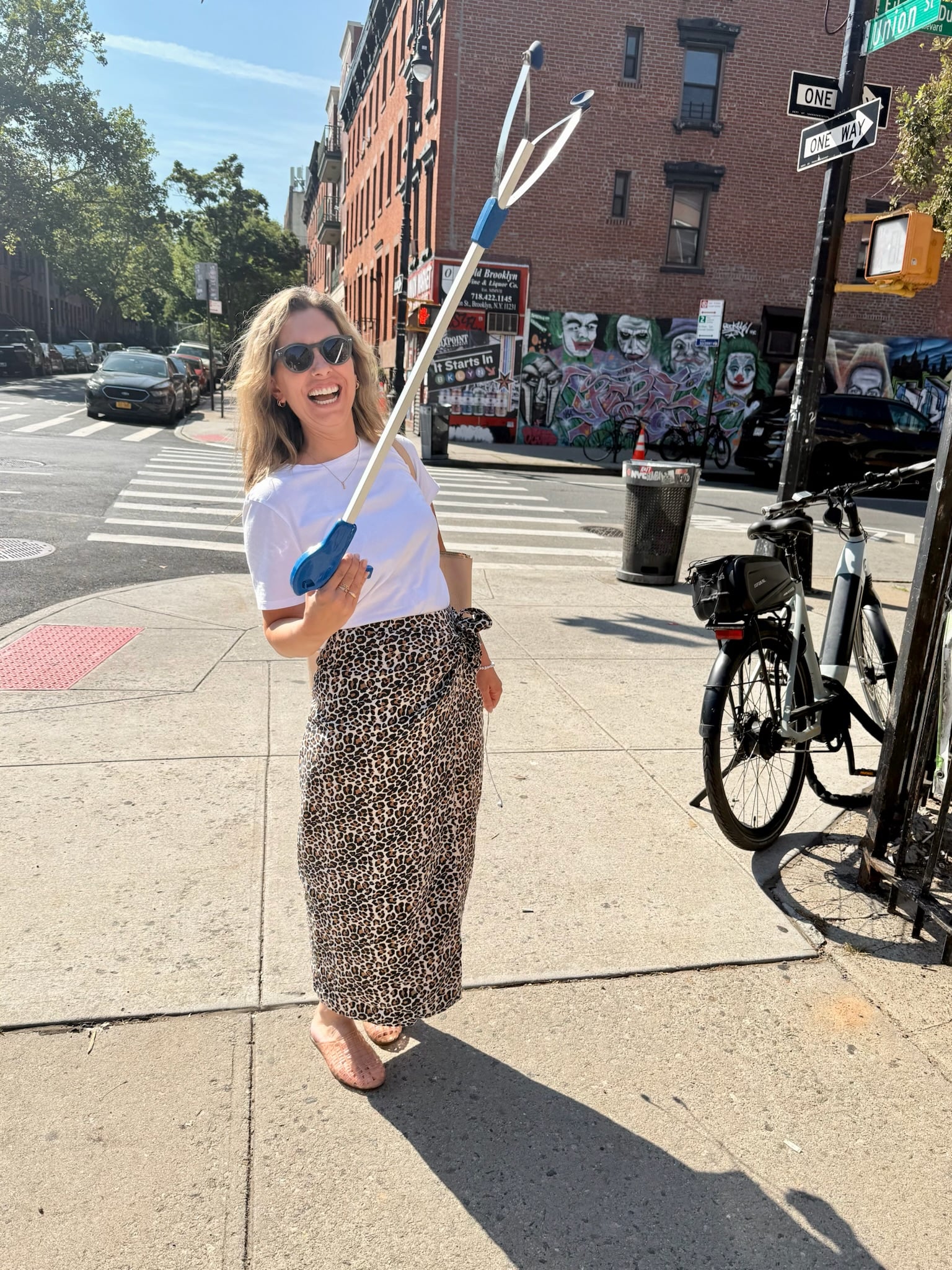
A significant development in local community relations involves the proactive efforts of residents to maintain the aesthetic and environmental integrity of their neighborhoods. Alison Piepmeyer, a resident of Brooklyn, has gained local recognition for her consistent efforts in waste management and litter reduction. Piepmeyer has adopted the practice of carrying a professional-grade "trash grabber" during her daily commutes and social outings, a behavior she describes as a small but impactful way to contribute to the neighborhood’s well-being.
This form of "micro-volunteering" or "incidental activism" is gaining traction in urban centers where municipal services may face logistical challenges. Piepmeyer’s actions have drawn comparisons to the late author David Sedaris, who was famously known for picking up litter in West Sussex, England. From a sociological perspective, these individual actions serve as a catalyst for "social modeling," where one person’s commitment to public cleanliness encourages others to respect communal spaces.
The environmental impact of such initiatives is quantifiable. While individual efforts may seem small, the cumulative effect of community-led litter collection significantly reduces the amount of plastic and non-biodegradable waste entering the city’s drainage systems and, eventually, the Atlantic Ocean.
International Sports and Urban Social Dynamics
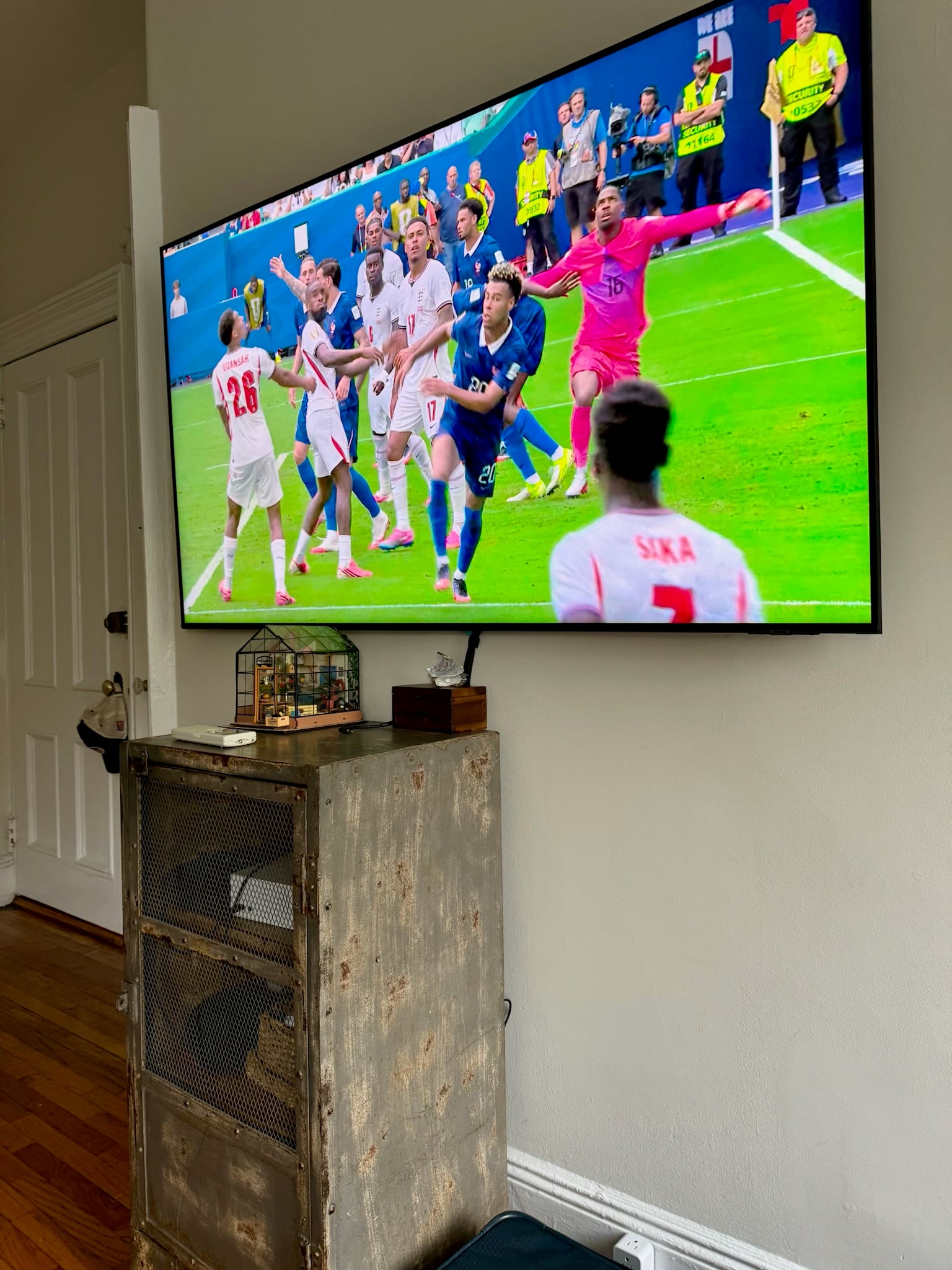
The weekend coincided with a high-stakes match in the World Cup, involving the England national football team. In New York City, international sporting events serve as major social drivers, filling local establishments and private residences with supporters. The "soccer culture" in the United States has seen exponential growth over the last decade, with New York City at the forefront of this shift.
Data from major sports broadcasters indicates that World Cup viewership in the U.S. has reached record highs, with a notable concentration of viewers in diverse urban areas. The social gathering observed in Brooklyn to watch the England match reflects the "transnational identity" of many New Yorkers, who maintain strong emotional and cultural ties to their countries of origin while fully participating in the life of the city. The emotional volatility of high-stakes sports—often referred to by psychologists as "fan identification"—provides a unique venue for community bonding and collective experience.
Maritime Travel and the Modern Cruise Industry
The return of travelers from maritime excursions also marked the conclusion of the weekend’s events. Freddie, a member of the local community, returned from a week-long family cruise, a segment of the travel industry that has seen a robust recovery following the global pandemic. According to the Cruise Lines International Association (CLIA), the cruise industry is projected to reach 106% of 2019 passenger levels by the end of the current fiscal year.
The logistics of modern cruising have evolved to include constant, albeit sometimes intermittent, satellite communication. The anecdotal "promise to return" often heard during ship-to-shore calls highlights the psychological transition between the isolated environment of a sea vessel and the fast-paced reality of urban life. The cruise industry’s shift toward multi-generational family travel has also influenced how New Yorkers plan their summer vacations, seeking out "all-inclusive" environments that cater to varying age groups.
The Intersection of Media, Literature, and Community Engagement
A notable point of cultural intersection occurred with the recognition of Sonya Walger, an actress known for her role in the television series Lost, as both an author and an active participant in the "Cup of Jo" community. Walger’s transition from screen to page with her novel Lion reflects a growing trend of "multi-hyphenate" creatives who leverage their public platforms to explore literary ambitions.
The fact that public figures like Walger engage with community-driven blogs and platforms underscores the democratizing effect of the internet on celebrity-public relations. It suggests a shift away from traditional top-down media consumption toward a more lateral, participatory culture where authors, actors, and their audiences interact within the same digital ecosystems.
Broader Impact and Implications
The events of the weekend in Brooklyn Heights offer a microcosm of the current socio-economic trends shaping New York City. The success of experiential retail at Art of Play suggests that there is a significant market for businesses that prioritize human interaction and cognitive engagement over simple convenience. Furthermore, the grassroots environmentalism displayed by residents like Alison Piepmeyer indicates a shift in how urban dwellers view their responsibility toward public infrastructure.
From an economic standpoint, the presence of international researchers and the high engagement with global sporting events confirm that Brooklyn remains a key node in the global cultural and academic network. The return of cruise travelers signals a stabilized tourism sector, which is vital for the city’s broader economic health.
In conclusion, the synthesis of these disparate events—ranging from the solving of a mechanical puzzle to the collective tension of an international soccer match—reveals a community that is deeply interconnected and actively engaged with the world at large. The resilience of local social structures, even in the face of poor weather, points to a robust "social capital" within Brooklyn Heights that continues to attract and retain a diverse, high-achieving population. As the summer progresses, these themes of stewardship, intellectual curiosity, and global connectivity are expected to remain central to the neighborhood’s identity.