Ashton and Michael Kutcher Unveil the Profound Bond and Painful Rifts Forged by Life-Altering Health Battles

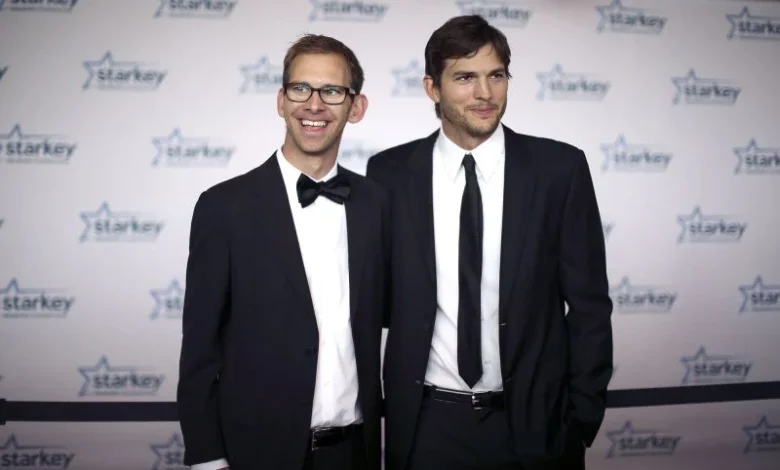
In a rare and deeply personal interview, twin brothers Ashton and Michael Kutcher have opened up about the extraordinary challenges that have shaped their lives, their unbreakable bond, and the painful rifts that emerged from the shadows of serious illness. Appearing on the new Paramount+ series "The Checkup with Dr. David Agus," the brothers offered an unflinching look at their individual health journeys and the profound impact these experiences have had on their relationship.
Dr. David Agus, who serves as Ashton Kutcher’s personal physician, facilitated the candid conversation, first delving into Ashton’s recent public battle with the rare autoimmune condition, vasculitis. This disclosure, made in August 2022, marked a significant moment for the actor, who detailed the debilitating effects of the disease, which can cause inflammation of the blood vessels and lead to a variety of severe health problems, including organ damage. Ashton’s willingness to share his experience with vasculitis underscored a growing trend among public figures to destigmatize and educate about less common medical conditions.
The interview then shifted to a more profound and emotionally charged discussion, as Dr. Agus sat down with both brothers to explore Michael Kutcher’s lifelong struggle with cerebral palsy and a near-fatal encounter with viral myocarditis in his youth. Cerebral palsy, a group of disorders that affect a person’s ability to move and maintain balance and posture, has been a constant presence in Michael’s life since birth. However, it was the terrifying incident of his heart failing that brought the brothers to the precipice of unimaginable grief.
A Near-Fatal Heartbreak: The ICU Vigil
The brothers became visibly emotional as they recounted the harrowing experience of Michael’s heart stopping while Ashton was by his side in the intensive care unit. Ashton described the stark reality of that moment, his voice thick with emotion: "I go in the room and I’m like ‘Whoa,’… ‘Everything is not okay.’ And he flatlines in the room and I know that noise cause now I’ve been visiting occasionally.” The chilling familiarity of the medical alarm signaled the gravest of emergencies, a sound Ashton would come to associate with the fragility of his twin’s life.
In that moment of extreme crisis, Ashton’s thoughts turned to a desperate and selfless act. He revealed that he considered a drastic measure: jumping off a balcony to end his own life, driven by the knowledge that his heart might be a compatible match for his brother. This profound expression of love and desperation highlights the immense psychological toll such a life-or-death situation can take on a sibling. Fortunately, this extreme measure was not necessary. Within a remarkable 24-hour period, Michael received a donor heart, a medical intervention that undoubtedly saved his life. This rapid turnaround for a heart transplant is a testament to the advancements in organ donation and recipient matching, though the waitlist for such life-saving procedures is often agonizingly long. According to the U.S. Department of Health and Human Services, in 2023, over 100,000 people were on the national transplant waiting list, with heart transplants being among the most in-demand.
The Weight of Success and the Shadow of Guilt
Following his heart transplant, Michael faced another serious health complication: open heart surgery to address a blood clot that had been discovered. While Michael navigated these life-threatening medical crises, Ashton’s career as a model and actor began to ascend, catapulting him into the stratosphere of Hollywood stardom. This stark contrast in their life trajectories ignited a profound sense of guilt within Ashton.
The star of "That ’70s Show" grappled with the unfairness of their circumstances, questioning, “How do I get to be this lucky?” He articulated the deep-seated unease he felt, reflecting on the immense challenges Michael had faced: “For my brother… to be born with cerebral palsy, then have a heart transplant, then have this random blood clot, these things that you’re just like, ‘Who has to go through that?’” This internal conflict stemmed from a deep-seated sense of unfairness, a feeling that his brother, who had endured so much, deserved a smoother path. The divergence in their life experiences, marked by Ashton’s burgeoning fame and Michael’s persistent health struggles, created a palpable tension between them.
The Confrontation That Reshaped Their Bond
The emotional weight of Ashton’s perceived good fortune and his guilt became too much to bear, leading to a pivotal moment of confrontation. Michael Kutcher eventually called his brother out, confronting him directly about his pity. Ashton recounted Michael’s powerful words: “He looked at me and he said, ‘Every time you feel sorry for me, you make me less.’ He said, ‘This is the only life I’ve ever known, so stop feeling sorry for the only thing I have.’ And that then created an entire shift back to where I think we are today, which is straight up equals again.”
This direct and honest communication was a turning point. Michael’s assertion that pity diminished him, rather than offering comfort, was a profound lesson for Ashton. It shifted their dynamic from one of a successful brother looking down on a struggling one, to a relationship built on mutual respect and equality, acknowledging the inherent worth and resilience of Michael’s life.
Jealousy, Fame, and the Path to Reconciliation
The brothers also revealed that jealousy, fueled by Ashton’s meteoric rise to fame, had created a significant rift in their relationship. Michael admitted to Dr. Agus that he had, at times, viewed his brother as receiving more attention, a sentiment that led him to a place of envy. "There was a moment when I viewed him as receiving more attention than I was," Michael stated. "That kind of drove me down to a place where I was jealous."
The intense spotlight on Ashton, particularly after his role in "That ’70s Show" and subsequent blockbuster films, meant that Michael often found himself in his twin’s shadow. For someone who had navigated significant personal health challenges, this disparity in public recognition likely amplified feelings of being overlooked or less significant.
However, through open dialogue, the brothers were able to navigate these complex emotions. Michael explained, "The brothers talked it through… And once I took all of the fame and everything out of it, I was able to just, you know, come back to him." By de-emphasizing the external trappings of fame and focusing on their core fraternal connection, they were able to rebuild their relationship on a foundation of genuine understanding and acceptance.
The Unintended Disclosure and a New Chapter
Another point of contention arose when Ashton publicly disclosed that his brother had cerebral palsy, a fact Michael had not intended to share widely. Ashton explained that he was unaware his brother considered this a private matter. This incident, though perhaps unintentional on Ashton’s part, highlights the differing levels of comfort individuals have with disclosing personal health information. For Michael, who had lived with cerebral palsy his entire life, it was a deeply personal aspect of his identity that he wished to control the narrative around.
In the wake of these challenges and his advocacy for others, Michael Kutcher has emerged as a prominent advocate for the disabled community. His lived experience, combined with his deep understanding of the challenges faced by individuals with disabilities, has empowered him to champion inclusivity and raise awareness. His work in this area not only provides a voice for many but also demonstrates a profound transformation from his earlier feelings of jealousy to a position of strength and purpose.
The Enduring Strength of Siblinghood
The interview with Dr. David Agus serves as a powerful testament to the enduring strength of the Kutcher brothers’ bond. Their willingness to share such intimate details of their lives, from near-death experiences and chronic illnesses to the complex emotions of guilt and jealousy, offers a raw and authentic portrayal of siblinghood. Their journey underscores the fact that even the closest relationships can face profound challenges, but with open communication, empathy, and a commitment to understanding, these bonds can not only survive but emerge stronger.
The narrative of Ashton and Michael Kutcher is a compelling reminder that behind the public personas of celebrities lie deeply human experiences. Their story highlights the universal struggles with health, identity, and familial connection, resonating with anyone who has navigated the complexities of life’s unforeseen trials. Their shared vulnerability and ultimate reconciliation offer a hopeful message about the resilience of the human spirit and the profound power of sibling love. The interview, broadcast on Paramount+, provides a platform for these important conversations, encouraging viewers to reflect on their own relationships and the importance of open dialogue when facing adversity.