Venice Critics’ Week Lineup: Shalini Adnani’s Family Drama ‘Our Share of Sand,’ AI-Assisted Colombian Doc ‘The End of Times’ and More

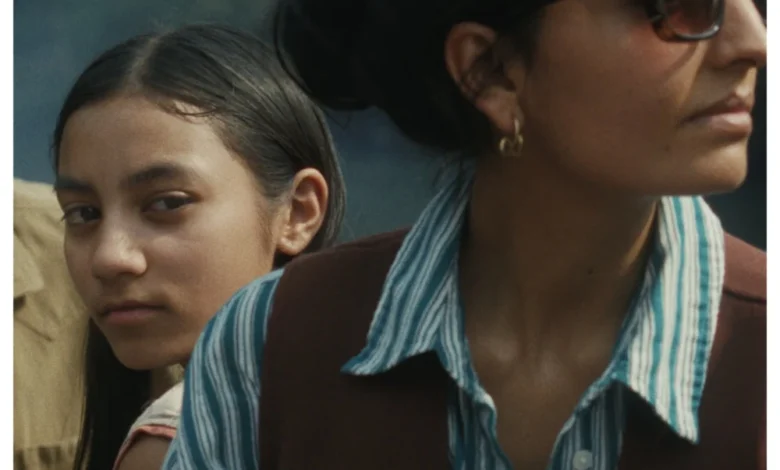
Venice Critics’ Week: A Launchpad for Cinematic Innovation
The Venice Critics’ Week, a parallel section of the Venice International Film Festival, has long been recognized as a vital platform for discovering and promoting first-time directors from across the globe. Established in 1984, this independent section operates with its own jury and awards, dedicated to presenting a curated selection of daring and original cinematic works. Its mission is to champion the voices of new filmmakers, providing them with a crucial international stage to reach audiences and industry professionals. The section’s programming typically emphasizes artistic integrity, diverse perspectives, and challenging narratives, making it a keenly watched event for those seeking the future of cinema.
This year’s edition, running from September 2nd to September 12th, 2024, in conjunction with the 81st Venice International Film Festival, promises a compelling lineup of seven feature films in its competitive section, all of which are world premieres. These films represent a broad spectrum of genres and geographical origins, reflecting the multifaceted nature of contemporary filmmaking.
A Global Tapestry of Debut Films
The selection for Venice Critics’ Week 2024 is characterized by its international scope and thematic diversity. Alongside Adnani’s Our Share of Sand, the competition features two significant entries from Colombia. The End of Times, a thought-provoking fiction-documentary hybrid, is co-directed by Bibiana Rojas Gómez and Juan David Cárdenas. This politically charged film leverages artificial intelligence to delve into the complex legacies of colonialism and capitalism within Colombian history, offering a timely examination of national identity and historical trauma. Complementing this is Sebastián Múnera’s drama Meteorite, which explores the controversial plans to develop an amusement park on the former estate of notorious drug lord Pablo Escobar. The film’s premise inherently grapples with the lingering impact of narco-culture on Colombian society and the potential for reclaiming or repurposing spaces associated with violence and illicit power.
Italy, a nation with a rich cinematic heritage, also makes a strong showing. Tommaso Usberti’s Before the War (original Italian Prima Della Guerra), a film by a Paris-based Italian director, is a notable competition entry. The drama centers on Guido, a young man raised in a Northern Italian environment steeped in racism, who finds himself drawn into a forbidden romance with Sonia, a Kosovar immigrant. This narrative promises a nuanced exploration of prejudice, identity, and the human capacity for connection across societal divides.
Opening and Closing Nights: Setting the Tone
The Venice Critics’ Week will commence with the out-of-competition screening of Giaffa the Great (original Italian Il Grande Giaffa), an existential noir directed by Marco Santi. This opening film sets a contemplative and atmospheric tone for the section. The festival’s closing film, also presented out of competition, is the Italian rap musical Rider, co-directed by Roan Johnson and the acclaimed local music producer Dade (Davide Pavanello). The film follows a young food delivery driver whose mundane routine takes an unexpected turn when a massive sushi order leads him to a luxurious villa on the outskirts of Milan, where he is invited to stay for the evening. This juxtaposition of urban hustle and opulent seclusion suggests a narrative that could explore themes of social mobility, unexpected encounters, and the allure of different worlds.
Diverse Narratives Compete for Recognition
The competitive lineup is further enriched by a variety of international stories. Kamel Laaridhi’s Tunisian dystopian drama, The H@llow Man, transports viewers to the year 2059, where a biochip meticulously regulates memory and suppresses emotion. This futuristic vision offers a commentary on technological control and the essential nature of human feeling. From China, Dong Jie’s drama Zoom In, Zoom Out follows a young video game designer on a quest to find his missing roommate, Gao, after discovering a cryptic clue embedded within an online game. This narrative promises a blend of mystery, technology, and personal connection. Finally, the Brazilian drama London, directed by Victor Di Marco and Márcio Picoli, addresses the challenges faced by a young adult with a disability, offering a potentially poignant and inspiring story.
The Lion of the Future: A Prestigious Prize
All seven films competing in Venice Critics’ Week will also be eligible for the prestigious Lion of the Future award, part of the official Venice International Film Festival selection. This award, which comes with a significant monetary prize of $100,000, is dedicated to recognizing outstanding debut feature films. The inclusion of the Critics’ Week competition entries in this broader award signifies the festival’s confidence in the artistic merit and potential impact of these emerging filmmakers’ works. The Lion of the Future aims to provide crucial financial support and industry recognition to help launch the careers of promising new directors on the international stage.
A Statement of Cinematic Vitality
Beatrice Fiorentino, General Delegate of Venice Critics’ Week, articulated the significance of this year’s selection in a statement. She remarked, "Whilst the industry at large is grappling with its crises, these works are proof that cinema never stopped asserting its own cruciality. This cinema is fierce and independent, daring and vibrant, resolute in its reminder that our collective imagination can, and indeed must, continue to be rewritten." Fiorentino’s words underscore the resilience and innovative spirit of independent filmmaking, particularly in challenging economic and creative climates. The selection, therefore, represents not just individual films but a broader assertion of cinema’s enduring power to reflect, question, and reimagine the world.
Context of the Venice Film Festival
The Venice International Film Festival, the oldest film festival in the world, founded in 1932, is a cornerstone of the global film calendar. It serves as a critical platform for both established and emerging filmmakers, attracting international stars, directors, producers, and critics. The festival’s main competition awards the Golden Lion, while various parallel sections, such as Critics’ Week and the International Film Critics Association (FIPRESCI) awards, offer distinct curatorial visions. The 81st edition of the Venice International Film Festival, running from September 2nd to September 12th, 2024, will culminate with the announcement of its official selection and award winners, with the Venice Critics’ Week lineup already generating considerable anticipation. The festival’s ability to foster dialogue, showcase diverse cinematic traditions, and launch new talent solidifies its position as an essential event for the film industry.
Broader Implications and Future Prospects
The strong international representation in this year’s Venice Critics’ Week lineup, featuring films from India, the United Kingdom, Greece, Colombia, Italy, Tunisia, China, and Brazil, speaks to the globalized nature of contemporary cinema. The thematic concerns explored—ranging from personal identity and family dynamics to political commentary, technological impact, and social issues—demonstrate the breadth of stories that emerging filmmakers are eager to tell. The emphasis on first-time directors is a critical investment in the future of filmmaking, ensuring a continuous influx of fresh perspectives and innovative storytelling approaches.
The success of films launched at Venice Critics’ Week often translates into broader festival circuits, critical acclaim, and distribution deals, paving the way for these directors to develop further projects. The $100,000 Lion of the Future prize is a substantial incentive, offering tangible support that can be transformative for emerging artists. As the industry navigates evolving distribution models and audience engagement strategies, festivals like Venice continue to play an indispensable role in championing artistic freedom and nurturing the next generation of cinematic voices. The curated selection of debut features at Venice Critics’ Week serves as a barometer for emerging trends and a testament to the enduring power of cinema to provoke thought, inspire emotion, and foster a deeper understanding of the human experience.
Full List of Venice Critics’ Week 2024 Competition and Out of Competition Films:
Competition:
- The End of Times, Bibiana Rojas Gómez, Juan David Cárdenas (Colombia)
- The H@llow Man, Kamel Laaridhi (Tunisia)
- London, Victor Di Marco, Márcio Picoli (Brazil)
- Meteorite, Sebastián Múnera (Colombia)
- Our Share of Sand, Shalini Adnani (India, United Kingdom, Greece)
- Prima Della Guerra, Tommaso Usberti (France, Italy)
- Zoom In, Zoom Out, Dong Jie (China)
Out of Competition:
- Il Grande Giaffa, Marco Santi (Italy) – Opening Film
- Rider, Roan Johnson, Davide Pavanello (Italy) – Closing Film