Department of Energy Deletes Over 1600 Webpages on Energy Efficiency and Heatwave Protection Amid Major Regulatory Rollbacks

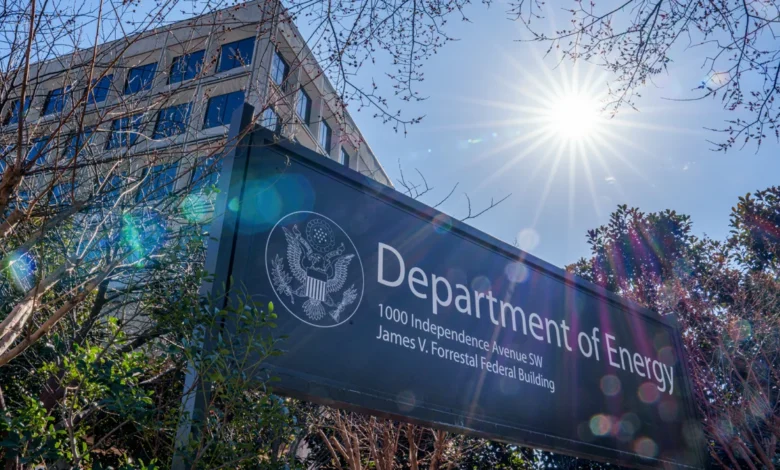
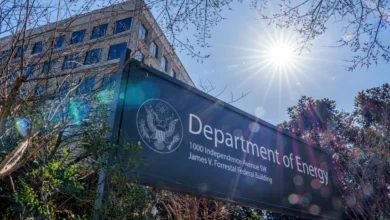
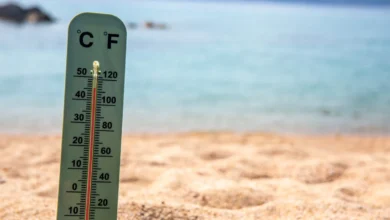
As a series of record-breaking heatwaves continues to strain the American electrical grid and threaten public health, the federal government has moved to restrict access to critical information regarding energy conservation and cost-saving measures. A comprehensive analysis conducted by researchers at the Internet Archive and subsequent investigations have revealed that the Department of Energy (DOE) has removed at least 1,662 webpages from its official site as of early July 2026. These pages, which previously served as a repository for consumer guidance on home cooling, weatherstripping, and grid protection, have gone dark at a time when utility costs are surging and temperatures are reaching lethal highs across the Sun Belt and the Northeast.
The mass deletion of these digital resources appears to coincide with a broader administrative push to dismantle federal climate regulations and "permanently end" appliance efficiency mandates. This shift in information policy has sparked significant concern among consumer advocates, environmental scientists, and grid operators, who argue that the removal of these resources leaves the public more vulnerable to both extreme weather and rising energy bills.
The Scope and Scale of Information Removal
The data regarding these deletions was compiled through a collaborative effort between the Internet Archive, a non-profit organization dedicated to preserving the history of the World Wide Web, and independent researchers. According to the analysis, the 1,662 deleted URLs were primarily housed under the DOE’s "Energy Saver" section. This section has historically functioned as a non-partisan educational tool, providing homeowners and businesses with technical advice on how to reduce their carbon footprint and, more importantly for many, how to lower their monthly expenses.
The impact of these removals is not merely symbolic. Analysis of government web traffic data from the U.S. General Services Administration (GSA) indicates that just 300 of the deleted pages had garnered more than 160,000 views in the 30 days prior to their removal. These pages included detailed instructions on sealing air leaks (weatherstripping), optimizing air conditioning settings, and selecting energy-efficient appliances. By removing these resources, the administration has effectively cut off a primary source of government-vetted information for millions of Americans seeking relief from the heat.
The deletions were not limited to general advice. Among the missing content were technical documents regarding the protection of the electrical grid during periods of peak demand. As the climate crisis intensifies, "peak shaving"—the practice of reducing electricity consumption during the hottest parts of the day—has become a vital strategy for preventing brownouts and total grid failure. The disappearance of this guidance suggests a pivot away from demand-side management in favor of a strictly supply-side energy policy.
A Chronology of Regulatory Rollbacks
The removal of the DOE webpages is not an isolated incident but rather the latest step in a multi-year effort to reshape the federal government’s approach to energy and the environment. To understand the significance of the July 2026 deletions, one must look at the timeline of administrative actions leading up to this point.
In May 2025, the Department of Energy initiated a process to repeal 47 specific regulations, the vast majority of which were centered on energy efficiency standards for common household appliances. This was followed in early 2026 by a concerted effort to eliminate the Energy Star program. Established in 1992, Energy Star is a widely recognized voluntary labeling program that helps consumers identify products that save money and protect the environment. While that specific effort was temporarily stymied by a rare display of bipartisan opposition in Congress, the administration has continued to find other avenues to undermine the program’s efficacy.
By February 2026, the Environmental Protection Agency (EPA) began its own series of rollbacks, targeting emissions standards and clean air protections. This set the stage for the DOE’s "Permanently End Green New Scam Appliance Mandates" proposal. This rule, if fully enacted, would not only freeze current efficiency standards for air conditioners, heaters, and water heaters but would also create legal hurdles preventing future administrations from updating these standards in accordance with technological advancements.
The immediate catalyst for the July deletions appears to have been a political flashpoint involving local government recommendations. In late June 2026, New York City officials suggested that residents set their thermostats to 78 degrees Fahrenheit during a severe heatwave to prevent grid overload. This recommendation, which aligns with long-standing DOE advice, was met with sharp criticism from federal officials. Within days of the ensuing media cycle, the DOE pages mirroring this advice were taken offline.
Economic Implications for American Households
The primary concern for many advocacy groups is the direct financial impact these changes will have on the American consumer. Since the 1970s, the DOE’s appliance and equipment standards program has been one of the most effective tools for lowering household costs. By requiring manufacturers to adopt more efficient technologies, the government ensured that even the most affordable appliances on the market would not become financial liabilities for low-income families.
Andrew deLaski, Executive Director of the Appliance Standards Awareness Project, notes that the success of these programs is measurable. "The strain on our electrical grid is a lot lower than it would be, and people’s utility bills are significantly lower than they would be without these standards," deLaski stated. His organization’s analysis suggests that the next round of planned efficiency updates would have saved the average American household approximately $160 per year.
For the elderly and those with chronic health conditions, the efficiency of an air conditioner is not just a matter of economics; it is a matter of survival. When appliances are inefficient, they cost more to run, leading many vulnerable individuals to turn them off during dangerous heatwaves to avoid bills they cannot pay. The removal of guidance on how to optimize these systems exacerbates this risk, effectively removing the "consumer choice" to be both safe and frugal.
The Ideological Framework: Project 2025 and Beyond
Critics and policy analysts suggest that these actions are the practical application of a broader ideological agenda often associated with "Project 2025." This initiative, championed by several conservative think tanks, calls for a radical restructuring of the federal bureaucracy, with a specific focus on gutting the DOE’s Office of Energy Efficiency and Renewable Energy (EERE).
The philosophy behind these moves is rooted in an "anti-regulatory zealotry," according to deLaski. The administration’s rhetoric often frames efficiency standards as a "mandate" that limits consumer freedom. However, Itai Vardi, a research manager at the Energy and Policy Institute, argues that the reality is the opposite. "It’s ironic that the administration and its allies talk about consumer choice as a tenet of American freedom, but they’re actually taking that away," Vardi said. "By rolling back rules and hiding helpful tips, they are forcing consumers into a market where their only options are less efficient and more expensive in the long run."
This pattern of "information scrubbing" has been observed in other departments as well. Similar deletions have been documented at the Consumer Financial Protection Bureau (CFPB) and within Department of Health and Human Services (HHS) databases regarding queer and trans youth. The removal of data that contradicts administrative priorities suggests a systemic approach to governance where the control of information is as important as the implementation of policy.
Impact on Grid Reliability and Future Infrastructure
The timing of these deletions is particularly fraught given the evolving nature of the American electrical grid. The rise of AI data centers and the continued electrification of transport have led to a significant increase in baseline electricity demand. When this is coupled with the increased frequency and intensity of heatwaves, the margin for error for grid operators becomes razor-thin.
Energy efficiency has long been described by experts as a "virtual power plant." By reducing the amount of energy needed to perform a task, efficiency reduces the need to build expensive new generating capacity. When efficiency standards are rolled back and consumer guidance is hidden, the "virtual power plant" shrinks. This necessitates a greater reliance on fossil fuel "peaker plants," which are more expensive to operate and contribute more significantly to the very warming that causes the heatwaves.
The DOE has not responded to inquiries regarding the specific timing of the deletions or whether they were directly ordered as part of the "Green New Scam" rule-making process. However, the silence from the department has only fueled concerns that the federal government is prioritizing political messaging over its mandate to ensure energy security and public safety.
Conclusion: The Long-Term Consequences of Digital Erasure
The deletion of over 1,600 webpages may seem like a minor administrative move in the digital age, where information is often thought to be permanent. However, the loss of these resources represents a significant setback for public education and consumer protection. As the United States moves further into a century defined by climatic instability and energy transition, the role of the Department of Energy as a source of reliable, fact-based information is more critical than ever.
The current trajectory suggests a future where the federal government no longer provides the tools necessary for citizens to navigate these challenges. Instead, the responsibility for energy conservation and grid protection is being shifted entirely onto the individual, even as the information required to fulfill that responsibility is being systematically removed from the public square. The long-term consequences of this shift will likely be measured in higher utility bills, more frequent grid failures, and a public that is less prepared for the realities of a warming world.