
Xl Bully Dogs Ban Scotland
XL Bully Dog Ban Scotland: Understanding the New Legislation and Its Implications
The Scottish Government has implemented a ban on XL Bully dogs, a breed that has faced increasing scrutiny and public concern in recent years. This legislative change, effective from February 23, 2024, prohibits the breeding, sale, and gifting of XL Bully dogs, with existing owners required to adhere to strict regulations regarding their pets. The ban follows a similar move in England and Wales and is driven by a perceived increase in incidents involving the breed and a desire to enhance public safety. Understanding the nuances of this legislation, its rationale, and its practical consequences for dog owners and the broader canine community in Scotland is crucial.
The decision to ban XL Bully dogs in Scotland is rooted in public safety concerns, specifically in response to a series of high-profile incidents where the breed was implicated. The Scottish Government, in conjunction with animal welfare organizations and law enforcement agencies, has assessed the risks associated with the breed and concluded that a ban is the most effective measure to mitigate these perceived dangers. This proactive approach aims to prevent future attacks and promote responsible dog ownership. The legislation is framed as a necessary step to protect the public, particularly vulnerable individuals, from the potential harm posed by dogs of this specific type.
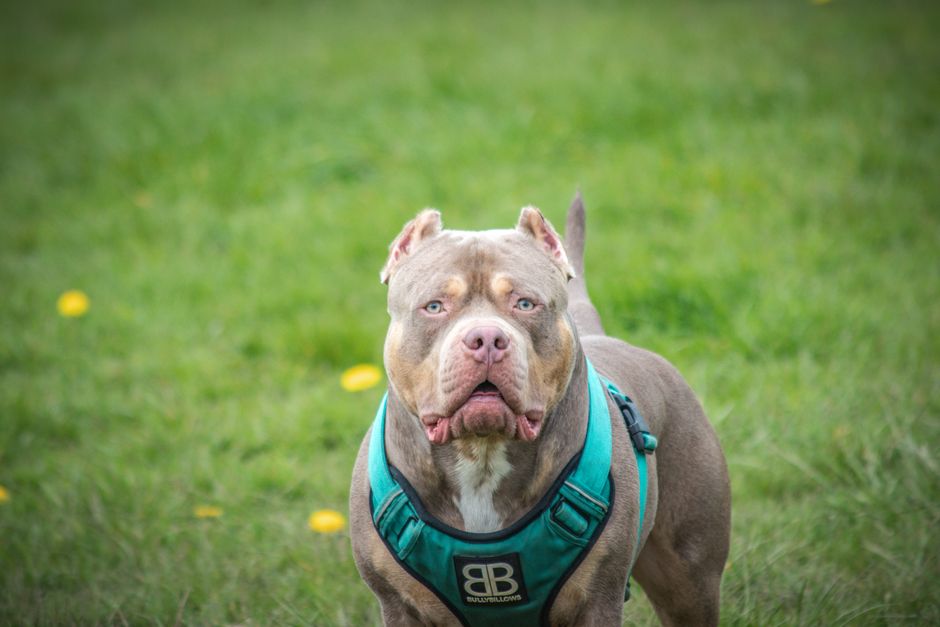
The specific criteria defining an XL Bully dog under the new legislation are of paramount importance for owners and breeders. The ban targets dogs that meet a combination of physical characteristics, including a muscular build, a broad head, a significant weight, and a specific height range. These characteristics are intended to identify dogs that are genetically bred for power and strength, irrespective of their individual temperament. The detailed description provided in the legislation serves as a definitive guide for enforcement, aiming to remove ambiguity and ensure consistent application of the ban across Scotland. This precise definition is crucial for differentiating XL Bully dogs from other bully-type breeds that may not fall under the prohibition.
For existing XL Bully owners in Scotland, the ban introduces a set of stringent requirements aimed at ensuring the safety of the public and the welfare of the dogs themselves. The most significant of these is the mandatory requirement to muzzle and leash these dogs in all public spaces. Furthermore, owners must ensure that their XL Bully dogs are kept securely within their properties, preventing any unsupervised access to the outside world. A compulsory insurance policy against accidental damage caused by the dog is also a key component of the new regulations. Finally, all existing XL Bully dogs must be microchipped, and owners are obligated to register their dogs with the relevant authorities. These measures are designed to minimize the risk of incidents and provide a framework for responsible ownership under the new legal landscape.
The process of registering an existing XL Bully dog is a critical step for owners to comply with the ban. This registration process will involve providing detailed information about the dog, including its microchip number, breed confirmation, and ownership details. The Scottish Government will likely establish a specific portal or system for this registration, ensuring a centralized and organized approach. This registration is not merely a bureaucratic formality; it is a fundamental requirement for legal ownership of an XL Bully dog in Scotland post-ban. Failure to register an existing dog will be a criminal offense, subject to penalties. The aim of registration is to provide law enforcement with a clear record of all XL Bully dogs present in Scotland, allowing for effective monitoring and enforcement of the ban.
The implications of the XL Bully ban on breeders and the future availability of this type of dog in Scotland are profound. The legislation explicitly prohibits the breeding, sale, and gifting of XL Bully dogs. This means that any dog that meets the defined characteristics of an XL Bully is now illegal to reproduce or transfer ownership of within Scotland. For breeders who have previously focused on this type of dog, this effectively ends their operations in relation to XL Bullies. The market for new XL Bully puppies in Scotland will cease to exist. This measure is intended to permanently reduce the population of XL Bully dogs within the country over time, as existing dogs age and eventually pass away.
The Scottish Government’s rationale for implementing this ban centers on public safety and the perceived inherent risks associated with XL Bully dogs. While individual dog temperament is often cited as a crucial factor in dog behavior, the legislative approach adopted in Scotland focuses on breed-specific characteristics and the potential for harm. The government has indicated that this decision is based on evidence and a desire to address public anxiety surrounding the breed. This perspective emphasizes the precautionary principle, where proactive measures are taken to prevent potential harm, even if that harm is not a certainty in every case. The ban is presented as a necessary intervention to protect the community.
The financial and emotional impact on existing XL Bully owners in Scotland cannot be understated. The cost of complying with the new regulations, including mandatory insurance, muzzling, and secure containment, can be substantial. For owners who have a deep bond with their XL Bully dogs, the prospect of potential euthanasia or forced rehoming due to an inability to meet the new requirements can be emotionally devastating. The legislation does not explicitly mandate euthanasia for existing XL Bullies, but it places significant burdens on owners. This is a sensitive area, and many owners express concern about the welfare of their pets and the fairness of the legislation. Support services and guidance for owners facing these challenges will be critical.
The role of animal welfare organizations in the context of the XL Bully ban in Scotland is multifaceted. Many organizations have expressed concerns about the welfare of XL Bully dogs affected by the ban, particularly regarding the potential for dogs to be surrendered or euthanized. They advocate for responsible implementation of the legislation, emphasizing the importance of behavioral assessments and humane alternatives where possible. While some welfare groups may have reservations about breed-specific bans, they are also involved in providing advice and support to owners to help them comply with the new regulations. Their input is crucial in ensuring that animal welfare remains a consideration throughout the transition period.
The enforcement of the XL Bully ban in Scotland will be a significant undertaking for law enforcement agencies. Police officers and animal welfare inspectors will be responsible for identifying XL Bully dogs, ensuring compliance with registration, muzzling, and leashing requirements, and investigating any breaches of the legislation. This will require clear guidelines, training, and resources to ensure consistent and effective enforcement across the country. The identification of XL Bully dogs can be challenging, as physical characteristics can sometimes overlap with other breeds. Therefore, robust training and clear identification protocols will be essential for successful enforcement.
The debate surrounding breed-specific legislation, including the XL Bully ban, is complex and often contentious. Opponents of such bans argue that they unfairly target certain breeds, penalizing responsible owners for the actions of a few. They advocate for a focus on responsible dog ownership, education, and stricter enforcement of existing dangerous dog laws that consider individual dog behavior rather than breed. Proponents, however, maintain that certain breeds possess inherent traits that make them more dangerous, and a ban is a necessary public safety measure. The Scottish XL Bully ban falls within this broader discussion, reflecting differing viewpoints on how best to address dog-related safety concerns.
The long-term outlook for XL Bully dogs in Scotland following the ban is uncertain. The intention of the legislation is to phase out the breed over time. However, the practicalities of this phase-out and the potential for unintended consequences remain subjects of discussion. The ban highlights the ongoing societal challenge of balancing public safety with animal welfare and the rights of responsible pet owners. The effectiveness of the ban in achieving its stated goals will be a subject of ongoing evaluation and debate in the years to come. Scotland’s approach to this issue provides a case study for other jurisdictions considering similar measures.
