
On The Border In Eagle Pass Texas
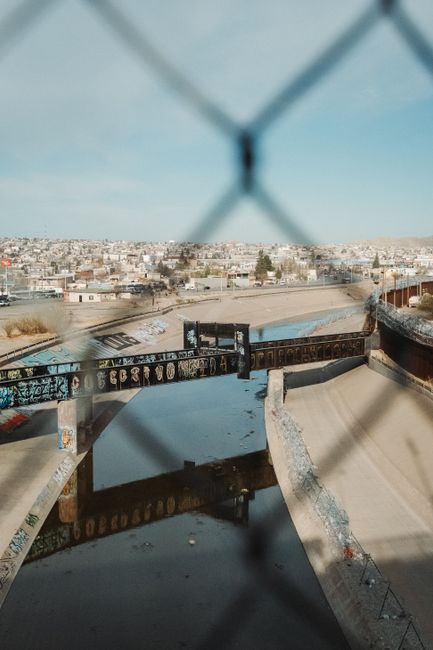
Eagle Pass, Texas: A Frontier of Shifting Realities and Enduring Resilience.
Eagle Pass, Texas, a city etched into the southwestern corner of the Lone Star State, exists in a perpetual state of dynamic flux, defined by its unique position on the U.S.-Mexico border. More than just a geographic marker, this border is a complex tapestry woven with threads of commerce, culture, humanitarian concerns, and national security. Understanding Eagle Pass necessitates an exploration of its multifaceted identity, a city that grapples daily with the profound implications of its proximity to a neighboring nation, a dynamic that shapes its economy, its social fabric, and its very spirit. The Rio Grande, often portrayed as a mere physical boundary, here transforms into a vital artery of life, trade, and, at times, tension.
The economic engine of Eagle Pass is intrinsically linked to its border status. International trade is not merely a sector; it is the bedrock of the city’s prosperity. The Port of Eagle Pass is one of the busiest land ports of entry in the United States, facilitating the southbound and northbound movement of billions of dollars in goods annually. This constant flow of commerce creates a significant demand for logistics, warehousing, and transportation services. Local businesses thrive on the economic activity generated by cross-border trade, from truck stops and border crossing services to import/export firms and customs brokers. The maquiladora industry on the Mexican side, with factories producing goods for export to the U.S., directly fuels employment and economic interdependence. This economic symbiosis, while beneficial, also highlights the city’s vulnerability to shifts in trade policy, economic conditions in Mexico, and global supply chain disruptions. The stability and growth of Eagle Pass are therefore inextricably tied to the health and fluidity of this international economic relationship.
Beyond formal commerce, informal economies and cross-border shopping play a crucial role in the daily life and economic vitality of Eagle Pass. Residents from both sides of the border engage in regular shopping excursions, with many Mexican citizens crossing into Eagle Pass to purchase goods not readily available or more affordably priced in their home country. This influx of consumers supports a diverse retail landscape, from large chain stores to smaller, independent businesses. Conversely, U.S. residents often travel south for consumer goods and services, contributing to a circular flow of economic activity. This intricate network of exchange fosters a unique commercial environment where businesses must cater to a bicultural clientele, influencing product selection, pricing strategies, and marketing efforts. The constant ebb and flow of shoppers across the border are a tangible manifestation of the interconnectedness that defines life in this border region.
However, the defining characteristic of Eagle Pass, and the aspect that most prominently shapes its narrative, is its role as a focal point for migration. The city is a major crossing point for individuals seeking to enter the United States, a reality that presents immense humanitarian challenges and strains local resources. The constant arrival of migrants, many fleeing violence, poverty, and political instability in their home countries, necessitates a robust and often overwhelmed response from federal, state, and local agencies. Shelters, processing centers, and humanitarian aid organizations work tirelessly to provide basic necessities, medical care, and legal assistance to those arriving. The sheer volume of arrivals can strain local infrastructure, including healthcare facilities, schools, and social services, creating a continuous cycle of demand that stretches the capacity of the community.
The presence of large numbers of migrants has also intensified discussions and deployments surrounding border security. Eagle Pass has become a heavily militarized zone, with a significant presence of U.S. Customs and Border Protection (CBP) agents, U.S. Border Patrol, and National Guard units. This increased security presence is aimed at deterring illegal crossings, interdicting illicit activities such as drug and human smuggling, and maintaining order. However, this heightened security can also impact the daily lives of residents, with increased checkpoints, surveillance, and a general atmosphere of heightened vigilance. The juxtaposition of a bustling port of entry and a heavily secured border creates a palpable tension, a constant reminder of the complexities of national sovereignty and humanitarian responsibility.
The humanitarian aspect of migration in Eagle Pass cannot be overstated. The individuals arriving are not abstract statistics; they are families, children, and individuals with stories of hardship and hope. Local faith-based organizations, non-profits, and volunteer groups play an indispensable role in providing immediate relief and support. These efforts range from offering food and water to providing temporary shelter and connecting migrants with legal resources. The dedication of these individuals and organizations highlights the compassionate spirit of the Eagle Pass community, which often steps up to fill the gaps where formal resources are stretched thin. The ongoing challenges require sustained philanthropic and governmental support to ensure the well-being of vulnerable populations.
The cultural landscape of Eagle Pass is a rich fusion of American and Mexican influences, a direct byproduct of its border location. Spanish is widely spoken, and the city boasts a vibrant cultural scene that reflects this dual heritage. Mexican traditions, music, food, and festivals are deeply ingrained in the community’s identity. Local cuisine is a delicious blend of Tex-Mex and authentic Mexican flavors, offering a culinary journey that is both familiar and distinct. Public art, community events, and local celebrations often showcase this biculturalism, fostering a sense of pride and shared identity among residents. This cultural richness is a significant asset, contributing to the city’s unique character and offering a welcoming environment for those who engage with its traditions.
The historical significance of Eagle Pass is also tied to its border position. Founded in the mid-19th century, it quickly became an important frontier outpost and a strategic crossing point. Its history is intertwined with the broader narrative of westward expansion, the Texas Revolution, and the complex relationship between the United States and Mexico. Throughout its existence, Eagle Pass has served as a gateway, a point of encounter, and a place where cultures have mingled and transformed. Understanding this historical context provides a deeper appreciation for the enduring resilience and adaptability of the city and its inhabitants.
The challenges posed by migration and border security have also led to increased political and media attention on Eagle Pass. The city often finds itself at the center of national debates surrounding immigration policy, border control, and humanitarian aid. This spotlight can bring both scrutiny and opportunities for dialogue and resource allocation. While the constant media attention can sometimes paint a simplistic or sensationalized picture of the situation, it also underscores the critical importance of addressing the root causes of migration and finding sustainable solutions. The international implications of the border situation are significant, making Eagle Pass a crucial case study in global migration patterns and border management strategies.
The economic impact of migration extends beyond the immediate humanitarian response. The presence of migrants, both documented and undocumented, can influence labor markets, particularly in sectors like agriculture and construction. Local businesses often rely on migrant labor, creating a complex dynamic that requires careful consideration of labor rights and economic fairness. The debate over the economic contributions and costs associated with migration is a recurring theme in discussions about border communities like Eagle Pass.
Furthermore, the environmental implications of the border region are also noteworthy. The Rio Grande, a vital water source for both nations, faces challenges related to water management, pollution, and the ecological impact of border infrastructure. Sustainable practices and international cooperation are essential to preserve the delicate ecosystem of this arid region, ensuring its health for future generations. The border itself, with its dense shrubbery and challenging terrain, presents unique environmental considerations that influence border patrol operations and conservation efforts.
The personal experiences of individuals living in Eagle Pass are as varied as the city’s diverse population. For some, the border represents a source of economic opportunity and cultural richness. For others, it is a constant reminder of security concerns and humanitarian crises. The daily lives of residents are shaped by the proximity to Mexico, influencing everything from traffic patterns and local news to family connections and cultural understanding. The resilience of the Eagle Pass community is evident in its ability to navigate these complex realities with a blend of pragmatism, compassion, and a deep sense of place.
Looking forward, the future of Eagle Pass will undoubtedly continue to be shaped by its border identity. Sustainable economic development strategies that leverage its unique position while mitigating its vulnerabilities will be crucial. Continued investment in humanitarian aid and resources for migrants is essential, alongside efforts to address the root causes of migration in origin countries. Effective and humane border management policies that balance security with humanitarian concerns will remain a paramount challenge. The ongoing dialogue and collaboration between the United States and Mexico will be instrumental in finding long-term solutions that benefit both nations and the communities along the border. Eagle Pass stands as a testament to the enduring human spirit and the complex realities of a world increasingly defined by interconnectedness and shared challenges.
