Stanley Tucci Searching for Italy Season Two Restaurant Guide and Culinary Journey through Liguria Puglia Sardinia and Calabria

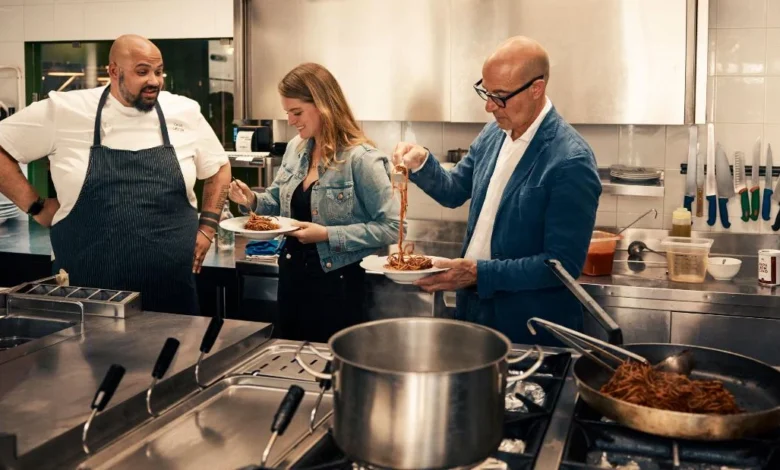
The critically acclaimed travel and food series Stanley Tucci: Searching for Italy has returned for its second season, offering a deep dive into the gastronomic traditions of the Italian peninsula. Following the success of the inaugural season, which saw the Academy Award-nominated actor traverse the culinary landscapes of Rome, Naples, and Florence, the second installment focuses on the diverse regional identities of Liguria, Puglia, Sardinia, and Calabria. This guide serves as a comprehensive record of the establishments visited by Tucci, ranging from humble street-side bakeries to Michelin-starred destination restaurants, while providing historical context and cultural analysis of the regions featured.
The Italian Riviera: Ligurian Innovation and Tradition
The journey begins in Liguria, a crescent-shaped region in Northwest Italy known globally as the Italian Riviera. Characterized by steep cliffs and the sparkling Tyrrhenian Sea, the harshness of the vertical landscape has historically forced Ligurians to be inventive. This necessity birthed one of Italy’s most famous exports: pesto.
Portofino and the Michelin Standard
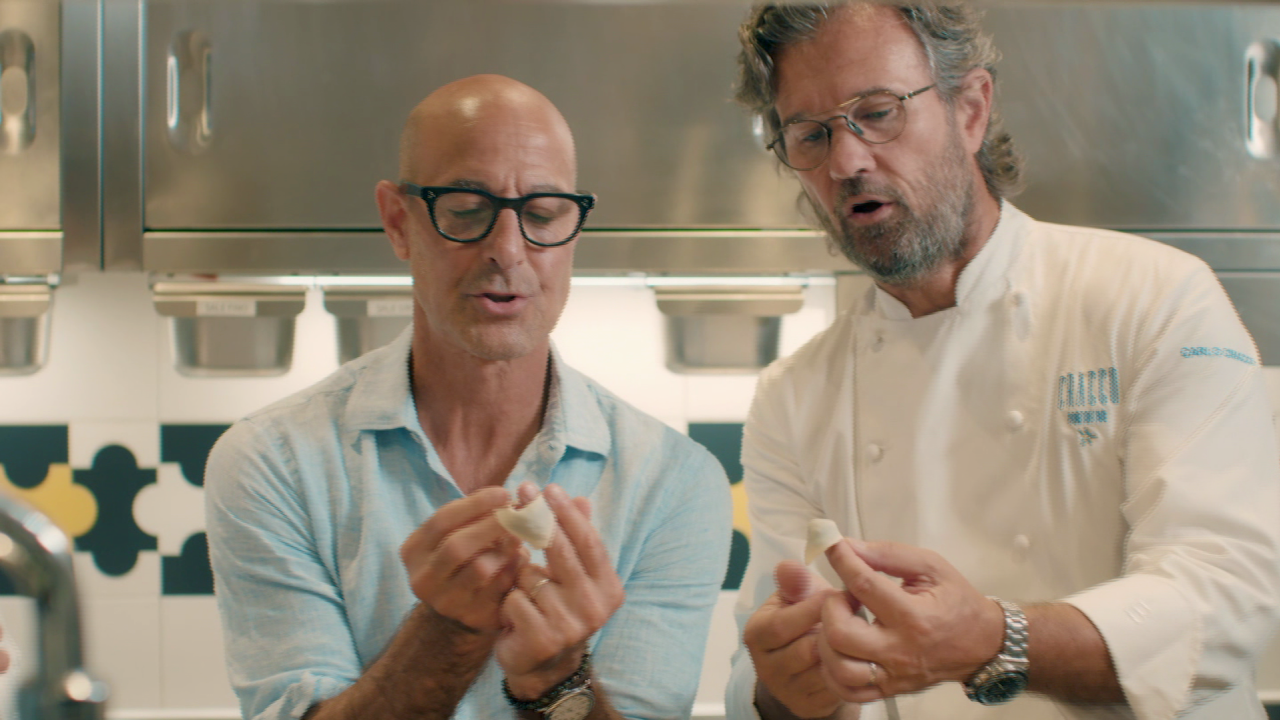
In the glamorous enclave of Portofino, Tucci visited Cracco Portofino, helmed by Carlo Cracco, one of Italy’s most prominent Michelin-starred chefs. Cracco’s menu is a testament to the region’s biodiversity. He prepared pansotti, a triangular ravioli-like pasta, filled with preboggion—a traditional mixture of wild herbs and greens foraged from the Ligurian hills. The dish was finished with a creamy walnut sauce, a staple that predates the widespread use of tomato in the region.
The Pesto Heritage of Genoa
In the regional capital of Genoa, the focus shifted to the city’s most famous sauce. Tucci met with Roberto Panizza at Il Genovese. Panizza, often referred to as the "King of Pesto" and the founder of the Pesto World Championship, demonstrated the traditional method of crushing basil, pine nuts, garlic, and cheese in an ancient marble mortar. The resulting pasta dish, augmented with green beans and potatoes, showcases the "cucina povera" (peasant cooking) roots of the region, where vegetables were used to stretch more expensive ingredients.
Street Food and Historic Palazzos
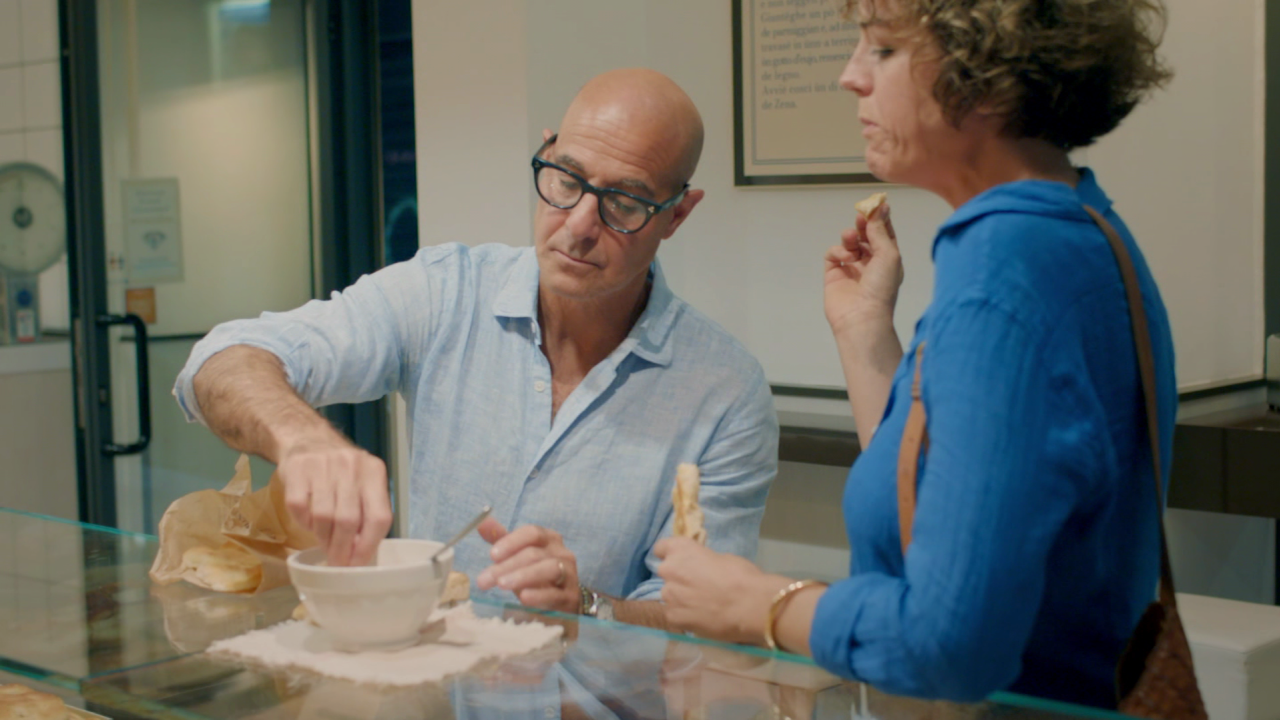
Liguria’s street food culture was highlighted through a visit to Antico Forno della Casana, where Tucci sampled authentic Genoese focaccia. According to local custom, the bread is often eaten "upside down" to ensure the salt crystals immediately hit the palate.
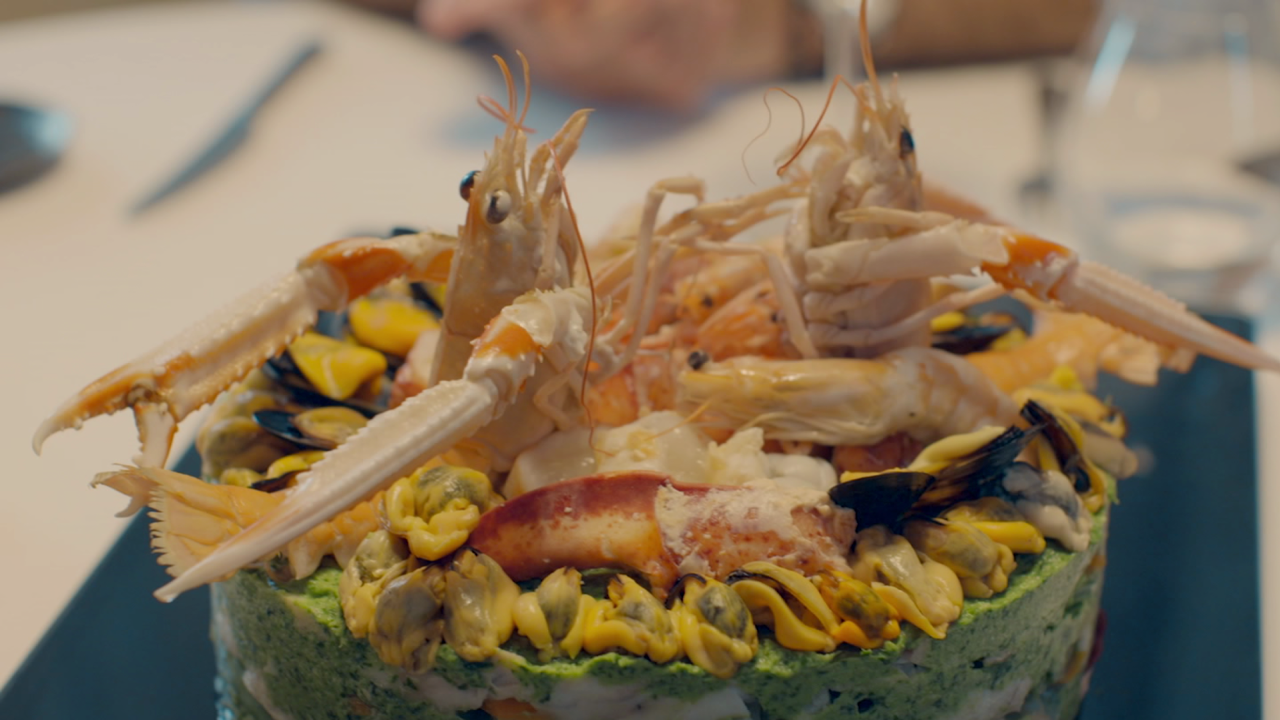
The exploration of Genoa continued at The Cook, a restaurant situated within a 14th-century palazzo. Chef Ivano Ricchebono served corzetti—pasta stamped with decorative patterns—and cappon magro. The latter is an elaborate, pyramid-shaped salad of seafood and vegetables that originated as a fast-day meal for the wealthy but has evolved into a showcase of maritime abundance.
Puglia: The Rising Gastronomic Heart of the South
Puglia, the "heel" of Italy’s boot, has historically been one of the nation’s poorest regions. However, it is currently experiencing a culinary renaissance, driven by its production of 40% of Italy’s olive oil and its high-quality durum wheat.
The Bold Flavors of Bari and Matera
In Bari, Tucci encountered the provocative "spaghetti all’assassina" (assassin’s pasta) at Urban Bistrot. Chef Celso Laforgia utilizes a unique technique where dry pasta is charred in a pan with olive oil and spicy tomato broth, bypassing the traditional boiling process. The result is a smoky, crunchy, and intensely spicy dish that challenges conventional Italian pasta norms.
The journey then moved toward the border of Basilicata to the ancient city of Matera. Here, Ristorante Vitantonio Lombardo, located within a restored cave (Sassi), represents the pinnacle of modern Apulian cuisine. Chef Lombardo, a Michelin-starred visionary, served Tucci "Poverty and Nobility," a dish featuring veal filet and sweetbreads coated in black breadcrumbs to mimic the appearance of a truffle, symbolizing the region’s movement from scarcity to luxury.
Agricultural Staples and Artisan Cheese
The importance of the fava bean and orecchiette was explored at Antichi Sapori in Montegrosso. Chef Pietro Zito’s signature dish—burnt grain orecchiette with fava bean cream and burrata—highlights the region’s reliance on simple, earthy ingredients.
In terms of dairy innovation, Tucci visited Caseificio Dicecca, where cheesemaker Vito Dicecca has developed over 60 varieties of blue cheese using Apulian milk. This represents a significant departure from the region’s traditional fresh cheeses like mozzarella and burrata, signaling a new era of artisanal experimentation.
Sardinia: An Island of Ancient Isolation
Sardinia remains the most remote region of Italy, both geographically and culturally. Its cuisine is an archaeological record of the various civilizations—Phoenician, Roman, and Spanish—that have occupied the island over millennia.
Sustainable Seafood and North African Influence
At Fradis Minoris, a restaurant located on a lagoon in Pula, Tucci explored the island’s commitment to sustainability. The establishment holds a Michelin Green Star, recognizing its ecological practices. Chef Francesco Stara prepared fregola ai frutti di mare, using a toasted, pebble-like pasta that bears a striking resemblance to North African couscous, a nod to the island’s historical trade links with the Maghreb.
The Tuna King and Spanish Heritage
In the town of Carloforte, Tucci met Luigi Pomata, widely considered the "King of Tuna." Pomata specializes in bluefin tuna, which is harvested during the "tonnara" (traditional tuna run). He served cassulli alla carlofortina, a dish that combines fresh tuna belly with pesto, reflecting the Genoese roots of the town’s inhabitants.
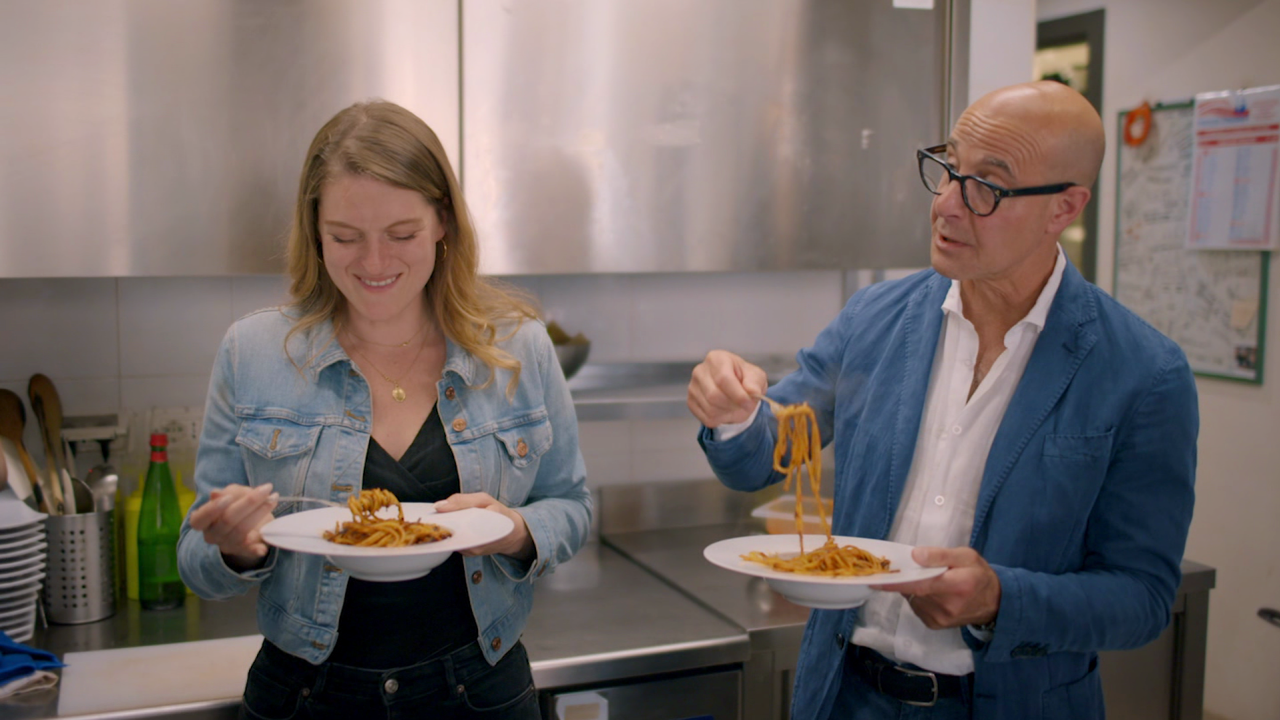
The Spanish influence on Sardinia was highlighted in Alghero, often called "Barceloneta" due to its Catalan history. At the bakery Al Forno, Tucci sampled panada, a savory meat pie that is a direct descendant of the Spanish empanada. Additionally, at Mabrouk, chef Antonietta Salaris prepared lobster a la Catalana, a dish so renowned that it was reportedly requested by Queen Elizabeth II for her wedding banquet.
Calabria: An Ancestral Homecoming
For Stanley Tucci, the visit to Calabria was deeply personal, as it is his ancestral homeland. Calabria, the "toe" of Italy, is a rugged territory known for its intense flavors, particularly its sweet red onions and spicy chili peppers.
The Bread of Wheat Valley
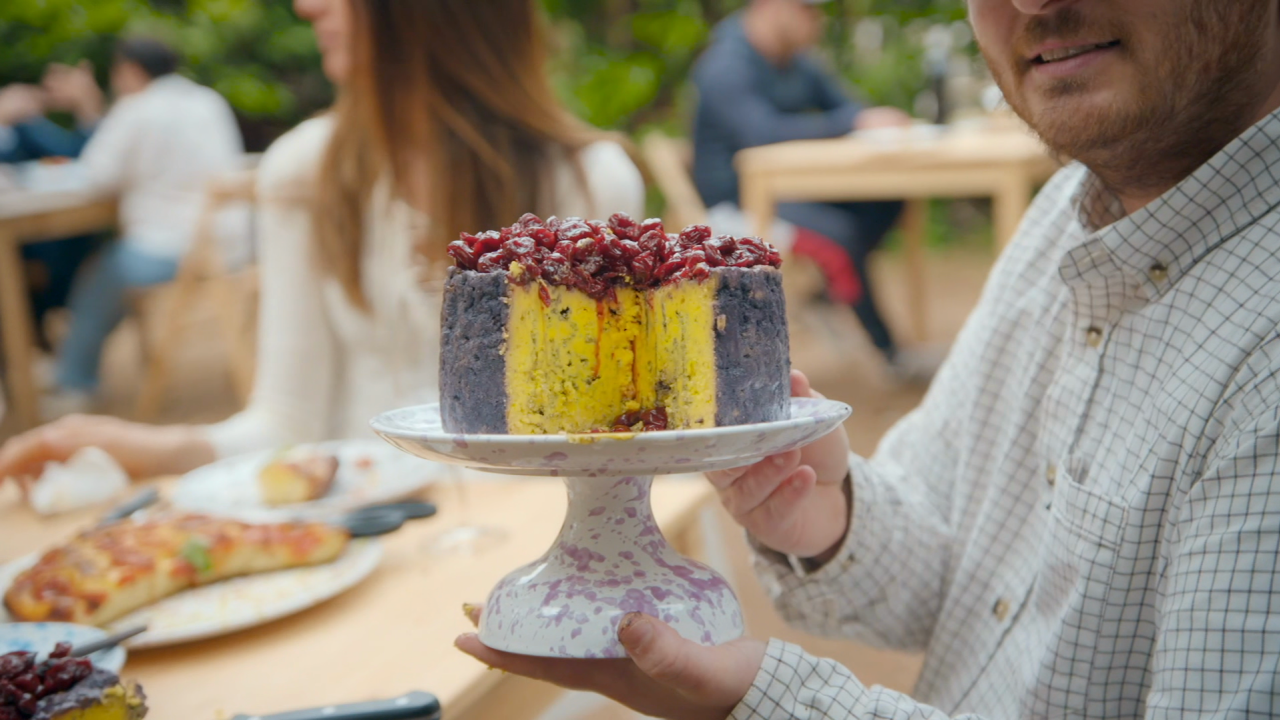
The journey began in the village of Marzi at Panificio Cuti. Baker Pina Olivetti continues a century-old sourdough tradition, producing pane de cuti. She also prepared morsello, a portable bread bowl filled with sausage and broccoli rabe, which served as a historic lunch for local farmers and hunters.
The Jewels of the Coast and Mountains
In the seaside town of Tropea, the focus was on the "cipolla rossa," or sweet red onion. At Osteria della Cipolla Rossa, Michele Pugliese demonstrated the simplicity of red onion spaghetti, where the ingredient’s natural sugar content eliminates the need for complex seasonings.
The exploration of Calabrian proteins led Tucci to Scilla, where swordfish is the primary catch. At Il Principe di Scilla, owner Johnny Giordano served scialiatelli alla ghiotta, a swordfish ragu that showcases the region’s mastery of maritime ingredients.
Finally, the series touched upon the resilience of Calabrian traditions in the face of modern challenges. At Qafiz, tucked away in the Aspromonte mountains, Chef Nino Rossi served a dessert titled "Fire," inspired by the 2021 wildfires. The dish, featuring charcoal-flavored meringue and white chocolate, serves as a poignant reminder of the cycle of destruction and rebirth inherent in the Calabrian landscape.
Analysis: The "Tucci Effect" and Culinary Tourism
The second season of Searching for Italy does more than just document recipes; it serves as a powerful catalyst for regional tourism. Since the show’s debut, the featured establishments have reported a significant surge in international bookings, a phenomenon dubbed the "Tucci Effect."
Data from Italian tourism boards suggests that interest in secondary and tertiary regions—such as Puglia and Calabria—has grown by double digits as travelers seek authentic, food-centric experiences beyond the traditional hubs of Venice and Rome. By highlighting the "cucina povera" origins of these dishes, the series reinforces the value of local, seasonal, and sustainable eating, aligning with global trends in the hospitality industry.
Furthermore, the show provides a platform for chefs who are working to preserve ancient techniques while integrating modern culinary science. Whether it is the hand-crushed pesto of Liguria or the clay-baked lamb of Calabria, these practices represent an intangible cultural heritage that the show successfully brings to a global audience. As the series concludes its look at these four distinct regions, it leaves a lasting impression of Italy as a country not of a single cuisine, but of a thousand diverse and deeply rooted culinary stories.