Luxury Ritz-Carlton’s superyacht embarks on maiden cruise as the hospitality giant officially enters the high-end maritime sector.

The hospitality industry reached a new milestone on October 15, 2022, as the Ritz-Carlton Yacht Collection officially launched its inaugural vessel, the Evrima. After more than three years of delays that tested the patience of both stakeholders and prospective travelers, the 190-meter superyacht departed from Barcelona, Spain, setting a course for Nice, France. This maiden voyage represents the culmination of a bold diversification strategy for Marriott International, the parent company of the Ritz-Carlton brand, as it seeks to translate the "Gold Standard" of luxury hotel service into an immersive, mobile maritime experience.
A Timeline of Ambition and Obstacles
The journey to the Evrima’s first departure was far from straightforward. When the concept was first unveiled in 2017, the Ritz-Carlton Yacht Collection was positioned as a revolutionary hybrid, blending the personalized service of an ultra-luxury resort with the intimate, adventurous nature of private yachting. Initial projections aimed for a 2019 launch, a timeline that would prove overly optimistic when faced with a cascade of global disruptions.
The project faced significant headwinds starting in early 2020, as the COVID-19 pandemic paralyzed international travel and crippled global supply chains. Shipyards, which require highly specialized labor and a precise flow of materials, were forced to navigate lockdowns, labor shortages, and logistical bottlenecks. These delays were compounded by the complexities of building a custom-designed vessel to the rigorous safety and luxury specifications required by the Ritz-Carlton brand. Following several missed target dates and rescheduled launch windows, the successful deployment of the Evrima serves as a pivotal moment for the brand’s credibility, proving that the logistical hurdles have finally been overcome.
Design, Amenities, and the Guest Experience
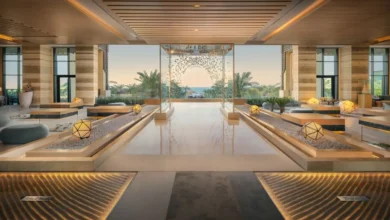
The Evrima—a name derived from the Greek word for "discovery"—is designed to host a maximum of 298 passengers across 149 suites. Unlike the sprawling, multi-thousand-passenger cruise liners that dominate the industry, the Evrima emphasizes exclusivity and space. The vessel’s design philosophy prioritizes the "residential" feel of a luxury hotel, with every cabin featuring a private terrace and floor-to-ceiling windows to maximize ocean views.
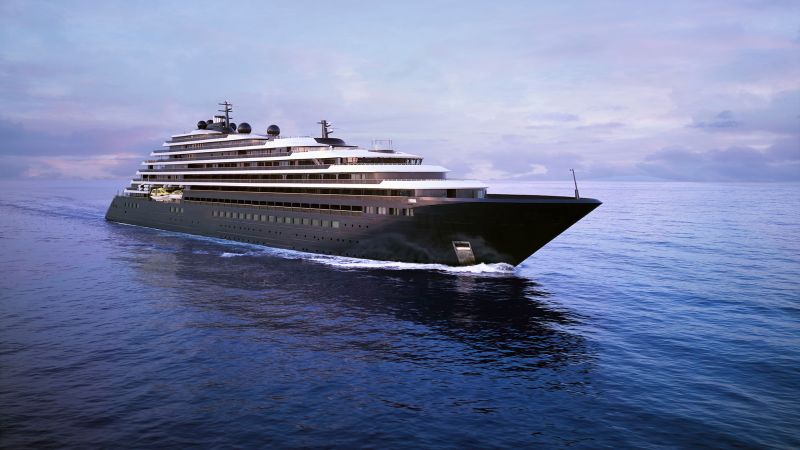
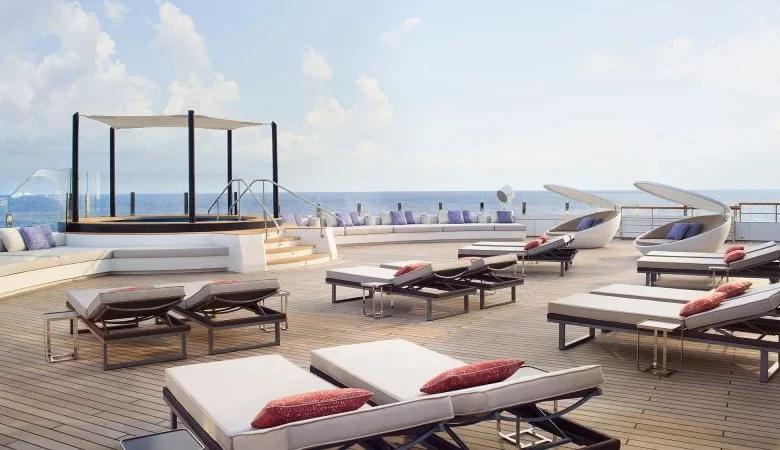
The amenities onboard are engineered to compete with land-based, five-star resorts. Guests have access to a sophisticated wine vault, an infinity pool, a comprehensive Ritz-Carlton Spa, and an onboard nightclub. Perhaps the most distinct feature is the "marina"—a retractable platform at the stern of the ship that allows guests direct access to the water, facilitating activities such as paddleboarding, kayaking, and sailing, which are rarely available on larger commercial ships.
The service ratio is a critical component of the value proposition. By maintaining one of the highest staff-to-guest ratios in the industry, the company aims to deliver a level of hyper-personalized service that mirrors the experience found in their brick-and-mortar properties. The inclusion of a dedicated children’s facility, with programs tailored for ages four to 12, also suggests a push to attract affluent families who prioritize convenience and high-end engagement.
Economic Context and Market Positioning
The entry of Ritz-Carlton into the yachting sector is a calculated play for the "ultra-high-net-worth" traveler. With entry-level rates for a one-week Mediterranean voyage starting at $6,400 per person and Caribbean itineraries beginning at $5,100 per person, the brand is clearly targeting a demographic that values privacy and curated experiences over traditional mass-market cruising.
The financial model of the Ritz-Carlton Yacht Collection extends beyond individual ticket sales. The company has confirmed that all three of its planned superyachts—the Evrima, and the upcoming Ilma and Luminara—will be available for private charter. While the specific costs of these charters remain confidential, industry analysts suggest that the premium for renting a vessel of this caliber would be substantial, likely appealing to corporate entities for retreats or high-net-worth individuals for private celebrations.
Construction for the subsequent vessels, the Ilma and Luminara, is currently underway at the Chantiers de l’Atlantique shipyard in Saint-Nazaire, France. These vessels are expected to further solidify the company’s presence in the sector, offering larger capacities and updated amenities, signaling a long-term commitment to the maritime space.

Industry Implications and Future Outlook
The launch of the Evrima comes at a time of significant shift within the luxury travel market. Following the pandemic, there has been a marked increase in demand for "slow travel" and smaller-scale, more intimate vacation experiences. This trend has not gone unnoticed by other luxury players. In a move that highlights the competitive intensity of this emerging niche, the Four Seasons hotel group recently announced its own foray into the cruise market.
Scheduled to enter service in late 2025, the Four Seasons vessel is set to be a 14-deck, 207-meter-long superyacht featuring 95 expansive suites. The direct entry of these two hospitality titans into the luxury yachting sector suggests that the traditional boundaries between land-based luxury and sea-based travel are blurring.
For the travel industry, these developments represent a fundamental pivot. The goal is no longer just to transport guests from one destination to another, but to provide a seamless continuity of luxury. By integrating their own proprietary staff training, culinary programs, and brand aesthetics into the yachting experience, firms like Ritz-Carlton and Four Seasons are effectively creating a new asset class: the "floating hotel."
A Strategic Vision for the Future
As the Evrima continues its operations, the primary challenge for the Ritz-Carlton Yacht Collection will be maintaining the consistency of its brand promise across varying global itineraries. The vessel is slated to visit a diverse range of ports, from the Mediterranean to the Caribbean, and eventually reaching Central and South America. Coordinating high-end shore excursions and maintaining the "Gold Standard" of service in remote locations will be the true test of the brand’s operational capabilities.
Douglas Prothero, the chief executive officer of the Ritz-Carlton Yacht Collection, emphasized this ambition during the launch, stating that the project is "creating an entirely unique category designed for those in search of unmatched getaways, highly curated itineraries, insider access and a level of personalization previously unseen in the space."

Chris Gabaldon, senior vice president for luxury brands at Marriott International, echoed this sentiment, describing the launch as the beginning of an "exciting new chapter" for the brand. The rhetoric from leadership reflects a broader organizational confidence: the belief that the Ritz-Carlton brand equity is sufficiently strong to survive the transition from land to sea.
In conclusion, the maiden voyage of the Evrima is more than just the debut of a ship; it is the manifestation of a long-term strategic evolution for the luxury hospitality sector. As global travel continues to recover and evolve, the success of this venture will likely dictate whether other luxury hotel brands attempt to follow suit, or if this segment remains an exclusive domain for the most established names in hospitality. For now, the Evrima sails as a test case for a new, highly competitive, and ultra-luxurious frontier of global tourism.