SeaTac Halts Construction at Seattle-Tacoma International Airport in High-Stakes Financial Dispute

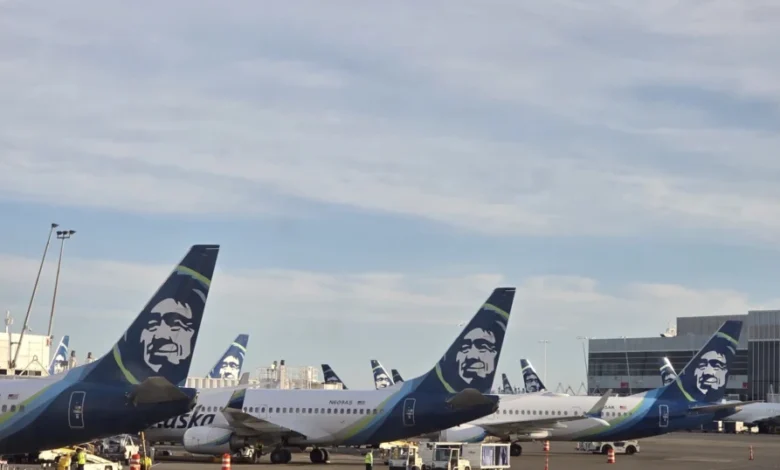
In a dramatic late-night maneuver that has sent shockwaves through the regional aviation industry, the city of SeaTac, Washington, moved to freeze all new construction permits at Seattle-Tacoma International Airport (SEA) for a period of six months. The ordinance, passed by the City Council at approximately 10:45 p.m. last Tuesday, effectively halts development projects across the airport campus, threatening to derail everything from major terminal expansions to minor interior improvements, including the highly anticipated Chase Sapphire Lounge.
This legislative blockade places the city, which serves as the host municipality for the airport’s 3,000-acre footprint, in direct confrontation with the Port of Seattle. The Port, which operates the facility, contends that it received virtually no notice of the vote and is already signaling that it is prepared to seek legal intervention to protect its operational autonomy and federal mandates.

A Legislative Freeze on Infrastructure
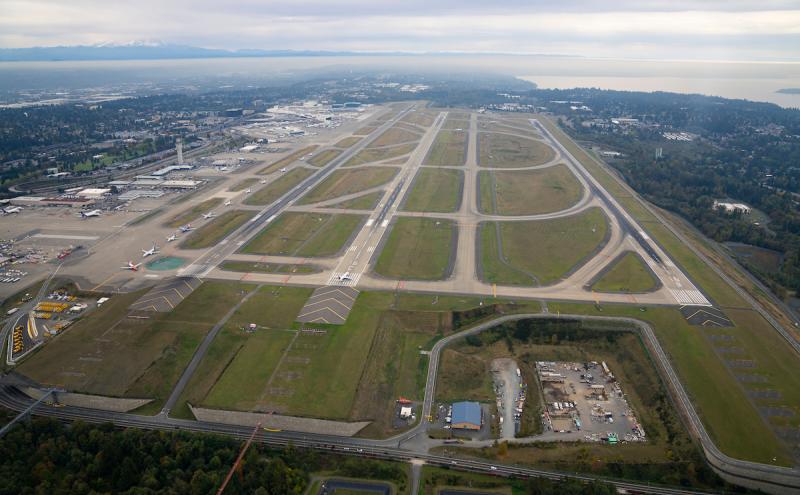
The ordinance is written with broad, sweeping language that prevents both the city and the Port of Seattle from accepting new permit applications for building, expanding, or modifying any airport-related facility until May 24, 2027. While projects that already hold existing permits are allowed to continue, the freeze creates an immediate bottleneck for the airport’s broader Sustainable Airport Master Plan (SAMP).
Excluded from the freeze are emergency repairs required to address immediate threats to life or public safety. However, the threshold for what constitutes an "immediate threat" remains a point of contention. The City Council has scheduled a public hearing for January 12, roughly seven weeks after the moratorium took effect, to discuss the scope and potential extension of these restrictions.
The timing of the vote appears calculated. The Port of Seattle has been working toward the completion of its state-level environmental review by the end of the calendar year. By filing complete permit applications, the Port would traditionally be able to "lock in" existing development rules. The moratorium effectively pulls the rug out from under this process, granting the city a strategic window of opportunity to force renegotiations on development terms.
Context and Chronology of the Dispute
The friction between SeaTac and the Port is not a new phenomenon, but it has reached a fever pitch in recent months. The relationship between the two entities is governed by an interlocal agreement that expires in 2028. For years, the Port has paid approximately $1.4 million annually to the city to cover public safety and administrative costs.
- 2018: The current interlocal agreement is signed, with the Port of Seattle assuming the role of the city’s agent for building permits on airport property.
- April 2026: The SeaTac City Council establishes a formal committee to negotiate the terms of a new agreement, signaling a desire for increased funding.
- August 2026: SeaTac and neighboring municipalities submit environmental comments regarding the airport’s growth, formally requesting compensation for lost tax revenue from airport-owned employee parking lots.
- October 27, 2026: The Port Commission approves a 15-year lease for a 16,000-square-foot Chase Sapphire Lounge, a project now caught in the crosshairs of the construction freeze.
- November 24, 2026: The city council effectively freezes new permitting, triggering the current standoff.
Mayor Mohamed Egal and members of the City Council have framed the moratorium as a necessary measure to ensure that the airport’s growth does not come at the expense of the city’s residents. They have cited concerns regarding noise pollution, air quality, and the strain on local infrastructure caused by increased traffic. SeaTac, alongside the neighboring cities of Burien and Tukwila, has already filed legal challenges against the Federal Aviation Administration (FAA) regarding the environmental impact of the airport’s long-term expansion plans.
The Impact on Passenger Amenities
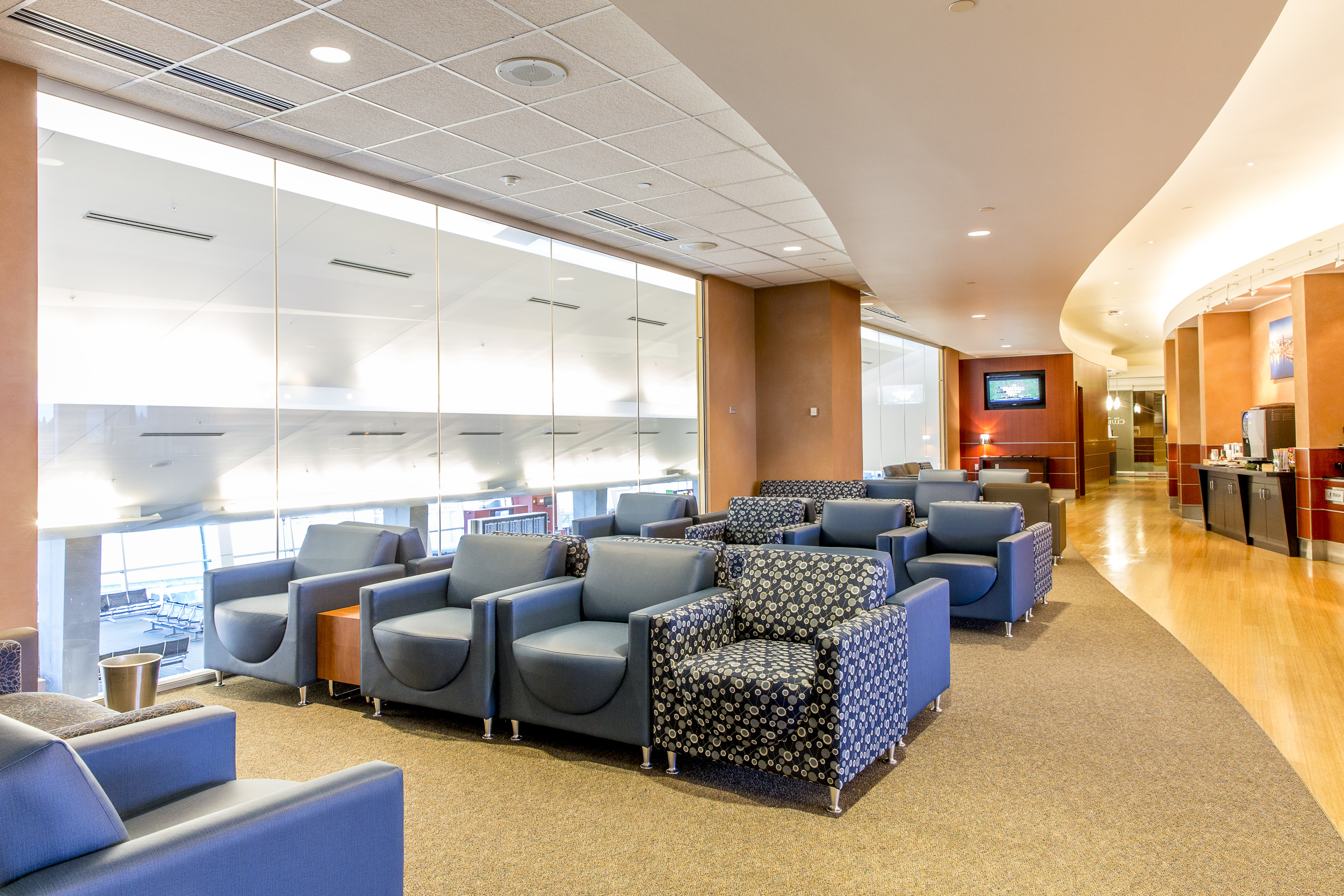
The freeze creates a precarious situation for several high-profile projects. The Chase Sapphire Lounge, approved in late October, was expected to generate roughly $7.9 million annually for the Port. The construction timeline for this lounge, along with a new two-story United Club on Concourse B and the planned relocation of "The Club at SEA," is now in limbo.
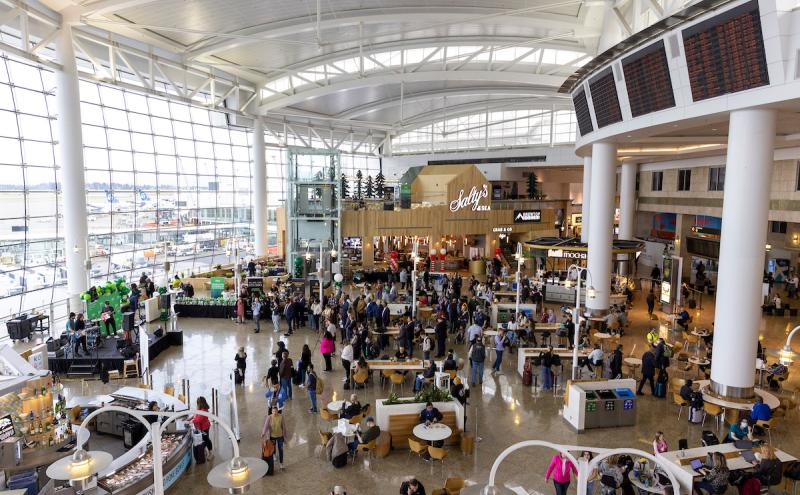
The logistical complexity of these projects is significant. Because the lounges are interconnected—with one move requiring the displacement of another—a delay in the permitting of the Chase Sapphire Lounge threatens a domino effect across the airport’s premium amenities. If the permit process remains stalled, the Port faces not only the loss of potential rental revenue but also the frustration of airline partners who have committed millions of dollars to the Seattle market.
Regulatory and Legal Challenges
The city’s ability to enforce this moratorium is under intense scrutiny. Legal experts point to a clear conflict between the city’s local ordinances and the broader federal oversight provided by the FAA. Under federal grant assurances, the Port of Seattle is legally obligated to maintain and operate the airport in a safe and efficient manner. Assurance 5, in particular, requires the Port to preserve its authority to meet these federal obligations, which some argue precludes a local municipality from interfering with airport development.
Furthermore, judicial precedent appears to favor the Port. In previous cases, such as the Ninth Circuit’s ruling involving the Burbank Airport, the court held that municipalities that do not own an airport cannot utilize emergency ordinances to stall critical taxiway or runway construction. Given that the SeaTac freeze covers 31 near-term projects—including essential taxiway extensions—the Port has a strong legal basis to challenge the city’s actions in federal court.

Environmental Justice vs. Economic Development
At the heart of the dispute is the environmental toll of a rapidly growing global transit hub. Research from the University of Washington has highlighted that residents in the immediate vicinity of the airport, a demographic that includes a high concentration of people of color, are exposed to unique concentrations of ultrafine particles from aircraft emissions.
While community advocates have attempted to address these issues through litigation against airlines and the Port, they have largely been stymied by federal preemption, which places the regulation of aircraft emissions under the jurisdiction of the federal government rather than state or local entities. Consequently, the permit freeze serves as a blunt instrument for the city to achieve the leverage it has been unable to secure through environmental law.
The Port of Seattle maintains that it is a leader in sustainable aviation, pointing to investments in noise insulation programs and its commitment to achieving net-zero carbon emissions. However, for the city of SeaTac, these efforts are insufficient. The city is clearly leveraging its land-use authority to force a discussion on the "real" costs of airport operations—specifically, the lost revenue from commercial properties repurposed for airport use and the ongoing service demands placed on the city’s police and emergency responders.
Broader Implications
The standoff at SeaTac reflects a growing trend of municipal pushback against major transportation infrastructure. As airports across the country seek to expand their capacity to accommodate the projected surge in global air travel—with SEA aiming to serve 64.1 million passengers by 2037—the friction between the "global city" (the airport) and the "local city" (the surrounding community) is likely to intensify.
For now, the project developers, the Port, and the city are in a state of suspended animation. If the moratorium is upheld or extended, the implications will go beyond a few delayed lounges. It would establish a precedent where host cities could effectively "tax" or block airport development by withholding permits, potentially triggering a nationwide shift in how airports and cities negotiate the fiscal and environmental terms of their existence.
As the January 12 public hearing approaches, the pressure is mounting on all sides. The Port of Seattle is expected to argue that the city is in violation of its own prior agreements, while SeaTac officials are likely to continue to frame the dispute as a fight for the health and financial stability of their citizens. Regardless of the outcome, the events of this past week have fundamentally altered the landscape of the Port-City relationship, signaling that the era of uncontested airport expansion in the Pacific Northwest has officially come to an end.
Related posts: