Legal Battle Intensifies as Convicted Fort Hood Shooter Nidal Hasan Fights Transfer and Execution Delay

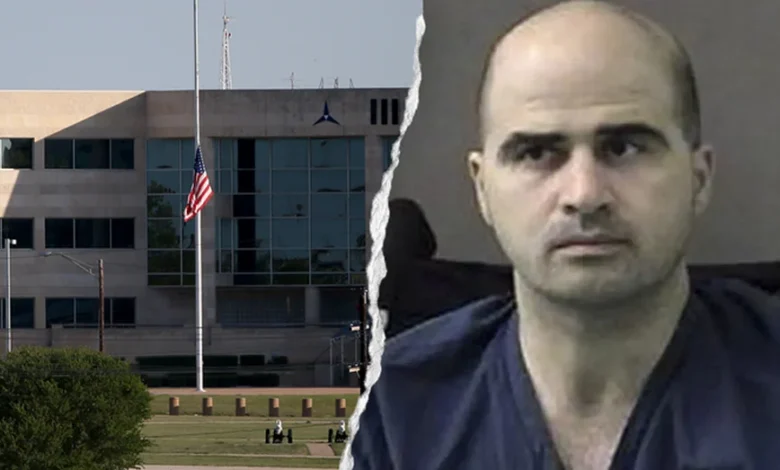
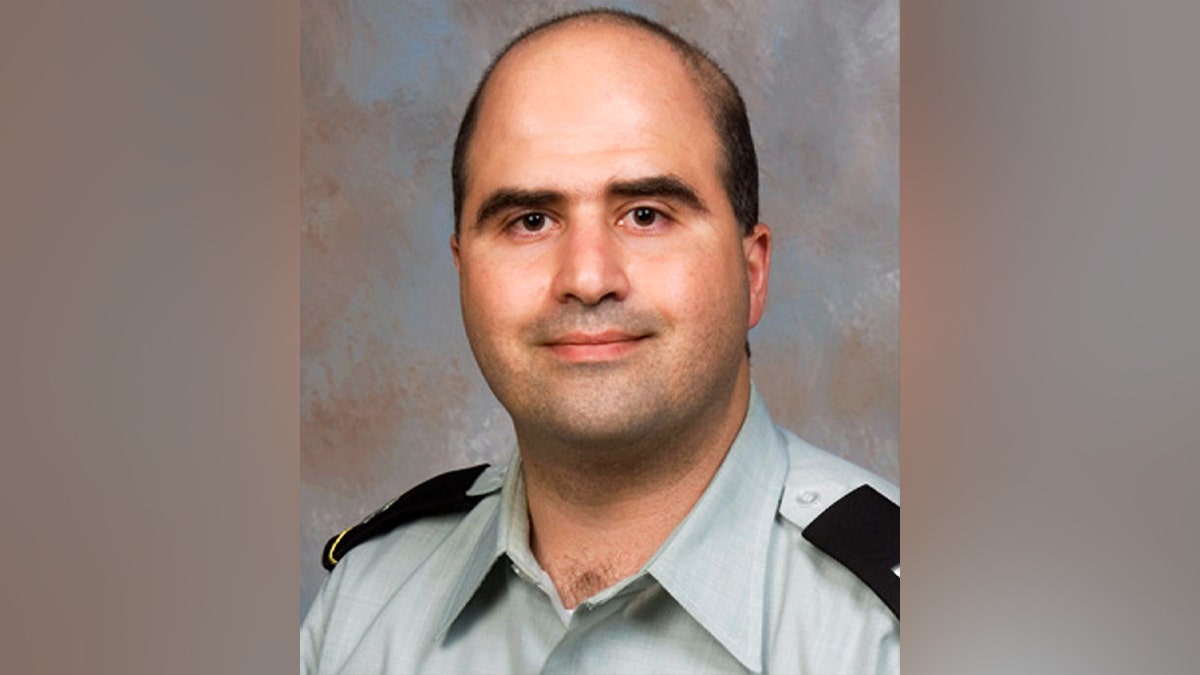
The legal maneuvering surrounding the scheduled execution of convicted Fort Hood mass shooter Nidal Hasan has escalated sharply, pitting American Civil Liberties Union (ACLU) attorneys against federal prosecutors in a high-stakes constitutional showdown. Hasan, a former U.S. Army major and psychiatrist, is actively fighting an imminent transfer from Kansas to Texas and seeking to halt his execution. If carried out as scheduled, the sentence would mark the first military execution in the United States in over six decades.
The core of the current legal dispute involves an 11-page filing submitted Saturday in the U.S. District Court for the District of Kansas. In the document, ACLU attorneys argue that Hasan must remain at Fort Leavenworth, Kansas, while he pursues comprehensive constitutional challenges to his death sentence. However, federal authorities, led by U.S. Attorney for the District of Kansas Ryan Kriegshauser and Assistant U.S. Attorney Jared Maag, have strongly urged the court to reject the stay of execution, emphasizing that Hasan’s anticipated legal claims lack merit and that further delays inflict enduring pain on the victims and their families.
With the execution date rapidly approaching, the case brings to the forefront profound questions regarding military justice, the limits of appellate review, and the procedural rights of capital inmates.
The 2009 Fort Hood Massacre: Background and Casualties
The legal proceedings unfolding in federal court trace their origins to one of the darkest domestic security breaches in modern U.S. military history. On November 5, 2009, Nidal Malik Hasan opened fire inside the Soldier Readiness Processing Center at Fort Hood, Texas (now designated Fort Cavazos). Armed with a semi-automatic pistol equipped with laser sights and high-capacity magazines, Hasan systematically targeted unarmed military personnel preparing for deployment overseas.
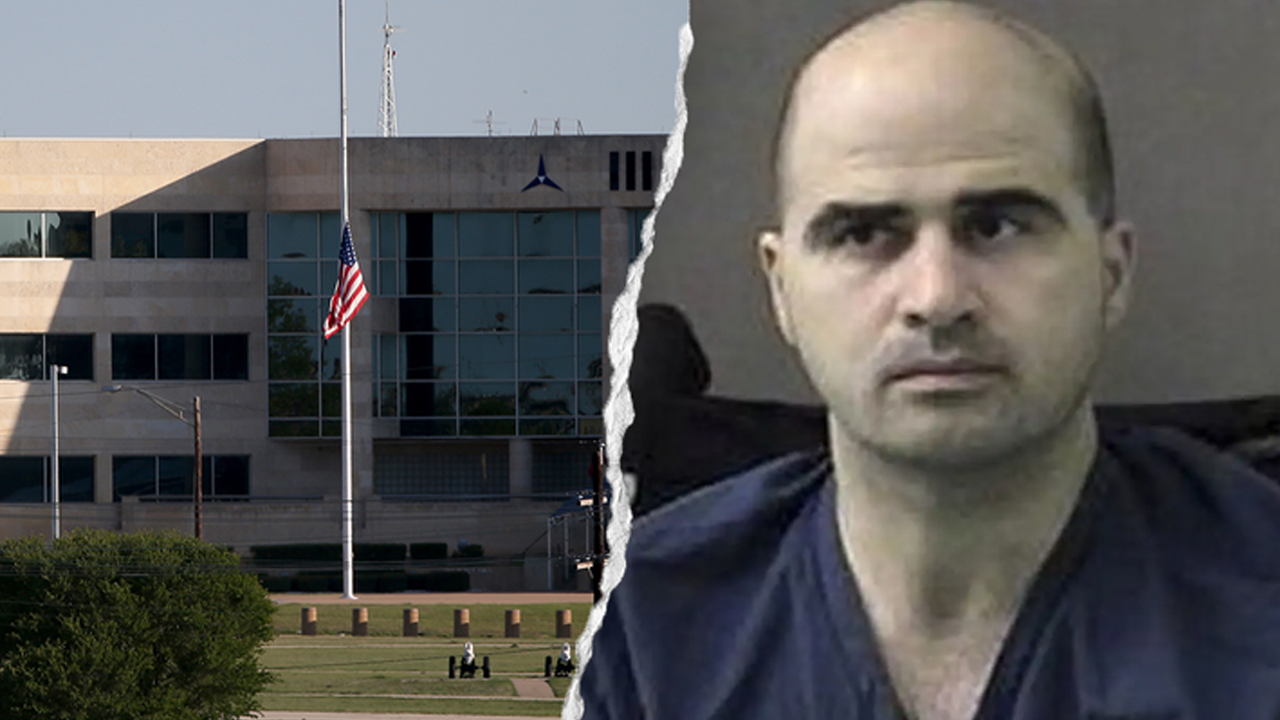
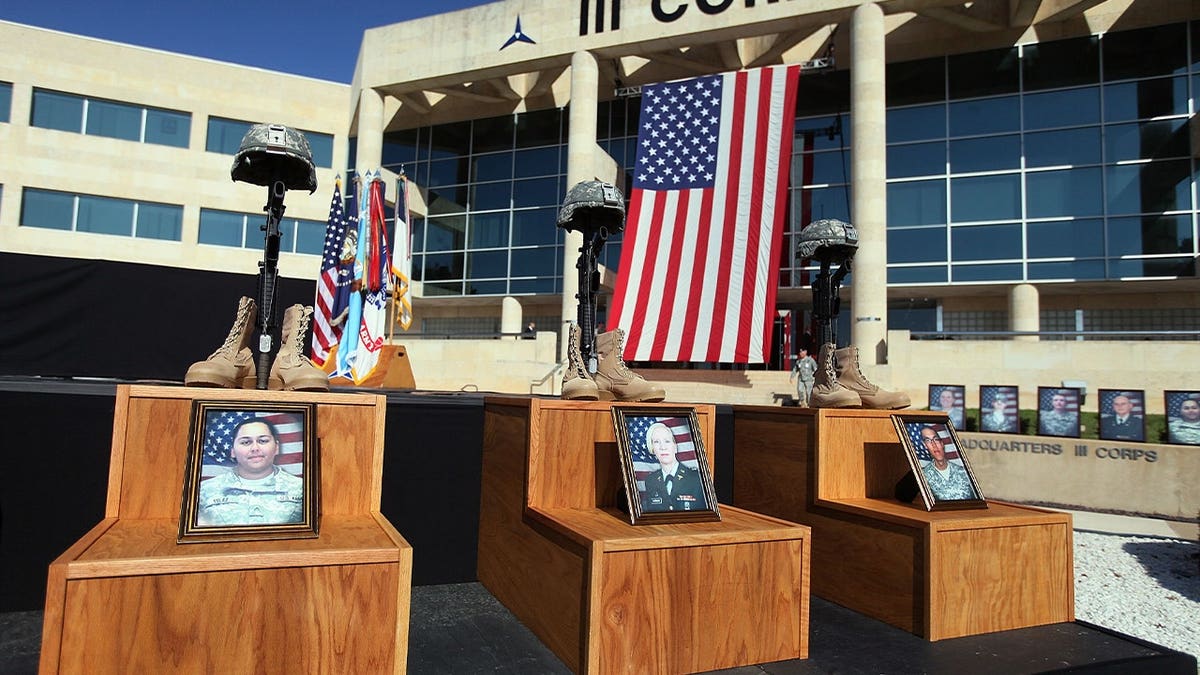
The rampage resulted in the tragic deaths of 13 people—12 soldiers and one civilian contractor—and left 32 others wounded with various physical injuries. Among those killed was Army Pvt. Francheska Velez, a 21-year-old soldier who had recently returned from a deployment in Iraq and was pregnant with her first child.
The attack sent shockwaves through the United States armed forces, triggering widespread investigations into military intelligence sharing, workplace violence protocols, and indicators of radicalization within the ranks. Investigators later revealed that Hasan, an American-born psychiatrist in the Army, had communicated electronically with radical cleric Anwar al-Awlaki prior to the shooting, expressing extremist views and opposition to U.S. military operations in Muslim-majority nations. Despite these warning signs, military and medical supervisors failed to intervene before the attack took place.
Chronology of Judicial and Executive Proceedings
The path from the 2009 massacre to the scheduled execution has spanned more than a decade and a half, marked by extensive military trials, appellate reviews, and executive actions:
- November 5, 2009: Hasan opens fire at Fort Hood, Texas, killing 13 individuals and wounding 32 others before being shot and paralyzed by civilian and military police officers.
- August 2013: A military jury at Fort Hood convicts Hasan on 13 counts of premeditated murder and 32 counts of attempted premeditated murder. He acted as his own defense counsel during much of the trial, presenting little evidence in his favor.
- September 2013: The military jury sentences Hasan to death by lethal injection. Following his conviction, he is incarcerated at the maximum-security U.S. Disciplinary Barracks at Fort Leavenworth, Kansas.
- Subsequent Years: Hasan’s conviction and death sentence are systematically upheld by the U.S. Army Court of Criminal Appeals and the U.S. Court of Appeals for the Armed Forces.
- March 31, 2025: The U.S. Supreme Court formally declines to review Hasan’s case, exhausting his direct military appeals.
- October 2, 2025: President Donald Trump officially approves Hasan’s death sentence, shifting the execution method to a military firing squad—an option permitted under military law—and initiating final preparations.
- October 5, 2025: Hasan is formally notified of the president’s execution approval.
- November 24, 2025: Hasan files a motion in federal court seeking a stay of execution and contesting aspects of his impending transfer.
- Late November 2025: Federal prosecutors file strong opposition briefs, and ACLU attorneys submit subsequent legal filings defending the timing of their petitions.
- December 2025: U.S. District Judge Anthony Mattivi schedules an in-person hearing in Kansas City, Kansas, to address Hasan’s requests regarding legal representation, self-representation, and the stay of execution.
Arguments from the Defense and the ACLU
In their Saturday filing, attorneys representing Hasan through the ACLU pushed back aggressively against government accusations that the defense is employing delaying tactics. They noted that federal habeas corpus proceedings could not legally or practically be initiated until President Trump formally approved the death sentence on October 2, 2025. With Hasan receiving formal notification on October 5, his legal team filed their motion for a stay seven weeks later, on November 24.
"There is no precedent to suggest that this interval of seven weeks is dilatory," Hasan’s attorneys wrote in the court document.
Furthermore, the defense argues that transferring Hasan to Texas prior to the resolution of his constitutional challenges would violate his rights. Because Hasan is paralyzed from the chest down and relies permanently on a wheelchair, his attorneys maintain that the court should prevent any relocation to a correctional facility that lacks the specialized medical infrastructure required to accommodate his condition or provide unhindered, confidential access to legal counsel.
Hasan’s anticipated constitutional arguments are expected to challenge the core of his conviction and the administrative actions surrounding his punishment. According to court records, these include a recycled argument—previously rejected by military courts—that his actions were legally justified because he was supposedly defending members of the Taliban in Afghanistan. Additionally, Hasan intends to challenge the direct involvement of President Trump and Secretary of War Pete Hegseth in executing the sentence, alleging unlawful command influence.
Government Position and the Rights of Victims
Federal prosecutors have taken a firm and uncompromising stance against any further delays. In documents submitted by U.S. Attorney Ryan Kriegshauser and Assistant U.S. Attorney Jared Maag, the government emphasized that Hasan has failed to establish any credible likelihood of success on the merits of his unfiled habeas corpus petition.
"Hasan offers no justification for his delay in filing a habeas petition, nor can he establish any likelihood of success on the merits of his yet-unfiled petition," the government attorneys wrote.
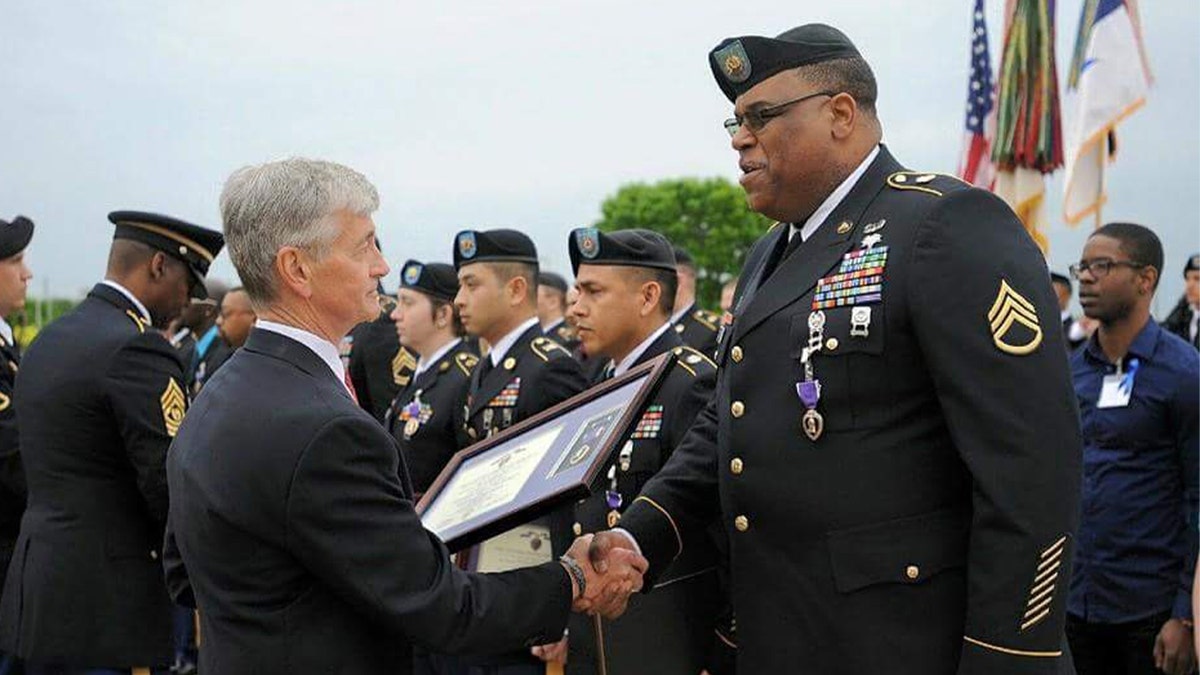
Furthermore, the prosecution underscored the profound psychological and emotional toll that continuous legal maneuvering imposes on the survivors and the families of the victims. Many of these families are actively making arrangements to travel to Texas to witness the execution in person.
"The victims’ families—and the public as a whole—have an overwhelming interest in implementing the capital sentence in this case," federal attorneys noted. "The government’s interest in implementing Hasan’s sentence is magnified by the heinous nature of his crimes."
The execution has also drawn significant public attention regarding transparency. While survivors, such as retired Army Sgt. Alonzo Lunsford—who was shot multiple times during the attack—have publicly expressed support for the execution, discussions surrounding the viewing protocols led to the administration ruling out a public livestream of the event, a decision that has garnered broad public backing.
Judicial Oversight and Broader Implications
The legal fate of the former Army major now rests with U.S. District Judge Anthony Mattivi. Confirmed by the Senate in June as a Trump appointee, Judge Mattivi brings extensive experience in national security and counterterrorism prosecutions to the bench. During his two-decade career as a federal prosecutor, Mattivi notably served as the lead prosecutor in the military commission trial of the al Qaeda operative responsible for the USS Cole bombing in 2000. He has also collaborated with international and Iraqi authorities to prosecute war crimes committed under the regime of Saddam Hussein.
Judge Mattivi ordered Hasan to appear in person for a crucial hearing in Kansas City, Kansas. The proceedings are designed to address multiple complex issues, including Hasan’s motion for a stay of execution, his objections to the transfer order, and his ongoing desire to represent himself in court alongside the appointment of advisory legal counsel.
Broader Implications for Military Justice
The resolution of this case will set a significant legal and historical precedent. Capital punishment within the U.S. military system operates under distinct statutory frameworks compared to civilian federal and state courts. Because no service member has been executed by the U.S. military since 1961—when Army Pvt. John A. Bennett was hanged for rape and murder at Fort Leavenworth—the execution of Nidal Hasan would represent a watershed moment for military jurisprudence.
Legal analysts note that while federal courts exercise habeas corpus review over military death sentences, the scope of review is traditionally narrow, focusing primarily on whether the military courts fully and fairly considered the constitutional claims raised by the defendant.
As Judge Mattivi prepares to rule following the evidentiary and procedural hearings, the nation watches a legal process that balances the rigorous constitutional protections afforded to capital defendants against the long-delayed pursuit of finality, accountability, and justice for the victims of the Fort Hood massacre.