Federal Policy Shifts Force Grassroots Public Health Groups to Scramble as Funding for Overdose-Prevention Test Strips Dry Up

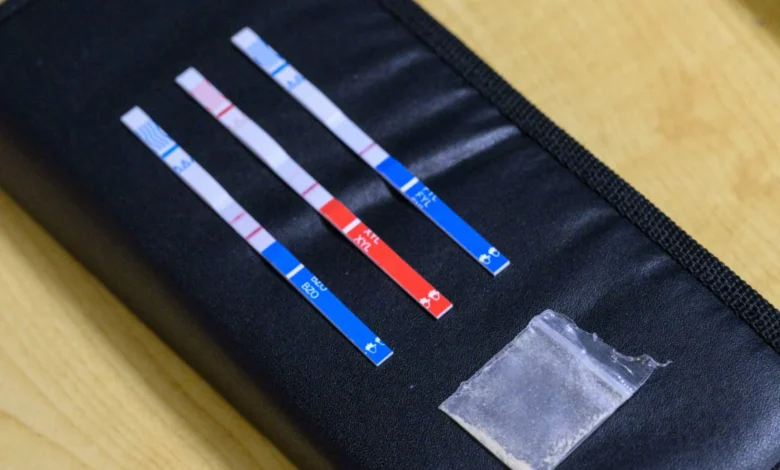
When federal funding abruptly evaporated earlier this year, 81-year-old Diannee Carden Glenn faced a stark choice familiar to grassroots public health directors across the United States. As the leader of ekiM for Change, a volunteer-run public health organization operating in Greenville, North Carolina, and surrounding rural communities, Carden Glenn had spent much of the past decade utilizing grants from the federal Substance Abuse and Mental Health Services Administration (SAMHSA) to purchase essential drug-checking supplies. These resources primarily funded fentanyl and xylazine test strips, tools designed to detect dangerous contaminants in the illicit street-drug supply before individuals consume them.
However, an April administrative directive changed the landscape overnight. Through a formal "Dear Colleague" letter, SAMHSA announced that organizations could no longer allocate federal grant money toward purchasing test strips for fentanyl, xylazine, medetomidine, and other emerging substances known to drastically elevate the risk of fatal overdoses. For Carden Glenn, whose organization relied on roughly $15,000 annually in federal backing, the sudden policy reversal meant turning to personal finances.
"Well, I’m 81 years old, and I get Social Security," Carden Glenn said, explaining that she now relies on her monthly benefits, her husband’s income, remaining retirement funds, and occasional public donations to keep ekiM for Change afloat.
This financial squeeze is not isolated to eastern North Carolina. Across the nation, public health advocates, researchers, and community organizers are grappling with the fallout of a broader federal rollback exceeding $300 million in funding for overdose prevention and treatment initiatives. This sweeping retrenchment has introduced profound challenges for front-line harm reduction groups attempting to navigate an increasingly volatile and lethal illicit drug supply.
The Ideological Divide and the Harm Reduction Movement
The recent federal funding cuts are rooted in a long-standing ideological debate over harm reduction—a public health philosophy focused on minimizing the negative consequences associated with drug use rather than strictly enforcing immediate abstinence.
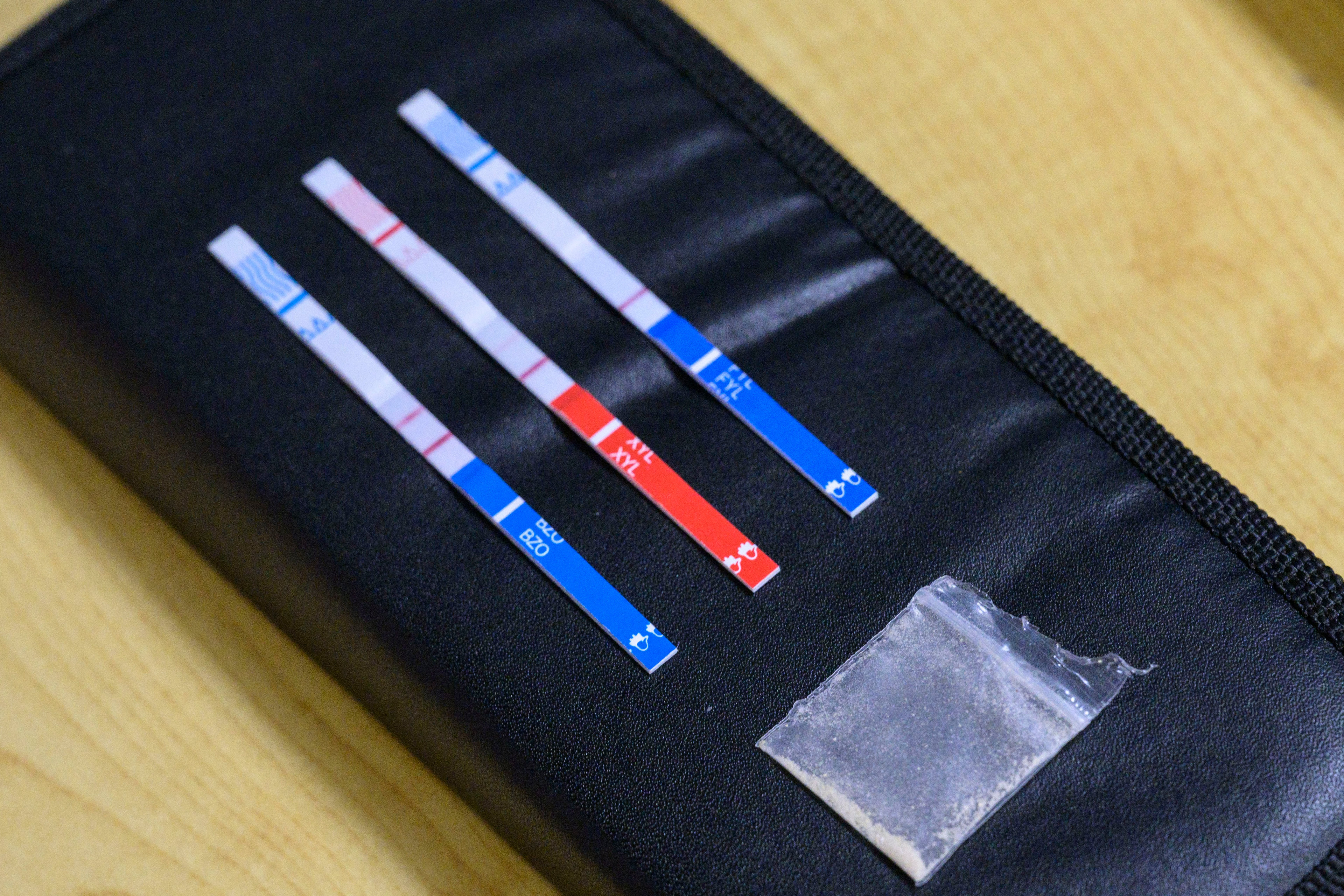
Proponents of harm reduction maintain that distributing test strips and implementing drug-checking infrastructure are evidence-based, pragmatic strategies to save lives. Public health data indicates that individuals who utilize test strips are significantly more likely to engage with other protective measures, such as carrying the life-saving opioid reversal medication naloxone, establishing safety plans, and avoiding using drugs alone. The U.S. Centers for Disease Control and Prevention (CDC) has formally acknowledged that such simple testing tools can represent the critical difference between life and death.
Conversely, opponents argue that providing drug-checking equipment inadvertently abets illegal drug use and undermines abstinence-based recovery models. This viewpoint gained decisive momentum at the federal level in July 2025, when President Donald Trump signed an executive order explicitly prohibiting federal grants from being spent on what the administration termed "so-called harm reduction" efforts. The directive asserted that such programs "only facilitate illegal drug use and its attendant harm."
The executive order and subsequent agency directives have created what Elyse Powell, executive director of the North Carolina Harm Reduction Coalition, describes as "an incredibly hostile time" for critical public health infrastructure. The chilling effect has extended far beyond small nonprofits; Jennifer Carroll, an associate professor of anthropology at North Carolina State University, noted that some federally qualified health centers have expressed reluctance to participate in community events simply because the term "drug checking" was associated with them.
An Increasingly Complex and Lethal Drug Supply
While political debates persist in Washington and state capitals, front-line workers face an alarming evolutionary shift in the composition of street drugs. While fentanyl remains ubiquitous across the nation’s illicit markets, outreach workers increasingly encounter an unstable cocktail of unexpected synthetic compounds and adulterants.
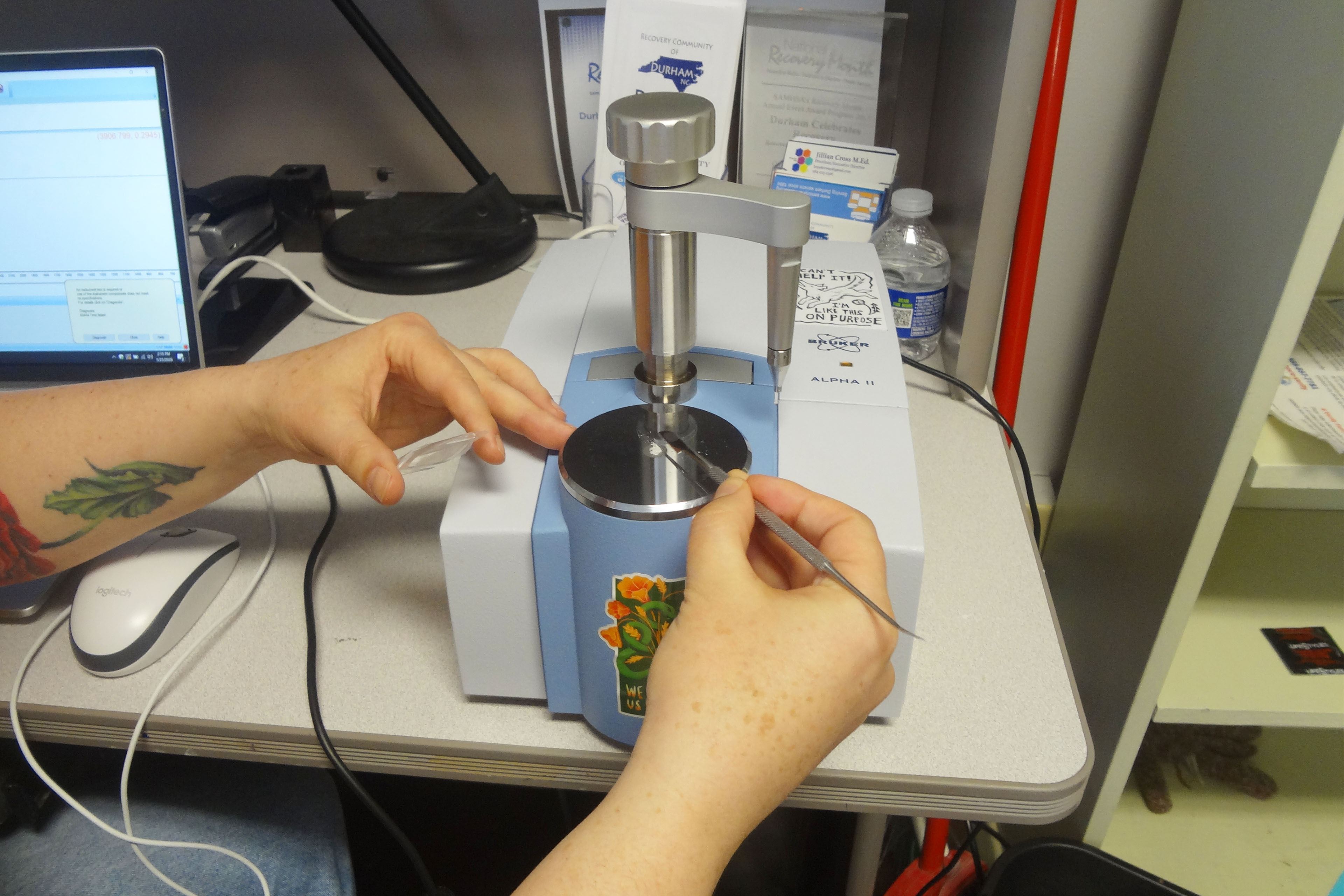
In North Carolina, organizations utilize a multi-layered approach to analyze street drugs, ranging from simple test strips costing $1 or more apiece to sophisticated laboratory equipment. In downtown Durham, members of the North Carolina Harm Reduction Coalition gather every Friday afternoon near a local church utilizing a toaster-oven-sized Fourier transform infrared spectroscopy (FTIR) machine. Funded in part by the North Carolina Collaboratory, the device allows researchers and community members to inspect the chemical makeup of drug samples brought in by users, family members, and advocates.
According to Carroll, who evaluates testing results from the mobile FTIR machine, the array of detected substances frequently startles even seasoned researchers. "We see quinine, lidocaine, tetracaine," Carroll said, detailing common cutting agents. "We see tranquilizers like xylazine and medetomidine. We occasionally see gabapentin show up, but it’s not common. We occasionally see heroin."

For more advanced verification, researchers partner with the Street Drug Analysis Lab at the University of North Carolina-Chapel Hill—colloquially known as "Nab’s Lab" after its director, Nabarun Dasgupta, a recipient of a 2025 MacArthur Fellowship "genius grant." Since its launch in 2022, Dasgupta’s laboratory has identified approximately 500 unique chemical substances within the street-drug supply. Recent samples have revealed unsettling contaminants, such as levamisole, an animal deworming medication found in rural Edgecombe County, and BTMPS, an industrial chemical used to protect plastics from ultraviolet radiation, detected in Asheville.
Pearson Ripley, a representative with the Asheville-based harm reduction group The Steady Collective, emphasizes that keeping pace with these shifting adulterants is the foremost challenge facing modern intervention specialists. While communities once focused heavily on addressing the initial wave of fentanyl, users have gradually adapted to its potency. Today, the primary danger lies in the unpredictable complexity of the broader supply. Graphing the composition of street drugs reveals a steep, year-over-year climb in the sheer number of distinct chemical substances mixed into individual batches.
Grassroots Ingenuity and Community-Led Resilience
Faced with vanishing federal dollars and mounting chemical complexity, local organizations across North and South Carolina have responded with localized innovation. Dasgupta has praised these groups as "engines of ingenuity," pointing to initiatives like Holler Harm Reduction in rural western North Carolina, which conducts "driveway drug checking" directly at clients’ homes to ensure accessibility.
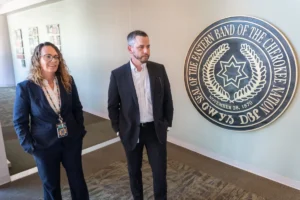
Similarly, the Good Mind Initiative serves Indigenous communities across the Carolinas by blending cultural preservation with essential health services. The organization hosts monthly community gatherings at the United Katehnuaka Longhouse, where up to 300 individuals convene for fellowship, traditional meals, first aid kits, condoms, and naloxone distribution.
Kaya Littleturtle, program manager for the Good Mind Initiative, emphasizes that cultural identity—encompassing language, songs, and dances—is deeply intertwined with community healing and harm reduction. Yet, the loss of dedicated funding streams for test strips has placed immense pressure on their operational capacity. While the organization attempts to bridge the funding gap through localized fundraising events, such as target-shooting contests with meat prizes, Littleturtle notes that such efforts fall far short of replacing lost institutional grants.
"It’s just a hard time right now, because of politics, and politics should never get in the way of saving lives," Littleturtle said. "But it does."
Legislative Pushback and the Road Ahead
The curtailment of federal support has not gone unchallenged. In May, U.S. Senator Ed Markey (D-Mass.), joined by four fellow senators and 16 members of the House of Representatives, dispatched a formal letter to SAMHSA condemning the agency’s policy directive. The lawmakers argued that restricting test strips defies overwhelming scientific evidence demonstrating that harm reduction saves lives, prevents dangerous systemic infections, and reverses years of hard-fought progress against the national overdose epidemic.
"To abandon harm reduction is to do so at our own peril," Senator Markey wrote, underscoring the urgent need to realign federal public health strategies with empirical data.
Meanwhile, veteran advocates view the current contraction with deep frustration, recalling the devastating human toll of previous eras when testing resources were largely unavailable. Margaret Bordeaux, a long-time public health advocate in North Carolina, expressed profound sorrow over the regression. "I know people who have done amazing things, incredible work, to really advance drug testing here in North Carolina, and the impact that’s having on communities," Bordeaux said. "I know exactly what happens when those resources aren’t available in communities. We lived through it, and to think that we’d have to go through it again is sad. It’s sad."
As policymakers debate the philosophical boundaries of public health and federal oversight, front-line providers like Diannee Carden Glenn continue their daily work, balancing personal sacrifices against
the ongoing crisis of an unpredictable drug supply. For these community workers, the mission remains straightforward: ensuring that individuals navigating substance use survive long enough to find a path toward recovery.