Japan Overtakes the United States as Top Choice for International Travelers in New Brand USA Data

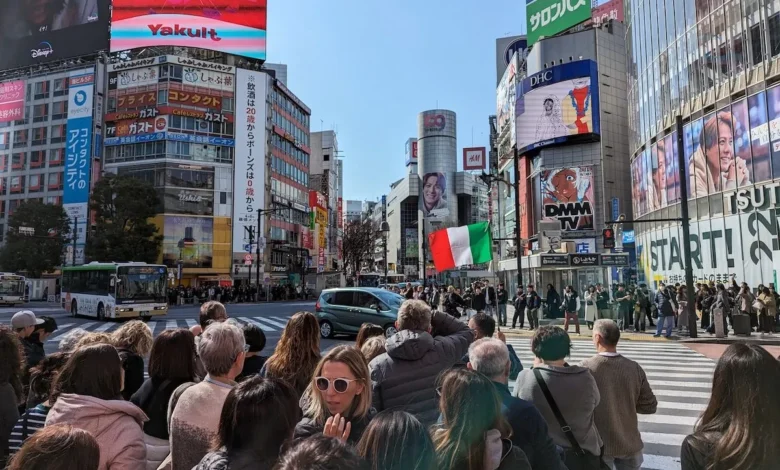
The United States is facing a formidable new challenge in the global tourism market, with long-haul international travelers increasingly bypassing American shores in favor of Asian destinations, most notably Japan. According to new research presented at a Brand USA board meeting, the historical dominance held by the United States as the premier destination for global travelers is shrinking rapidly, and in several recent months, Japan has successfully captured the top spot.
The findings, shared by Chelsea Benitez, senior director of research and analytics at Brand USA, mark a significant psychological and economic milestone in international travel trends. While the U.S. continues to maintain a narrow cumulative lead on a year-to-date basis, the erosion of its market share highlights shifting consumer preferences, economic factors, and intense international competition. As tourism boards and destination marketing organizations look toward the future, the shifting landscape underscores a broader evolution in post-pandemic global mobility.
A Narrowing Lead and a Historic Shift
The data shared during the Brand USA board meeting reveals a stark downward trajectory for the U.S. competitive edge. In January of last year, the United States commanded a comfortable lead over Japan, standing more than eight percentage points ahead as the preferred destination among surveyed international travelers. However, that advantage steadily deteriorated over the course of the subsequent months.
By August and October, the momentum had fully flipped. Japan outperformed the United States in preference metrics during both months, securing its status as the favored choice for international vacationers.
"We still lead year to date, but Japan is now our most direct competitor for the long-haul international traveler," Benitez stated during the presentation.
This shifting tide is not merely a seasonal anomaly; it represents the culmination of years of changing travel dynamics. For decades
, the United States benefited from unmatched brand recognition, cultural ubiquity through media, and robust aviation networks connecting major global hubs to American cities. However, rising travel costs, complex visa application processes, and a lack of unified federal promotion have occasionally created friction for prospective visitors. Meanwhile, competing nations have invested heavily in targeted marketing campaigns and streamlined entry processes, capitalizing on pent-up global travel demand.
Understanding the Methodology: Behind the Brand USA Survey
To measure shifts in global sentiment, Brand USA relies on comprehensive and continuous market research. The organization polls approximately 11,000 respondents each month, casting a wide net across 11 key international markets that traditionally send high volumes of tourists to the United States.

The surveyed nations span four continents, including Argentina, Australia, Brazil, Canada, France, Germany, India, Japan, Mexico, South Korea, and the United Kingdom. This diverse sample pool provides a granular view of how long-haul travelers perceive different destinations, taking into account cultural preferences, economic conditions, currency fluctuations, and safety perceptions.
By tracking these sentiment indicators on a monthly basis, Brand USA and its industry stakeholders can identify emerging trends long before they fully manifest in official customs and immigration arrival data. The recent surge in preference for Japan across multiple surveyed markets indicates that these sentiments are translating into concrete booking decisions.
The Rise of Japan as a Global Tourism Powerhouse
Japan’s ascension to the top tier of international travel preference is the result of a multifaceted economic and cultural alignment. Following the complete reopening of its borders after the COVID-19 pandemic, Japan experienced an unprecedented boom in inbound tourism, fueled heavily by favorable exchange rates.
The sustained weakness of the Japanese yen against major global currencies has made the country an exceptionally affordable destination for travelers from North America, Europe, and parts of South America and Asia. Visitors find that their purchasing power stretches significantly further when paying for lodging, high-end dining, shopping, and transportation within Japan.
Beyond economic factors, Japan’s enduring cultural soft power—encompassing its culinary arts, historical heritage, pop culture, and modern entertainment—has reached an all-time high. Strategic initiatives by the Japan National Tourism Organization (JNTO) have also successfully promoted regional destinations outside of the traditional Tokyo-Kyoto-Osaka tourist corridor, dispersing crowds and encouraging longer stays. Furthermore, Japan’s reputation for safety, cleanliness, and efficient public transportation makes it an attractive, low-stress option for international tourists navigating an increasingly complex global landscape.
Broader Implications for the U.S. Travel and Hospitality Sector
The shifting preference toward Japan carries significant economic implications for the United States. International tourism is a massive export for the U.S. economy, supporting millions of American jobs in hospitality, aviation, retail, food service, and entertainment. When international visitors choose competing destinations, the financial impact ripples through local economies that rely heavily on inbound travel spending.
Industry analysts note that international travelers typically stay longer and spend more per trip than domestic tourists, making them a crucial customer segment for destination marketing organizations in major gateway cities and national parks alike. The realization that Japan is outpacing the U.S. in monthly preference surveys is expected to spark renewed urgency among U.S. tourism officials to reevaluate promotional strategies.
Addressing this challenge will likely require a multifaceted approach from both the public and private sectors. Key areas of focus may include streamlining the notoriously lengthy visa appointment wait times that continue to deter travelers from critical emerging markets like India and Brazil, enhancing domestic infrastructure, and refreshing global marketing campaigns to remind international audiences of the diverse experiences available across the United States.
As the global tourism market continues to mature in the wake of the pandemic, the competitive environment has permanently changed. The U.S. can no longer rely solely on its historic reputation to attract global visitors; it must actively innovate and compete in an era where destinations like Japan are setting a new standard for international appeal.