Inside the Fallout: Calley Means Alleges Systemic Corruption and Lobbyist Capture Within the Trump Administration

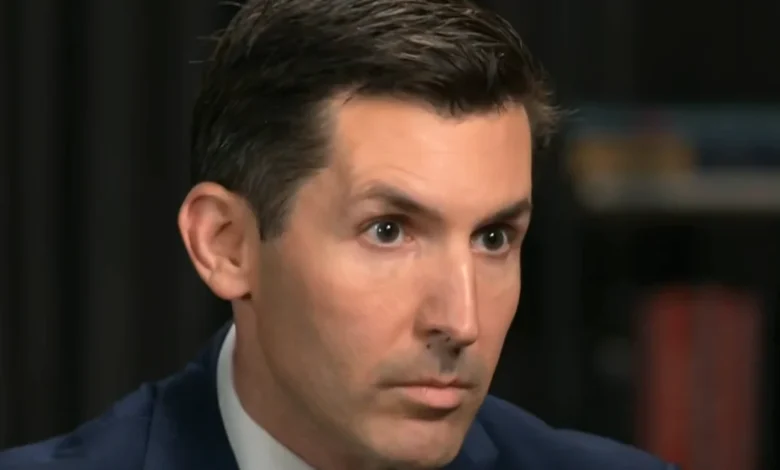
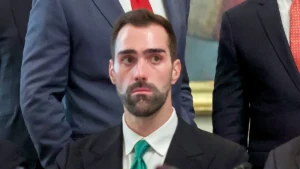
The political landscape of Washington D.C. shifted dramatically this week following the resignation of White House Chief of Staff Susie Wiles, an event that has triggered a cascade of allegations regarding corporate influence, regulatory capture, and the internal struggle to define the "Make America Healthy Again" (MAHA) agenda. In a wide-ranging interview on Face the Nation, Calley Means, a former senior adviser to Health and Human Services (HHS) Secretary Robert F. Kennedy Jr., leveled explosive charges against the outgoing administration’s leadership, claiming that key policy decisions were frequently compromised by the financial interests of lobbyists representing the pharmaceutical, tobacco, and ultra-processed food industries.
Means, who spearheaded the MAHA initiative within the White House, characterized his time in the administration as a constant, uphill battle against what he described as a "de facto" shadow cabinet. According to Means, the influence of figures like Wiles, along with political strategists such as James Blair and Tony Fabrizio, effectively sidelined the administration’s core populist health mandates in favor of industry-friendly policies.
A Chronology of Internal Conflict
The friction between the MAHA agenda and the established White House power structure has been mounting for months. Means pointed to several critical junctures where reform efforts were reportedly neutralized.
Early in the administration, the MAHA team attempted to establish a clear federal definition for "ultra-processed foods," a move intended to increase transparency for American consumers. Means claims that after securing initial interagency support, the initiative was abruptly pulled following a "barrage of calls" to Wiles’ office from lobbyists representing major food conglomerates, including Coca-Cola and Mondelez.
Simultaneously, the administration saw the departure of former FDA Commissioner Dr. Marty Makary in May 2026. Makary, a vocal critic of industry influence, reportedly faced intense pressure to relax regulatory standards on nicotine delivery devices, specifically fruit-flavored vapes. Means alleges that these policies were not merely bureaucratic disagreements but were directly linked to significant financial contributions made by tobacco interests to political action committees aligned with the administration.
Financial Entanglements and Lobbying Power
The scope of the alleged influence extends to the highest levels of the lobbying industry. Means highlighted the meteoric rise of Continental Strategy, a firm where Katie Wiles, daughter of the former chief of staff, held a position. Records indicate that the firm’s revenue surged from approximately $1.8 million in 2024 to over $27 million in 2025. While representatives for Continental Strategy have categorically dismissed Means’ claims as "baseless" and "inaccurate," the rapid fiscal growth has fueled broader public debates about the intersection of familial access and policy outcomes.
Further complicating the narrative is the role of Tony Fabrizio, a prominent pollster whose firm has been a central pillar of the Trump administration’s political strategy. Means argued that Fabrizio’s dual role—providing polling data to the White House while maintaining a client list that includes major pharmaceutical and food corporations—created an inherent conflict of interest. Means specifically alleged that policy recommendations were frequently filtered through a "political check" performed by Fabrizio, effectively allowing corporate donors to dictate the "juice-is-worth-the-squeeze" feasibility of health-related initiatives.
Regulatory Capture: The Glyphosate and Vaccine Debates
One of the most contentious issues raised by Means is the federal government’s stance on glyphosate, the herbicide manufactured by Bayer (formerly Monsanto). Means criticized the administration’s involvement in a Supreme Court brief that argued federal standards should supersede state-level liability claims regarding the chemical’s health impacts.
White House officials have maintained that the solicitor general’s involvement was a standard response to a court request, and that Dr. Heidi Overton—whom Means has strongly criticized—only provided minor editorial input on the brief’s "tone." However, critics and health advocates point to the fact that the Environmental Protection Agency (EPA) has not conducted a comprehensive review of glyphosate in over three decades, a delay that many attribute to intense industry lobbying.
Regarding vaccine policy, the atmosphere remains equally polarized. Means highlighted the case of an mRNA flu vaccine that faced scrutiny from FDA internal reviews due to safety signals identified during study trials. He claims that following intense pressure from investment and industry groups, the FDA’s decision-making process was compromised, leading to the approval of a product that some internal experts had flagged. Health officials have countered these claims, asserting that all safety signals were debated openly in public advisory committee meetings and that the suggestion of a cover-up is demonstrably false.
Broader Impact and Future Implications
The resignation of Susie Wiles and the elevation of Stephen Miller have led to widespread speculation about the future of the Trump administration’s governing philosophy. Miller, who has been described by Kennedy as a "strong supporter of MAHA," is viewed by supporters as a necessary corrective force. Means argues that Miller’s role will be to "exorcise" the influence of lobbyist-driven policy processes and return the administration to its original populist campaign promises.
However, the political reality facing the administration is daunting. Following a series of midterm election losses, the incoming Congress is expected to feature a emboldened Democratic opposition that has already signaled its intent to launch investigations into potential ethical breaches within the executive branch. Some Democratic lawmakers have gone as far as to label the administration’s health policies as an "existential threat," creating a volatile environment for the confirmation of new appointees, including the embattled nominee for FDA commissioner, Dr. Heidi Overton.
Analyzing the Data: Public Perception vs. Policy Reality
Despite the administration’s focus on health reform, public sentiment remains fractured. Recent exit polls from CBS News revealed that 58% of respondents believe the administration’s policies have negatively impacted the health and well-being of the American public. Furthermore, 47% of voters expressed concerns that policies regarding vaccine access have created more confusion than clarity.
Analysts suggest that the administration’s strategy of aligning itself exclusively with Republican interests while attempting to push nonpartisan health reforms has created a messaging paradox. By failing to bridge the gap with the political center or the left—despite the fact that many MAHA goals, such as reducing corporate capture and improving food quality, resonate across the aisle—the movement risks becoming permanently siloed.
Moving Forward
As the White House transitions to a new phase of leadership, the fundamental tension remains: can an administration that campaigned on dismantling institutional corruption reform the very systems that have become reliant on lobbying revenue?
Means maintains that the opportunity for "big, structural change" still exists, provided that the administration is willing to collaborate with lawmakers—regardless of party—who are genuinely opposed to special interest capture. "We have a historic opportunity," Means stated. "But it requires acknowledging that the rot is not just in one party or one administration; it is a systemic issue that has been building for decades."
The coming months will likely see intense scrutiny of HHS policies and the internal mechanisms of the White House. With Congress preparing for hearings, the "unleashing of the Kraken" as described by Kennedy may prove to be a double-edged sword, potentially revealing the extent of the administrative rot while simultaneously threatening to deepen the partisan divide that has paralyzed Washington for years. The ultimate test for the administration will be whether it can pivot from internal staff battles to the tangible, structural reforms that the public continues to demand.