Former Diddy Prosecutor Jacqueline Kelly to Lead High-Profile Independent Investigation into 2024 Cornell University Campus Gang Rape Allegations

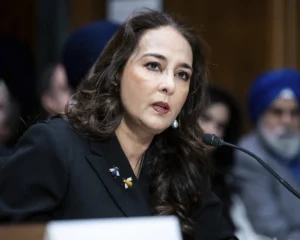
Jacqueline Kelly, a prominent Cornell University alumna, former federal prosecutor, and trial attorney who recently played a leading role in the high-profile criminal case against hip-hop mogul Sean “Diddy” Combs, has been appointed as outside counsel to direct an independent investigation into a deeply troubling 2024 alleged gang rape on the university’s campus.
The announcement, made on Wednesday, underscores the gravity of the legal and administrative scrutiny facing the Ivy League institution. Kelly, who transitioned to private practice last year as a partner at the elite litigation firm Boies Schiller Flexner, will spearhead a joint investigative task force composed of attorneys and legal staff from her firm alongside investigators from the New York Attorney General’s Office.
The appointment follows swift and decisive actions by state officials, most notably New York Governor Kathy Hochul, who signed an executive order last month empowering the state attorney general’s office to launch an independent probe. The state-level intervention was triggered by mounting public pressure, student advocacy, and allegations brought forward by a former Cornell student—widely referred to in court documents as Jane Doe—who claims she was sexually assaulted by seven men inside an off-campus or university-affiliated fraternity house in 2024. The lawsuit, which has sent shockwaves through the academic community and ignited nationwide conversations regarding campus safety, institutional accountability, and Title IX enforcement, is frequently referenced in legal circles alongside the moniker "The Cornell Seven."
A Legal Heavyweight Takes the Helm
Kelly brings an impressive and rigorous prosecutorial background to the independent investigation. Having earned her undergraduate degree from Cornell University, she possesses an intimate familiarity with the campus culture, geographical layout, and student dynamics that could prove invaluable during the fact-finding process.
Her career trajectory reflects extensive experience in handling complex, high-stakes criminal matters. Kelly began her tenure as an assistant U.S. attorney for the Southern District of New York in 2016, a district renowned for prosecuting white-collar crime, public corruption, and complex racketeering enterprises. In 2022, her leadership capabilities were further recognized when she was appointed chief of the Criminal Division’s Civil Rights Unit within the same office. In that capacity, she oversaw investigations and prosecutions involving hate crimes, human trafficking, police misconduct, and systemic violations of federal civil rights laws.
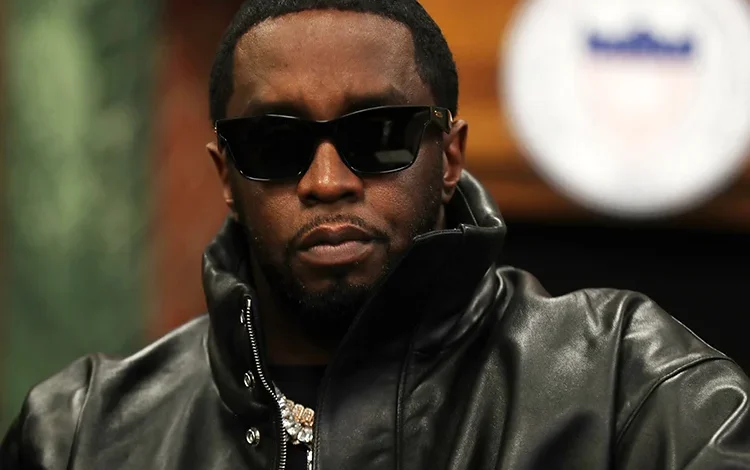
Most recently, Kelly commanded national headlines for her role in overseeing the federal criminal prosecution of Sean “Diddy” Combs. Her involvement in that sprawling, multi-jurisdictional racketeering and sex-trafficking case demonstrated her capability to manage immense media scrutiny, sensitive victim testimonies, and complex evidentiary rules—skills that will be immediately tested as she navigates the delicate landscape of a university campus sexual assault investigation.
Background and Chronology of the Allegations
The roots of the current state-level investigation extend back to incidents that allegedly transpired in 2024. According to court filings and public disclosures, a former Cornell student filed a lawsuit alleging that she was brutally assaulted by a group of seven men during a gathering at a fraternity house. The allegations quickly moved beyond a standard private civil suit, transforming into a massive public relations and institutional crisis for Cornell University.
As details of the alleged assault trickled out through legal filings and independent reporting, student organizations, alumni groups, and advocacy coalitions began demanding greater transparency from the university administration. Critics argued that institutional mechanisms failed to adequately protect students, swiftly address reports of sexual violence, or maintain transparency surrounding fraternity disciplinary actions.
The timeline of escalation includes several critical milestones:
- 2024: The alleged gang rape occurs at a fraternity location associated with Cornell University, prompting subsequent internal reporting and the eventual filing of a civil lawsuit by the survivor.
- Mid-2024 to 2025: Legal proceedings advance, drawing intense media coverage and prompting broader questions regarding how Greek life organizations and campus security protocols manage allegations of sexual misconduct.
- October 2026: Recognizing the complexity and potential conflicts of interest inherent in an internal university review, New York Governor Kathy Hochul signs an executive order formally directing the New York Attorney General’s Office to step in and conduct an independent investigation.
- November 2026: New York Attorney General Letitia James announces the appointment of Jacqueline Kelly as outside counsel to lead the investigative team, pairing elite private-sector litigation experience with state investigative resources.
The Intersection of State Authority and Higher Education
The decision by Governor Hochul and Attorney General James to intervene via executive order is a rare and powerful assertion of state oversight over private and statutory Ivy League institutions. While universities typically manage internal disciplinary proceedings through Title IX offices and campus judicial boards, allegations involving criminal acts of sexual violence often strain the limits of internal institutional competence and objectivity.
By bringing in outside counsel with a deep background in federal civil rights enforcement, the state aims to ensure absolute impartiality, thoroughness, and credibility. Kelly’s leadership of the investigative team signals to victims, students, and the broader public that the probe will not be subject to the institutional biases or reputational management concerns that sometimes compromise internal university reviews.
Boies Schiller Flexner, Kelly’s current legal home, is well-known for handling high-profile, complex litigation, class actions, and independent institutional investigations. The partnership between the law firm and the Attorney General’s Office creates a hybrid investigative body designed to pool state subpoena powers with private-sector litigation resources.
Broader Implications for Campus Safety and Fraternity Culture
The unfolding investigation at Cornell University carries significant implications far beyond Ithaca, New York. It arrives at a time of renewed national scrutiny regarding the culture of Greek life organizations on college campuses, the enforcement of university anti-sexual violence policies, and the legal liability of higher education institutions when students are subjected to violent crimes.
Legal analysts note that the findings of Kelly’s investigation could establish a precedent for how state governments intervene in campus sexual assault cases when victims feel local institutional responses are inadequate. Furthermore, the probe is expected to examine whether Cornell administrators possessed prior knowledge of systemic safety violations within the fraternity system, whether established reporting protocols were actively suppressed or ignored, and what systemic reforms are necessary to prevent similar tragedies.
For Cornell University, the stakes could not be higher. The institution faces not only substantial financial and legal exposure from the pending civil litigation but also potential reputational damage that could influence prospective student enrollment, alumni donations, and federal funding compliance. University leadership has previously expressed a commitment to cooperating fully with state authorities, though the arrival of an independent federal prosecutor of Kelly’s caliber suggests that the investigation will leave no stone unturned.
Next Steps in the Investigation
As Jacqueline Kelly assumes her role as outside counsel, her immediate priorities will likely include securing relevant digital communications, interviewing key witnesses, reviewing prior institutional disciplinary records, and evaluating the security and supervisory frameworks in place at the time of the 2024 incident.
Given the involvement of the New York Attorney General’s Office, the investigative team possesses the authority to issue subpoenas, compel testimony, and gather documentary evidence under the full weight of state law. While a definitive timeline for the completion and public release of the investigation’s findings has not yet been formally announced, legal experts anticipate that the probe will move methodically given the intense public interest and the complex evidentiary standards required in civil rights and criminal-adjacent matters.
As this landmark case proceeds, it stands as a critical test of accountability, demonstrating how state-level legal intervention and elite prosecutorial expertise can converge to address institutional failures in campus safety.
Related posts: