My Maddening Quest to Find Out if Blueberries Come From Farms Where Workers Were Harmed

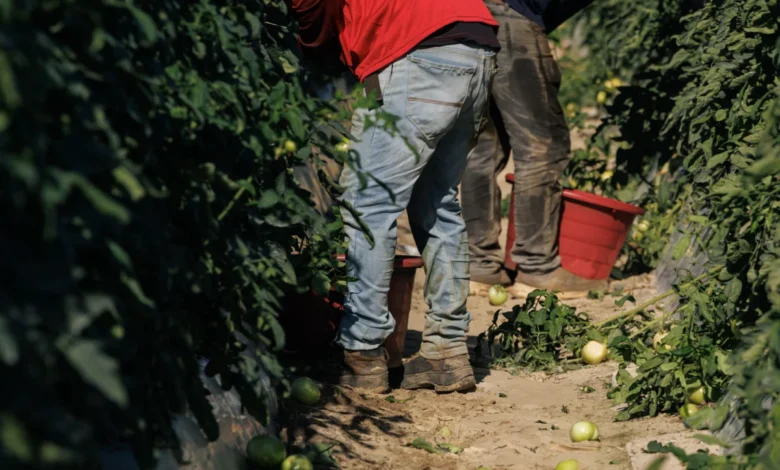
The journey from a rural farm to a consumer’s grocery cart is often presented as a seamless logistical feat, yet for the millions of Americans purchasing fresh produce, the human cost of that journey remains almost entirely obscured. Investigations into the agricultural supply chain in the United States, particularly within the state of Georgia, have revealed a harrowing reality of systemic abuse, including wage theft, physical intimidation, and in the most extreme cases, human trafficking and modern-day slavery. Despite these documented crimes, the mechanisms of the American food system make it nearly impossible for a shopper to determine whether the fruit they are buying was harvested under ethical conditions.
The disconnect between the abundance of the produce aisle and the conditions in the fields is not accidental. It is the result of a complex web of labor contractors, lack of federal labeling requirements, and a corporate preference for plausible deniability. In the state of Georgia, which has become a primary hub for blueberry production, the reliance on foreign labor through the H-2A visa program has created a environment where workers are frequently exploited by intermediaries, while the brands and retailers that profit from their labor remain insulated from the fallout.

The Growth and Vulnerability of the H-2A Visa Program
To understand the opacity of the blueberry supply chain, one must first examine the H-2A temporary agricultural worker program. Designed to allow U.S. farmers to bring in foreign nationals to fill seasonal farm jobs when domestic labor is unavailable, the program has seen exponential growth over the last three decades. In 1992, the U.S. government issued roughly 11,000 H-2A visas; by 2023, that number had surged to more than 370,000.
This growth has been driven by a domestic labor shortage and an aging American agricultural workforce. However, the program’s structure creates an inherent power imbalance. Workers are tied to a single employer, meaning that if they complain about conditions or pay, they face deportation and the loss of future work opportunities. This vulnerability is frequently exploited by labor contractors—middlemen hired by farmers to recruit, transport, and manage crews.
In Georgia, the nation’s leading producer of blueberries by acreage, the use of labor contractors is ubiquitous. Many farmers, who may lack the linguistic skills or administrative infrastructure to manage hundreds of Spanish-speaking workers, outsource the entire labor management process. This outsourcing allows farmers to claim ignorance when labor violations occur, even when those violations happen on their own land.

Operation Blooming Onion: A Case Study in Modern Slavery
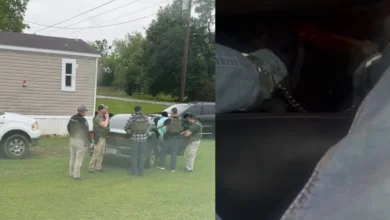
The most stark example of the risks inherent in this system came to light in 2021 with a federal indictment known as "Operation Blooming Onion." Federal prosecutors described a massive labor trafficking conspiracy that spanned several years and involved thousands of workers from Mexico and Central America.
The investigation revealed that labor contractors, such as Javier Sanchez Mendoza, had engaged in a conspiracy to engage in forced labor. Workers were often charged illegal recruitment fees, plunging them into debt bondage before they even arrived in the United States. Once in Georgia, they were subjected to appalling conditions: some were held in overcrowded, unsanitary housing; others were forced to work at gunpoint or had their passports confiscated. In the most egregious instances, workers were paid as little as a few dollars a day, or not at all, while the contractors pocketed the difference.
One woman involved in the case reported being held captive and raped. The sheer scale of the operation—which prosecutors called a form of modern-day slavery—highlighted the total failure of federal and state oversight. Despite the severity of these crimes, the produce harvested by these victims continued to flow into the national supply chain, ending up on the shelves of major grocery retailers without any indication of its origin.

The Obstacles to Consumer Transparency
For a consumer attempting to avoid produce linked to such abuses, the barriers are insurmountable. Current federal regulations do not require produce brands to disclose the specific farms from which they source their products. A typical pint of blueberries in a grocery store might list the state of origin (e.g., "Product of Georgia") or the location of the distributor, but the farm itself remains anonymous.
Furthermore, the supply chain is designed for efficiency and volume rather than traceability. Major brands often source berries from dozens, if not hundreds, of different farms to meet year-round demand. These berries are often "pooled" at packing houses, where fruit from multiple growers is mixed together before being packaged under a single corporate label. This practice effectively erases the identity of the individual farm, making it impossible for a consumer—or even a diligent investigator—to know if a specific pint of berries was picked by a crew managed by a criminal contractor.
When journalists attempted to trace berries from Georgia grocery stores back to individual farms, they found that even when a brand could be linked to a farm with a history of labor violations, the brands often defended the practice by citing the use of independent contractors. This "contractor shield" remains the primary obstacle to corporate accountability in the agricultural sector.

The Fair Food Program: A Potential Solution
While the current system favors opacity, a proven alternative exists. The Fair Food Program (FFP), born out of the Coalition of Immokalee Workers’ efforts in the Florida tomato industry, is widely considered the "gold standard" for protecting farmworkers from abuse.
The FFP operates on a model of "worker-driven social responsibility." Under this program, participating buyers—including major fast-food chains and grocery retailers—agree to purchase produce only from farms that adhere to a strict code of conduct. This code includes zero tolerance for forced labor and sexual assault. Additionally, buyers pay a "penny-per-pound" premium that goes directly into the workers’ paychecks, helping to combat wage theft and poverty.
Critically, the FFP includes an independent monitoring body, the Fair Food Standards Council, which conducts regular audits and maintains a 24-hour complaint hotline for workers. If a farm is found to be in violation of the code and fails to correct the issue, it is suspended from the program, and the participating buyers are contractually obligated to stop purchasing from that farm.

Despite the program’s success in virtually eliminating forced labor in the Florida tomato industry, its adoption in the blueberry sector has been minimal. Only a handful of small blueberry farms currently participate. The expansion of the program is frequently met with resistance from trade groups and large-scale growers who argue that such regulations are burdensome.
Industry Resistance and Official Responses
The response from the corporate entities that dominate the blueberry market has been characterized by silence or deflection. In an extensive outreach effort involving over 75 blueberry brands, grocery stores, and trade groups, only one major brand, Dole, provided a formal statement. Dole asserted that it requires its contract farmers to comply with all labor laws but admitted that while it can trace berries back to specific farms internally, it does not share that information with the public.
Major grocery chains and fast-food corporations have largely declined to explain why they have not joined the Fair Food Program or expanded their participation to include blueberries. Meanwhile, agricultural trade groups have actively lobbied against new Department of Labor (DOL) regulations intended to increase protections for H-2A workers. These groups often argue that the industry should not be penalized for the actions of a "few bad apples," referring to contractors like those in Operation Blooming Onion.

However, labor advocates argue that the issue is not one of individual "bad apples" but a systemic failure of a "bad orchard." As long as the system incentivizes low costs and provides no mechanism for farm-level transparency, the most exploitative contractors will continue to find work, and the most vulnerable workers will continue to suffer.
Analysis of Implications
The persistence of labor abuse in the U.S. agricultural supply chain has profound implications for both human rights and consumer ethics. Without legislative reform to mandate farm-level traceability, the "maddening quest" to find ethically sourced produce will remain a futile exercise for the average American.
The Department of Labor faces significant challenges in enforcing existing laws. With a limited number of inspectors tasked with overseeing hundreds of thousands of farm sites, many labor contractors operate for years without a single inspection. Furthermore, the legal distinction between "farmers" and "labor contractors" often allows the wealthier entities in the supply chain to escape liability for the crimes committed on their property.

Until there is a significant shift in either federal law or corporate policy—such as the widespread adoption of the Fair Food Program—the blueberries in the American refrigerator will continue to represent a moral blind spot. The convenience of the modern grocery store relies on a hidden workforce that, in the absence of transparency, remains susceptible to the very worst forms of exploitation. For now, the green "Fair Food" sticker remains a rare sight in the berry aisle, leaving consumers with no way to ensure that their food is not the product of human suffering.