The U.S. Department of Justice (DOJ) formally moved to dismiss its high-stakes litigation against the state of California on Friday, ending a contentious legal battle that sought to halt the counting of roughly 20,000 ballots the federal government claimed were cast by noncitizens. The voluntary dismissal comes in the wake of the 2026 midterm elections, which saw significant losses for Republican candidates, and follows a series of rebukes from both the judiciary and the Supreme Court regarding the federal government’s intervention in state-run electoral processes.
The move to abandon the suit marks a quiet conclusion to a case that had become a centerpiece of the Trump administration’s broader efforts to challenge the integrity of state-administered elections. By withdrawing the request, the DOJ effectively acknowledged that its primary objective—to sequester and verify the citizenship status of specific ballots before they were tabulated—had become practically impossible as California officials finalized their counts.
A Chronology of Legal Escalation
The friction between the federal government and California election officials reached a boiling point in mid-October 2026. As the state prepared for the midterm cycle, federal prosecutors, led by U.S. Attorney for the Central District of California Bill Essayli, filed the lawsuit alleging that the state’s voter registration databases contained approximately 20,000 individuals who were not U.S. citizens. The administration demanded that these ballots be separated from the general pool to prevent what they characterized as "illegal voting."
On October 24, U.S. District Judge David O. Carter, an appointee of President Bill Clinton, issued a sharp denial of the government’s request for an injunction. In his order, Judge Carter warned that the administrative burden of isolating the ballots would "wreak havoc" on the election process and risked disenfranchising thousands of legitimate voters whose records might have been misidentified as "noncitizen" due to outdated or incomplete federal data.
Following this, the DOJ escalated the matter to the Supreme Court. On November 2, one day before Election Day, the high court rejected an emergency appeal from the Justice Department in an unsigned, one-line order, declining to force California to sequester the disputed ballots. With the legal avenues for intervention closed and the counting process well underway, the DOJ’s decision to dismiss the suit on November 6 was viewed by legal analysts as a tactical recognition that the case had been rendered moot by the progression of the election.
The Mechanism of Anonymization and Verification
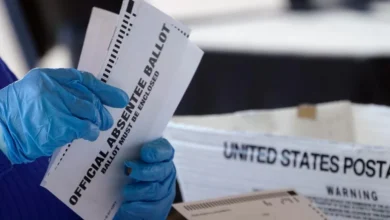
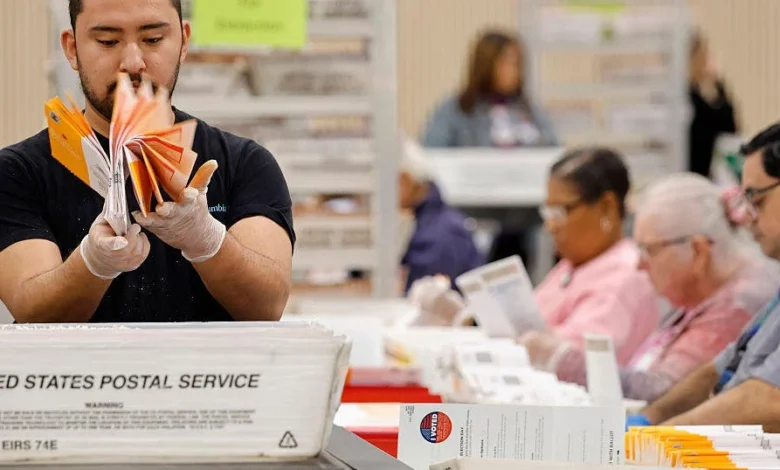
A primary technical hurdle highlighted during the litigation was the nature of the ballot-processing system. Once a mail-in ballot is received, verified, and removed from its identifying envelope, it is anonymized to ensure ballot secrecy. California election officials argued—and the court ultimately accepted—that once this separation occurs, it is legally and technically impossible to link a specific ballot back to an individual voter.
By the time the DOJ filed its motion to dismiss, California had already processed roughly 9 million ballots, with approximately 5 million remaining in the pipeline. The motion stated that because the challenged ballots had been "commingled with lawful ones," the specific relief requested by the government was no longer achievable.
"The relief the United States sought and needed is no longer available—rendering voluntary dismissal necessary," the motion stated. This admission reflects the standard legal reality that when an election process reaches a point of irreversibility, courts are highly reluctant to intervene in a manner that would threaten the privacy of the vote or the speed of the count.
Broader Implications for Election Integrity
The California litigation was not an isolated incident. Throughout the 2026 election cycle, the Department of Justice pursued a strategy of heightened scrutiny regarding voter eligibility. A parallel lawsuit in Alaska, which sought to challenge the victory of a Democratic candidate in a Senate race, was dismissed with similar speed by a federal judge. The administration is currently appealing that decision in the Ninth Circuit Court of Appeals, though observers note that the lack of a full brief suggests the momentum behind these challenges has waned.
The administration’s focus on noncitizen voting has sparked a national debate regarding the efficacy of federal voter databases. While the DOJ argued that its intervention was a necessary safeguard for election integrity, voting rights advocates and state officials have consistently countered that the lists provided by federal agencies are often riddled with errors. They point to the fact that many individuals flagged as "noncitizens" are, in fact, naturalized citizens whose status simply has not been updated in the specific federal records used by the DOJ to cross-reference voter rolls.
California officials noted that while they have identified instances of voter fraud—leading to the recent arrest of over 30 noncitizens for illegal registration and, in some cases, past voting—these instances represent a fraction of the total electorate. Critics of the DOJ’s strategy argue that the use of broad subpoenas against election clerks in the week leading up to an election served more as a political deterrent than a surgical law enforcement action.
The Role of the Special Master
In late October, Judge Carter had appointed a special master to evaluate the accuracy of the government’s list of suspected noncitizens. The special master was tasked with determining whether California’s election systems possessed the capacity to isolate the ballots in question without infringing on the rights of legal voters.
With the dismissal of the lawsuit, the special master’s mandate has effectively evaporated. The focus now shifts toward whether the Justice Department will continue its pursuit of the individuals identified in the criminal investigations or if the dismissal of the civil suit signals a pivot away from the aggressive litigation strategy that characterized the pre-election period.
Official Responses and Future Outlook
The U.S. Attorney’s Office for the Central District of California has declined to provide further comment, deferring all inquiries to the Department of Justice in Washington, D.C. The DOJ, in turn, did not respond to requests for comment regarding whether it intends to continue its broader oversight efforts of state voter rolls.
For California, the focus remains on the completion of the vote count. Secretary of State officials have maintained that the state’s election infrastructure is secure and that the safeguards currently in place—including signature verification and robust voter registration checks—are sufficient to maintain the integrity of the results.
As the dust settles on the 2026 midterm elections, the failed challenge in California is likely to serve as a significant case study in the limits of federal power regarding the administration of state elections. The legal consensus following the Supreme Court’s intervention and the subsequent dismissal of the case is that the judiciary is unlikely to allow federal agencies to disrupt the orderly counting of votes based on disputed, non-verified administrative lists.
While the rhetoric surrounding "illegal voting" will likely remain a persistent feature of the national political landscape, the failure of the DOJ’s litigation in both California and Alaska suggests that the bar for federal intervention in local election procedures remains exceptionally high. The coming months will likely see further analysis of how the DOJ utilized its resources during the campaign season and what, if any, lasting changes will be made to how federal agencies and state election offices coordinate on voter eligibility data.