Dune Part Three Will Feature Major Departures From Frank Herbert Literary Source Material

The highly anticipated conclusion to Denis Villeneuve’s sweeping science-fiction trilogy, Dune Part Three, is poised to reshape the cinematic landscape once again. As the production prepares for its theatrical debut on December 18, the cast and crew have begun to pull back the curtain on what fans can expect from the adaptation of Frank Herbert’s 1969 sequel novel, Dune Messiah. While the film remains rooted in the thematic DNA of the Herbert literary franchise, those closest to the production have confirmed that audiences should prepare for significant narrative deviations from the original text.
A Bold New Vision for the Desert Planet
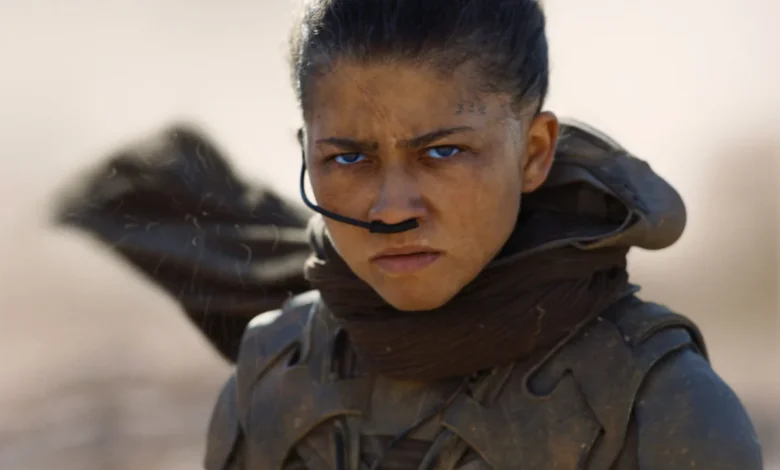
The creative team behind the trilogy has long balanced the responsibility of honoring Herbert’s dense, complex world-building with the practical demands of modern filmmaking. Zendaya, who reprises her role as Chani, emphasized this delicate equilibrium in a recent interview with The New York Times. "There’s a lot in this film that is very true to the source material, and there are departures," she noted, suggesting that Villeneuve has prioritized the emotional resonance of the story over a literal translation of the novel’s plot points.
Joining the ensemble for the trilogy’s climax is Robert Pattinson, who makes his debut in the franchise as the enigmatic character Scytale. Pattinson, known for his selective approach to blockbusters, praised the script for its complexity and its surprising tonal shift. "The script was really cool, but it was quite complicated," Pattinson remarked. "And watching the film, it’s not about what I thought it was going to be about at all. It reads as much more of a grand political, moral fable, and the movie is so much more emotional. A lot of it is about parenting, and I just thought it was so moving."
Pattinson also addressed the inevitable scrutiny that comes with adapting such a revered literary pillar. He cautioned purists against reflexive criticism, stating, "You got to be kind of crazy if you’re going to be picking fault with this one." His sentiments underscore a growing consensus among the cast that the film functions as a distinct artistic entity, standing alongside the books rather than merely serving as a visual supplement to them.
The Evolution of the Trilogy: A Chronological Overview
The journey of the Dune franchise under Villeneuve has been defined by steady growth and the gradual cementing of its status as a modern cultural touchstone. The timeline of this cinematic resurgence is as follows:
- October 2021: The first installment, Dune, is released amidst the ongoing global pandemic. Despite a simultaneous release strategy on HBO Max, the film manages a respectable $410 million global box office haul, proving the franchise’s potential.
- March 2024: Dune: Part Two arrives exclusively in theaters. The film becomes a massive critical and commercial success, grossing $714 million worldwide and revitalizing interest in large-scale, high-concept science fiction.
- December 2026: The conclusion of the trilogy, Dune Part Three, is scheduled for release, aiming to solidify its place as a generational cinematic event.
This trajectory reflects a broader shift in the theatrical market. Florence Pugh, who returns as the Princess Irulan, credits the Dune series with a pivotal role in the resurgence of moviegoing. "What an event the second one was," Pugh observed. "It was just so lovely to be a part of something that we know is our generational kind of Star Wars."
The Stakes of the Grand Finale
The release of Dune Part Three is strategically positioned at the end of a robust fiscal year for the film industry. The box office projections for its opening weekend are historic, largely due to a rare alignment of massive intellectual properties. The film will open simultaneously with Marvel’s Avengers: Doomsday, a pairing that analysts expect to trigger the highest-grossing single weekend in cinema history.
For the lead actor, Timothée Chalamet, the pressure to conclude the trilogy on a high note was significant. When asked if he felt the final installment successfully concludes the arc established in the previous two films, Chalamet expressed full confidence. "Absolutely. It didn’t feel like the bar dropped at all, Denis just changed the location of the bar. This movie is its own thing," he said. This perspective suggests that Villeneuve has avoided the common pitfall of "franchise fatigue," instead opting to evolve the stakes and scope of the narrative as it reaches its conclusion.
Analyzing the "Departures" and Their Impact
The decision to deviate from Frank Herbert’s Dune Messiah is not merely a creative choice; it is a necessity for narrative pacing. While the first two films covered the events of the original 1965 novel, Messiah presents a much more insular, cynical, and psychological narrative. By shifting the focus toward the "grand political, moral fable" mentioned by Pattinson, the film likely aims to synthesize the sprawling history of the Dune universe into a coherent, emotional finale that resonates with contemporary audiences.
From a production standpoint, the departures allow for better character development. By focusing on the emotional toll of power and the complexities of parenting—themes touched upon by the cast—the film moves beyond the "chosen one" trope that dominates much of the genre. This focus on internal conflict rather than external conquest is likely where the most significant departures from the source material will occur.
The Cultural Significance of the Dune Revival
The success of the Dune films has provided a much-needed lifeline to the exhibition industry. Following the disruptions caused by the COVID-19 pandemic and the subsequent labor strikes that halted production across Hollywood, the return of audiences to theaters has been a primary concern for major studios. Warner Bros. and Legendary, the primary stakeholders, have leaned heavily into the "event" nature of the franchise.
Zendaya reflected on this importance, stating, "Any opportunity that we have that we can hopefully contribute to the moviegoing experience and keep that alive, because it’s so much a part of my life, my childhood, so many people’s lives—it’s the reason we do it."
The industry impact of this franchise cannot be overstated. By successfully translating a "unfilmable" book series into a massive, multi-part cinematic achievement, Villeneuve has demonstrated that there is still a significant audience for high-budget, intellectual science fiction that does not rely solely on pre-existing superhero IP.
Looking Ahead: The Final Chapter
As December 18 approaches, the anticipation surrounding Dune Part Three continues to build. The combination of Villeneuve’s singular visual style, the depth of the cast, and the massive scale of the production suggests that the trilogy will remain a subject of analysis for years to come. Whether the "departures" from the source material will satisfy the most ardent fans of Frank Herbert’s work remains to be seen, but the early feedback from the cast indicates that the production team is prioritizing narrative integrity and emotional depth above all else.
Ultimately, the film stands as a testament to the power of big-screen storytelling. As the industry looks to maintain the momentum established by the previous two films, Dune Part Three serves as a focal point for the future of blockbuster cinema. It is a bold conclusion to a story that has spanned decades in literature and now, through a careful blend of fidelity and innovation, has cemented its legacy in the annals of film history. Through its exploration of power, morality, and the human condition, the final chapter promises to be not just a successful sequel, but a defining moment for a generation of moviegoers.
Related posts: