As the United States stands on the precipice of a high-stakes midterm cycle, President Donald Trump has framed the upcoming November 3, 2026, elections as a defining moment for the nation’s trajectory. With over 57 million ballots already cast through early voting and mail-in options, the political landscape is characterized by intense mobilization, last-minute candidate shifts, and significant legal battles that reach to the highest levels of the judiciary.
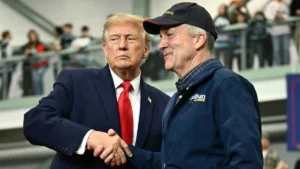
The President’s rallying cry, delivered during a virtual event for New York GOP candidates Mike Lawler and Bruce Blakeman, underscored his belief that his own political influence remains the primary driver of Republican turnout. "You have to pretend I’m on the ballot because when I’m on the ballot, we get almost 50% more voters out," Trump stated, projecting confidence that his supporters’ engagement will result in a "tremendous victory" for the party.
The State of Play: Early Voting Records and Voter Enthusiasm
The electorate has shown unprecedented engagement in this cycle. Data from the University of Florida Election Lab confirms that 57 million Americans have already participated, a figure that dwarfs the 46 million early votes recorded during the 2022 midterms. This surge in early participation suggests that both parties have successfully implemented robust "get out the vote" strategies, though the partisan breakdown of these ballots remains a subject of intense speculation and internal polling analysis.
In Texas, Democratic strategists are pointing to a potential "Hispanic hurricane," a term coined by political consultant Chuck Rocha to describe a significant shift in the Hispanic vote back toward the Democratic column. While President Trump saw historic gains with this demographic two years ago, current frustrations regarding economic conditions and immigration policy, coupled with the administration’s approval ratings, have injected new life into Democratic campaigns for the Senate and governorship.
Michigan’s Political Turbulence and the Stevens-Rogers Pivot
Perhaps the most dramatic development in the final 48 hours of the campaign occurred in Michigan. Democratic Representative Haley Stevens announced a late-stage endorsement of Republican Senate candidate Mike Rogers, a decision that has sent shockwaves through the Democratic establishment. The move, which constitutes a reversal from her previous support for fellow Democrat Abdul El-Sayed, has been characterized by House Speaker Emerita Nancy Pelosi and Senate Minority Leader Chuck Schumer as a "despicable act" and a "dangerous betrayal."
The internal party strife stems from a sharp divergence in ideology regarding U.S. foreign policy and the future of the Democratic platform. Representative Stevens cited the "painful" nature of campaign messaging—specifically an ad from an outside group that she felt promoted anti-Semitic tropes—as a catalyst for her departure from the party line. In response to the fallout, the El-Sayed campaign reported a record-breaking $2.4 million in donations within 24 hours of the endorsement, suggesting that the controversy has served to galvanize his base rather than undermine it.
The Trump Administration’s Closing Message
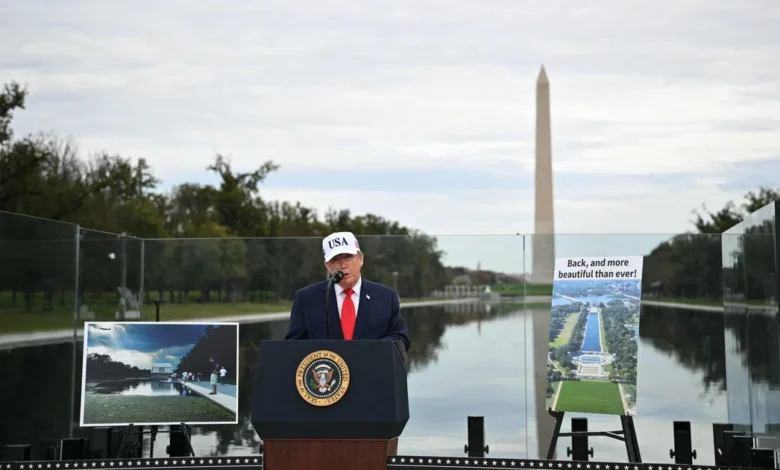
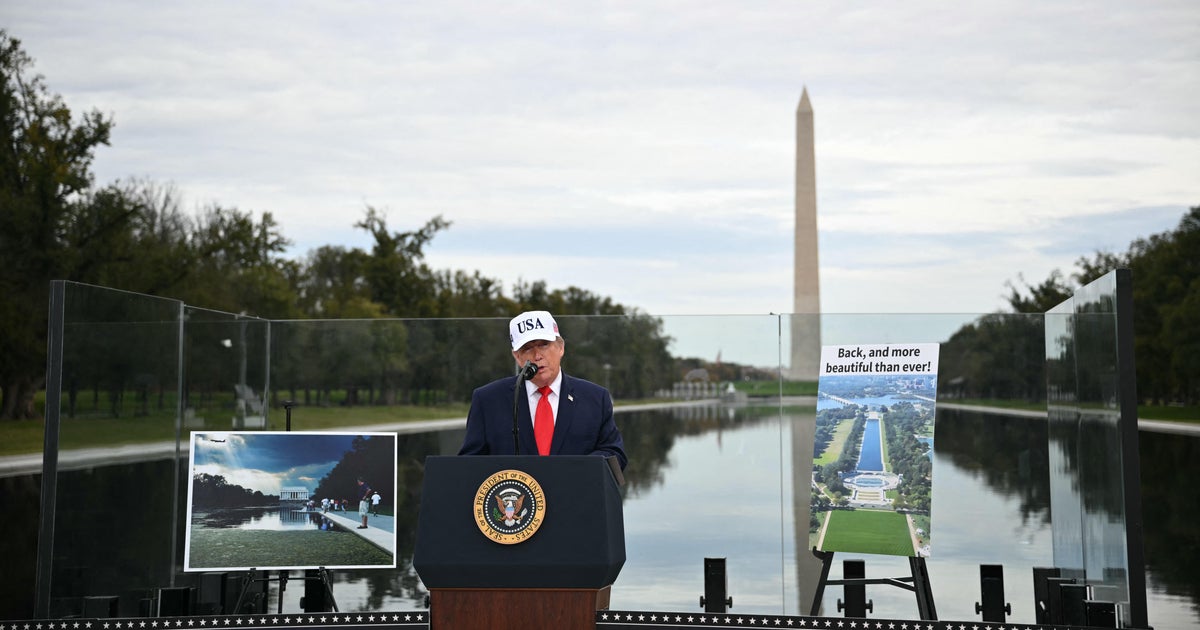
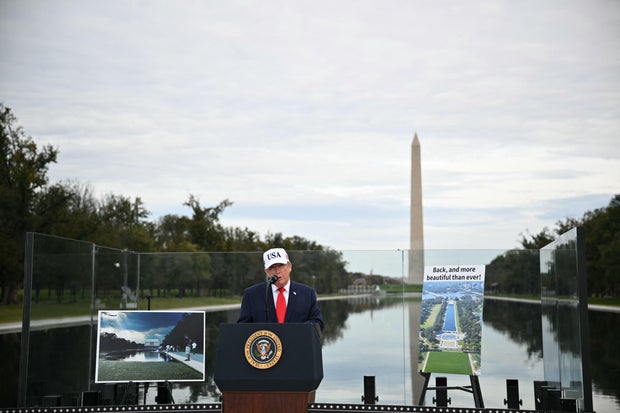
President Trump’s final campaign activities have been unconventional, focusing heavily on his administration’s infrastructure initiatives, such as the restoration of the Lincoln Memorial Reflecting Pool. While critics and some political analysts have questioned the strategic focus on the pool’s renovation—which was plagued by contractor errors and accusations of vandalism—the President has used the site as a backdrop to emphasize his "America First" agenda. He has consistently tied his economic policies, including widespread tariffs, to a "Golden Age of America," claiming that his administration has facilitated $25 trillion in wealth creation.
In his final interviews, including a sit-down with conservative media figures, the President adopted a tone of defiance. He stated that he would become "Mr. Veto" should the opposition take control of Congress, though he left the door open for future legislative deal-making.
Legal Challenges and Constitutional Disputes
The run-up to Election Day has not been without legal friction. The Trump administration has petitioned the Supreme Court to intervene in California, seeking to segregate mail-in ballots from thousands of individuals whom the Department of Justice claims are not U.S. citizens. Solicitor General D. John Sauer argued that once these ballots are commingled, the integrity of the vote is irreparably compromised.
Simultaneously, in Alaska, a federal judge dismissed an effort by the administration to block the certification of Senate election results should Republican incumbent Dan Sullivan lose. The lawsuit had alleged that a namesake candidate—a teacher named Daniel J. Sullivan—was placed on the ballot specifically to confuse voters. The court found that the federal government lacked standing, though the Department of Justice has already filed an appeal.
Battleground Dynamics: Assessing the Path to Control
Control of Congress rests on a narrow margin of key districts and states. CBS News has identified 47 House districts as the primary battlegrounds, with Republicans defending a razor-thin majority of 218 seats. The Battleground Tracker model suggests a volatile environment where Democrats could potentially net enough seats to secure a majority, though the outcome remains within the margin of error in several districts.
In the Senate, 11 key races are expected to determine the upper chamber’s majority. Republicans currently hold 53 seats, but their defenses in states like Texas, Iowa, and Maine are being tested by aggressive Democratic campaigns. In Iowa, for example, Democratic candidate Josh Turek is pushing a "sanity" platform, while in Maine, Republican Senator Susan Collins is attempting to balance her record of bipartisan federal funding against accusations from opponents that she has not sufficiently distanced herself from the national party.
Tactical Shifts in the Final Hours
Campaign schedules have been fluid as election day approaches. The Texas Senate race saw a notable cancellation of a high-profile event for Republican Ken Paxton at the Alamo, with the campaign redirecting resources to other parts of the state. Meanwhile, Vice President JD Vance has been active on the trail, targeting Northern New York to support Anthony Constantino, employing aggressive rhetoric against Democratic opponents to solidify the GOP’s hold on the region.
As candidates make their final pitches, the core issues remain consistent: the cost of living, the efficacy of the current immigration enforcement, and the ideological direction of the parties. For the Democratic candidates, the strategy has been to frame the midterms as a referendum on the administration’s handling of national and international crises. For the Republicans, the goal is to characterize the opposition as "extremist" and to ensure that their base, which has historically shown lower midterm turnout than presidential election years, fully participates.
Implications for the Future
The outcome of this election will set the legislative agenda for the remainder of the President’s term. A Republican-held Congress would likely continue to support the administration’s tariff-heavy economic policies and immigration crackdowns. Conversely, a Democratic-controlled legislature would almost certainly result in a period of intense oversight, legislative gridlock, and a reliance on the veto power the President has already signaled he is prepared to use.
The high volume of early voting and the intensity of the rhetoric suggest that the electorate is highly polarized. As the nation prepares to head to the polls on Tuesday, the results will not only decide the legislative majority but also serve as a barometer for the political identity of the American electorate for the coming years. Whether the "Hispanic hurricane" or the "MAGA momentum" prevails remains the central question of this cycle, a question that will be answered as ballots are counted across the 50 states.
With the final rallies concluded and the legal challenges reaching their apex, the focus now shifts entirely to the voters. The rhetoric from both sides—ranging from the President’s warnings of a "Golden Age" at stake to the Democratic focus on "protecting the future"—has ensured that voter participation will likely be among the highest in modern midterm history. As the polls prepare to open, the nation remains divided, waiting to see which vision of America will guide the federal government into the next session of Congress.
Related posts: