The Squad Victory Fund Reaches Record Fundraising While Maintaining Bans on Police and Corporate Donations

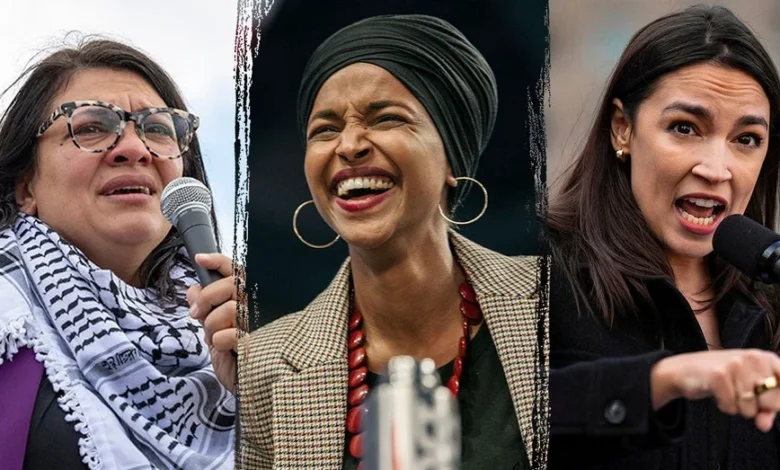
The landscape of progressive campaign finance continues to evolve as joint fundraising committees adopt strict ideological gatekeeping mechanisms to vet their contributors. The Squad Victory Fund, a joint political action committee representing some of the most prominent progressive figures in the United States House of Representatives, has officially secured a record-breaking $2.35 million for the 2025–2026 election cycle. Despite its impressive financial haul, the committee’s internal governance and compliance documents highlight a distinct policy: a formal prohibition against accepting contributions from the Fraternal Order of Police (FOP), alongside traditional bans on corporate money, federal lobbying outfits, and fossil fuel interests.
Authorized by Representatives Alexandria Ocasio-Cortez of New York, Ilhan Omar of Minnesota, Ayanna Pressley of Massachusetts, and Rashida Tlaib of Michigan, the committee functions as a unified fundraising pipeline. It allows these high-profile lawmakers—commonly referred to within political circles as "The Squad"—to pool resources alongside four allied political action committees. According to Federal Election Commission (FEC) filings and financial disclosures, this collective approach has generated unprecedented monetary support from grassroots donors and progressive political action groups, even as the committee implements stringent parameters regarding who is allowed to invest in its political future.
Structural Mechanics of the Squad Victory Fund
To understand the scope and scale of the Squad Victory Fund, one must examine how the joint committee distributes its resources among participating entities. Under FEC regulations, joint fundraising committees allow multiple candidates and political committees to share the administrative and overhead costs of raising money, while streamlining the contribution process for donors who wish to support a specific ideological wing of a political party.
For the 2025–2026 election cycle, the Squad Victory Fund operates with eight distinct participants: the four primary congressional campaign committees for Representatives Ocasio-Cortez, Omar, Pressley, and Tlaib, alongside four allied political action committees.
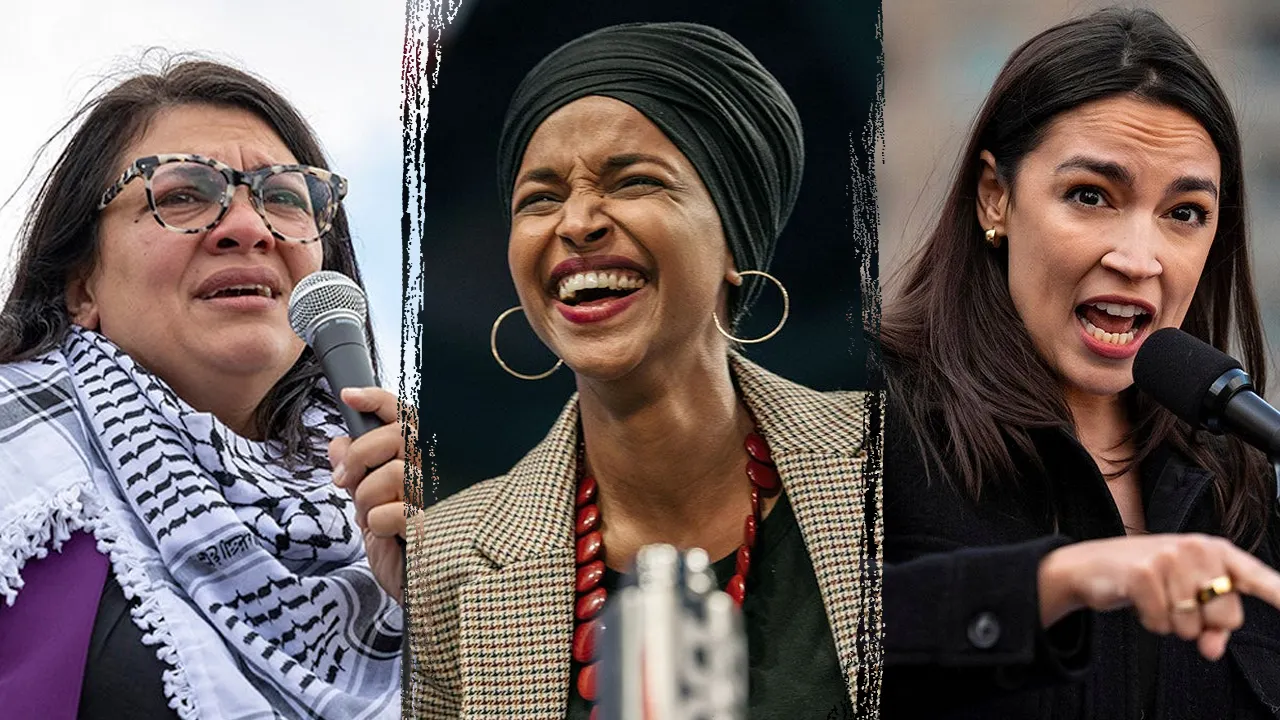
According to the fund’s allocation formula, contributions are typically divided equally among the eight participating entities, with each slated to receive an even 12.5% share of the net proceeds. However, the committee’s compliance framework does afford donors a degree of flexibility, permitting individuals to designate specific percentages or whole amounts of their contributions to designated participants within the coalition.
Despite these structural flexibilities, the firewall keeping certain industries and organizations out of the fund remains rigid. While corporate political action committees, fossil fuel corporations, and federal lobbying firms are routinely barred from progressive campaign treasuries due to ideological stances on environmental policy and corporate influence, the explicit exclusion of the Fraternal Order of Police—the nation’s largest law enforcement labor organization—underscores the complex and often strained relationship between progressive lawmakers and traditional public safety unions.
Financial Disclosures and Campaign Expenditures
Federal Election Commission records provide a granular look at the financial health and operational tempo of the Squad Victory Fund throughout the ongoing election cycle. With a total haul of $2,351,388.02 reported to date, the committee has shattered its previous fundraising benchmarks, reflecting a robust digital fundraising apparatus and sustained interest from progressive donors nationwide.
However, the influx of capital has been met with significant operational spending. Financial summaries filed through the end of the first quarter of 2026 indicate that the committee has expended approximately $1.6 million on various campaign-related services, digital outreach, compliance consulting, and administrative overhead. Consequently, the fund reported a modest cash-on-hand balance of roughly $68,000 as of the latest reporting period. Because the committee remains an active political entity authorized for the 2026 midterms, these figures are fluid and subject to continuous adjustment as new fundraising quarters conclude.
Federal disclosures also remind contributors that donations made to the Squad Victory Fund are not tax-deductible under federal law, a standard regulatory notice for political contributions intended to influence federal elections. The reliance on small-dollar, grassroots donations has long been a hallmark of the coalition’s political identity, allowing lawmakers like Ocasio-Cortez and Tlaib to routinely out-raise traditional establishment figures without relying heavily on corporate PAC money.

The Evolution of Progressive Campaign Finance and the Police Exclusion
The explicit ban on donations from the Fraternal Order of Police reflects a broader ideological pivot within the progressive wing of the Democratic Party regarding criminal justice reform, law enforcement accountability, and union politics. In the wake of nationwide social justice movements that gained immense momentum following the events of 2020, progressive lawmakers have increasingly distanced themselves from traditional law enforcement lobbying groups.
The Fraternal Order of Police, which represents hundreds of thousands of rank-and-file police officers across the United States, frequently endorses candidates from both major political parties, though its ideological alignment heavily favors conservative and moderate candidates who champion traditional "law and order" platforms. For progressive lawmakers who have historically advocated for systemic reforms to policing, reductions in certain municipal police budgets, and enhanced federal oversight of law enforcement agencies, accepting financial backing from the FOP would run counter to their core political platforms.
While the committee’s official public disclosures and filing documents do not explicitly detail the rationale behind the FOP exclusion beyond listing the organization among prohibited donor categories, political analysts point to the symbolic and policy-driven necessity of the ban. For a coalition whose brand is built upon challenging institutional power structures—including the criminal legal system—maintaining financial purity from police unions is viewed as essential to retaining credibility among its progressive base.
Broader Implications for the 2026 Midterm Elections
The financial milestones achieved by the Squad Victory Fund arrive at a critical juncture in American politics. As both political parties gear up for the 2026 midterm elections, ideological factions within the Democratic Party are fiercely competing for influence over policy platforms, congressional leadership, and primary election outcomes.
The success of the Squad Victory Fund demonstrates that despite facing intense pushback from political opponents and moderate factions within their own party, progressive incumbents retain a highly mobilized and financially generous donor base. This financial security provides Ocasio-Cortez, Omar, Pressley, and Tlaib with the necessary resources to defend their seats against well-funded primary challengers, invest in voter turnout operations, and amplify their legislative priorities on Capitol Hill.
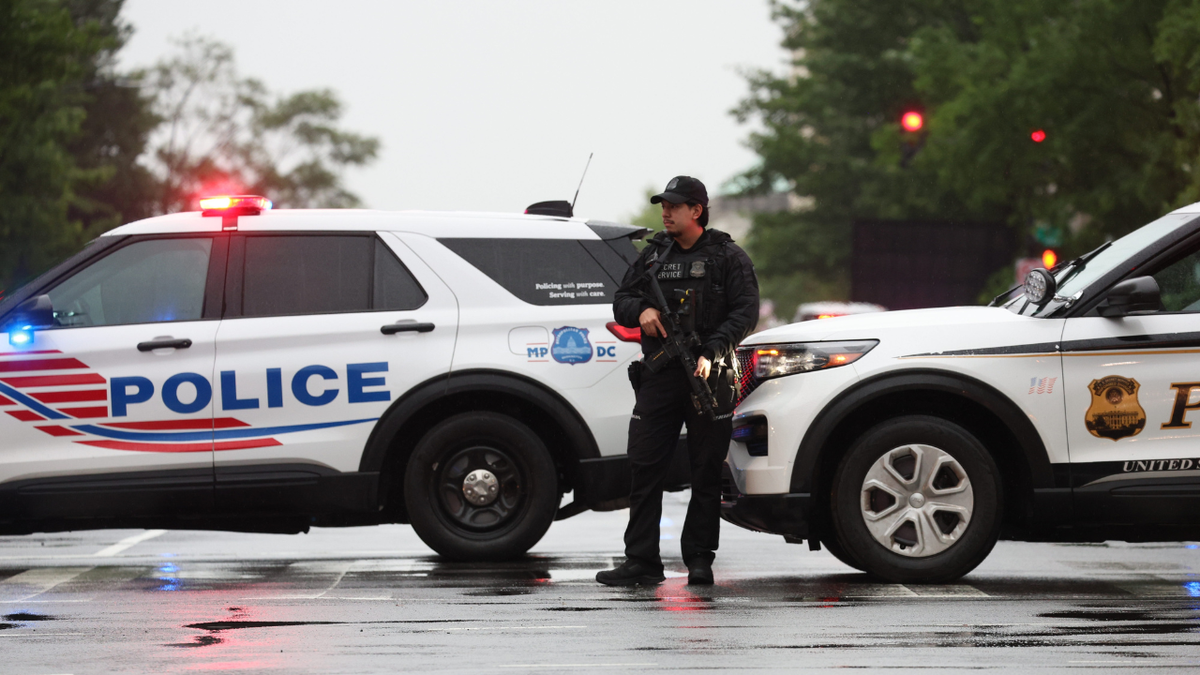
At the same time, the stringent donor restrictions—particularly the blacklisting of corporate interests, fossil fuel executives, and the nation’s premier police union—serve as a defining characteristic of modern progressive politicking. By codifying these exclusions into their joint fundraising rules, the lawmakers are signaling to their constituents that their legislative agendas will remain insulated from the influence of traditional power brokers and industry lobbies.
As the 2026 election cycle progresses, political observers will closely monitor how the Squad Victory Fund deploys its record-setting capital. Whether these funds will be channeled primarily into defending incumbent seats or expanding the progressive footprint through strategic investments in allied campaigns remains to be seen. What is clear, however, is that the financial architecture built by Ocasio-Cortez, Omar, Pressley, and Tlaib remains a potent force in contemporary American campaign finance—one explicitly designed to draw sharp ideological lines regarding who is permitted to invest in the future of the progressive movement.
Related posts: