Two years ago, President Donald Trump achieved a historic realignment within the American electorate by securing substantial gains among Hispanic voters nationwide, effectively capturing a majority of the Hispanic vote in Texas. This surge shattered long-held political assumptions and stymied Democratic efforts to transform the Lone Star State into a competitive battleground. However, as the 2026 midterm elections draw near, the political winds in Texas appear to be shifting once again. Driven by a confluence of economic anxiety, concerns over federal immigration enforcement, and a cooling of enthusiasm for the incumbent administration, Hispanic voters are emerging as the focal point of a fierce struggle for control over the state’s Senate, gubernatorial, and congressional races.
The current political environment in Texas suggests that the "Hispanic hurricane" forecasted by Democratic strategists may be reaching the shore, though the ultimate intensity of this shift remains a subject of intense debate between the two major parties. With approximately 39 million Hispanic Americans now eligible to vote—an increase of 5.2 million since 2022—the demographic weight of this group is impossible to ignore. As both parties vie for influence, the outcome of these races could hold profound implications for the national legislative agenda and the future of party coalitions in an increasingly diverse United States.
A Chronology of Political Realignment
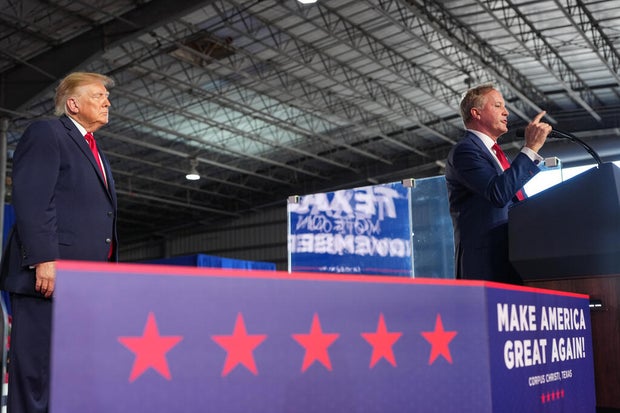
To understand the current tension, one must look back at the trajectory of Hispanic voting patterns over the last decade. In 2016, Hispanic voters were largely considered a reliable cornerstone of the Democratic base. By 2020, while the group remained largely in the Democratic column, cracks in that foundation began to appear. The 2024 general election served as the inflection point: President Trump captured roughly 48% of the national Hispanic vote, a 12-point increase from 2020 and a 20-point leap from 2016.
The transformation was most acute in Texas, particularly within the Rio Grande Valley. Historically a "blue" stronghold, counties in this region began trending "light red" as voters signaled a growing dissatisfaction with the status quo. Mr. Trump’s success in these areas was predicated on a message of economic populism and a critique of the "rigged" political system, which resonated with working-class families feeling the strain of inflation and shifting cultural landscapes.
However, the political climate of 2026 presents a different set of challenges. Current polling data indicates that the President’s approval rating among Latinos has slipped to approximately 24%, a stark decline from the 93% approval he enjoyed in February 2025. This volatility highlights a broader phenomenon: the emergence of a "dealignment" rather than a permanent realignment, where voters are increasingly willing to migrate between parties based on immediate performance rather than inherited partisan loyalties.
The Economic and Policy Drivers of Voter Sentiment
The primary engine of this potential shift is the economy. Rising costs for fuel, groceries, and housing have hit Texas families hard, creating a pervasive sense of frustration that transcends traditional party lines. Democratic strategist Chuck Rocha, founder of Solidarity Strategies, argues that Hispanic voters are "monolithically mad" at the current economic conditions. For many, the promise of prosperity under the current administration has not materialized, leading them to reconsider their support for GOP candidates.
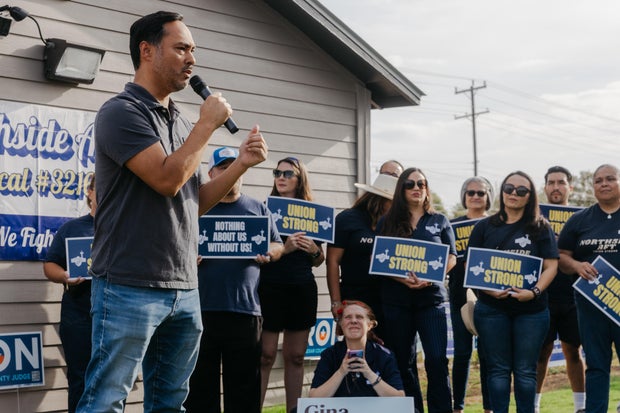
Beyond economics, immigration policy has become a flashpoint for intense debate. In South Texas, the visibility of federal immigration enforcement—particularly the actions of Immigration and Customs Enforcement (ICE)—has created a sense of unease. Democratic Representative Joaquin Castro has been vocal in his critique, suggesting that the targeting of Latino communities has catalyzed a surge in political engagement. According to Castro, the feeling among many Hispanic men that they are being treated as "criminals" has created a backlash that the Republican Party may struggle to overcome.
Conversely, Republican officials, such as Daniel Garza of the LIBRE Initiative, maintain that these concerns are being overstated by Democratic campaigns. Garza argues that the Republican floor for Hispanic support has permanently risen, moving from roughly 25% a decade ago to a baseline of 35% to 37% today. He contends that many Hispanic voters in Texas, particularly those working in the energy and law enforcement sectors, remain deeply skeptical of the Democratic platform, which they view as disconnected from their values of self-reliance and border security.
Statistical Context and Polling Data
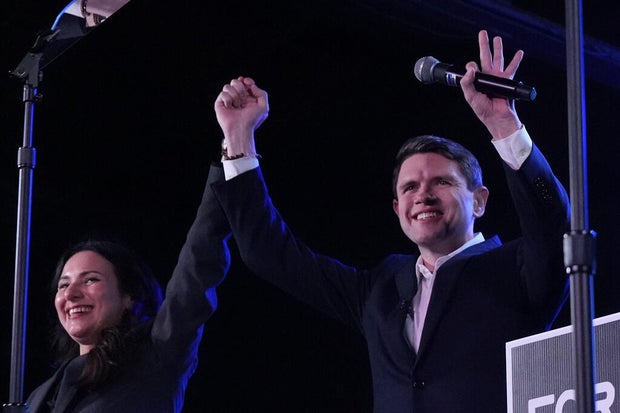
The statistical landscape provides a complex picture of the electorate. In an October 2026 CBS News poll, 60% of Hispanic voters indicated an intent to vote for Democratic Senate candidate James Talarico over his Republican challenger, Ken Paxton. Similarly, Democratic gubernatorial candidate Gina Hinojosa led incumbent Governor Greg Abbott by a comparable margin among the same demographic.
Yet, these numbers must be viewed alongside historical context. The Rio Grande Valley has a long history of ticket-splitting. Even in the 2024 election, while President Trump won Hidalgo County, Democratic congressional candidates managed to retain seats in the same jurisdictions. This suggests that the Texas Hispanic voter is highly discerning, often prioritizing candidate quality and specific regional issues over national party branding.
Furthermore, early voting data from the 2026 cycle shows a 63% increase in participation in Hidalgo and Cameron counties compared to the 2022 midterms. While both parties are eager to claim this surge as a sign of their own momentum, analysts caution that high turnout does not inherently favor one party. It may simply reflect a highly energized, polarized electorate responding to the high stakes of the upcoming contests.
Institutional Responses and Campaign Strategies
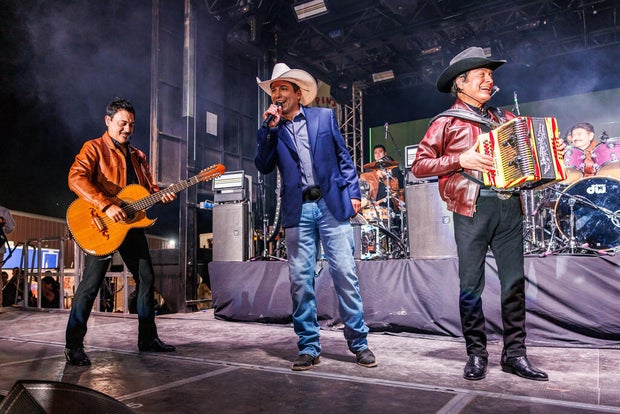
The intensity of the competition is reflected in the record-breaking campaign spending and innovative outreach efforts. Democratic candidates are moving away from traditional late-cycle ad buys, instead integrating their messaging into cultural events that matter to the community. Talarico’s campaign, for instance, invested $800,000 in advertising during the World Cup, recognizing the importance of reaching voters through the channels they consume. Similarly, Hinojosa utilized high-profile boxing matches to target Hispanic male voters, effectively meeting them where they are.
The Republican response has been to focus on the administration’s economic record, specifically highlighting the decline in Hispanic poverty rates, which fell to 13.9% last year. President Trump continues to frame his administration as the primary driver of Hispanic prosperity, urging voters to protect the gains they have made under his tenure. Representative Monica De La Cruz, who faces a tight reelection battle, has balanced this message by advocating for solutions that address border security without alienating the "hardworking immigrant families" that constitute a significant portion of her district.
Broader Implications for American Politics
The situation in Texas serves as a microcosm for the national political landscape. With several competitive congressional districts in California, Arizona, Florida, and Pennsylvania also boasting substantial Latino populations, the outcome in Texas will likely set the tone for the 2028 presidential cycle. If Democrats can successfully re-engage the Hispanic electorate, they may force the GOP to rethink its messaging regarding both the economy and the border.
However, should the Republican base hold firm, it would confirm that the shift in 2024 was not merely a temporary reaction to the incumbent, but a fundamental change in the American political map. As Election Day approaches, the focus remains on the "swingy" nature of the electorate. The fact that neither party can claim a monopoly on the Hispanic vote indicates that the era of treating this demographic as a monolith has firmly ended. Instead, the focus has shifted to the nuanced, issue-based, and highly localized concerns of voters who are increasingly looking for concrete results rather than partisan rhetoric.
The race for the soul of the Texas Hispanic vote is a test of which party can best address the dual anxieties of affordability and identity. As the final ballots are cast, the results will undoubtedly reshape the strategies of both the Democratic and Republican parties for years to come, confirming that in the battle for the future of the nation, the Lone Star State remains the ultimate proving ground.
Related posts: