The Evolution of Mountain Hospitality: How Gravity Haus is Redefining the Ski Town Experience Beyond the Overnight Stay

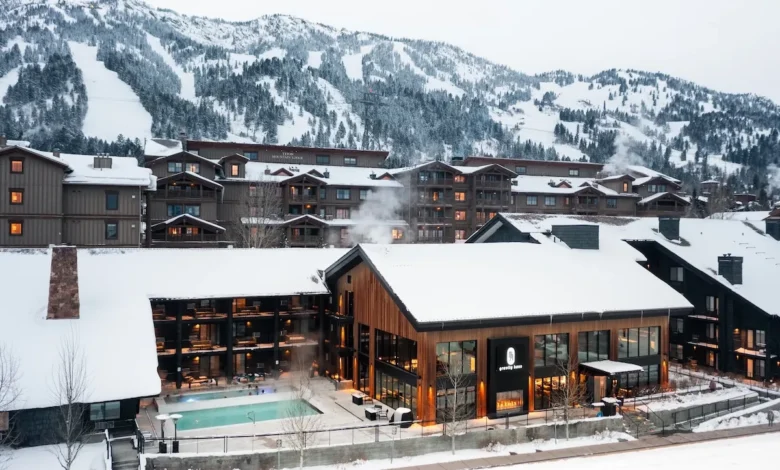
The modern mountain town getaway is undergoing a profound transformation, driven by shifts in remote work culture, flexible lifestyles, and consumer demand for experiential utility rather than traditional accommodation. At the forefront of this shift is Gravity Haus, a hospitality and membership brand that is reimagining what it means to visit, work, and play in premier outdoor destinations across North America. Founded with the premise that mountain life should integrate seamlessly into everyday routines, the company has scaled its footprint to 13 properties spanning the western United States and British Columbia, bridging the gap between hotels, private social clubs, coworking spaces, and wellness hubs.
Redefining Mountain Utility: The Day-Use Revolution
To understand the core business model of Gravity Haus, one need only look past the traditional metrics of hotel occupancy and average daily rate (ADR). According to Jim Deters, the company’s founder and chief executive officer, some of the most revealing utilization patterns involve members who never check into a guest room.
Deters frequently highlights a common scenario: a parent drives up from the Denver metropolitan area early in the morning, drops their children off at local ski school, and utilizes a Gravity Haus membership to establish a functional basecamp for the day. Instead of sitting idle or searching for disparate Wi-Fi hotspots in local coffee shops, the member seamlessly transitions between a dedicated coworking space, a high-end fitness center, and onsite dining options. They can hit the slopes for a few morning runs, take video conference calls in a professional environment, and wait out the notoriously heavy Interstate 70 ski traffic in comfort. In the evening, the family reconvenes and drives back home.
In this framework, the property serves as a multi-functional ecosystem throughout the day, generating revenue from ancillary services, F&B (food and beverage), and membership dues, all without requiring an overnight bed reservation. This business model diversifies income streams, reduces reliance on seasonal tourism fluctuations, and builds deep, recurring loyalty among regional locals and frequent visitors alike.
The Genesis and Growth of Gravity Haus
The conceptualization of Gravity Haus emerged during a broader cultural shift toward experiential membership economies and the hyper-flexibility enabled by remote work technologies. Traditional mountain towns have long faced a dichotomy: they are either prohibitively expensive second-home markets or transactional, high-turnover tourist hubs where visitors pay premium rates for lodging they only use intermittently.

Deters and his founding team identified an underserved market segment: the active, outdoor-enthusiastic professional who spends significant time in the mountains but desires community infrastructure, seamless connectivity, and wellness amenities without the capital burden of purchasing real estate.
Over the past several years, the brand has executed a measured expansion strategy. By acquiring, retrofitting, and rebranding existing boutique properties in high-demand adventure locales—including iconic spots like Jackson Hole, Wyoming, and various Colorado mountain enclaves—Gravity Haus has built a network designed to cater to a mobile, lifestyle-driven demographic. Each location typically integrates curated hotel rooms, modern workspaces (Haus Work), co-living elements, gear rental and tuning shops, fitness facilities (Haus Fitness), and health-focused culinary concepts.
Chronology and Expansion Milestones
- Inception Phase: Conceptualized around the intersection of community, outdoor recreation, and flexible work spaces, addressing the friction points of modern mountain travel.
- Initial Portfolio Launch: Establishment of foundational properties in key Colorado adventure hubs, introducing the hybrid membership model that combines hospitality with physical infrastructure.
- Regional Scaling: Expansion of the portfolio into iconic mountain gateways across the western United States, incorporating localized outdoor programming and gear integration.
- Cross-Border Growth: Extension into international markets with properties in British Columbia, broadening the brand’s appeal to global outdoor enthusiasts and regional Canadian travelers.
- Current Operations (2026): Reaching a total of 13 active properties, refining the balance between overnight tourism, digital nomad utility, and regional day-use memberships.
Supporting Data and Industry Context
The hospitality industry at large has experienced a structural evolution following the post-pandemic travel boom. According to recent hospitality trend analyses, consumer preferences have shifted decidedly toward "lifestyle-as-a-service" models, where physical assets offer multi-faceted utility.
- The Rise of Hybrid Spaces: Real estate investment trusts (REITs) and boutique operators report that properties blending workspace with leisure accommodations capture 15% to 25% higher non-room revenues compared to traditional select-service hotels.
- The Remote Work Factor: While corporate return-to-office mandates have fluctuated, a permanent hybrid workforce remains entrenched, sustaining demand for flexible, amenity-rich "work-from-anywhere" environments. Mountain towns have emerged as primary beneficiaries of this trend, provided they offer reliable digital infrastructure alongside recreational access.
- Local Engagement Economics: By cultivating a robust local membership base—individuals who live within a two-to-three-hour driving radius—hospitality brands can stabilize occupancy rates during shoulder seasons when traditional tourism dips.
Strategic Implications for the Mountain Hospitality Sector
The success of the Gravity Haus model signals a broader warning and opportunity for legacy mountain resorts and independent hoteliers. Traditional business models built almost entirely on room nights and lift ticket packages are increasingly vulnerable to changing consumer behaviors.
- Monetizing the Non-Guest: Operators are learning that physical square footage within a hotel can be monetized in diverse ways. Coworking spaces, wellness centers, and social clubs maximize revenue per square foot across a 24-hour cycle rather than relying solely on overnight stays.
- Community Integration: Traditional ski towns have historically struggled with friction between permanent residents and transient tourists. Membership-based hospitality ecosystems that welcome regional locals help bridge this gap, fostering a sense of community hub-building rather than enclave isolation.
- Sustainability and Gear Culture: Modern outdoor travelers expect sustainable practices and frictionless access to high-end gear. Integrated rental, repair, and demo facilities reduce the logistical burden of travel, making spontaneous trips more feasible.
Outlook and Future Trajectory
As Gravity Haus continues to operate and optimize its portfolio of 13 properties, the brand serves as a living laboratory for the future of mountain real estate and hospitality. The challenge moving forward will lie in scaling the high-touch, community-driven ethos of the brand without diluting the localized authenticity that attracts members in the first place.
For industry observers, the takeaway is clear: the modern traveler is no longer looking merely for a place to sleep after a day on the mountain. They are seeking a frictionless operational infrastructure that supports their professional responsibilities, wellness goals, and recreational passions simultaneously. By catering to the parent working remotely while the kids are at ski school just as effectively as the weekend vacationer, Gravity Haus has mapped out a resilient blueprint for the next generation of lifestyle hospitality.