Horrific Living Conditions Reported at Baymont by Wyndham Latham Albany Airport Raise Questions About Brand Oversight and Public Health Standards

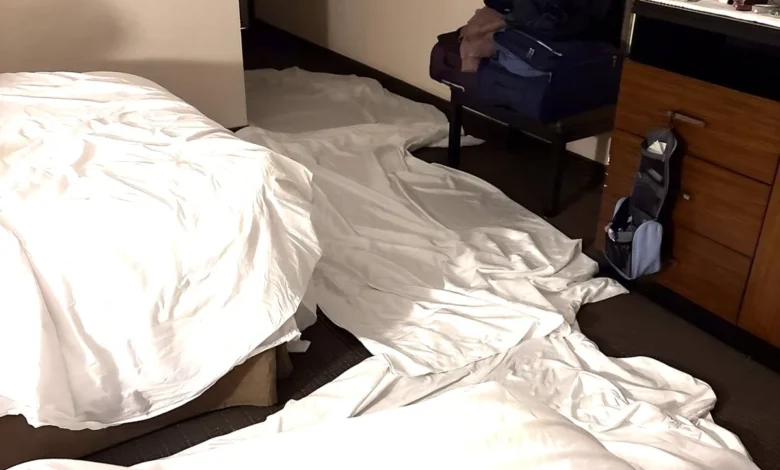
The Baymont by Wyndham Latham Albany Airport, a property marketed to travelers and utilized by county social services for emergency housing, has become the center of a public health investigation following harrowing reports from residents regarding severe pest infestations and unsanitary conditions. Families placed at the facility by local government agencies have detailed experiences involving rodents crawling over sleeping children, pervasive mold, bedbugs, and hazardous maintenance failures. Despite these accounts, the hotel successfully passed a county health inspection, a development that has prompted scrutiny regarding the efficacy of inspection protocols and the responsibility of parent hospitality corporations in monitoring franchise-operated locations.
A Pattern of Reported Neglect
The allegations against the Latham property extend beyond isolated incidents, painting a picture of systemic neglect. Residents have provided firsthand accounts of rooms plagued by infestations. One mother, who had been placed in the hotel by social services, reported that she witnessed mice crawling over her three-year-old child as the child slept. The emotional toll of these conditions has forced families to take drastic measures, such as preventing their children from sleeping in provided beds to avoid direct contact with vermin.
Other occupants have corroborated these claims, describing a litany of hygiene failures. Reports include the presence of mouse droppings and dead flies found on bedding, as well as mold and insect carcasses discovered within guest-room refrigerators. Additionally, residents have noted the strong, pervasive odor of mildew and moisture, which is often associated with the soaked carpets reported in several units. These conditions suggest long-term maintenance failures rather than temporary lapses in housekeeping.
Inspection Timeline and Regulatory Outcomes
The regulatory response to these complaints has been a point of significant contention. On October 13, Albany County health inspectors conducted an on-site visit to the property. While the inspection officially concluded that there were "no public health hazards" present at the time, the report nonetheless documented six distinct violations of safety and maintenance codes.
The hotel’s ability to pass the inspection while simultaneously being cited for six violations is rooted in a administrative technicality: the rooms found to be in violation were vacant at the time of the inspection. The management reportedly entered into an agreement to repair these units before they could be rented to new guests. However, this raises critical questions about the speed at which pests migrate within a multi-room facility. Critics and public health advocates argue that if a room is infested with mice or mold, the likelihood of those issues being contained within a single unit is low, particularly in a facility with shared ventilation and structural vulnerabilities.

Historical maintenance records further complicate the narrative. New York State inspection databases show that as recently as March 13, 2025, officials noted water stains and evidence of active leaks at the same address. These records indicate that the current complaints are not necessarily the result of a sudden decline in standards, but rather a long-standing pattern of unresolved maintenance issues that have now reached a critical threshold.
The Role of Social Services and Relocation Efforts
Because the Baymont by Wyndham Latham is used as a temporary housing solution for individuals and families in the care of social services, the impact of these conditions is disproportionately felt by vulnerable populations. Following the public disclosure of these conditions, the local response has been swift. Several residents have been relocated by the county to alternative housing as a precautionary measure. Another county, which had only one client housed at the facility, suspended the use of the hotel entirely, citing the potential health risks to its residents.
The reliance of social services on low-cost, franchised hotels is a common practice across the United States, but this situation highlights the significant oversight gap that exists when government agencies place clients in private sector accommodations. When the state or county becomes a client of a hotel, it implicitly endorses the safety of that environment. The failure of this facility to maintain basic sanitary standards has forced local governments to re-evaluate their vetting processes for emergency housing providers.
The Accountability of Global Brands
The Baymont by Wyndham brand serves as a primary selling point for the hotel, offering travelers a sense of reliability and a promise of standardized quality. In the hospitality industry, a franchise agreement is intended to ensure that every property bearing the brand name adheres to specific operational and cleanliness standards. When a property fails to meet these benchmarks, it raises questions about the extent to which parent companies like Wyndham are responsible for monitoring their franchisees.
The disconnect between the "brand promise" and the reality on the ground is a recurring issue in the travel industry. Over the past decade, several investigations by consumer advocacy groups and news organizations have revealed that even high-end, nationally recognized hotel brands often struggle with consistent quality control. Investigations into housekeeping practices have, at various times, found that rooms were not properly sanitized between guests, with some instances involving the reuse of linens.
While the hotel is independently owned and operated under a franchise agreement, the persistence of these reports suggests a failure in the brand’s quality assurance programs. For travelers, the brand name is the only indicator of quality they have before booking; when that brand name is attached to a property with rodent infestations and structural decay, the entire reputation of the franchise is compromised.

Broader Implications for Travelers and Industry Standards
The incident in Latham serves as a case study for the broader risks inherent in the budget hospitality sector. It also underscores the importance of traveler vigilance and the limitations of online review platforms. While reviews can provide a snapshot of recent experiences, they are often lagging indicators. By the time a traveler reads a warning about bedbugs or mold, the issue may have already affected dozens of other guests.
Furthermore, the practice of using third-party providers for emergency housing—or even airline-provided hotel vouchers for delayed passengers—often removes the element of consumer choice. When a traveler is forced into a specific accommodation by an external entity, they are essentially stripped of their ability to perform their own due diligence. As evidenced by recent reports of roach-infested rooms provided to airline passengers, the "lowest-bidder" approach to securing hotel blocks frequently leads to the selection of properties with the most severe safety and health failures.
Conclusion and Path Forward
The situation at the Baymont by Wyndham Latham Albany Airport remains an active matter of public interest. While the facility continues to operate under the purview of local health departments, the incident has highlighted a desperate need for stricter enforcement of health codes and greater transparency in how hotels are vetted for government and corporate use.
For the families affected, the experience is a reminder of the fragility of temporary housing and the necessity of robust, proactive government oversight. For the broader hospitality industry, the case serves as a stark warning: brand reputation is not merely about marketing and aesthetic appeal; it is fundamentally rooted in the basic safety and hygiene of the physical space. As public pressure mounts, it remains to be seen whether the hotel will implement the necessary infrastructure upgrades or if further regulatory intervention will be required to ensure that such conditions are not permitted to persist in any facility serving the public.
Related posts: