Forget the Fearful Name: Infernogallus jamesi Was Actually a Fruit-Eating Cretaceous Parrot-Like Dinosaur

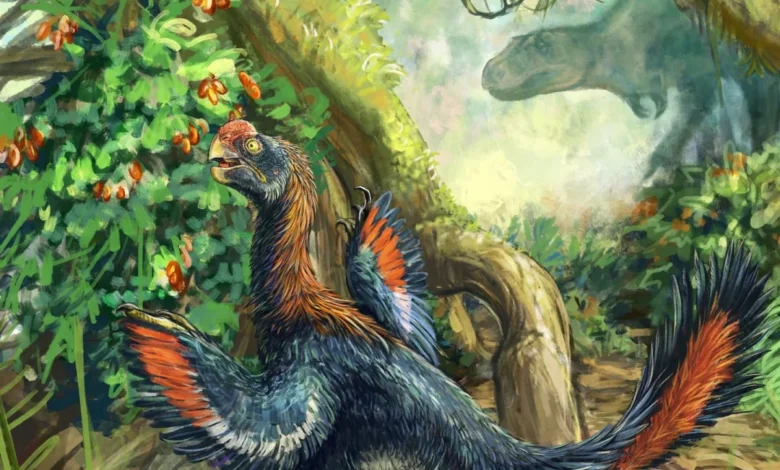
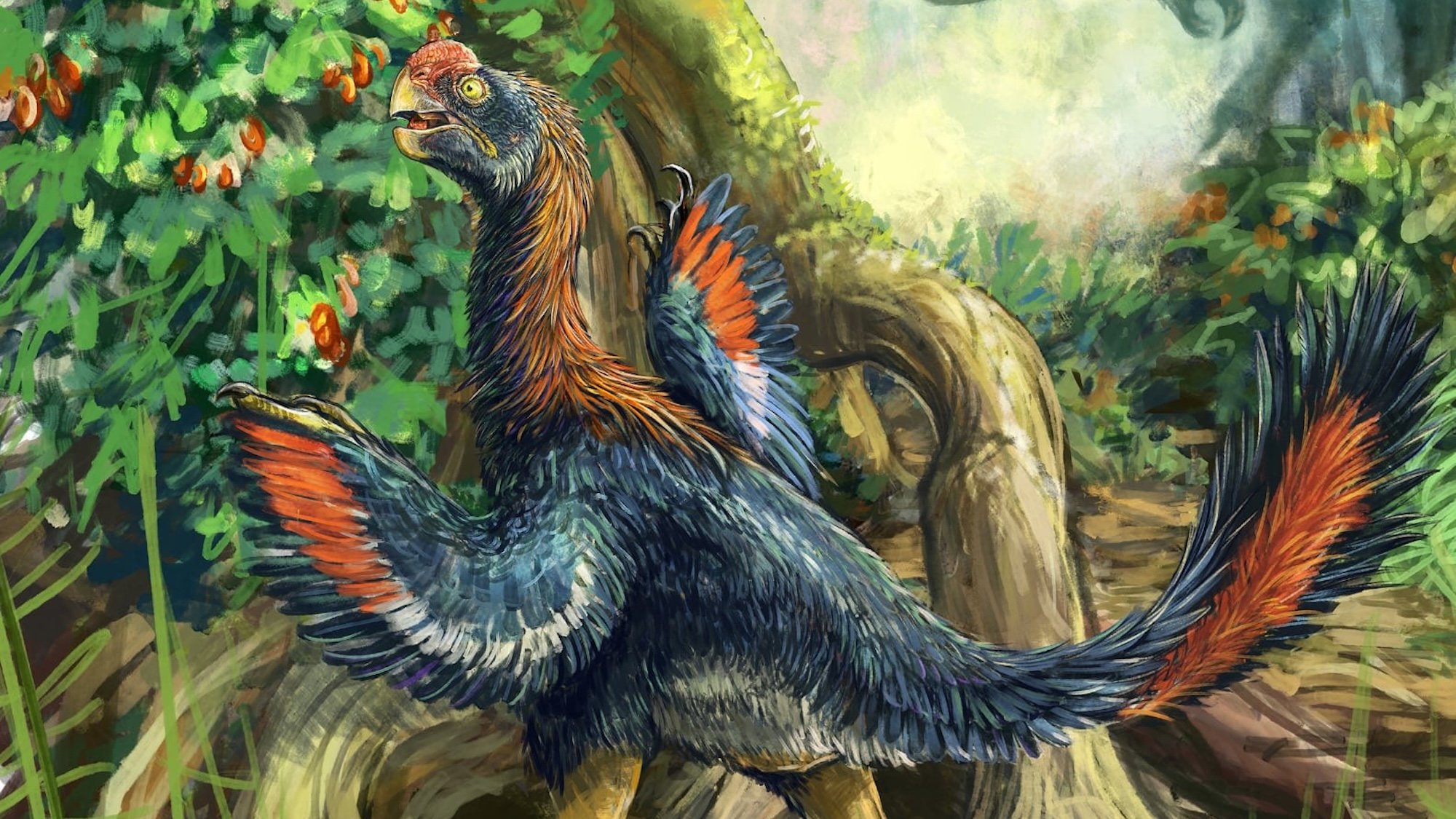
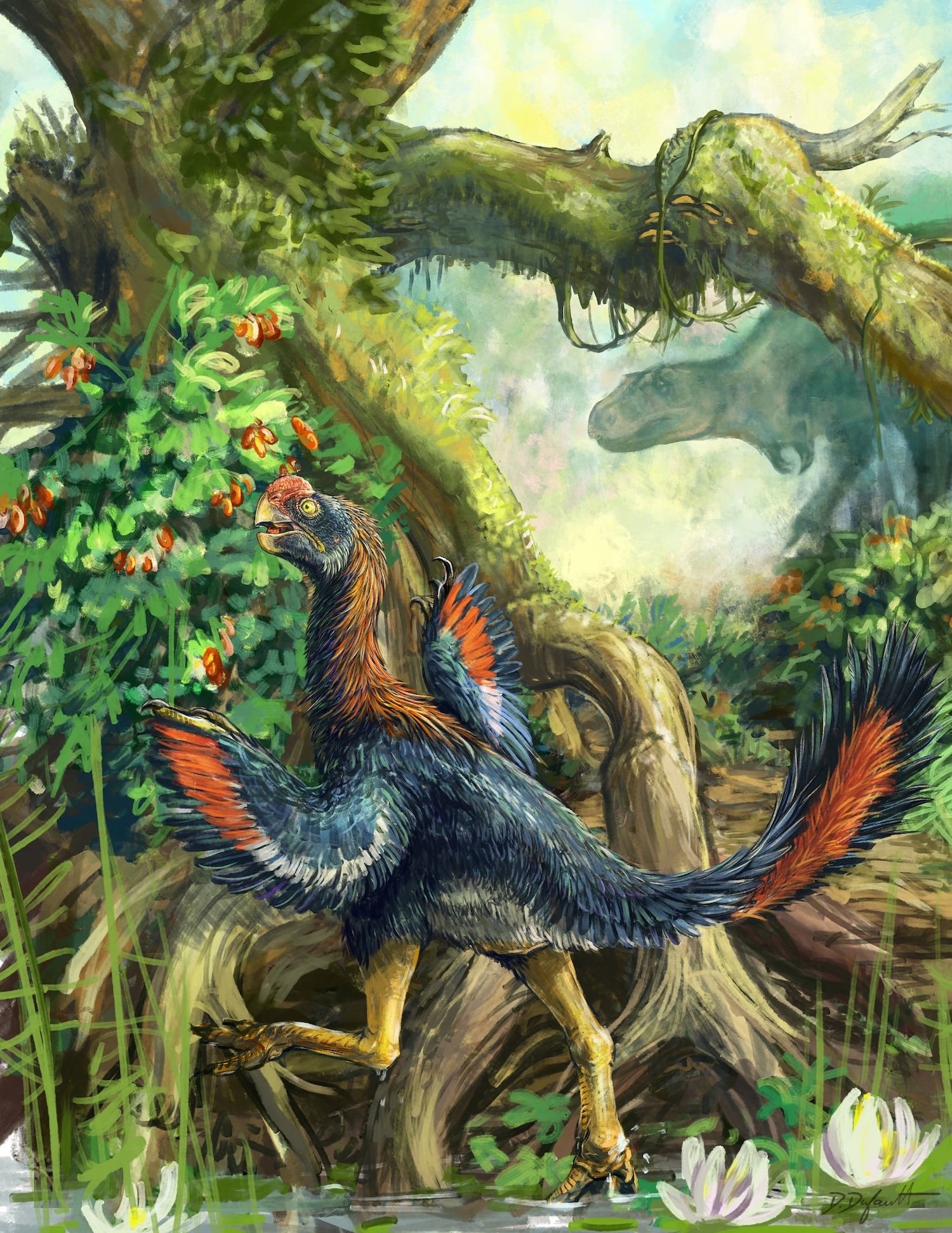
The name Infernogallus jamesi conjures images of a terrifying, predatory beast stalking the prehistoric landscapes of the Late Cretaceous epoch. Popularly dubbed the "hell chicken," this turkey-sized feathered dinosaur has long captured the public imagination. However, a comprehensive new study published in the journal Nature Communications is fundamentally rewriting the biological profile of this ancient animal. Following an exhaustive examination of some of the most complete fossilized remains ever recovered for the species, an international team of paleontologists has concluded that I. jamesi was not an apex meat-eaters or a vicious hunter. Instead, its specialized jaw mechanics suggest a remarkably peaceful diet consisting primarily of soft, pulpy fruits.
This revelation does much more than simply rehabilitate the reputation of a misunderstood dinosaur. It offers crucial insights into the co-evolution of Cretaceous flora and fauna, demonstrating how specialized herbivorous dinosaurs may have interacted with ancient ecosystems during a period of profound environmental transition. By bridging the gap between non-avian dinosaurs and modern frugivorous birds, the findings shed light on the ancient origins of seed dispersal and fruit consumption in the animal kingdom.
Anatomy of a Misunderstood Prehistoric Relative
Infernogallus jamesi belonged to a specialized family of non-avian theropod dinosaurs known as caenagnathids. Characterized by sleek physiologies, long slender limbs, and prominent toothless beaks, caenagnathids are often compared visually to oversized, prehistoric parrots rather than typical scaly dinosaurs. I. jamesi roamed the earth roughly 72 to 66 million years ago during the twilight of the Age of Dinosaurs. It shared its habitat with some of the most iconic megafauna in Earth’s history, including the horned Triceratops and the apex predator Tyrannosaurus rex, across what is now the western interior of North America.
Despite their fascinating morphology, caenagnathids are notoriously rare in the fossil record. Their lightweight, delicate, and slender anatomies made them exceptionally poor candidates for fossilization. When caenagnathid bones are recovered, they are almost universally fragmentary, crushed, or heavily weathered, leaving scientists with massive gaps in their understanding of the group’s biology.
The turning point for understanding I. jamesi occurred in 2011 with a momentous discovery within Montana’s renowned Hell Creek Formation—a geological treasure trove celebrated for preserving the final chapters of the dinosaur era. Unlike previous finds, the specimen unearthed in 2011 included remarkably preserved cranial material.
Unlocking Secrets Through Advanced Imaging Technology
The skull of the 2011 Montana specimen was remarkably compact, measuring small enough to fit comfortably within the palm of an adult human hand. Even though parts of the skull and lower jaw had experienced some degree of crushing and deformation over millions of years of burial and tectonic pressure, the structural integrity of the facial features remained striking.
To bypass the physical damage without risking the integrity of the delicate fossil, a research team led by paleontologists from the Royal Ontario Museum and Stony Brook University utilized high-resolution computed tomography (CT) scanning. This non-invasive imaging technology allowed the scientists to peer inside the rock matrix and digitally reconstruct the shattered bones in three dimensions.
With a pristine digital model of the skull and mandible established, the researchers performed a biomechanical analysis of the jaw muscle architecture. By mapping the inferred muscle insertion points and comparing them with the skeletal anatomies of living avian species, the team reconstructed the range of motion available to the dinosaur’s jaw.
The Biomechanics of a Precursor to Modern Frugivores
The results of the biomechanical reconstruction revealed a specialized feeding apparatus completely unsuited for tearing flesh or grinding tough, fibrous vegetation. The researchers determined that the muscle arrangement of I. jamesi was configured to slide its lower jaw backward and forward, rather than executing the powerful, vertical snapping bite seen in carnivores or the side-to-side grinding motion characteristic of many herbivorous dinosaurs.
This unique back-and-forth sliding motion transformed the dinosaur’s beak and jaw into a biological mortar and pestle. This specialized mechanism allowed the animal to efficiently mash and process soft, yielding foodstuffs. Furthermore, the complete absence of gastroliths—stomach stones swallowed by animals like modern birds and crocodiles to internally grind tough matter—provided definitive negative evidence supporting the hypothesis that the creature did not consume hard vegetation or fibrous foliage.
According to Dr. Gregory Funston, a paleontologist at Stony Brook University and co-author of the study, the anatomical evidence points directly to a specialized diet. The research team hypothesizes that Infernogallus was uniquely adapted to process drupes—a category of fruit featuring a hard central seed or pit surrounded by a soft, nutrient-rich layer of fleshy pulp, much like modern peaches, cherries, and plums.
Broader Ecological Implications and Evolutionary Timeline
The identification of frugivory in a Late Cretaceous caenagnathid carries profound implications for paleobotany and evolutionary biology. The rise and diversification of caenagnathids coincided with a period of massive climatic and ecological shifts during the Late Cretaceous epoch. This era was marked by the rapid spread and evolutionary radiation of angiosperms, or flowering plants, which began producing increasingly large, fleshy, and nutrient-dense fruits.
For decades, scientists have debated the ecological pressures that drove the development of these complex fruits. While flowering plants evolved fleshy fruits primarily as an evolutionary strategy to entice animals into consuming seeds and dispersing them across the landscape, direct fossil evidence confirming which specific prehistoric animals engaged in this behavior has been exceptionally scarce.
The discovery that I. jamesi possessed a specialized fruit-processing jaw strongly suggests that feathered dinosaurs participated actively in these emerging ecological networks. However, the study’s authors maintain scientific caution, noting that direct evidence confirming whether caenagnathids acted as primary seed dispersal agents—known as mutualistic frugivory—remains challenging to prove definitively.
While it is plausible that creatures like Infernogallus ingested drupes, digested the soft pulp, and subsequently excreted or discarded the pits across the Cretaceous landscape, the precise scale of their impact on prehistoric flora remains an open question. The authors concede in their published findings that the exact role caenagnathids played in the broader proliferation of fruit during the Late Cretaceous and early Cenozoic flora transition requires further empirical backing.
Shifting the Scientific and Cultural Narrative
The publication of these findings in Nature Communications marks a significant milestone in dinosaur paleontology, shifting perceptions away from monolithic views of predatory or aggressively defensive dinosaurs toward more nuanced ecological roles. As methodologies like CT scanning and biomechanical modeling continue to advance, researchers are increasingly able to reconstruct the delicate soft-tissue functions of animals that vanished tens of millions of years ago.
For Infernogallus jamesi, the research successfully strips away the intimidating aura implied by its colloquial nickname. Far from being a hellish beast, this feathered, parrot-beaked resident of ancient Montana represents an evolutionary pioneer of fruit consumption. Whether the moniker "hell parrot" eventually replaces "hell chicken" in popular culture remains to be seen, but the scientific community now views the animal through a decidedly gentler, more botanical lens.