Massive Data Breach Exposes Personal Information of Over 40,000 U.S. Department of Homeland Security Employees

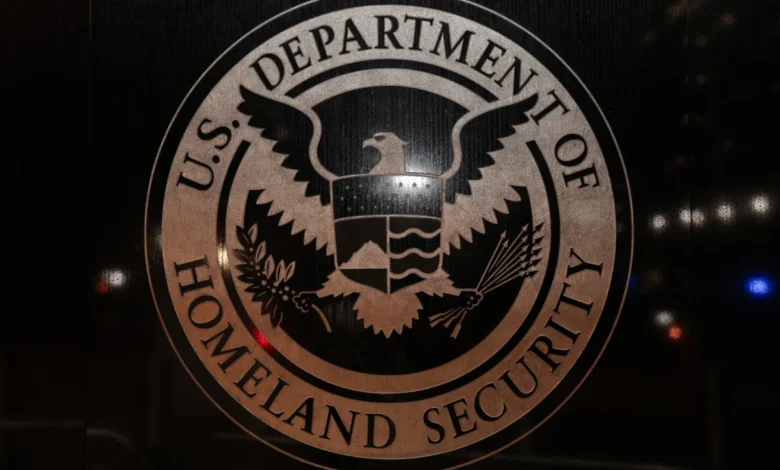
A significant cybersecurity breach has compromised the personally identifiable information (PII) of more than 40,000 employees within the U.S. Department of Homeland Security (DHS). The unauthorized access, which occurred earlier this year and remained previously undisclosed, highlights ongoing vulnerabilities within federal digital infrastructure. The incident exposes critical internal personnel data, ranging from frontline border agents to high-ranking agency officials, and provides unprecedented insight into the department’s internal software ecosystem and surveillance capabilities.
The exfiltrated data encompasses names, official job titles, and direct work contact details—including corporate email addresses, office phone numbers, and physical facility locations. The breach impacts roughly one-fifth of the total DHS workforce, which numbers approximately 220,000 personnel.
According to forensic verifications and analyses of the leaked database, the dataset was successfully exfiltrated around mid-August. The breach was orchestrated by a hacker operating under the alias "Department of Peace," who reportedly accessed the information via an Okta single sign-on (SSO) architecture utilized across various DHS subdivisions for central network authentication.
Breakdown of Affected Agencies
The leaked records are distributed across multiple core agencies operating under the DHS umbrella, reflecting the broad operational scope of the department:
- U.S. Customs and Border Protection (CBP): Comprises the largest segment of the breach, with approximately 21,000 records detailing personnel stationed at international airports, land borders, and maritime ports of entry.
- U.S. Immigration and Customs Enforcement (ICE) and Homeland Security Investigations (HSI): Accounts for roughly 10,000 records associated with immigration enforcement and transnational criminal investigations.
- Cybersecurity and Infrastructure Security Agency (CISA): Includes just under 1,000 records linked to personnel within the federal civilian cybersecurity defense agency.
- Other Subdivisions: Thousands of additional records span departmental headquarters, U.S. Citizenship and Immigration Services (USCIS), and the Federal Protective Service (FPS).
The threat actor left a brief ideological note alongside the published files, stating, "They have our information, so it’s only fair that we have theirs." The hacker has not responded to direct media inquiries regarding the precise mechanics of the initial network penetration.
A Broader Pattern of Federal Security Failures
This incident does not occur in a vacuum; it represents the latest in a troubling succession of high-profile cyber intrusions targeting U.S. national security and defense infrastructure over recent months.
In related security events earlier this year, threat actors successfully compromised thousands of personnel records belonging to agents within the Federal Bureau of Investigation (FBI). That incident was quickly followed by a months-long data breach within the Pentagon’s human resources wing, which resulted in the theft of personal information belonging to millions of active-duty military personnel and military veterans.
Furthermore, the DHS has faced prior scrutiny from hacktivist elements. Earlier in the year, the same hacker identity ("Department of Peace") claimed responsibility for extracting and publicizing thousands of private-sector contracts established between the department and various defense and surveillance technology vendors.
Chronology and Distribution of the Leaked Data
The timeline of the breach points to a systematic harvesting of internal directories:
- Early 2026: Initial hacktivist campaigns target DHS contracting data, foreshadowing deeper network compromises.
- Mid-August 2026: Timestamps embedded within the internal directory records indicate the active exfiltration of the Okta-linked user accounts and Active Directory metadata.
- September 2026: The stolen database is transferred to security researcher and journalist maia arson crimew, who subsequently distributes copies to Distributed Denial of Secrets (DDoSecrets), a nonprofit repository dedicated to archiving leaked public-interest datasets.
- Post-Leak Verification: Independent technology journalists and cybersecurity analysts cross-reference portions of the database against known DHS employee rosters, confirming its authenticity before public dissemination.
Technical Insights into DHS Operations
Beyond standard personnel listings, the compromised Okta and Active Directory logs provide a rare technical blueprint of internal software deployments and user permissions within the federal agency. The leaked metadata details membership groups tied to Microsoft 365 cloud services, Adobe Acrobat licensing, and Citrix enterprise environments.
More critically, the records illuminate user groups associated with specialized contractor software and advanced surveillance tools:
- Penlink Surveillance Integration: Dozens of user groups correspond to Penlink, a web surveillance vendor that supplies tracking technologies designed to monitor the location metadata of mobile devices. Groups range from small regional offices to more than 2,000 personnel within HSI, specifically referencing platforms like Penlink PLX for real-time intelligence gathering across text, web activity, and digital communications.
- Facial Recognition Deployments: Over 200 CBP personnel are mapped to user groups utilizing "Mobile Fortify," a facial recognition application deployed in the field to verify immigration statuses and identity markers.
- Artificial Intelligence and Threat Response: Directories reveal authorized access groups for enterprise ChatGPT implementations, involving senior DHS officials, alongside specialized task forces investigating state-sponsored advanced persistent threat (APT) groups, such as the China-linked actors known as Salt Typhoon and Volt Typhoon.
- Discontinued and Legacy Contracts: Historical group associations include references to mental health software providers, such as an iteration tied to online therapy platform Headspace, though corporate representatives confirmed that all formal contractual services with ICE concluded in 2023.
Official Responses and Corporate Stance
As details of the breach circulated publicly, federal agencies and technology partners issued formal statements regarding their security posture.
A spokesperson for the U.S. Department of Homeland Security did not immediately issue a comprehensive statement addressing the root cause or confirming whether remediation measures had successfully patched the vulnerability exploited by the hacker.
Meanwhile, identity management provider Okta addressed queries concerning its platform infrastructure. A company spokesperson maintained that the core single sign-on architecture remains uncompromised, stating: "Okta is secure, and we have no evidence our data or systems were compromised." Security experts note, however, that single sign-on platforms are frequently targeted by threat actors using credential stuffing, session hijacking, or social engineering to compromise valid user tokens rather than exploiting foundational software vulnerabilities within the vendor itself.
Implications for Transparency, Accountability, and National Security
Civil liberties organizations, government transparency advocates, and legal scholars have highlighted both the risks and the potential public-interest utilities arising from the exposure of this specialized database.
On one hand, security analysts warn that the disclosure of direct contact numbers, office locations, and internal software permissions exposes individual federal employees to targeted phishing campaigns, social engineering, and potential physical security risks. The compromise of administrative credentials also raises concerns regarding persistent unauthorized access to internal government communications.
Conversely, transparency advocates emphasize that the granular directory data provides an indispensable resource for public oversight. Ryan Shapiro, executive director of the transparency nonprofit Property of the People, noted that verified organizational phone numbers and professional email addresses significantly enhance the efficacy of Freedom of Information Act (FOIA) requests.
"Email addresses and phone numbers are indispensable tools for FOIA researchers, often making the difference between a vague records request that gets stonewalled and one that gets results," Shapiro observed. "Given the current political climate and institutional resistance to basic transparency, the availability of such tools is vital for public accountability."
Emma Best, co-founder of DDoSecrets, echoed these sentiments, suggesting that the leaked datasets will serve as a foundational catalyst for rigorous journalistic investigations, congressional oversight inquiries, and legal challenges concerning federal immigration enforcement operations.
As investigations into the breach continue, the incident underscores the mounting challenges federal agencies face in securing complex digital supply chains and vast identity management networks against sophisticated malicious actors.
Related posts: