New Scientific Data Reveals the Exact Rate at Which the Moon Is Shrinking and Why It Matters for Future Lunar Exploration

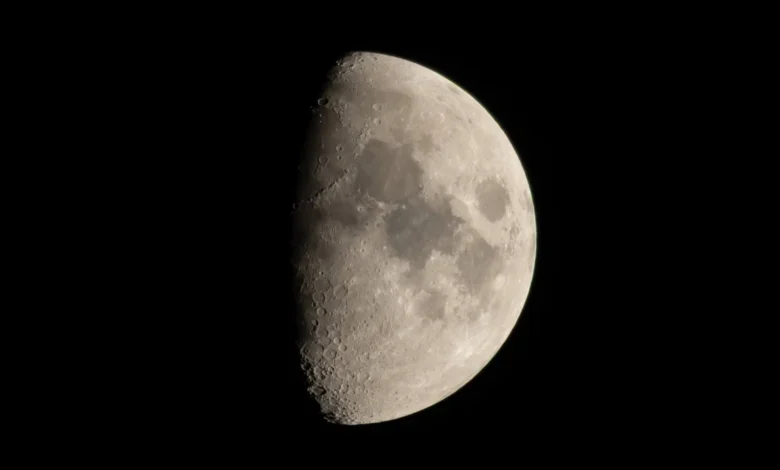
The Moon is steadily contracting, and astronomers have finally quantified the exact pace of this cosmic shrinkage. While the changes are imperceptible to the naked eye and can only be detected through advanced satellite imagery and sensitive scientific instruments, the underlying geological mechanisms are actively reshaping the lunar landscape. As the interior of Earth’s only natural satellite continues to cool, it causes stress across the surface, leading to widespread moonquakes that can occur virtually anywhere on the lunar body at a moment’s notice.
These findings stem from a comprehensive study published in The Planetary Science Journal, spearheaded by Dr. Thomas Watters, a senior scientist and planetary geologist at the Smithsonian National Air and Space Museum. By analyzing data collected over nearly two decades by NASA’s Lunar Reconnaissance Orbiter Camera (LROC)—which has captured millions of high-resolution images of the lunar surface since its launch—Dr. Watters and his team have provided unprecedented clarity on how the Moon is evolving in real-time.
The Chronology of a Cooling World: Understanding Lunar Contraction
To comprehend how the Moon is shrinking today, scientists must look back hundreds of millions of years. The contraction is a direct consequence of the Moon’s interior cooling down from its primordial heat. As thermal energy dissipates into space, the molten and semi-molten material inside the lunar core loses volume, causing the entire celestial body to shrivel like a drying piece of fruit.
According to the new calculations derived from LROC imagery, the Moon’s overall radius has decreased by approximately 148 feet (45 meters) over the past 400 to 800 million years. To put this into perspective, the contraction happens at an agonizingly slow glacial pace—roughly 2.4 to 4.3 inches (6 to 11 centimeters) per million years, or a minuscule 0.1 micrometers annually.
Despite this microscopic yearly reduction, the cumulative effects over geological epochs have been monumental. Because the Moon’s interior cooling is distributed unevenly, and because the lunar crust lacks the mobile tectonic plates found on Earth, the contracting shell must buckle, crack, and fold under immense compressive stress.
Tectonic Differences: Earth Versus the Moon
The mechanism driving seismic activity on Earth differs fundamentally from that of the Moon. Earth possesses a dynamic lithosphere broken into multiple shifting tectonic plates floating atop a viscous mantle. Approximately 90 percent of all earthquakes on our home planet occur directly along the boundaries where these massive plates collide, pull apart, or grind past one another.
The Moon, by contrast, is encased in a single, rigid, continuous tectonic plate—often compared to an eggshell. Because it lacks distinct plates that can easily accommodate shifts and subduction zones, the stress of interior cooling is absorbed entirely by the single shell. This uniform encasement means that as the Moon shrinks, thrust faults can rupture and slip anywhere across the surface rather than being confined to predictable fault lines.
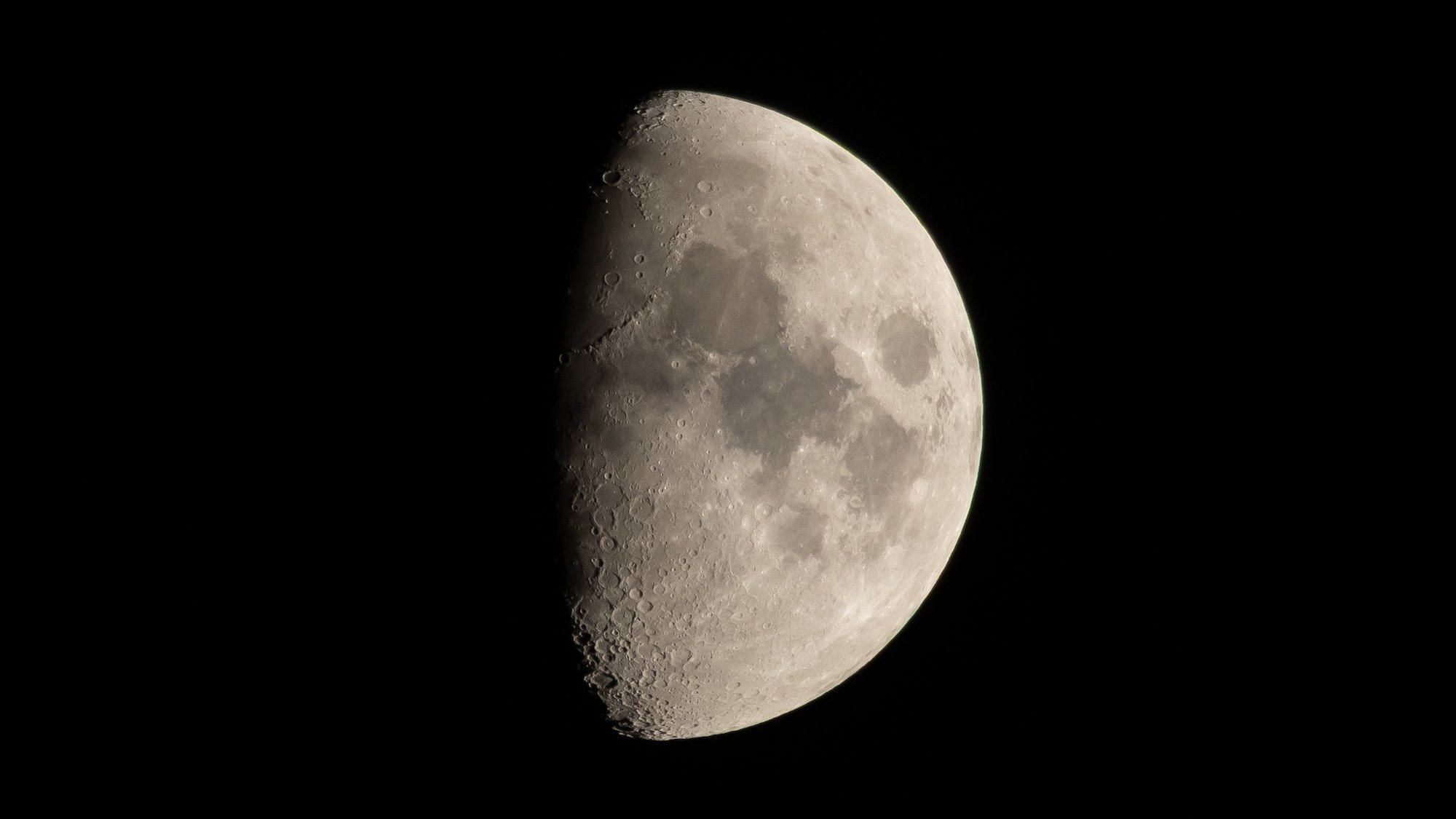
Upon meticulously reviewing the vast library of LROC images, the research team cataloged more than 10,000 distinct, young lunar faults. These include lobate scarps—cliff-like landforms created when one section of crust is pushed up over another as the surface is squeezed.
"The number of these young faults revealed in LROC images is much greater than I ever imagined," Dr. Watters stated in an official release detailing the findings. "As the interior of the moon continues to cool and contract, it is expected that the growth of existing faults and formation of new faults continues today."
Spatial Distribution and Geological Stability
While lunar faults and resulting shallow moonquakes can theoretically occur anywhere, the researchers discovered clear patterns in their geographic distribution. Areas of the Moon with a significantly thicker crust tend to feature far fewer faults compared to regions with thinner crustal layers.
This disparity suggests that thick-crust regions may act as more stable geological foundations, whereas thinner regions absorb a disproportionate amount of the tectonic stress, making them hotspot zones for seismic fracturing. Scientists have also linked these surface scarps to shallow moonquakes originally recorded by seismometers left behind by the Apollo astronauts during the 1970s. These historical instruments, though primitive by modern standards, detected powerful tremors powerful enough to rattle the lunar soil for hours, proving that the Moon is far from a geologically dead world.
Implications for Future Human Exploration
Beyond shedding light on planetary evolution and the thermal history of the inner solar system, these findings carry practical, immediate implications for international space agencies. As NASA and its international partners prepare for a sustained, long-term human presence on the Moon through the Artemis program and planned lunar outposts, understanding seismic hazards is paramount.
Building habitats, landing pads, and communication arrays requires a thorough assessment of local ground stability. Areas riddled with young, active thrust faults present a higher risk of localized ground shaking—phenomena colloquially known as moonquakes—which could threaten unreinforced infrastructure. Conversely, identifying stable, thick-crust regions allows mission planners to select safer locations for base camps and critical hardware.
As satellite technology continues to advance and planetary geologists analyze decades of accumulated orbital data, the Moon reveals itself not as an unchanging monument of the past, but as a dynamic, shrinking world actively adjusting to the cooling of its deep interior.
Related posts: