Pennsylvania Attorney Seeking Reinstatement After Drug Addiction and Money Laundering Conviction Cites Years of Sobriety

The legal profession has long grappled with the intersection of substance abuse, mental health struggles, and professional misconduct. This complex dynamic took center stage during a recent disciplinary hearing in Pennsylvania, where a disbarred or suspended attorney sought to reclaim his place at the bar. Tancredi William Calabrese, a Pennsylvania lawyer whose legal career derailed following a drug-fueled descent that began during his law school years, stood before a discipline panel on October 7, 2026, to argue for the reinstatement of his law license. Calabrese’s journey—from a criminal conviction involving a federal and state sting operation to intensive rehabilitation and ongoing sobriety—highlights both the devastating personal tolls exacted by addiction within the legal community and the arduous path required to prove fitness for reinstatement.
According to records from the Pennsylvania Supreme Court’s disciplinary board and legal reporting from outlets like Law360, Calabrese’s professional unraveling was multi-faceted. It encompassed a felony criminal conviction for dealing in the proceeds of unlawful activities, severe trust account violations, and failures in client communication. Yet, as he faced the disciplinary panel in October 2026, Calabrese presented a picture of a transformed professional. Supported by half a decade of documented sobriety, regular participation in recovery programs, and dedicated volunteer work aiding struggling members of the legal profession, Calabrese’s petition forces a critical examination of how disciplinary bodies weigh severe past misconduct against genuine, sustained rehabilitation.
The Genesis of Addiction and Professional Decline
The roots of Calabrese’s legal troubles trace back to his academic years. In statements before the disciplinary panel, Calabrese revealed that his dependency on drugs began while he was still in law school. The rigorous, high-stress environment of legal education frequently serves as a crucible for mental health challenges, with national studies consistently showing that law students and practicing attorneys suffer from disproportionately high rates of substance use disorders, anxiety, and depression compared to the general population. For Calabrese, the addiction that took root during his academic training did not dissipate upon graduation; instead, it escalated alongside the pressures of building a legal career.
As his dependency deepened, Calabrese’s professional life began to fray. By the late 2010s, the compounding effects of addiction manifested not only in his personal health but in profound failures of professional responsibility. According to the findings of the Pennsylvania Supreme Court’s disciplinary board, Calabrese’s misconduct extended far beyond substance abuse into core violations of the rules governing attorney conduct. Most notably, he severely overdrew his Interest on Lawyers’ Trust Account (IOLTA), a critical fiduciary violation that immediately triggers red flags for disciplinary regulators. Furthermore, he improperly deposited a client retainer directly into his business operating account rather than holding it securely in trust, failed to respond to basic client communications, and neglected his duties by failing to appear at a scheduled court hearing.
While these trust account violations and instances of client neglect are typical markers of an attorney whose practice is collapsing under the weight of active addiction, Calabrese’s legal troubles soon escalated into the criminal sphere, sealing the fate of his law license for years to come.
The Sting Operation and Criminal Conviction
The most severe blow to Calabrese’s legal career occurred in connection with a law enforcement sting operation. According to the 2024 recommendation issued by the Pennsylvania Supreme Court’s disciplinary board, the sequence of events leading to Calabrese’s criminal charges began when he allegedly told a client that he represented drug dealers and actively laundered money for them.
Unbeknownst to Calabrese, this boastful or reckless claim caught the attention of law enforcement authorities. Consequently, police and confidential informants orchestrated a sting operation. During this operation, Calabrese offered to set up a shell corporation specifically designed to launder money for an individual he believed to be a criminal client, but who was, in reality, a confidential informant working with law enforcement.
This criminal enterprise culminated in 2021, when Calabrese formally pleaded guilty to dealing in proceeds of unlawful activities, a serious felony charge. The ramifications for his law license were swift and severe. In 2025, the Pennsylvania Supreme Court formally suspended his license to practice law, adopting the disciplinary board’s earlier recommendation that he receive a five-year suspension made retroactive to 2020—the year his life and career hit rock bottom and he finally achieved sobriety.
When Calabrese returned before the discipline panel on October 7, 2026, to argue for his reinstatement, the specifics of the money laundering sting were inevitably revisited. Addressing the panel, Calabrese offered a nuanced explanation of his actions during the undercover operation. He maintained that his claims of laundering money for drug dealers were, in reality, a complete fabrication. According to Law360, Calabrese told the panel that he had lied to the confidential informant solely as a desperate maneuver to extract money from the individual, rather than participating in an ongoing, sophisticated money laundering ring. Regardless of the underlying motivation or the veracity of his boasts, the legal reality remained unchanged: his guilty plea to dealing in the proceeds of unlawful activities established a felony conviction that fundamentally breached the ethical duties of an officer of the court.
Chronology of Disciplinary Actions and Legal Proceedings
Understanding the timeline of Calabrese’s descent, intervention, and petition for redemption provides essential context for evaluating his current bid for reinstatement:
- Law School Era: Calabrese’s substance dependency begins during his legal education, setting the stage for future personal and professional crises.
- 2020: Calabrese achieves sobriety, marking the turning point in his personal life. He initiates recovery protocols, including participation in Alcoholics Anonymous and Narcotics Anonymous. He also begins volunteering with Lawyers Concerned for Lawyers.
- 2021: Calabrese pleads guilty to dealing in proceeds of unlawful activities following a law enforcement sting operation involving a confidential informant and a proposed shell company.
- 2024: The Pennsylvania Supreme Court’s disciplinary board issues a formal recommendation detailing his felony conviction, IOLTA account overdraws, mismanaged client retainers, communication failures, and missed court appearances, proposing a five-year suspension retroactive to 2020.
- 2025: The Pennsylvania Supreme Court formally suspends Calabrese’s law license, cementing the disciplinary penalty.
- October 7, 2026: Calabrese appears before a Pennsylvania discipline panel to formally petition for the lifting of his suspension and the reinstatement of his law license.
The Road to Rehabilitation and Recovery
Despite the severity of his past misconduct, the American legal system—while fiercely protective of the public and the integrity of the profession—generally recognizes that disbarment or suspension need not always be permanent, provided an applicant can demonstrate clear, comprehensive, and convincing evidence of rehabilitation. For attorneys seeking reinstatement after substance-related misconduct, proving rehabilitation requires demonstrating more than just the absence of illegal acts; it requires showing active, sustained engagement in recovery and community service.
In his October 2026 petition for reinstatement, Calabrese outlined an extensive and rigorous support network that he has maintained since 2020. His documented path to recovery rests on several key pillars:
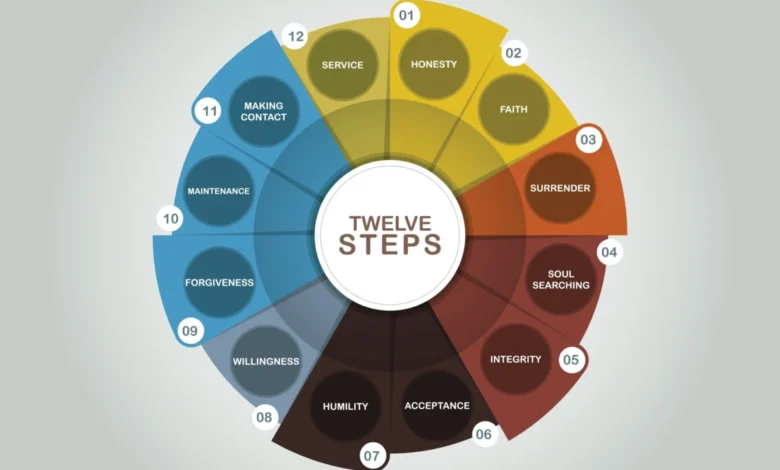
- Twelve-Step Programs: Consistent, active participation in both Alcoholics Anonymous (AA) and Narcotics Anonymous (NA).
- Professional Treatment: Ongoing, intensive psychiatric treatment to address the underlying mental health and behavioral patterns associated with his historical addiction.
- Peer Support and Volunteerism: Active involvement with Lawyers Concerned for Lawyers (LCL), a specialized organization dedicated to helping lawyers, judges, and law students recover from alcoholism, drug addiction, and related mental health challenges.
By dedicating his time to helping others within the legal profession who are navigating the dark waters of addiction, Calabrese sought to demonstrate to the panel that his transformation is not merely defensive or self-serving, but civic-minded and rooted in service to the community that he once harmed through his actions.
In his written petition for reinstatement, Calabrese made a direct appeal to the principles of justice and redemption that form the philosophical backbone of the legal system:
"My reinstatement would not be detrimental to the bar or the public interest; on the contrary, it would affirm the profession’s commitment to accountability, redemption and the principle that attorneys who accept responsibility and genuinely rehabilitate themselves can earn back the privilege of practicing law," Calabrese wrote.
Future Professional Plans and Scope of Practice
Should the Pennsylvania discipline panel and the state’s Supreme Court look favorably upon his petition and restore his law license, Calabrese has indicated a deliberate shift in how he intends to structure his professional life. Rather than returning to the traditional solo or small-firm practice model—which may have contributed to the isolation and administrative failures that characterized his previous career—Calabrese plans to integrate into a structured corporate environment.
During his hearing, Calabrese testified that if reinstated, he intends to continue working with a clinical research group. Within this organization, his professional responsibilities would be narrowly tailored to contract review and regulatory compliance for the business. Recognizing the boundaries of his renewed competence and the necessity of risk management, Calabrese explicitly noted that any litigation matters handled by or for the business would be outsourced to outside counsel, thereby removing himself from the high-stress, court-centric environment where his previous ethical failures took root.
Broader Implications for the Legal Profession
Calabrese’s case highlights several broader themes and ongoing challenges within the American legal landscape regarding attorney discipline, mental health, and rehabilitation:
First, the case underscores the pervasive and destructive nature of untreated substance use disorders within the legal profession. Studies by the Hazelden Betty Ford Foundation and the American Bar Association (ABA) have consistently shown that problem drinking affects between 21% and 36% of licensed, employed attorneys, while rates of depression, anxiety, and stress are similarly elevated. Legal regulators are increasingly forced to balance the imperative of public protection with an understanding that chemical dependency is a medical condition that often impairs cognitive function and ethical judgment.
Second, the proceedings illuminate the evolving role of lawyer assistance programs (LAP programs). Organizations like Lawyers Concerned for Lawyers provide confidential, peer-driven support that allows struggling attorneys to seek help before their problems result in criminal charges or disciplinary disbarment. When attorneys do cross ethical and legal lines, active participation in such programs serves as a primary evidentiary metric when discipline boards evaluate whether an individual has truly rehabilitated.
Finally, cases like Calabrese’s test the philosophical limits of professional discipline systems. The primary purpose of attorney discipline is not to punish the offender, but to protect the public, preserve the integrity of the legal profession, and deter future misconduct. When an attorney commits a felony involving dishonesty—such as money laundering—and violates core fiduciary duties like IOLTA management, establishing that the public interest will be safe upon reinstatement is an exceedingly high bar. Calabrese’s argument hinges on the proposition that five years of unbroken sobriety, combined with strict self-limitation of his future practice scope, sufficiently mitigates the risk of recidivism.
As the Pennsylvania discipline panel deliberates on Calabrese’s petition, the legal community will be watching closely. The eventual decision will serve as another data point in the ongoing judicial effort to define the boundaries between unforgivable professional betrayal and the achievable, restorative grace of true rehabilitation.
Related posts: