The pursuit of the perfect scrambled egg has long been a centerpiece of culinary debate, bridging the gap between professional gastronomy and domestic cooking. While often dismissed as a fundamental task requiring little skill, the preparation of eggs requires a nuanced understanding of protein coagulation, thermal management, and chemical interaction. By moving away from common misconceptions—such as the inclusion of dairy—and adhering to a structured, science-based methodology, home cooks can achieve a consistent, restaurant-quality result characterized by tender, glossy curds.
The Science of Protein Coagulation and Salt
The foundational element of superior scrambled eggs is the strategic use of salt. Culinary research indicates that the timing of seasoning significantly impacts the final texture of the dish. When salt (sodium chloride) is added to raw eggs prior to the whisking process, it interferes with the protein matrix. Proteins in eggs, specifically ovalbumin, typically bond tightly as they heat, which can lead to a rubbery or tough texture. Salt helps prevent these proteins from bonding too tightly, thereby allowing the eggs to retain more moisture.
For optimal results, chefs recommend a ratio of 1/8 teaspoon of kosher salt for every two large eggs. By integrating the salt before the whisking phase, the ions have sufficient time to interact with the proteins, creating a tender, custard-like consistency that is unattainable if the salt is added during or after the cooking process.
The Mechanics of Whisking and Aeration
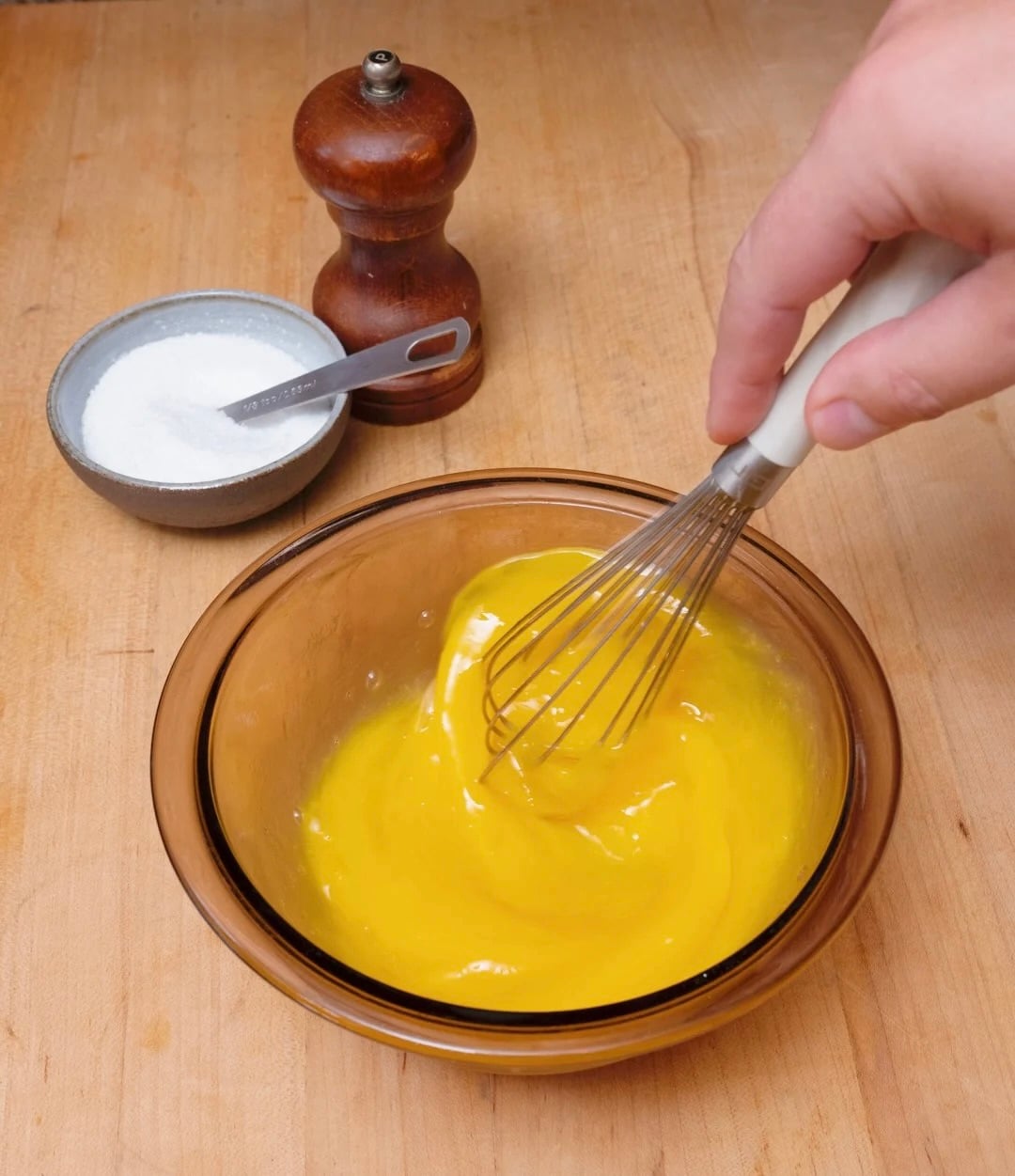
Whisking is frequently misunderstood as a mere task of blending, but it serves a critical role in the texture of the dish. Using a standard fork is often insufficient for achieving the required homogenization. A wire whisk is necessary to incorporate air into the mixture, which contributes to a lighter, more voluminous curd.
The objective is to achieve a uniform, frothy yellow consistency entirely devoid of streaks of egg white. This process typically requires 20 to 30 seconds of vigorous movement. This duration is essential to ensure that the egg whites and yolks are perfectly emulsified, as uneven blending leads to inconsistent cooking rates within the skillet.
Addressing the Dairy Misconception
A long-standing myth in breakfast preparation involves the addition of milk, cream, or crème fraîche to scrambled eggs. While these additions were historically touted as a way to create richness, contemporary culinary analysis suggests they are counterproductive. Dairy components can introduce excessive water content, which dilutes the natural flavor of the egg and forces the cook to apply heat for a longer duration to evaporate the excess moisture. This extended cooking time often results in overcooked, greyish, or rubbery eggs.
Instead of relying on dairy for texture, culinary experts suggest focusing on flavor infusions. Ingredients such as finely sliced chives, red pepper flakes, or high-quality grated cheeses can be introduced to the egg mixture before it hits the pan, providing depth of flavor without compromising the structural integrity of the curds.
Thermal Management and Skillet Selection
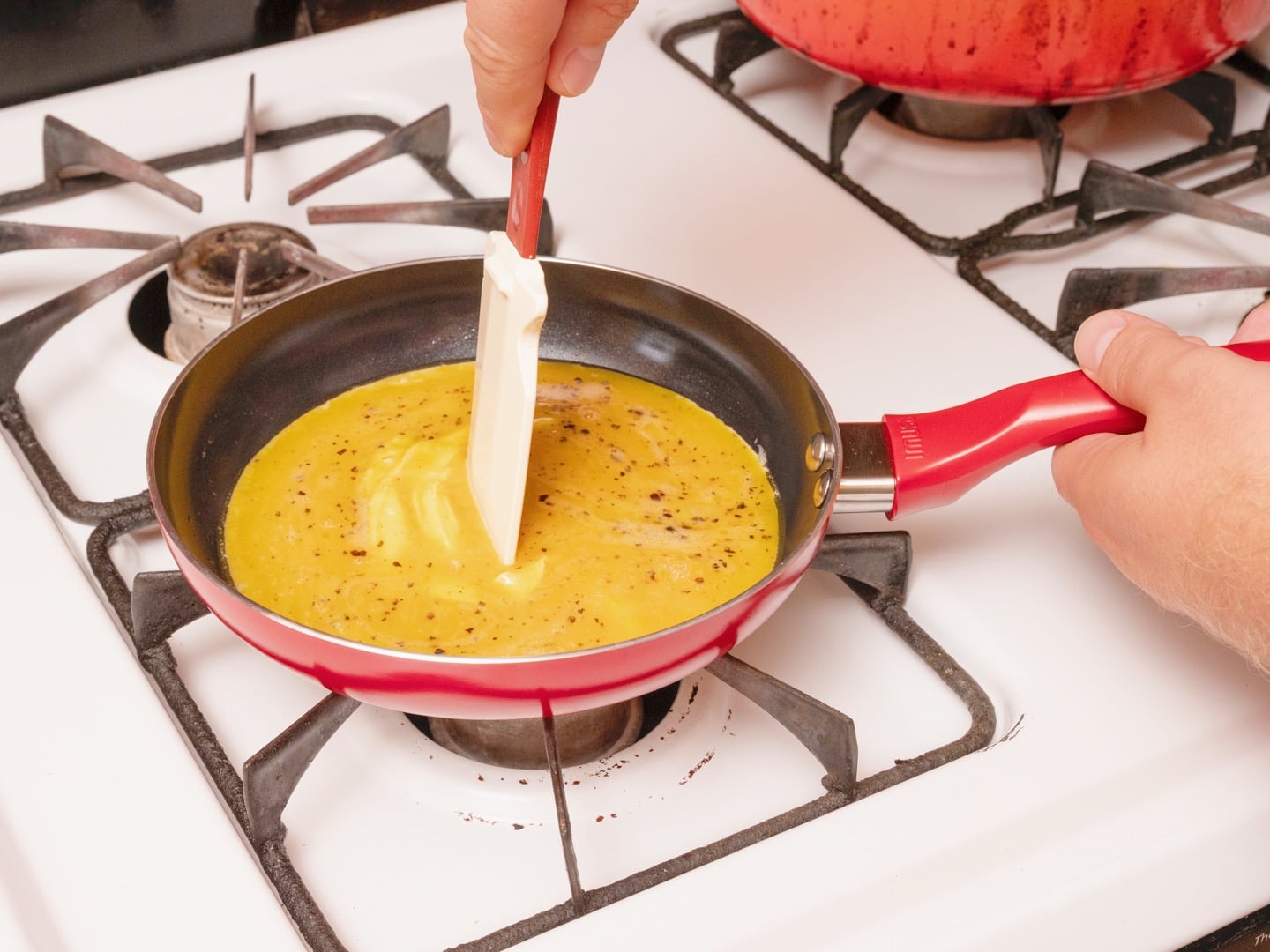
The choice of equipment is as critical as the ingredients. For a standard serving of two to four eggs, an eight-inch nonstick skillet is the optimal choice. The surface area of the pan dictates the depth of the egg mixture; a pan that is too large causes the eggs to spread into a thin, fragile layer that dries out almost instantly. A smaller pan encourages the formation of substantial, moist curds.
Temperature control is the final barrier between success and failure. Eggs are highly sensitive to heat, with proteins beginning to coagulate at temperatures as low as 140°F (60°C). Cooking over medium-low heat allows the cook to maintain control over the rate of coagulation. A small pat of unsalted butter serves as the ideal cooking medium, acting as a heat conductor and providing a subtle richness. When the butter foams but has not yet browned, the skillet is at the ideal temperature to receive the eggs.
The Technique of Controlled Movement
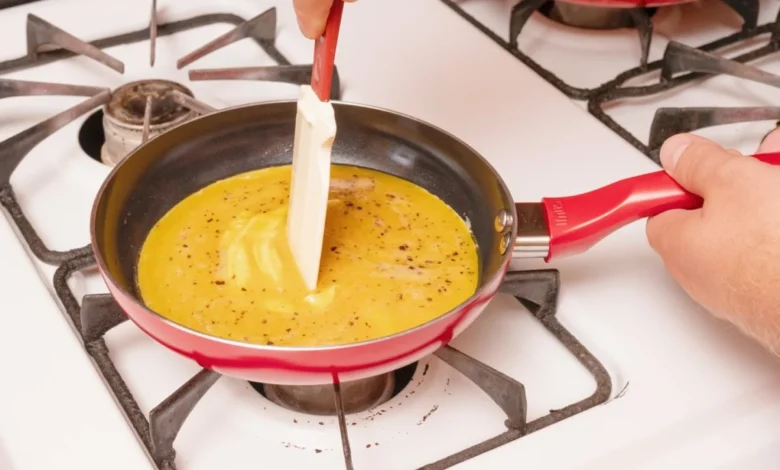
Once the eggs are in the skillet, the objective is to facilitate gradual coagulation. Rather than constant stirring—which breaks the curds into small, granular pieces—the "push" method is preferred. As the edges of the egg mixture begin to set, a silicone spatula should be used to gently move the cooked portions toward the center. This allows the remaining raw, liquid egg to flow into the vacated, heated space of the pan. This cycle of pushing and filling ensures that every portion of the egg is cooked gently and evenly.
Residual Heat and Final Presentation
The most common error in egg preparation occurs in the final stages of cooking. Because eggs continue to undergo heat-induced protein changes even after being removed from the heat source—a phenomenon known as carryover cooking—they must be plated before they appear fully done.
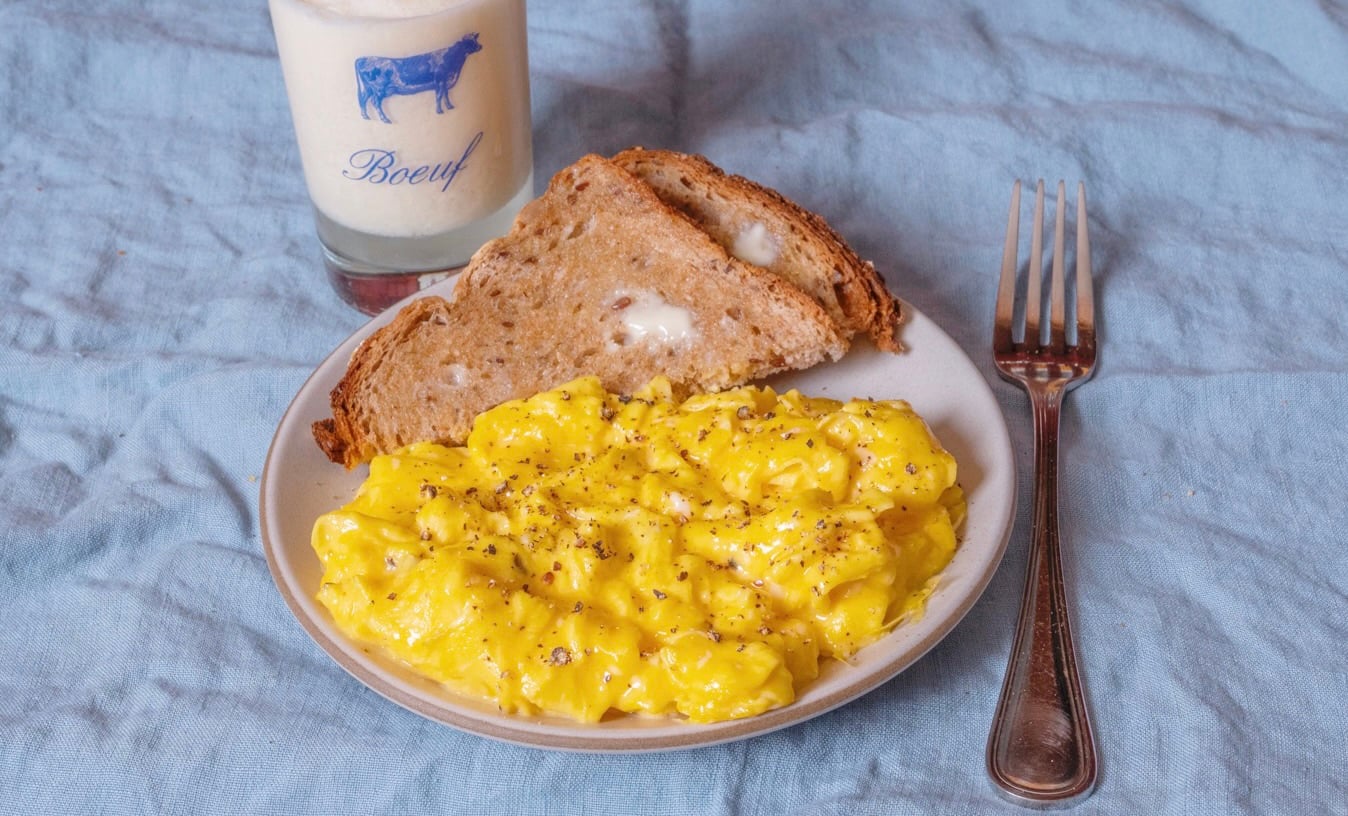
When the eggs have formed soft, glossy curds but still possess a slight, wet sheen, they should be removed from the skillet immediately. The residual heat trapped within the eggs will finalize the cooking process while they are on the plate. By the time the meal is served, the eggs will reach the ideal state of firmness without having crossed the threshold into being overcooked.
Broader Culinary Implications
The shift toward a more scientific approach to basic cooking tasks reflects a broader trend in home economics. As interest in culinary education grows, the focus has moved away from rigid recipes and toward the mastery of fundamental techniques. This "Back to Basics" philosophy suggests that once a cook understands the physical and chemical properties of their ingredients, they are empowered to replicate high-quality results consistently.
Furthermore, the emphasis on simple, high-quality preparation aligns with modern nutritional preferences, which favor whole, minimally processed ingredients over complex, additive-heavy recipes. Whether served as a standalone breakfast or as part of a larger, diner-style meal, the perfectly scrambled egg remains a standard-bearer for technical proficiency in the home kitchen. By controlling variables such as salt timing, whisking intensity, heat management, and the use of residual heat, the home cook can elevate a staple food into a sophisticated culinary experience.