Microplastics act as a Trojan horse for environmental toxins by infiltrating agricultural soil systems across Europe

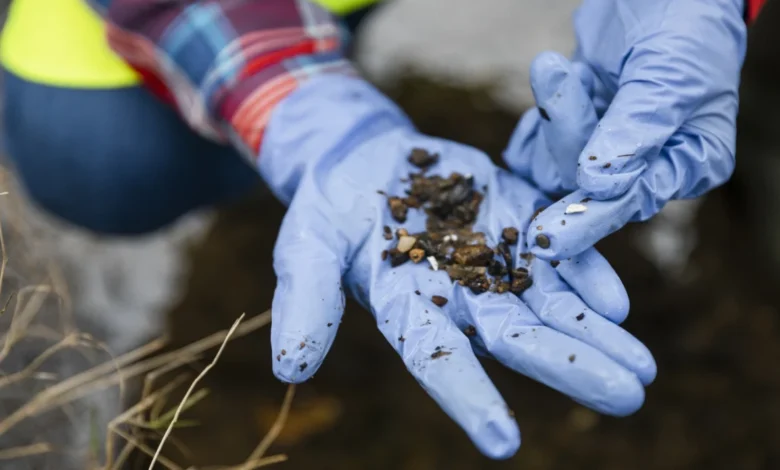
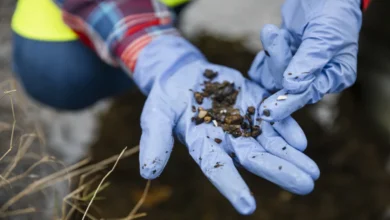
The integrity of global agricultural systems is facing a silent, pervasive crisis as microplastics infiltrate the very foundations of food production. A comprehensive five-year multinational research initiative, the EU-funded Minagris project, has unveiled that microplastic contamination is not merely a coastal or marine issue, but a critical terrestrial threat. By analyzing soil samples from 227 agricultural fields across 11 European nations, researchers have confirmed the presence of plastic fragments in every single site tested. This ubiquity suggests that the global soil microbiome is undergoing an irreversible transformation, with profound implications for food security, biodiversity, and human health.
The core of the problem lies in the capacity of microplastics to function as a "Trojan horse." These microscopic particles do not exist in a vacuum; rather, they act as vectors that transport, concentrate, and release a cocktail of hazardous substances, including pesticides, industrial pollutants, and pathogenic bacteria. As these plastics fragment within the earth, they create new, artificial ecological niches—a phenomenon researchers have termed the "plastisphere"—which facilitate the dangerous interaction between synthetic polymers and agrochemicals.
A Chronology of Research and Discovery
The Minagris project, which has produced over 22 peer-reviewed studies to date, represents the most significant effort to quantify the extent of soil plastic pollution in Europe. The timeline of this research reflects a growing realization within the scientific community that soil degradation is being accelerated by synthetic materials.
Beginning in the late 2010s, early reports from the UN Food and Agriculture Organization (FAO) first signaled that agricultural plastics—often derived from mulch films, seed coatings, and sewage sludge fertilizers—were accumulating in fields. By 2021, the Minagris collaboration began its systematic cross-border data collection. Throughout 2022 and 2023, preliminary findings from Switzerland, Italy, and the Netherlands began to emerge, consistently showing that high concentrations of tire-wear particles and agricultural plastic residues correlated with elevated levels of toxic heavy metals.
By 2025, the synthesis of this data provided the first clear picture of the "plastisphere," confirming that these particles were not merely inert debris but active participants in the chemical and biological processes of the soil. The latest findings, released in late 2026, serve as a definitive wake-up call, demonstrating that even historical land use, decades in the past, continues to affect soil composition today.
The Mechanism of the Trojan Horse Effect
The danger posed by microplastics is fundamentally linked to their surface area and chemical properties. Professor Edoardo Puglisi of the Catholic University of the Sacred Heart in Piacenza, Italy, notes that the smaller the plastic fragment, the greater its potential to adsorb environmental toxins.
When these plastics interact with pesticides and veterinary drugs, they create a concentration effect. The "plastisphere" serves as a gathering point for microbial life, where researchers have observed an alarming increase in antibiotic-resistant genes. When combined with agricultural pesticides, these microbial communities appear to mutate or adapt in ways that threaten the stability of the soil ecosystem.
This is not a localized issue. The contamination interferes with the essential work of earthworms and other soil invertebrates. By disrupting nutrient cycling—the natural process by which organic matter is broken down and transformed into plant-available nutrients—the presence of microplastics can effectively starve crops of the resources they need to thrive. Recent data indicates that high concentrations of these plastics lead to reduced biomass, lower chlorophyll content, and diminished photosynthetic efficiency in essential food crops like lettuce.
Environmental Stressors and the Drought Multiplier
One of the most concerning revelations from the Minagris project is the synergistic effect of microplastics when paired with climate-induced stressors. The research team identified that when fields were subjected to drought conditions, the negative impact of plastic contamination on plant growth was significantly amplified.
Plants struggling with water scarcity already operate under physiological duress. When microplastics are present, they further impede root function and nutrient uptake, leading to a "double-stress" scenario. This suggests that as climate change makes weather patterns more volatile and droughts more frequent, the damage to agricultural productivity caused by microplastics will likely intensify, potentially threatening global food supplies in regions already sensitive to environmental change.
The Myth of Biodegradable Alternatives
For years, the agricultural industry has promoted "biodegradable" plastics as the solution to the plastic waste crisis. However, the Minagris project has challenged the efficacy of this transition. The research indicates that many plastics labeled as biodegradable do not break down into harmless organic matter under typical soil conditions. Instead, they fragment into smaller microplastics that persist in the environment just as long as conventional polymers.
This finding is significant for policy makers, as it suggests that shifting to current biodegradable alternatives does not eliminate the risk of the Trojan horse effect. The persistence of these materials underscores the need for a fundamental shift in how the agricultural sector approaches soil health and material management.
Implications for Global Policy and Regulation
The scientific community is now calling for a drastic overhaul of environmental policy. Currently, most environmental assessments evaluate pollutants in isolation. The findings from the Minagris project demonstrate that this approach is obsolete. Because pollutants behave differently when they occur in a mixture—specifically when linked to microplastics—regulatory frameworks must move toward a more holistic, systems-based evaluation.
Esperanza Huerta Lwanga, a soil physics researcher at Wageningen University, emphasizes that the time for incremental change has passed. "To protect long-term food production and soil health, policy must catch up," Lwanga stated. The proposed path forward includes three critical pillars:
- Standardized Monitoring: Currently, there is no universal protocol for measuring microplastics in soil. Developing standardized metrics will allow researchers to compare findings across different regions and climates, creating a global database of soil health.
- Full Manufacturer Transparency: Producers of agricultural plastics must be held accountable for the entire lifecycle of their products. This includes full disclosure of chemical additives, which often leach into the soil alongside the plastic itself.
- Comprehensive Risk Assessments: Future safety evaluations must account for the interaction between microplastics and co-pollutants across various species, moving beyond the traditional focus on single-substance toxicity.
A Call for Immediate Action
The evidence is clear: the soil that feeds the world is undergoing a synthetic transformation. The accumulation of microplastics represents a long-term, structural alteration of the Earth’s surface that will be nearly impossible to remediate once established. While the research highlights the urgency of the situation, it also provides a roadmap for mitigation.
By integrating soil health into the broader climate change agenda, governments can begin to treat plastic contamination with the same level of urgency as carbon emissions or chemical pollution. Without immediate, systemic intervention, the agricultural sector risks losing the very biological foundation upon which global food security depends. As the scientific consensus solidifies, the focus must shift from observation to rigorous regulation, ensuring that the legacy of 21st-century farming is not a permanently polluted and degraded landscape.
The challenge ahead is immense, requiring collaboration between policy makers, agricultural technologists, and the global scientific community. However, the cost of inaction—measured in declining soil fertility and increased environmental toxicity—is a price that future generations cannot afford to pay. The Trojan horse has already entered the field; the priority now is to prevent it from dismantling the ecological systems that sustain human civilization.
Related posts: