A super El Nino event is projected to cause over 450,000 additional deaths globally by February 2027 due to extreme heat.


The current meteorological phenomenon, now being described by climate scientists as a "Godzilla-level" El Nino, represents a significant escalation in global climate volatility. As this event interacts with an already warming atmosphere fueled by anthropogenic greenhouse gas emissions, the resulting surge in temperature is expected to trigger a humanitarian crisis of unprecedented scale. According to a comprehensive study released by the Climate Impact Lab, the next six months will see a sharp rise in mortality rates across both developed and developing nations, with the most severe impacts concentrated in tropical and subtropical regions.
The Anatomy of a Super El Nino
El Nino is a natural climate pattern characterized by the warming of surface waters in the central and eastern Pacific Ocean. While it occurs periodically, the 2026 event has surpassed all historical records for intensity. On September 21, 2026, temperatures associated with this cycle broke the previous all-time highs for the phenomenon, prompting researchers to describe the surge as "mind-blowing."
Unlike previous cycles, this El Nino is occurring against the backdrop of a planet that has already warmed significantly due to the burning of fossil fuels. Friederike Otto, a professor at Imperial College London, noted that this event acts as a "huge redistribution of energy" within a climate system that is fundamentally different from that of the 20th century. By stacking this natural variability onto a higher baseline temperature, the world is experiencing heat extremes that have never been documented in human history.
Chronology of the Crisis
The trajectory of this heat crisis began to manifest clearly in early 2026, as global average temperatures climbed steadily. By June 2026, regions such as Banda, India, began reporting sustained, lethal heat waves that required emergency public health interventions, including the establishment of cooling centers and the distribution of medical supplies.
The period of analysis for the current death toll projection spans from June 2026 to February 2027. However, climatologists warn that the lethal implications of this cycle will likely persist well into the second quarter of 2027. This timeline is particularly alarming when compared to historical precedents, such as the 1877–1878 El Nino, which resulted in widespread drought, famine, and an estimated 50 million deaths. While modern infrastructure, global trade, and medical advancements provide buffers that were unavailable in the 19th century, the sheer speed and intensity of the current warming threaten to overwhelm existing emergency response frameworks.
Regional Vulnerabilities and Mortality Projections
The Climate Impact Lab utilized peer-reviewed methodologies to analyze the relationship between temperature and mortality across 24,378 distinct geographic regions. By comparing current forecasts against historical baselines from 1996 to 2025, researchers identified a clear, quantifiable link between the incoming thermal spikes and excess deaths.
The nations expected to bear the heaviest burden include:
- Nigeria: Facing extreme heat stress compounded by infrastructure limitations.
- Indonesia: Vulnerable to both direct heat and the secondary effects of altered precipitation patterns.
- Sudan: Currently struggling with regional instability, now facing the added pressure of extreme temperature spikes.
- India: A high-density population center where outdoor labor and limited cooling access exacerbate mortality risks.
- Brazil: Facing significant agricultural and health challenges due to prolonged drought and heat.
Even wealthy, developed nations are not immune. The United States is projected to experience approximately 3,500 additional heat-related deaths during this period. These figures are categorized as "excess deaths," meaning they occur specifically due to the abnormal heat brought by this particular El Nino, over and above the normal baseline mortality for these regions.
Implications for Global Stability and Food Security
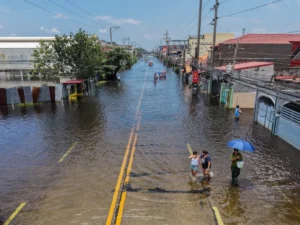
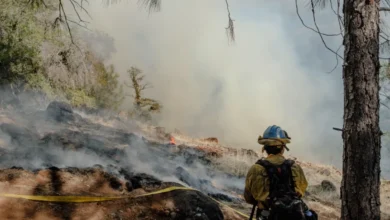
The secondary impacts of this super El Nino are arguably as dangerous as the direct heat. The World Food Programme has issued urgent warnings regarding the impact of this climate pattern on global food systems. Droughts, flooding, and wildfire conditions are expected to disrupt agricultural production significantly, potentially pushing an additional 50 million people toward acute food insecurity.
As prices for staple crops rise, low-income households in the global south will face a dual threat: the inability to afford nutritious food and the physical danger posed by rising ambient temperatures. This combination of heat stress and nutritional deficit creates a "multiplier effect" that undermines the resilience of entire communities.
Policy Responses and Mitigation Strategies
In response to these projections, researchers are calling for a rapid pivot in public health policy. Michael Greenstone, co-founder of the Climate Impact Lab and a professor at the University of Chicago, emphasized that these numbers are not merely statistical artifacts but represent the loss of life among families and workers.
"The estimate of 451,000 people is such a large number that it can be numbing," Greenstone stated. "But it is made up of parents and children, grandparents and neighbours."
The proposed mitigation strategies focus on immediate, high-impact interventions:
- Early Warning Systems: Utilizing climate modeling to predict heat waves weeks in advance, allowing for the pre-positioning of medical supplies.
- Infrastructure Upgrades: Expanding the reach of designated cooling centers and retrofitting public housing to improve thermal insulation.
- Labor Protections: Implementing mandatory work stoppages or "cool-down" periods for outdoor workers during peak temperature hours.
- Medical Surge Capacity: Increasing staffing levels at hospitals and clinics in anticipation of heat-related admissions.
A "Postcard from the Future"
Perhaps the most sobering assessment offered by experts is that this El Nino serves as a preview of the "new normal." Tamma Carleton of the University of California, Berkeley, described the current crisis as a "postcard from our future."
The temperature levels currently being experienced are those that climate models projected for the mid-2040s. By experiencing these conditions now, the global community is effectively being forced to test its capacity for adaptation to a future climate that is significantly more hostile to human health.
The scientific consensus is clear: while emergency responses can save lives in the short term, the current trajectory is unsustainable. As long as the global economy remains tethered to fossil fuel combustion, the baseline temperature will continue to rise. This creates a feedback loop where even "natural" variations like El Nino become increasingly lethal.
The decision to release these projections before formal peer-review publication reflects the consensus among the scientific community regarding the urgency of the moment. By providing policymakers with a roadmap of which regions are at the highest risk, researchers hope to move from a state of reactive crisis management to proactive, data-driven protection.
As the world heads into the peak of this El Nino cycle, the coming months will serve as a critical test for international cooperation, public health infrastructure, and the global commitment to climate adaptation. The projected 450,000 deaths remain a forecast, not a certainty, provided that local, national, and international stakeholders can effectively mobilize the necessary resources to protect the most vulnerable populations from the mounting heat.