When Rural Idaho Counties Rethink Clean Energy Bans: The Inside Story of Bannock County

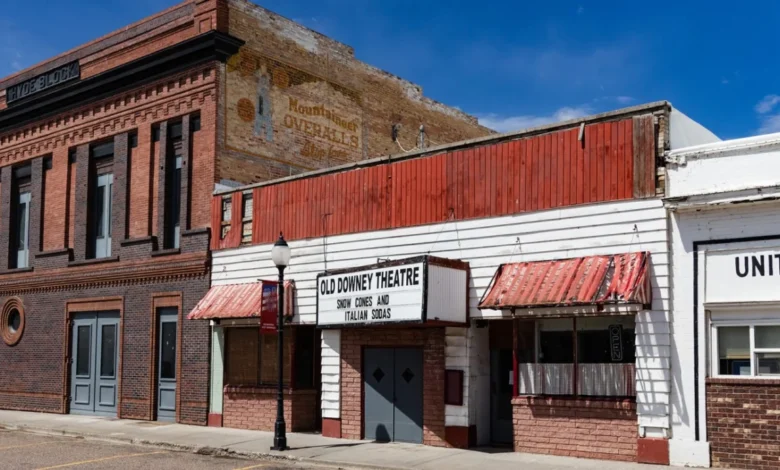
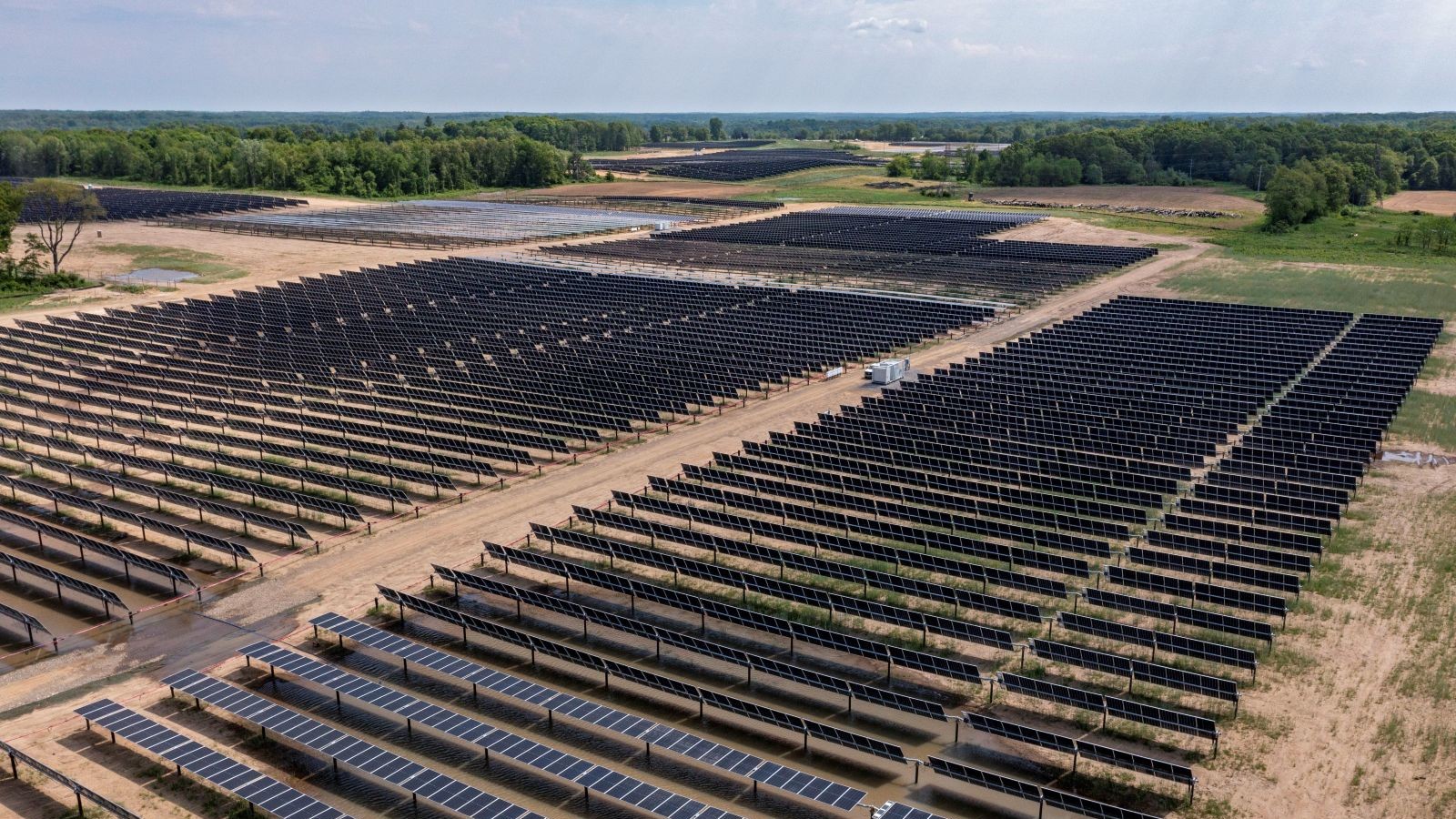
Bannock County, Idaho is at a crucial crossroads regarding its energy future. What began as a sweeping local prohibition on utility-scale renewable energy development is now facing a concerted pushback from county leadership, landowners, and energy developers alike. Originally instituted in March 2024 by a 2–1 vote, a local ordinance banned wind and solar projects across the county, aligning with a broader national trend. By 2025, nearly 25% of all U.S. counties had implemented some form of ban, moratorium, or severe impediment to clean energy development, with over 60% of those restrictions concentrated in rural areas, according to analyses by the Daily Yonder, Canary Media, USA Today, and the Sabin Center for Climate Change Law at Columbia University.
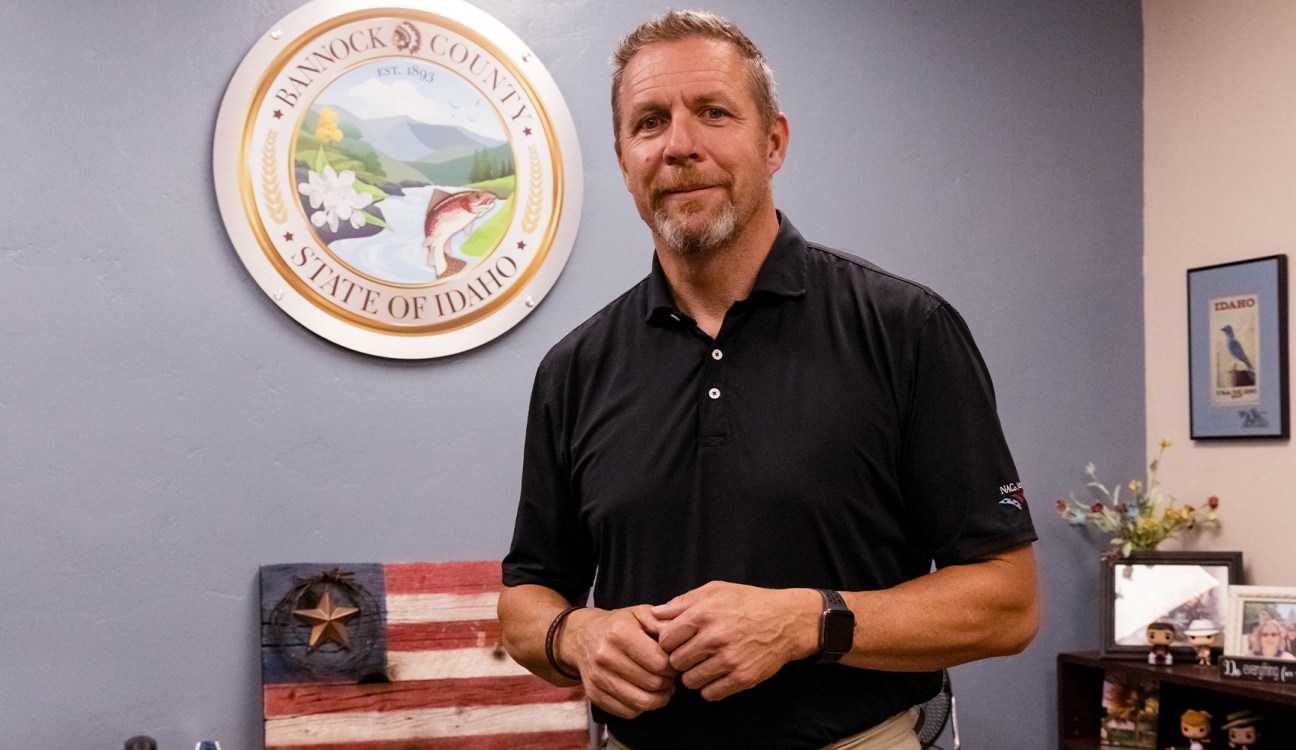
However, as a fresh draft ordinance prepares to go before the county commission, Bannock County stands as a prime test case for whether rural communities can reevaluate the economic and logistical realities of modern energy production and potentially reverse course.
Rising Energy Demands and Strategic Geography
The pressure to rethink the ban stems largely from a state-wide surge in electricity consumption. Idaho Power, the state’s largest utility, has projected that local electricity demand will skyrocket by approximately 1 gigawatt by 2030, representing a 26% leap from current baselines. Aaron Menenberg, Idaho policy manager for the nonprofit Renewable Northwest, emphasized the urgency of this growth, stating that the regional economic future depends on building energy resources immediately.
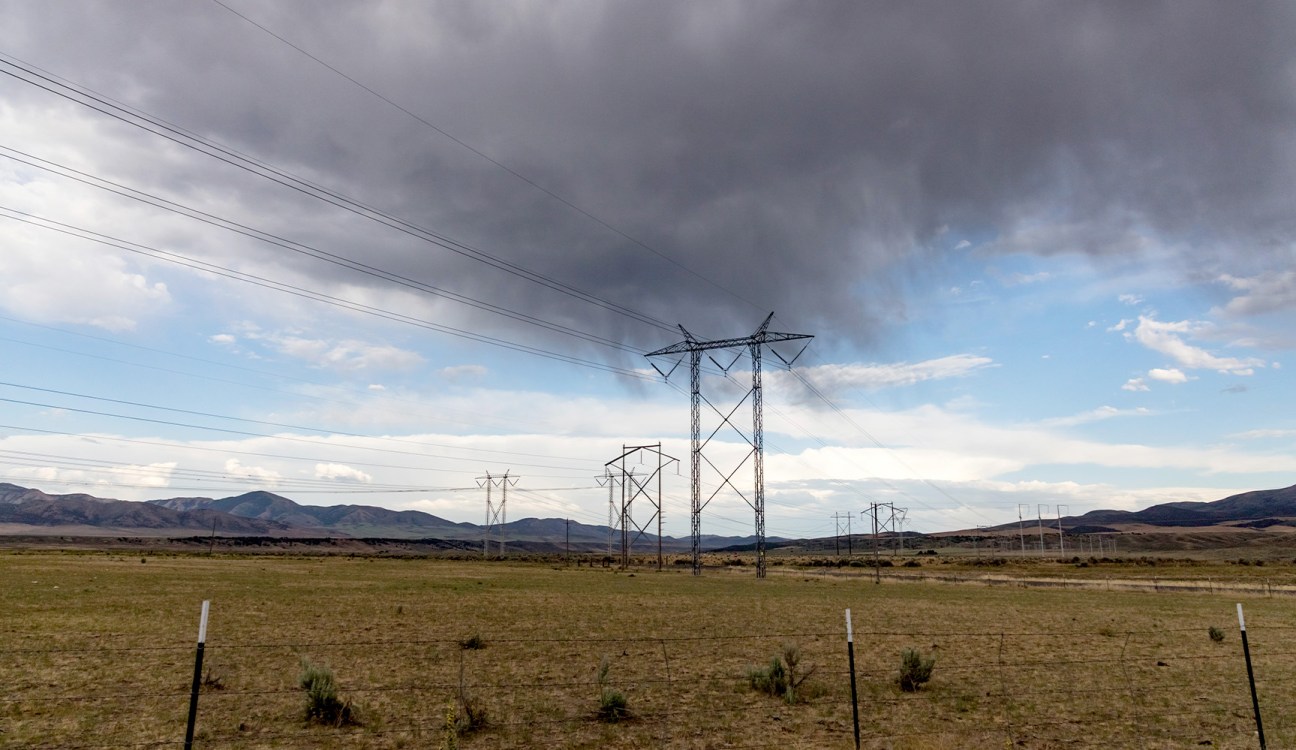
Geographically, Bannock County is uniquely positioned to help solve this regional crunch. Nestled in a valley north of Salt Lake City and west of Wyoming’s Teton Range, the county hosts the Populus substation—a vital regional hub for injecting electricity into the power grids of Idaho, Utah, Wyoming, and the Pacific Northwest. Constructing new generation facilities near existing transmission infrastructure significantly lowers transmission costs, savings that can ultimately be passed down to utility ratepayers.
Chronology of the Bannock County Conflict
The friction over land use and energy development in Bannock County developed rapidly over a multi-year timeline:
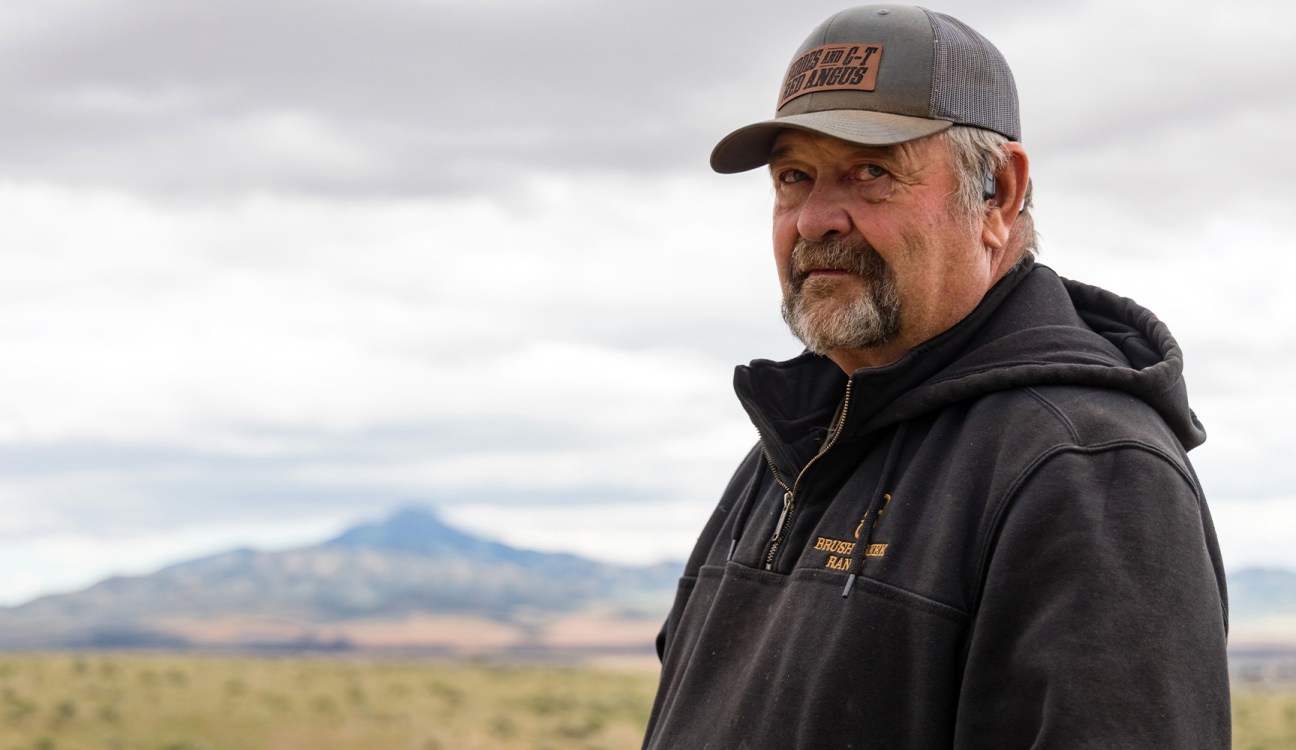
- Late 2023: Prompted by concerns surrounding massive regional initiatives like the proposed 1-gigawatt Lava Ridge Wind Project in southern Idaho, County Commissioner Jeff Hough championed a temporary six-month moratorium on large-scale energy projects to establish proper zoning regulations.
- October 2023: The commission unanimously enacted the six-month pause, aiming to balance economic growth with land stewardship.
- February 2024: Public sentiment galvanized against large-scale solar. A highly attended public hearing at a local high school drew sharp divisions between agricultural landowners eager to lease unproductive acreage and resident groups fearing loss of agricultural heritage and community character.
- March 2024: The commission voted 2–1 to formally ban utility-scale wind and solar, with Hough casting the sole dissenting vote in favor of private property rights.
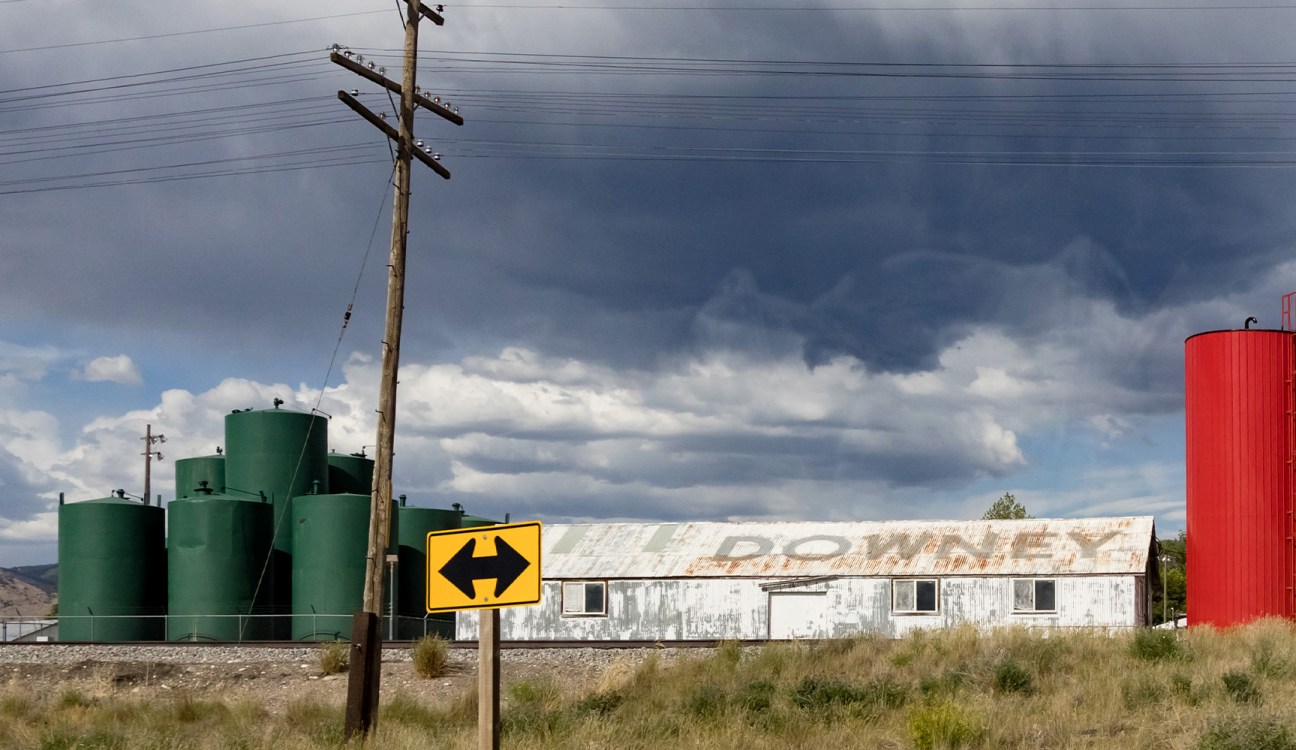
- May 2024 – May 2026: Political battles at the ballot box reflected deep community divisions. While anti-solar candidates won overwhelming majorities in rural southern precincts like Downey, broader county seats remained split, and Hough successfully defended his seat as commission chair.
- Late 2026: The Bannock County Commission is slated to vote on a comprehensive new land-use and development ordinance that would explicitly permit solar, wind, and advanced nuclear energy developments under stringent regulatory frameworks.
Economic Pressures and Agricultural Realities
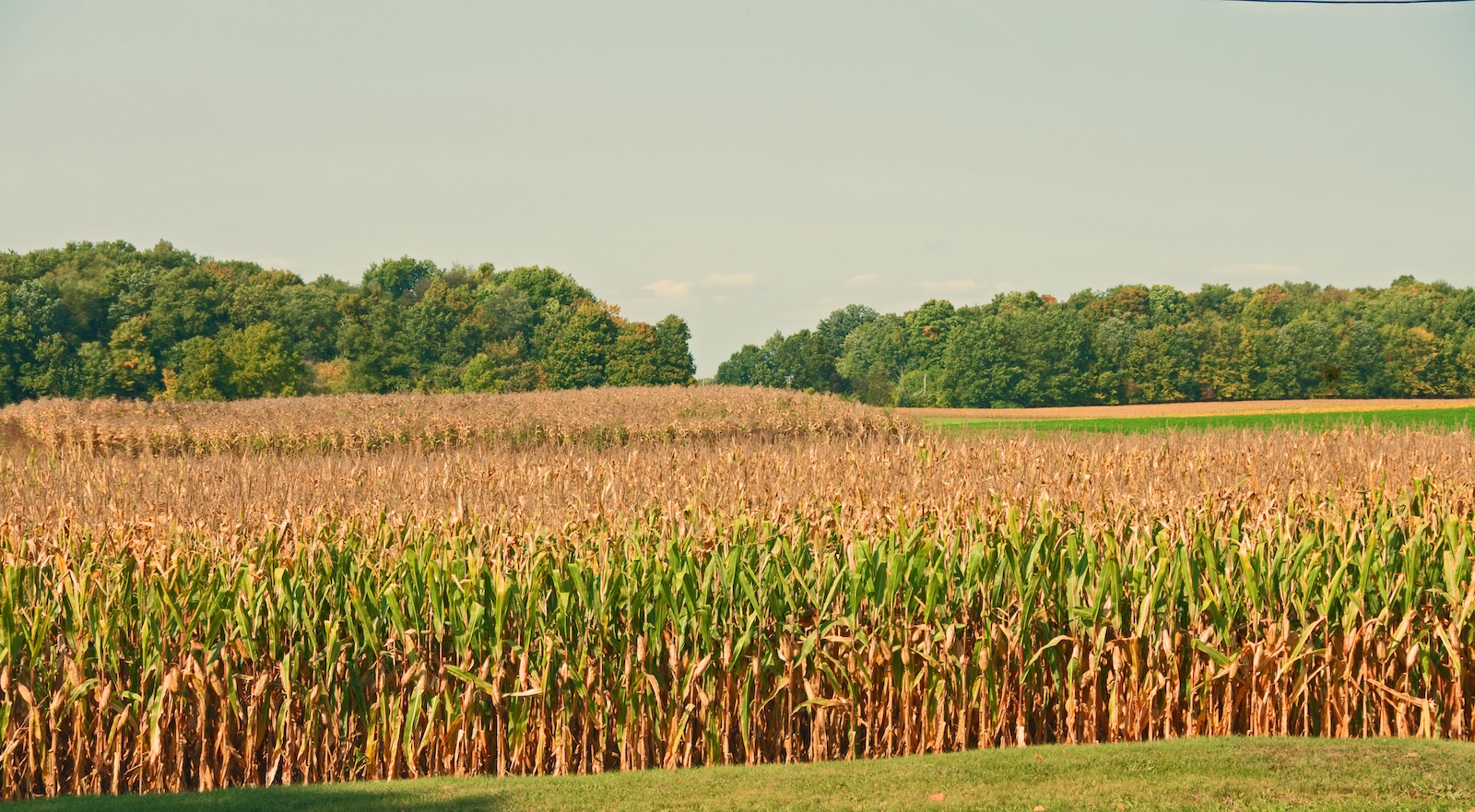
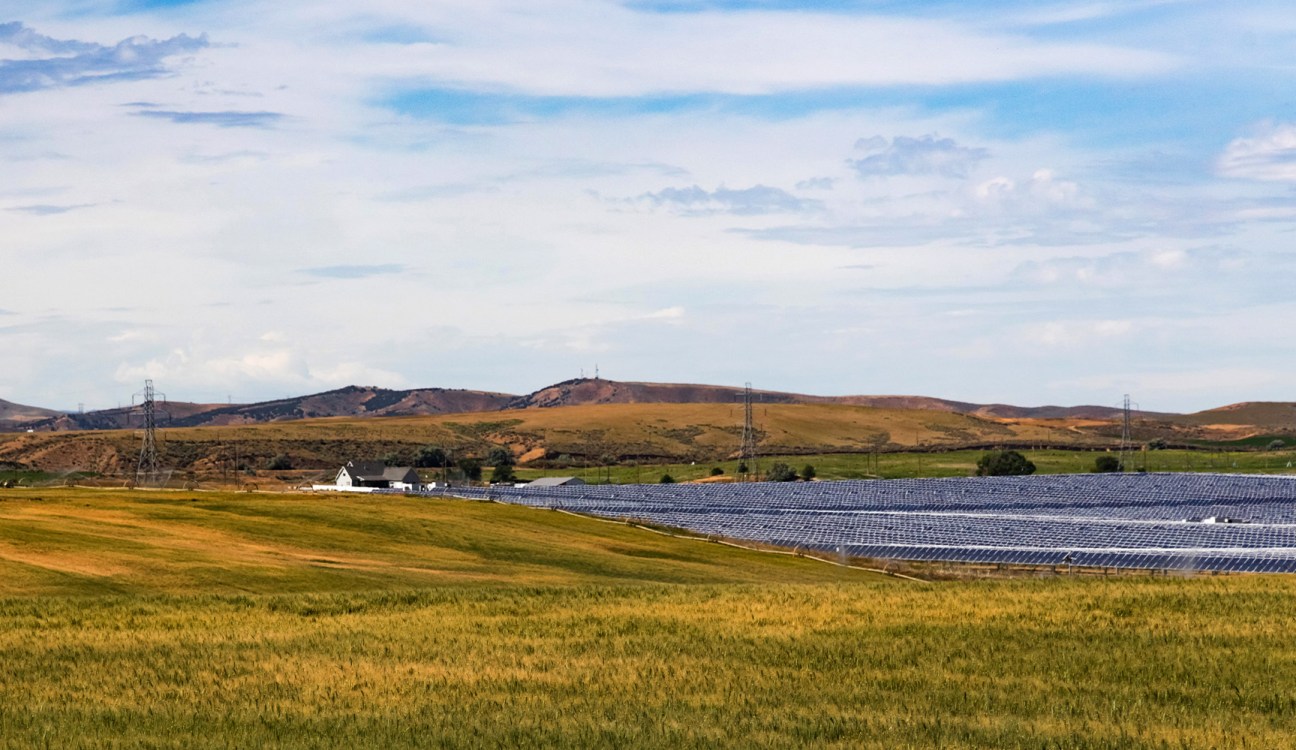
For many lifelong agricultural families in south Bannock County, compounding climate challenges have made traditional dryland grain farming increasingly nonviable. Decades-long droughts and record-low snowpacks have severely depleted groundwater levels and soil moisture across the region. Farmers like Steve Criddle and Dale Lish have watched crop yields plummet, forcing many to seek alternative revenue streams to maintain multi-generational landholdings.
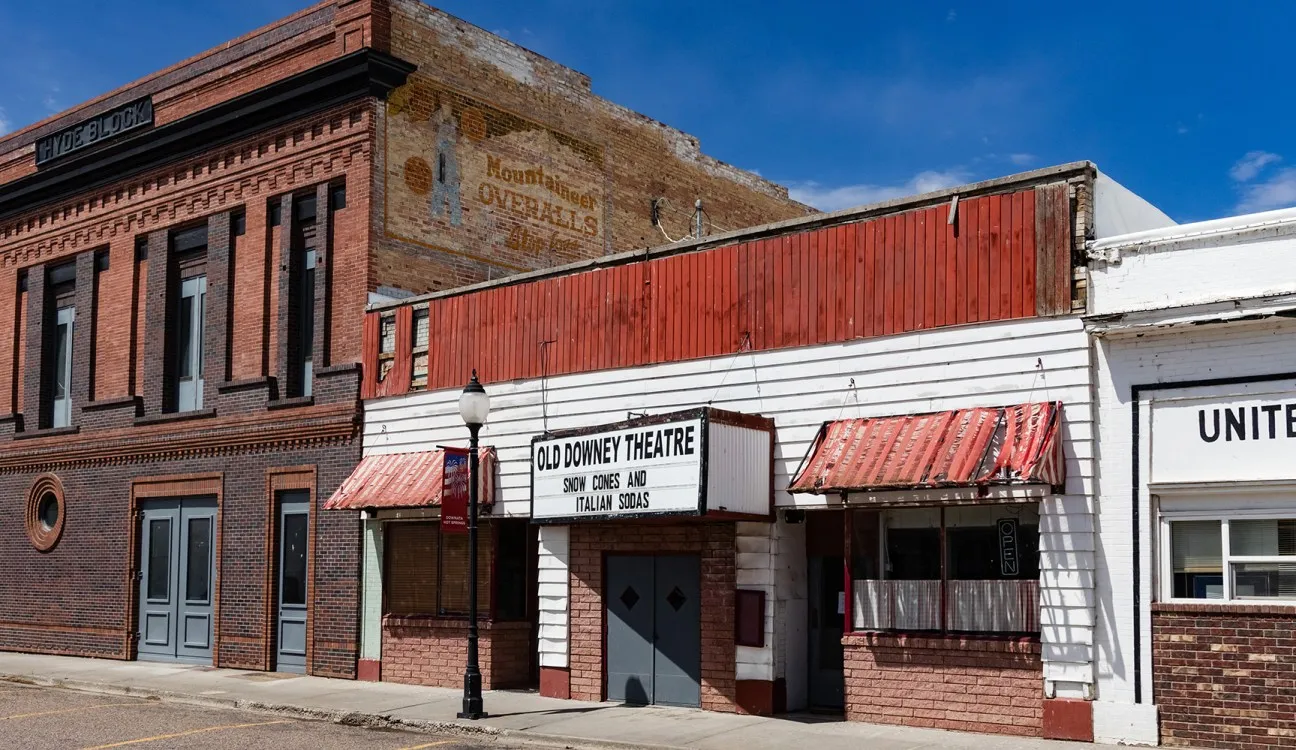
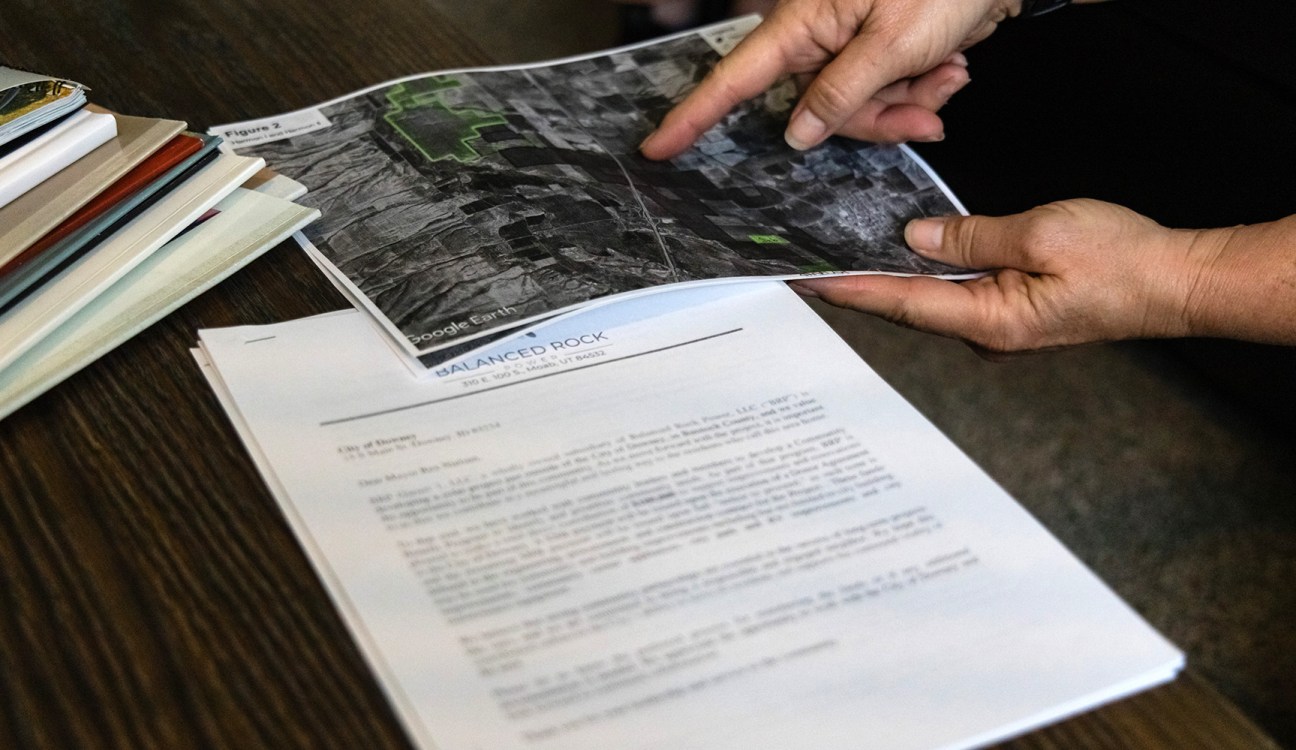
Proponents of lifting the ban argue that utility-scale solar lease payments offer crucial financial lifelines. Studies of neighboring Power and Bingham counties show that operational clean energy projects generated hundreds of thousands of dollars in local tax revenues in 2024 alone. Furthermore, developers like Balanced Rock Power—which proposed the 300-megawatt Harmon Solar Project—offered direct community benefit packages, including a $100,000 contribution to the city of Downey to help restore lost local services such as grocery stores and pharmacies.
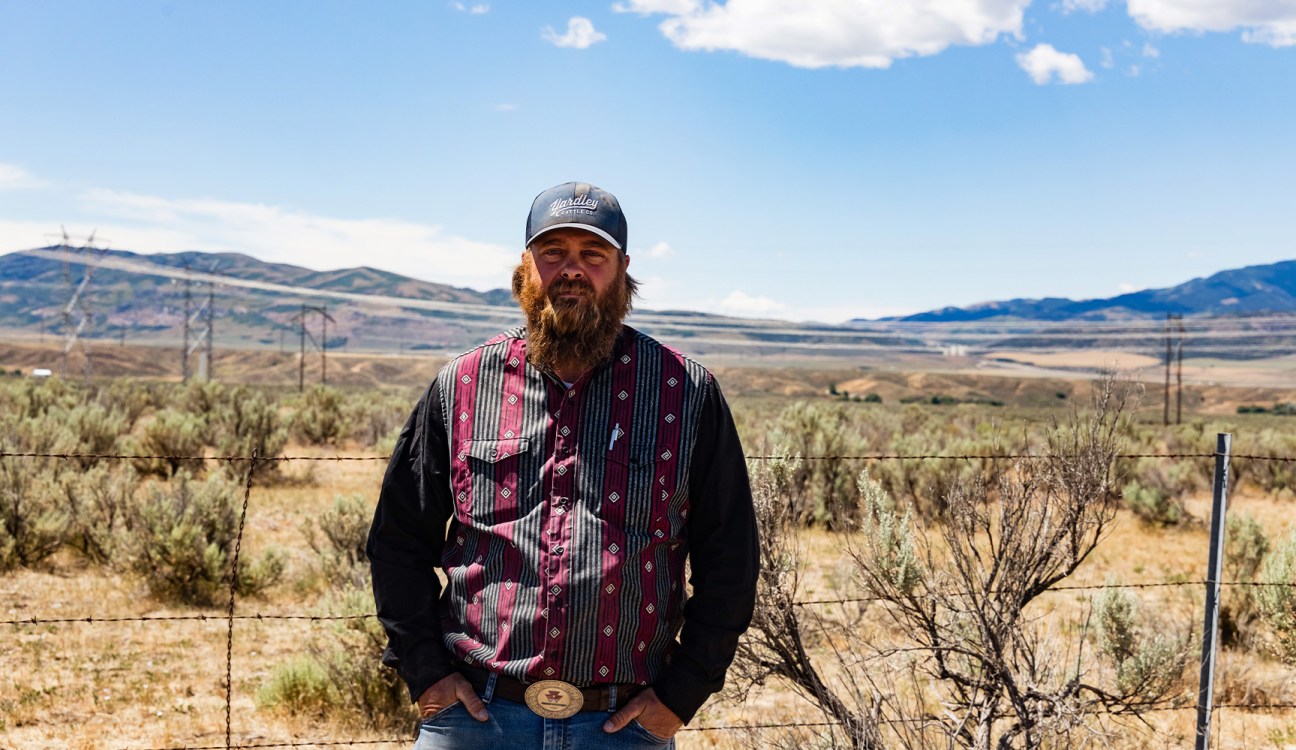
Local Opposition and Validated Concerns
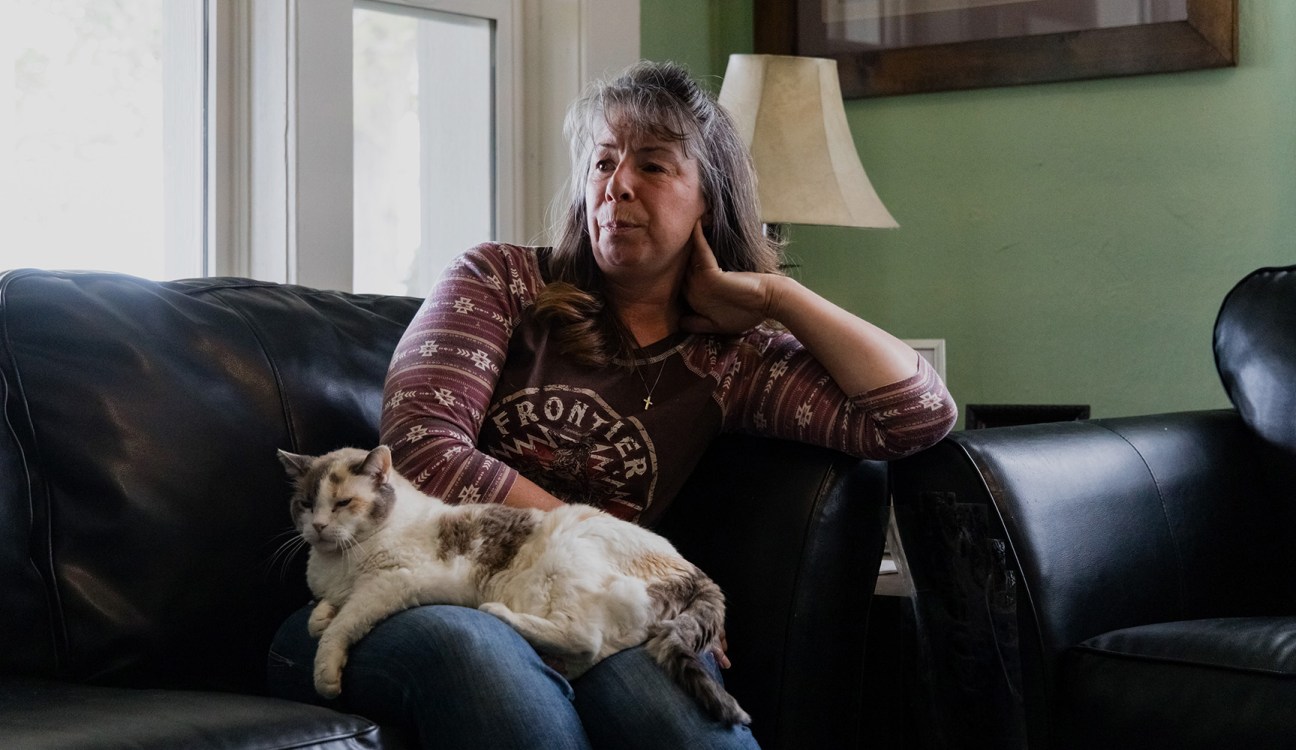
Despite the economic incentives, a passionate segment of the rural population remains fiercely opposed to utility-scale green energy. Led by community advocates like Rebecca Falcon and Dez Hauser, local opposition groups argue that industrial installations permanently alter rural aesthetics, consume valuable agricultural land, and present long-term decommissioning risks.
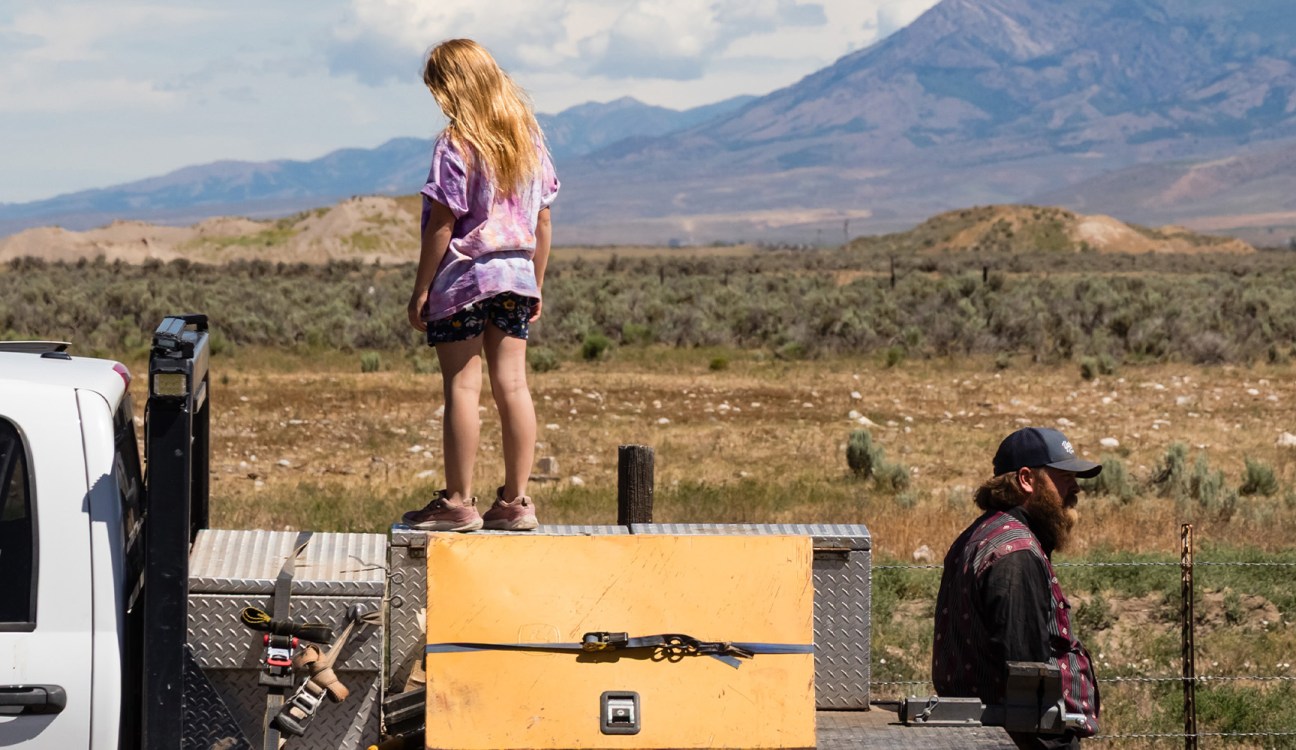
Opponents have also highlighted legitimate logistical concerns regarding modern battery energy storage systems (BESS). Following high-profile industrial battery fires in states like California, volunteer fire departments in Downey and Lava Hot Springs formally notified the county commission in late 2025 that local personnel lacked the specialized equipment and training required to manage large-scale lithium-ion battery incidents.
In response to these localized anxieties, the proposed 2026 draft ordinance incorporates rigorous guardrails. Developers will be legally required to establish dedicated decommissioning bonds, submit comprehensive land restoration plans to return sites to pre-construction conditions, and directly fund local emergency response training and specialized fire suppression equipment.
The Nuclear Consensus and Future Outlook
Interestingly, while solar and wind installations face intense skepticism, Bannock County residents have expressed overwhelming support for advanced nuclear energy. A county-wide survey conducted in January 2026 revealed that approximately 90% of respondents held favorable views toward nuclear development, buoyed by the proximity of the Idaho National Laboratory (INL) and regional projects like Bill Gates-backed TerraPower’s Natrium reactor under construction in neighboring Wyoming.
Local leaders and commissioners acknowledge that while advanced nuclear technologies like small modular reactors (SMRs) represent a promising long-term economic and energy engine for southeast Idaho, practical deployment remains years away due to regulatory, supply chain, and engineering hurdles.
Commissioner Ernie Moser, who originally voted in favor of the 2024 ban, has noted a significant shift in his perspective as he reviews the comprehensive protections built into the new draft ordinance. Balancing deep personal stewardship of Idaho’s landscape with the undeniable economic and infrastructural necessities of a rapidly growing state, Moser and his fellow commissioners face a defining vote that will shape Bannock County’s identity—and its economic resilience—for decades to come.