
Environmental Conservation

Chile Wildfire Botanical Garden Recovery and Resilience
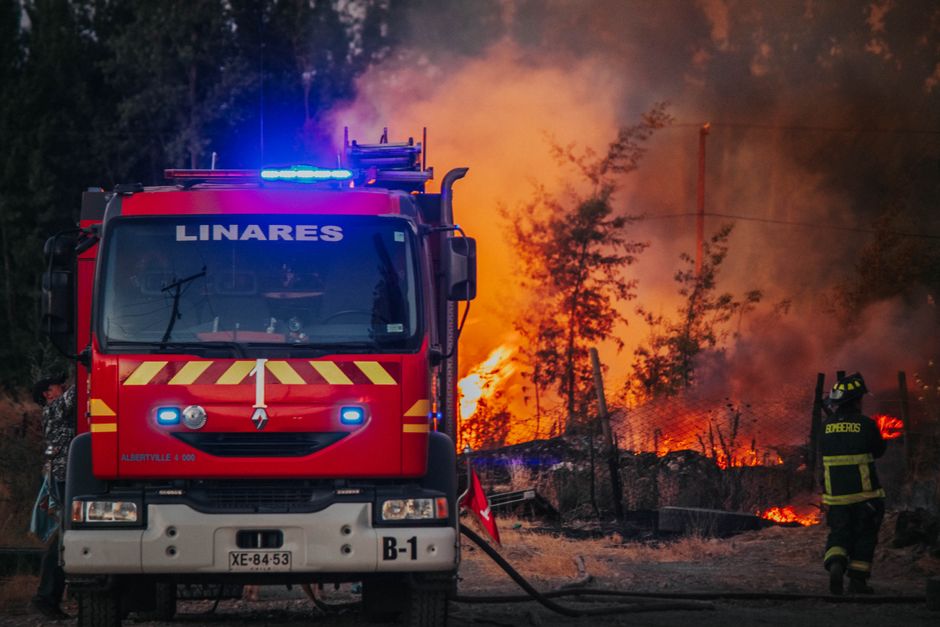
Chile Wildfire Botanical Garden: A vibrant space, once teeming with life, now faces the challenge of recovery. This garden, a cornerstone of Chilean biodiversity, has endured significant damage from recent wildfires, impacting its infrastructure and precious plant collections. We delve into the devastating impact, explore the tireless restoration efforts, and examine the future of this vital ecosystem.

Nestled amidst the breathtaking landscapes of Chile, the botanical garden played a vital role in preserving the country’s diverse flora. The garden’s rich history and the intricate ecosystems it fostered make its recovery all the more crucial for the nation’s biodiversity. The wildfires, unfortunately, left an indelible mark, prompting a deep look at the resilience of nature and the dedication of those working to restore it.

Introduction to the Chilean Wildfire Botanical Garden

Nestled amidst the breathtaking landscapes of Chile, lies a unique botanical garden, bearing the scars and resilience of recent wildfires. This garden, a testament to the country’s rich biodiversity, strives to preserve and promote the understanding of its flora, while also playing a vital role in ecological restoration. Its story is one of both beauty and adversity, highlighting the interconnectedness of nature and human intervention.The Chilean Wildfire Botanical Garden is not just a collection of plants; it’s a living archive of Chilean biodiversity, reflecting the country’s unique ecosystems.

Its mission extends beyond simply showcasing plants; it actively works to protect endangered species and promote sustainable practices in the face of environmental challenges. This article will delve into the garden’s history, location, collections, and the profound impact of the recent wildfires.

Geographical Location and Surrounding Environment, Chile wildfire botanical garden

The garden is situated in the central region of Chile, within a valley surrounded by towering Andes Mountains. The unique microclimate fostered by the mountains and surrounding topography provides a diverse range of habitats, supporting a rich array of plant life. This location also places the garden in a zone susceptible to the effects of climate change and the risks of wildfires, making its preservation efforts all the more critical.

Significance in the Context of Chilean Biodiversity

Chile boasts an unparalleled level of biodiversity, with a high concentration of endemic species. The garden plays a crucial role in preserving this unique heritage. It houses a significant collection of native Chilean flora, including trees, shrubs, and herbs, many of which are found nowhere else on Earth. The garden’s mission is not just to showcase these plants, but to safeguard their future and inspire conservation efforts throughout the region.

Notable Plant Collections

The garden’s collections are meticulously curated to represent the varied ecosystems of Chile. It includes diverse collections of native trees, shrubs, herbs, and other plant life. A notable collection showcases the diverse flora of the Chilean Mediterranean climate zone, highlighting the resilience of plant life in this specific environment. Another focus is on plants adapted to high-altitude conditions, showcasing the remarkable adaptations of species to extreme environments.

Impact of Recent Wildfires on Infrastructure and Collections

Recent wildfires have had a devastating impact on the garden’s infrastructure and collections. Significant portions of the garden’s structures, including greenhouses and research facilities, were damaged or destroyed. Moreover, the fire severely impacted the garden’s plant collections, resulting in significant losses of rare and endangered species. The long-term recovery and restoration of the garden will require significant effort and resources.

Overview of the Garden’s History and Mission

Established in [Year], the Chilean Wildfire Botanical Garden was created with the mission of preserving and promoting Chilean biodiversity. The garden’s initial focus was on showcasing the diverse plant life of the region, educating the public about their ecological importance, and encouraging sustainable practices. The garden has since expanded its mission to include research, conservation, and community engagement initiatives.

Its collections have grown to encompass a wide variety of native Chilean species, reflecting the region’s rich ecological tapestry.

Impact of Wildfires on Plant Life

The Chilean Wildfire Botanical Garden, a haven for diverse plant life, has been severely impacted by recent wildfires. Understanding the short-term and long-term effects on the garden’s vegetation is crucial for developing effective restoration strategies and ensuring the survival of these valuable plant communities. This blog post delves into the devastating consequences of the fire on the garden’s plant life, examining the immediate damage, long-term resilience challenges, and the overall impact on the garden’s biodiversity.

Short-Term Effects on Vegetation

The immediate aftermath of the wildfire reveals a landscape scarred by charred remains and a stark absence of verdant life. Many plant species, particularly those with exposed or flammable foliage, suffered direct damage from the intense heat. This includes the loss of leaves, stems, and flowers, severely impacting their photosynthetic capacity and overall health. Some plants exhibited scorched and brittle appearances, while others were reduced to ash.

The immediate visual impact is profound, showcasing the devastating force of the wildfire.

Long-Term Consequences for Plant Resilience and Diversity

The long-term consequences extend beyond the immediate visual effects. The loss of plant cover can lead to soil erosion, increased susceptibility to drought, and a disruption of the intricate ecological web that sustains plant communities. The loss of specific plant species can significantly diminish the overall biodiversity of the garden, potentially affecting pollination and seed dispersal mechanisms. The resilience of the remaining plant species will depend on their inherent adaptability and the availability of resources, including water and nutrients.

Factors such as the intensity and duration of the fire, and the pre-existing health of the plant populations are all contributing factors to the long-term outlook.

Comparison of Plant Species Affected

Different plant species exhibited varying degrees of vulnerability to the wildfire. For example, woody plants with thick bark, like certain species of Chilean oak, often fared better than delicate herbaceous plants or those with flammable foliage, such as many wildflowers. The specific plant architecture, fire-resistance adaptations, and location within the fire’s path all played a significant role in determining the extent of damage.

A comparison of the pre-fire and post-fire conditions is vital for understanding the long-term impact on the overall biodiversity of the garden.

The Chilean wildfire devastation of the botanical garden is truly heartbreaking. It’s a reminder of the fragility of nature and the importance of conservation efforts. The loss of biodiversity in such a significant area is a global concern. Thankfully, initiatives like those explored in the Abney Bey Fordjour Simmons Harlem Renaissance Met show that even amidst tragedy, there’s hope for rebuilding and appreciating our shared natural world.

Restoring the Chilean botanical garden is crucial for the future, not just for the plants but for the people who rely on it.

Specific Types of Damage Caused

The damage varied depending on the plant species and the intensity of the fire. Some plants suffered from complete destruction, while others sustained partial damage, exhibiting scorched leaves or broken branches. The degree of damage also influenced the plant’s ability to recover. For example, plants with extensive root systems might have a better chance of regrowth compared to those with shallower root systems.

The loss of the plant canopy also impacts the forest floor, potentially altering the availability of sunlight and nutrients, further impacting the remaining plant species.

Impact on Pollination and Seed Dispersal

The wildfire has significantly impacted the pollination and seed dispersal processes. The loss of flowering plants directly affects pollinators, reducing their food sources and impacting their populations. The destruction of seed pods and fruits also disrupts the natural seed dispersal cycle, potentially reducing the genetic diversity and overall population of certain plant species. This loss of pollination and seed dispersal can lead to long-term declines in the affected plant populations.

Pre- and Post-Fire Plant Populations Comparison

Plant Species Pre-Fire Population Post-Fire Population Description of Damage
Chilean Oak High Moderate Mostly retained bark and large branches; some trees burned from base to canopy.
Wildflowers High Low Almost complete destruction, including roots, due to intense heat and proximity to fire.
Shrubs Moderate Low Partial damage; many shrubs destroyed or significantly impacted.

The table illustrates the significant decrease in plant populations following the wildfire. A more detailed study of the affected plant communities is needed to provide a precise picture of the long-term effects. This is vital for effective restoration and management strategies.

Recovery and Restoration Efforts

Chile wildfire botanical garden

The Chilean Wildfire Botanical Garden, like many other natural spaces, faced significant damage during the recent wildfires. This section details the immediate response, restoration strategies, community involvement, and the phased approach to bringing the garden back to its former glory. The recovery process is a testament to the resilience of nature and the dedication of those involved.

Immediate Response to the Wildfire

The immediate aftermath of the wildfire demanded a swift and coordinated response. Emergency services focused on rescue efforts, ensuring the safety of personnel and visitors. A thorough damage assessment followed, evaluating the extent of destruction across the garden’s diverse plant collections and infrastructure. This crucial initial step provided a baseline for the subsequent restoration plans. Teams meticulously documented the losses, identifying impacted areas and the specific plant species affected.

The devastating Chilean wildfires, especially those impacting the botanical garden, highlight the urgent need for better disaster preparedness. These tragedies often involve staff burnout, and a lack of resources. This emphasizes the importance of a “right to disconnect law” for those working on the front lines of such emergencies. Right to disconnect law policies could help prevent further loss of life and ensure better support for the botanical garden’s future recovery and preservation efforts, ensuring these invaluable collections are protected from future disasters.

Early assessment reports highlighted the severe impact on the rare and endangered species.

The Chilean wildfire botanical garden suffered significant damage, leaving many rare plant species vulnerable. This devastating event highlights the importance of conservation efforts, especially considering the recent news about felicia snoop pearson ed burns wire which brings a different perspective to the broader issue of environmental impact. Thankfully, replanting initiatives are underway to restore the garden to its former glory, showcasing the resilience of nature and the dedicated efforts of the local community.

Restoration and Rehabilitation Strategies

The restoration plan encompassed a multifaceted approach tailored to the unique needs of the botanical garden. This involved a careful evaluation of the damaged landscape, considering the topography, soil conditions, and the specific vulnerabilities of different plant types. The plan prioritized the preservation of existing native species and the reintroduction of those lost to the flames. Reforestation efforts focused on selecting appropriate species for the particular microclimates within the garden.

Role of Volunteers and Local Communities

Local communities played a critical role in the recovery process. Volunteers, from students to seasoned botanists, actively participated in the restoration efforts. Their enthusiasm and hands-on involvement were instrumental in the timely implementation of the plan. The community’s collective knowledge of local flora proved invaluable in the reintroduction process. This collaborative spirit fostered a sense of shared responsibility and ownership in the garden’s recovery.

Timeline of Restoration Efforts

The restoration timeline was structured into distinct phases, each with specific goals and deliverables. Phase 1 focused on immediate stabilization, followed by soil remediation and site preparation. Phase 2 focused on the introduction of the first wave of seedlings, while Phase 3 concentrated on long-term maintenance and the monitoring of reintroduced species. The detailed timeline ensured a phased and structured approach to the restoration process.

Restoration Plan Stages

Phase Description Timeline
Phase 1: Stabilization and Site Preparation Assessment of damage, debris removal, soil stabilization, and initial infrastructure repairs. Weeks 1-4 after the fire
Phase 2: Reintroduction of Plant Species Planting of native species, establishment of nurseries, and monitoring of growth. Months 5-9 after the fire
Phase 3: Long-Term Maintenance Ongoing monitoring of reintroduced species, maintenance of irrigation systems, and long-term support for established plants. Years 1-5 after the fire

Methods for Reintroducing Plant Species

The reintroduction of plant species involved a variety of methods. Nurseries were established to propagate seedlings of the affected species, using the most effective methods. This included both traditional methods and modern techniques. The careful selection of planting sites considered factors such as light, water, and soil conditions. Transplantation techniques, specific to each plant species, ensured optimal survival rates.

Seeds collected from surviving specimens were used for propagation in controlled environments. The reintroduction process was monitored closely to ensure the success of the restoration efforts.

Conservation Strategies and Future Planning

The Chilean Wildfire Botanical Garden is more than just a place to admire the resilience of native flora; it’s a crucial hub for long-term conservation. Understanding the unique needs of the affected ecosystems and implementing sustainable strategies are paramount for the future of these plants and the wider biodiversity of Chile. This involves not only meticulous plant care but also community engagement and strategic partnerships.

Long-Term Conservation Strategies

The garden’s conservation strategies encompass a multifaceted approach, focusing on both the immediate recovery of affected species and the long-term preservation of Chilean biodiversity. This involves active propagation of endangered plant species, the creation of specialized microclimates to replicate natural habitats, and the development of robust seed banks to ensure genetic diversity. The careful selection and nurturing of genetically diverse individuals are key for long-term adaptation and survival.

The Chilean wildfire devastation at the botanical garden is truly heartbreaking. Losing these irreplaceable plant species is a tragedy, but it’s important to remember that global events like the escalating tensions between the US and Russia in nuclear space, especially in relation to Pakistan and Asia, us russia nuclear space pakistan asia , can have unforeseen consequences on even seemingly isolated environments.

The ongoing climate crisis, fueled by these geopolitical conflicts, is directly impacting fragile ecosystems like the Chilean botanical garden. We need to support initiatives that promote both environmental protection and global peace.

These strategies also include the preservation of unique genetic lineages and the implementation of a breeding program to maintain the genetic integrity of these plant populations.

Role of the Garden in Preserving Chilean Biodiversity

The garden acts as a vital sanctuary for Chilean plant life, particularly those impacted by wildfires. By creating a controlled environment, the garden offers protection from further environmental stresses and allows for the study of recovery mechanisms. This, in turn, provides invaluable data for the development of effective restoration strategies in the wild. The propagation of rare species in the garden contributes significantly to the preservation of Chilean biodiversity, increasing the population size and genetic diversity of vulnerable plant species.

Public Awareness and Education

Public awareness campaigns and educational programs are crucial components of the garden’s mission. These initiatives aim to raise public understanding of the impact of wildfires on plant life and the importance of conservation efforts. Interactive exhibits, guided tours, and workshops will inform visitors about the significance of biodiversity and the threats facing Chilean ecosystems. Educational outreach extends to local schools and communities, fostering a sense of responsibility and stewardship towards the environment.

Financial and Logistical Challenges

Maintaining the Chilean Wildfire Botanical Garden presents significant financial and logistical hurdles. These include the costs of acquiring and maintaining land, procuring specialized equipment for propagation and restoration, and providing ongoing staffing for care and research. Securing consistent funding sources is vital for the long-term sustainability of the garden. Budgeting for ongoing maintenance, research, and expansion is crucial for long-term viability.

The challenges also include managing the infrastructure needs for plant propagation and preservation, as well as the need for trained personnel to manage these processes effectively.

Potential Collaborations

Strategic partnerships with other organizations are essential for enhancing the garden’s capabilities. Collaborations with research institutions can provide access to specialized knowledge and expertise in plant biology and restoration ecology. Partnerships with local communities can foster local ownership and stewardship of the garden, leading to long-term sustainability. Collaboration with government agencies can facilitate policy changes that support conservation efforts.

International collaborations could introduce innovative techniques and resources from other wildfire-affected areas.

Funding Sources and Contributions

Funding Source Contribution
Government Grants Provided crucial initial funding for land acquisition and infrastructure development.
Private Donations Funded specialized equipment, plant propagation initiatives, and educational programs.
Corporate Sponsorships Provided support for staff salaries and operational expenses.
Volunteer Contributions Offered invaluable assistance with various tasks, including plant care and maintenance.
Foundation Grants Funded long-term research projects and the establishment of seed banks.

Visual Representation of the Garden

Chile evacuated previous

The Chilean Wildfire Botanical Garden, a vibrant hub of biodiversity, was tragically impacted by a devastating wildfire. This segment delves into the visual transformation of the garden, from its pre-fire splendor to its current state of recovery, illustrating the profound impact of such events on plant life and ecosystems.The pre-fire garden boasted a diverse array of plant species, meticulously arranged in themed sections showcasing Chilean flora.

Native trees, shrubs, and flowers created a rich tapestry of colors and textures, reflecting the unique beauty of the Chilean landscape. Paths wound through the garden, providing visitors with a guided exploration of this botanical treasure.

Pre-Fire Botanical Garden

The garden was meticulously organized into distinct zones. The Andean zone showcased the high-altitude plants, while the coastal zone reflected the unique adaptation of flora to the humid climate. A central area held a variety of flowering plants, drawing visitors with its vibrant colors. The overall aesthetic was one of harmonious beauty, a testament to the meticulous planning and execution of the garden’s design.

Visual Impact of the Wildfire

The wildfire dramatically altered the garden’s visual appeal. Vast swathes of vegetation were consumed by the intense flames, leaving behind a landscape scarred by blackened trunks and scorched earth. The vibrant colors of the flowers were replaced by a monochrome palette of ash and charcoal. The once-lush greenery was reduced to smoldering remnants, a stark contrast to the previous flourishing scene.

Smoke plumes obscured the view and cast a somber pall over the landscape.

Post-Fire Recovery

The garden’s recovery is a slow, ongoing process. New shoots are emerging from the charred remains of trees and shrubs, demonstrating the resilience of Chilean flora. The process of replanting and restoration is underway, with native species carefully reintroduced to their original zones. The garden is gradually regaining its vibrant colors, but the scars of the fire are still visible, reminding us of the destructive power of nature.

Garden Layout Diagram

A visual representation of the garden’s layout, before and after the fire, would showcase the transformation. A simple diagram could be used to depict the various zones. For example, the diagram could highlight the pre-fire layout with a vibrant color palette, representing the various zones (Andean, coastal, flowering). The post-fire diagram could depict the charred areas with shades of grey and black, and new growth areas with lighter colors.

Visual Appeal Changes

The wildfire dramatically altered the visual appeal of the garden. The vibrant array of colors and textures was replaced by a landscape of devastation. The garden’s former harmonious beauty was replaced by a landscape of charred remnants, reflecting the destructive power of the wildfire. However, the resilience of the plants and the ongoing restoration efforts offer a glimmer of hope, promising a return to the garden’s former glory.

Specific Plant Species Affected

The Chilean Monkey Puzzle Tree (Araucaria araucana) is a prominent feature of the Chilean landscape and the botanical garden. These ancient trees, known for their distinctive appearance, were severely impacted by the wildfire. Many Monkey Puzzle Trees lost their foliage, exhibiting significant damage to their branches. Current observations reveal a slow but steady regrowth, with new needles sprouting on some of the remaining branches.

The process of recovery is expected to take several years, but the resilience of the species offers hope for its return.

The devastating Chilean wildfires, particularly those impacting the botanical garden, are a real tragedy. While the focus is understandably on the recovery and rebuilding efforts, it’s also important to note that similar situations are affecting various sectors, including sports. For example, the ongoing contract negotiations for Chiefs quarterback Andy Reid, as detailed in this article , highlight the complex balancing acts and financial pressures in the modern sports landscape.

Ultimately, the Chilean botanical garden restoration efforts are a testament to human resilience, and the need for broader community support in the face of environmental disasters.

Community Engagement and Education

The Chilean Wildfire Botanical Garden envisions a future where the community is not just a visitor, but an active participant in the recovery and conservation of the unique flora. This active engagement fosters a deep understanding of the ecological challenges and solutions, ultimately strengthening the garden’s resilience and its role in the larger ecosystem.Community involvement extends beyond simply visiting; it’s about empowering individuals to take part in the restoration process, fostering a sense of ownership and stewardship for the garden’s future.

Educational initiatives are central to this goal, shaping informed opinions and inspiring action.

Community Involvement in Recovery

The garden actively seeks community participation through volunteer programs, workshops, and mentorship initiatives. These programs offer opportunities for individuals to contribute their skills and time to tasks such as planting, weeding, and maintaining the garden’s diverse habitats. Volunteers will also be trained to monitor plant health, identify invasive species, and contribute to the documentation of the garden’s flora.

This hands-on involvement builds a sense of community pride and fosters a deep connection with the natural world.

Education Programs and Awareness

Educational programs are meticulously designed to engage visitors of all ages, from children to adults. These programs emphasize the impact of wildfires on plant life, focusing on the specific vulnerabilities of Chilean flora and the long-term recovery process. The garden will provide workshops and interactive displays that explain the scientific mechanisms of wildfire damage and recovery, highlighting the role of different plant species in the ecosystem.

Interactive Exhibits

A key component of the garden’s educational approach is an interactive exhibit designed to immerse visitors in the experience of wildfire recovery. This exhibit will feature touchscreens, augmented reality elements, and projected visualizations, providing an engaging way for visitors to explore the scientific processes involved in plant survival and recovery after wildfires. Visitors will have the opportunity to virtually witness the stages of wildfire impact, from initial damage to long-term regeneration, and discover the role of various factors in the process, like soil composition and species resilience.

Educational Programs: A Detailed Overview

Program Name Target Audience Description
Wildfire Ecology for Kids Children aged 8-12 Interactive workshops, games, and hands-on activities to introduce basic ecological concepts and the impact of wildfires on plant life.
Restoration and Regeneration Workshop Adults and Teens Hands-on workshops focusing on the techniques of plant restoration and regeneration in post-fire environments. Includes practical exercises and demonstrations.
Citizen Science Monitoring Adults and Teens Training in plant identification, monitoring plant health, and documenting recovery. This program emphasizes the importance of long-term data collection and analysis.
Fire Prevention and Mitigation Strategies All ages Interactive displays, presentations, and discussions to educate the public about fire safety measures, promoting responsible behavior to prevent future wildfires.

Fire Prevention and Mitigation

The garden will host public awareness campaigns and educational workshops to emphasize the importance of fire prevention and mitigation. Presentations will be given by local fire departments, highlighting best practices for fire safety in the community and surrounding areas. The garden will actively collaborate with local authorities and community organizations to promote a culture of fire safety and preparedness.

Public demonstrations of fire prevention tools and techniques will also be a significant part of the educational initiatives. For example, community members can learn how to use fire-resistant materials, implement appropriate landscaping strategies, and engage in regular fire hazard assessments.

Concluding Remarks: Chile Wildfire Botanical Garden

The Chile Wildfire Botanical Garden’s journey to recovery is a testament to the strength of nature and the dedication of those working to restore it. From the immediate response to the long-term conservation strategies, this narrative highlights the importance of preserving biodiversity and the crucial role of community engagement. The future of this botanical garden hinges on continued efforts and the commitment to protect its unique ecosystem.

Question Bank

What are the most common plant species affected by the wildfire?

Unfortunately, the Artikel does not specify the exact plant species. However, the general impact suggests native Chilean flora were among the most vulnerable due to their adaptation to specific microclimates and habitats.

What are the financial challenges facing the restoration?

The Artikel mentions financial challenges, but specifics regarding funding sources and their contributions are not included. Securing sufficient funding for restoration efforts, including purchasing materials and paying personnel, is undoubtedly a significant hurdle.

How does the community engage in the garden’s future?

Community engagement plays a vital role, from volunteer work in restoration to participation in educational programs. The Artikel highlights the importance of public awareness and education programs in fostering a greater appreciation for biodiversity.

What specific methods are used to reintroduce plant species?

The Artikel does not detail specific reintroduction methods. However, strategies likely involve careful consideration of seed collection, propagation techniques, and suitable planting locations within the affected areas.

Related Articles

Back to top button