Hilton Honors Expands Elite Hierarchy With New Black Diamond Tier Amidst Strategic Loyalty Overhaul

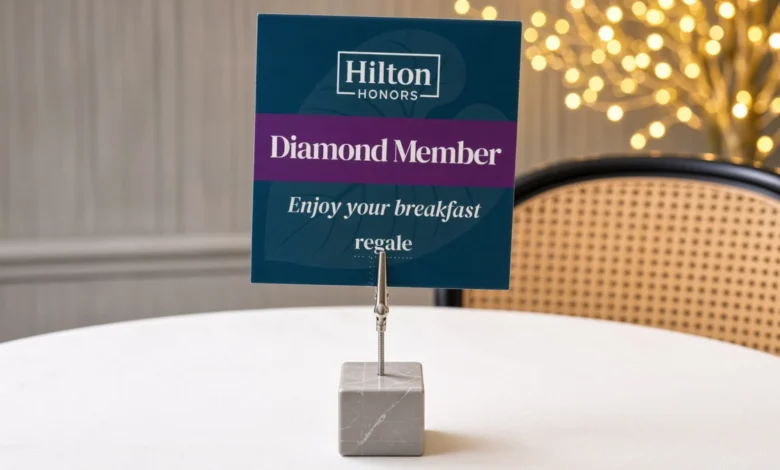
The Hilton Honors loyalty program is undergoing a significant structural transformation, signaling a shift in how the hotel conglomerate approaches its most high-net-worth guests. In a move that has captured the attention of frequent travelers and industry analysts alike, Hilton has begun incorporating references to a new "Black Diamond" tier into its internal and marketing documentation. This development marks the apex of an aggressive series of changes to the Honors program throughout 2026, a year characterized by both the expansion of existing tiers and the introduction of exclusive new categories designed to cater to a hyper-elite segment of the global travel market.
The introduction of the Black Diamond status follows the earlier unveiling of "The Honors Society," a designation that first appeared in internal communications in December 2025 before being formally integrated into public-facing marketing campaigns in June 2026. While Hilton has yet to issue a comprehensive breakdown of the specific qualification requirements or the exact benefits associated with the Black Diamond tier, its position above The Honors Society suggests that it is intended to serve as the new pinnacle of the Hilton ecosystem.
A Chronology of the 2026 Loyalty Evolution
The landscape of Hilton Honors has shifted rapidly over the past nine months. The strategy appears to be twofold: lowering the barrier to entry for mid-tier travelers while simultaneously creating an aspirational "ultra-elite" bracket for top-tier spenders.
In early 2026, Hilton executed a series of modifications to its core program, including the introduction of a "Diamond Reserve" tier. This addition was complemented by a reduction in the qualification thresholds for the long-standing Gold and Diamond levels. By lowering the stay and spend requirements for these mid-to-high tiers, Hilton successfully incentivized a broader segment of its membership base to consolidate their travel bookings within the Hilton portfolio.
Following this, the emergence of The Honors Society in the first half of the year served as an experimental bridge between traditional Diamond status and the company’s ultra-premium offerings. By June 2026, the transition from internal pilot programs to full-scale marketing collateral indicated that Hilton was ready to formalize a more segmented approach to its most valuable customers. The recent appearance of the Black Diamond moniker suggests that the program is now entering its final phase of this year’s structural rollout, effectively creating a multi-tiered hierarchy that separates the "frequent traveler" from the "ultra-high-net-worth guest."
Data-Driven Loyalty: Why Hilton is Segmenting
Industry data suggests that the hotel industry is moving away from a "one size fits all" elite status model. According to recent hospitality market reports, loyalty program participation is at an all-time high, but engagement levels vary drastically between casual travelers and business elites.
By introducing tiered structures like Diamond Reserve, The Honors Society, and now Black Diamond, Hilton is utilizing a strategy known as "aspirational segmentation." This allows the company to:
![Hilton May Add “Black Diamond” Above Diamond Reserve—Pushing Diamond Status Further Down [Roundup]](https://viewfromthewing.com/wp-content/uploads/2026/09/cV0De.jpg)
- Increase Wallet Share: By offering a tier that is difficult to attain, Hilton encourages high-spending guests to choose Hilton properties exclusively, even when competitors might offer lower rates.
- Personalize Service: Ultra-elite tiers allow hotel managers to identify guests who require higher levels of service, such as private concierge assistance, exclusive suite upgrades, and bespoke arrival experiences.
- Control Capacity: As the number of standard Diamond members grows, maintaining the exclusivity of top-tier benefits becomes a logistical challenge. Adding higher tiers effectively "re-segments" the population, ensuring that the most exclusive perks are reserved for a smaller, more profitable group of individuals.
Implications for the Frequent Traveler
For the average Hilton Honors member, the introduction of Black Diamond may seem distant, but it carries broader implications for the program’s value proposition. As Hilton continues to create new tiers at the top of the pyramid, there is often a corresponding concern regarding the "devaluation" of lower-tier benefits. If the most significant resources—such as room upgrades and elite-level amenities—are increasingly prioritized for Black Diamond and Honors Society members, those holding standard Gold or entry-level Diamond status may find that their traditional benefits are harder to secure during peak travel periods.
However, from a financial perspective, the program remains highly competitive when integrated with external shopping and reward portals. Services such as Rakuten, which offer cash back or transferable points (such as American Express Membership Rewards or Bilt Rewards) on gift card purchases, continue to provide a pathway for travelers to subsidize their hotel stays. For instance, the strategic purchase of $50 gift cards for services like Uber, DoorDash, or major airlines through these portals creates a "quick win" that can offset the out-of-pocket costs of travel. When these savings are applied to the total cost of ownership of a Hilton stay, the value of maintaining elite status remains high, even as the requirements for the highest tiers become more rigorous.
The Broader Hospitality Landscape
Hilton is not alone in its pursuit of ultra-elite status tiers. Other major hospitality brands have experimented with "invite-only" or "super-elite" categories that exist entirely outside the public-facing points-earning structure. These categories are often tied to total lifetime spend, corporate partnerships, or high-value residential stays.
The move by Hilton to bring these tiers into the public conversation suggests that the company is confident in its ability to market exclusivity as a service. While the details of the Black Diamond tier remain shrouded in a level of corporate discretion typical of such high-end offerings, it is widely expected that the benefits will lean toward experiential perks rather than just points-based rewards. This could include private airport transfers, curated local experiences, or direct access to senior property management.
Strategic Outlook: What Comes Next?
As the industry approaches the end of 2026, the focus for Hilton Honors will likely shift from the introduction of new tiers to the integration of these tiers into the daily guest experience. The success of the Black Diamond initiative will depend on how effectively the brand can deliver a service experience that justifies its existence. If the tier becomes synonymous with a seamless, frictionless stay, it will likely set a new standard for the hospitality industry.
Furthermore, analysts will be watching to see if Hilton’s competitors, such as Marriott Bonvoy or World of Hyatt, respond with similar expansions to their own loyalty frameworks. The current environment favors large-scale consolidation, where travelers are increasingly "loyal" to the ecosystem that provides the most comprehensive utility—from booking flights and ride-shares to securing luxury accommodations.
In summary, the emergence of the Black Diamond tier is not merely a marketing gimmick; it is a calculated response to the changing demands of the global travel market. By diversifying its elite status offerings, Hilton is positioning itself to capture both the aspirational traveler and the ultra-elite jetsetter. As the company continues to refine its program, the interplay between these new high-level tiers and the traditional, points-earning structure will remain a critical point of interest for the travel industry. While the average guest may not attain Black Diamond status, the ripple effects of this hierarchy will undoubtedly influence the service standards and loyalty landscape for years to come.