High-Stakes Energy Permitting Reform Stalls in the Senate as Lawmakers Grapple With Surging Power Demand, Grid Strain, and Voter Backlash

Washington — As lawmakers prepare to leave Capitol Hill to campaign across the country for the midterm elections, a bipartisan group of senators is locked in intense negotiations over a long-sought energy permitting reform bill. Analysts and industry leaders view the legislation as critical to meeting the United States’ rapidly escalating energy needs. However, the path forward remains fraught with political hurdles, policy disagreements, and a profound public relations challenge centered around the explosive growth of artificial intelligence and data centers.
The draft legislation, which represents one of the few areas of consensus between Republicans and Democrats, aims to overhaul a federal permitting process widely criticized as broken, outdated, and bogged down by bureaucratic red tape. Yet, despite mounting pressure from an energy-starved economy, key disagreements over environmental rollbacks, executive branch assurances, and a toxic public perception of data centers have delayed a breakthrough until after the midterms.
The Anatomy of a Grid Under Pressure
The push for permitting reform is driven by a historic surge in American electricity demand. For decades following the 2008 financial crisis, U.S. electricity consumption remained relatively flat, kept in check by energy-efficient appliances, advanced lighting, and conservation measures. That era of stability has officially ended.
Today, the American energy landscape is undergoing a massive transformation. Consumers are rapidly "electrifying" their daily lives by adopting heat pumps, energy-efficient home systems, and electric vehicles to lower carbon emissions. Simultaneously, federal initiatives to bring manufacturing back to U.S. shores have created new industrial power loads.
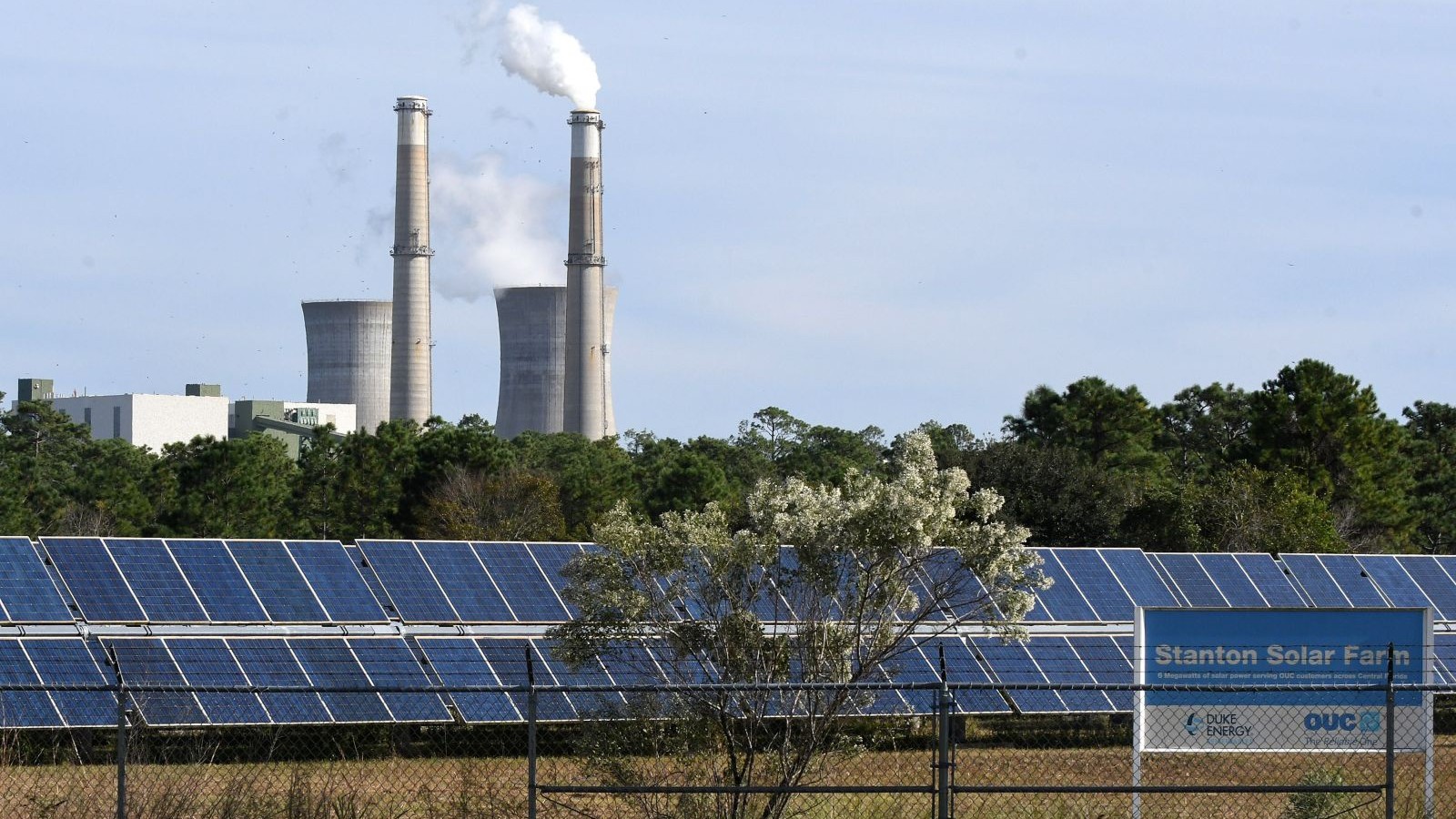
Compounding these factors is the unprecedented build-out of artificial intelligence and cloud computing infrastructure. Tech companies are constructing massive data centers across the country at a staggering pace, accelerating national power-demand spikes and straining local grids and supply chains. According to projections by the U.S. Energy Information Administration (EIA), solar power and battery storage account for roughly 80 percent of new U.S. power generation expected to come online in 2026, while natural gas remains the largest single source of electricity and a preferred fuel source for new data centers.
Industry leaders argue that the existing federal framework—characterized by multi-agency environmental reviews, complex impact studies, and perpetual legal challenges from conservation groups—makes rapid infrastructure deployment nearly impossible. Tim Pawlenty, president of the Solar Energy Industry Association, recently remarked that without comprehensive reform, the nation’s energy system risks becoming severely constrained.
Chronology of a Legislative Battle
Legislative efforts to streamline American energy infrastructure are not new, but the current iteration carries unprecedented urgency.
- 2024: Congress made a significant push toward reform with the introduction of the Energy Permitting Reform Act. Although the bill successfully advanced out of committee, it ultimately stalled and never received a full floor vote in the Senate.
- August 2026: Bipartisan momentum accelerated following a push by key lawmakers, including a notable press release from Senator Marsha Blackburn (R-Tenn.) highlighting the severe mismatch between modern energy demands and outdated federal rules. High-ranking members of both parties on the Senate’s primary energy-related committees began actively drafting legislative language.
- Mid-September 2026: Discussions intensified during Clean Energy Week in Washington, D.C., where lawmakers, administration officials, and energy executives framed infrastructure build-out as a matter of national security and global competitiveness. Meanwhile, public polling revealed a widening gulf between lawmakers’ priorities and voter sentiments.
- Late September 2026: Negotiations hit a temporary roadblock. While President Donald Trump signaled a willingness to green-light renewable energy projects to entice Democratic buy-in, Senate Democrats demanded firmer legal guarantees regarding how wind and solar approvals would be handled in practice. Consequently, reporting from Capitol Hill confirmed that finalization of the bill would be postponed until after the midterm elections.
The Political and Public Relations Dilemma
The debate over permitting reform is heavily influenced by domestic politics and shifting voter demographics. Lawmakers from both sides of the aisle frequently frame the necessity of an energy build-out around geopolitical competition, arguing that a sluggish American regulatory system hands an advantage to international rivals.
"While Communist China cuts corners to get ahead, a mountain of red tape has America fighting the energy war with one hand tied behind our backs," Senator Rick Scott (R-Fla.) said in a recent statement.
However, public opinion research indicates that appeals to great-power competition may no longer resonate with the average voter as effectively as they once did. According to Alex Lundry, president of the Washington-based public opinion research firm Redbud Consulting, data centers have become a toxic subject for local communities. Recent polls conducted across the political spectrum show strong bipartisan opposition to data center construction near residential areas, largely driven by fears of soaring utility bills and strained local resources.
"If you phrase permitting reform as serving data centers, the polling results get way worse," Lundry noted. This dynamic places lawmakers facing reelection in a delicate position: they recognize the absolute necessity of expanding electrical grid capacity, yet they are acutely aware that associating the legislation with Big Tech could alienate voters.
Conversely, polling data shows that framing reform around clean energy expansion and consumer cost relief is remarkably popular. A Redbud Consulting survey released in September indicated that 71 percent of respondents believe expanding renewable energy is the correct strategic move, while 70 percent reported that their household energy bills had risen over the past year.
Legislative Friction and Consumer Protection Concerns
The contents of the draft Senate bill remain private, but energy stakeholders and policy analysts anticipate the legislation will include several core provisions:
- Narrowing the scope of environmental and social impacts that federal agencies must evaluate under the National Environmental Policy Act.
- Streamlining permitting requirements under the Clean Water Act and the Endangered Species Act to accelerate the deployment of high-voltage transmission lines and natural gas pipelines.
- Imposing stricter legal limits to shield approved permits from prolonged post-issuance lawsuits.
These proposed changes would benefit both renewable energy developers and fossil fuel operators, particularly solar and natural gas projects, which currently dominate the commercial development pipeline.
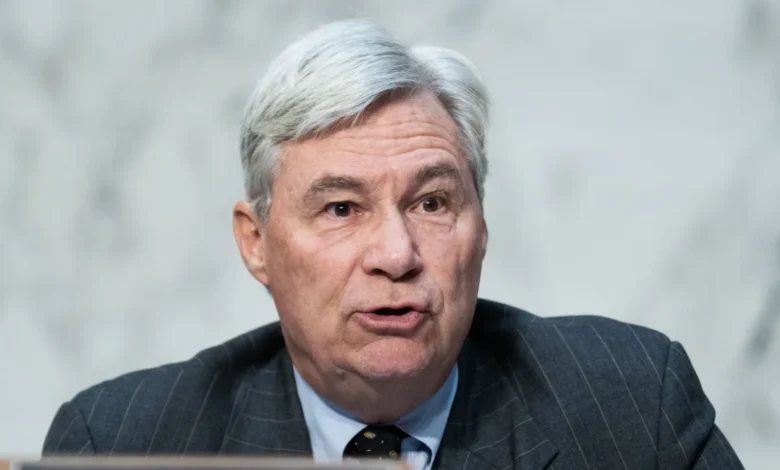
However, balancing these pro-growth measures with environmental safeguards has created deep internal divisions. Environmental organizations, such as the Natural Resources Defense Council, have urged lawmakers to expedite clean energy deployment without dismantling bedrock conservation laws. Meanwhile, Democratic negotiators have expressed caution regarding executive branch commitments. Senator Sheldon Whitehouse (D-R.I.), a primary negotiator on the Senate Environment and Public Works Committee, emphasized the need for absolute clarity regarding how renewable energy projects will be treated under future federal reviews.
The legislative tension extends beyond the Senate. In the House of Representatives, lawmakers recently passed a bill encouraging states to mandate that data centers finance their own electricity generation, shielding everyday ratepayers from absorbing the costs of the massive power-draw. That measure has currently stalled in the Senate, where some progressive Democrats argue the approach is insufficiently rigorous.
Broader Implications for the Future
As Capitol Hill empties out for the midterm campaign trail, the fate of the energy permitting bill hangs in the balance. Postponing the finalization of the text until after the election cycle introduces new variables, particularly given the volatility of congressional control.
Failure to pass meaningful reform could have severe macroeconomic consequences. Without an expanded transmission grid and accelerated generation capacity, the United States risks rolling blackouts, suppressed industrial manufacturing growth, and an inability to reliably power the next generation of technological innovation.
Ultimately, the debate over energy permitting is no longer a niche regulatory dispute. It has evolved into a central test of American governance—challenging lawmakers to reconcile the demands of a high-tech, electrified economy with the environmental priorities and economic anxieties of the American electorate.