The Growing Crisis of Transparency and Hygiene in Modern Hotel Toiletry Refill Practices

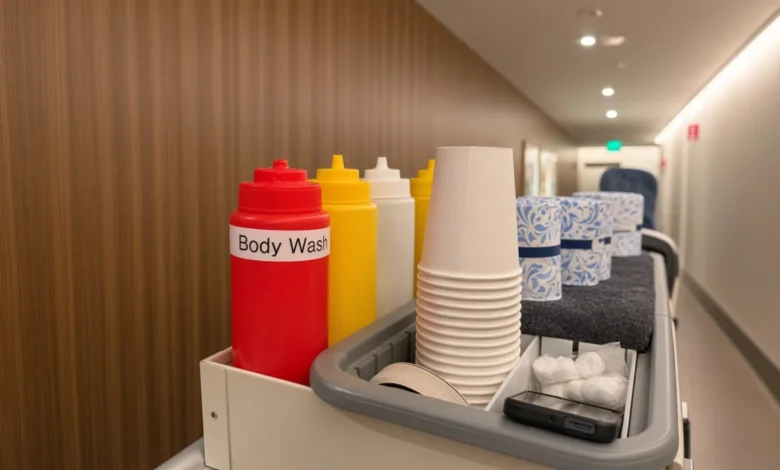
The transition of the hospitality industry toward bulk-refillable amenity dispensers has been marketed as a sustainability initiative designed to reduce plastic waste and curb environmental footprints. However, recent photographic evidence and reports from travelers suggest that the implementation of these systems is frequently creating significant lapses in sanitation, brand integrity, and guest trust. The latest incident involves a high-end property—widely identified by industry observers as the Omni Boston Hotel at the Seaport—where housekeeping staff were observed using translucent red, yellow, and white squeeze bottles to transport toiletries. These containers, which bear a striking resemblance to common condiment dispensers used in fast-food environments, were spotted on a housekeeping cart, raising immediate questions regarding the origin and handling of the substances inside.
A Pattern of Questionable Housekeeping Practices
The imagery, captured by travel journalist Scott Mayerowitz, highlights a disconnect between the premium experience promised to guests and the reality of back-of-house operations. While the bathroom wall-mounted dispensers in the guest rooms clearly brandished the premium "Klur" label—a brand known for its botanical formulations—the refill containers on the service cart lacked any professional labeling or protective seals. This visual juxtaposition has ignited a broader conversation regarding the "bait-and-switch" potential inherent in bulk-dispensing systems.

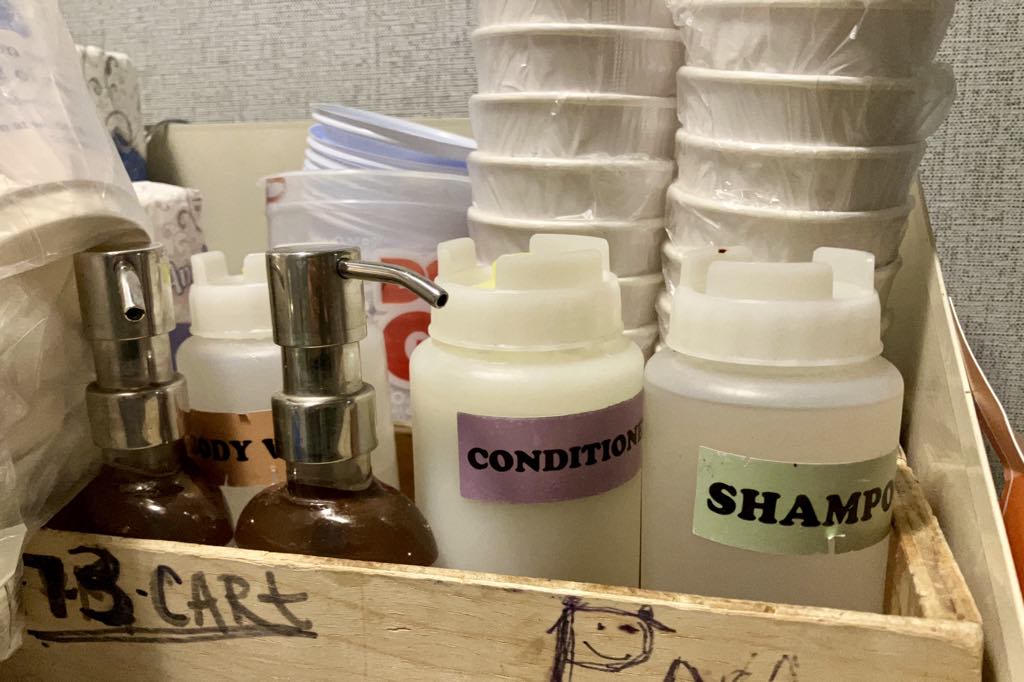
This incident is not an isolated occurrence but rather the latest in a documented trend of questionable refill protocols across major hotel chains. Since early 2025, reports have surfaced involving several prominent brands, including Hyatt, that mirror these concerns. In May 2025, reports emerged from the Hyatt Regency San Francisco, where a guest documented housekeeping staff utilizing unbranded, ketchup-style squeeze jugs to replenish shower amenities. Similar reports followed in December 2025 at the Hyatt Place Phoenix Mesa, where bulk containers were stored on carts alongside sanitation equipment such as toilet brushes, presenting a significant cross-contamination risk for clean linens.
Further complicating the narrative is the situation at the Wild Palms Hotel in Sunnyvale, California. In that instance, guests observed housekeeping staff filling dispensers with bulk-purchased soap labeled "DRIFT" while the bathroom fixtures continued to advertise the premium "Jonathan Adler" brand. This practice persisted even after initial reports brought the discrepancy to light, suggesting a systemic failure to align guest expectations with operational realities.
The Chronology of Industry Shifts
The industry-wide move away from single-use plastic bottles gained significant momentum in the early 2020s, driven by environmental, social, and governance (ESG) goals and the desire to reduce housekeeping labor costs. Initially, hotels argued that bulk dispensers were a luxury-adjacent solution that allowed for the use of higher-quality products. However, the lack of standardized protocols for cleaning, filling, and monitoring these containers has created a regulatory and reputational gray area.

In China, the Suining Marriott case provided a rare moment of corporate transparency when management admitted to substituting branded products with local alternatives. Following a guest complaint, the hotel’s general manager confirmed that ownership had authorized the product switch to mitigate rising operational costs. While the hotel maintained that the substituted products met quality standards, the incident forced a public apology and a promise to revert to the established brand standard, alongside the issuance of loyalty points to the affected guest. This case serves as a template for the inherent tension between property owners looking to cut costs and brand managers seeking to maintain consistent global standards.
Implications for Sanitation and Regulatory Compliance
The shift to bulk dispensers introduces specific health risks that have been empirically verified. A 2023 study published in the peer-reviewed medical literature analyzed 104 hotel soap dispensers across various European properties and found that 70.2% of refillable pump dispensers harbored bacterial contamination. In contrast, only 10.6% of non-refillable, sealed press dispensers showed signs of microbial growth. The mechanism of failure is typically traced to the refill process itself; when staff open large, unsealed, or improperly stored containers to transfer liquids into smaller vessels—or directly into wall-mounted units—the risk of introducing airborne contaminants or pathogens is substantially increased.
From a regulatory perspective, these practices may conflict with consumer protection statutes. In jurisdictions such as Massachusetts, where the Omni Boston Hotel operates, state laws under Chapter 93A strictly prohibit deceptive business practices. If a hotel markets a room as including specific, high-end branded amenities but provides a generic, unverified substance, it could potentially be categorized as a misrepresentation of services. Furthermore, the handling of cosmetic products in non-sanitary containers potentially violates FDA and local health department guidelines regarding the adulteration of personal care products.
The Erosion of Brand Equity and Guest Experience
Beyond the legal and sanitary concerns, the move to bulk dispensers has effectively eliminated a key marketing touchpoint. Historically, premium travel-sized toiletries acted as a "take-home" advertisement for high-end skincare brands. Travelers often discovered new products, such as Aesop or Le Labo, during their stays at luxury properties and subsequently became long-term customers. By transitioning to industrial-sized bulk containers, hotels have lost this emotional connection, turning a sensory experience into a commodity.
Furthermore, the inconsistency of these dispensers—which are often found empty or jammed—negatively impacts the guest perception of the hotel’s "luxury" status. A dispenser that fails to function, or one that is visibly refilled from an unlabeled, industrial-grade plastic bottle, creates a dissonance that can undermine the perceived value of a high-priced room rate.
Industry Response and Future Outlook
While hotel chains have yet to issue a unified statement regarding the specific issue of "ketchup-style" refill bottles, the prevailing industry defense remains grounded in sustainability. Spokespeople for major hospitality groups have historically noted that bulk dispensers reduce plastic waste by millions of units annually. However, the disconnect between these stated environmental goals and the messy, potentially unhygienic reality of the refill process is becoming increasingly difficult to justify.

To regain consumer trust, the industry may need to implement more rigorous, third-party audited standards for amenity management. Potential solutions include the adoption of tamper-proof, proprietary cartridge systems that snap into wall-mounted units, ensuring that housekeeping staff never actually "mix" or manually transfer liquids. Such a move would allow hotels to retain the environmental benefits of reduced plastic usage while ensuring that the product inside the bottle is exactly what the brand promises.
As travel resumes at record levels and guest expectations for hygiene remain elevated post-pandemic, the "condiment bottle" method of amenity management appears increasingly untenable. Whether through regulatory intervention or pressure from loyal, high-value travelers, the hospitality industry will likely be forced to standardize these operations. Until then, the sight of industrial squeeze bottles on housekeeping carts will remain a potent symbol of a sector struggling to balance the competing demands of sustainability, cost-cutting, and the fundamental promise of a premium guest experience. The burden of proof now rests with the hotels to demonstrate that their commitment to the environment does not come at the expense of the guest’s health or the integrity of the brands they represent.