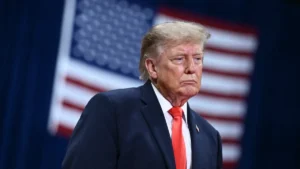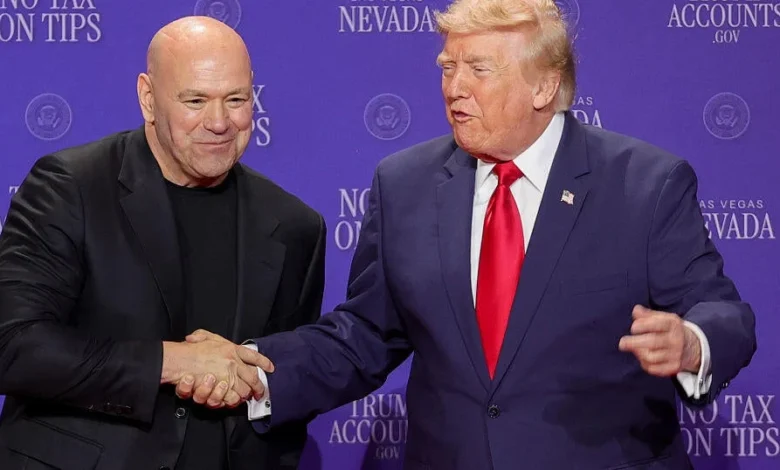
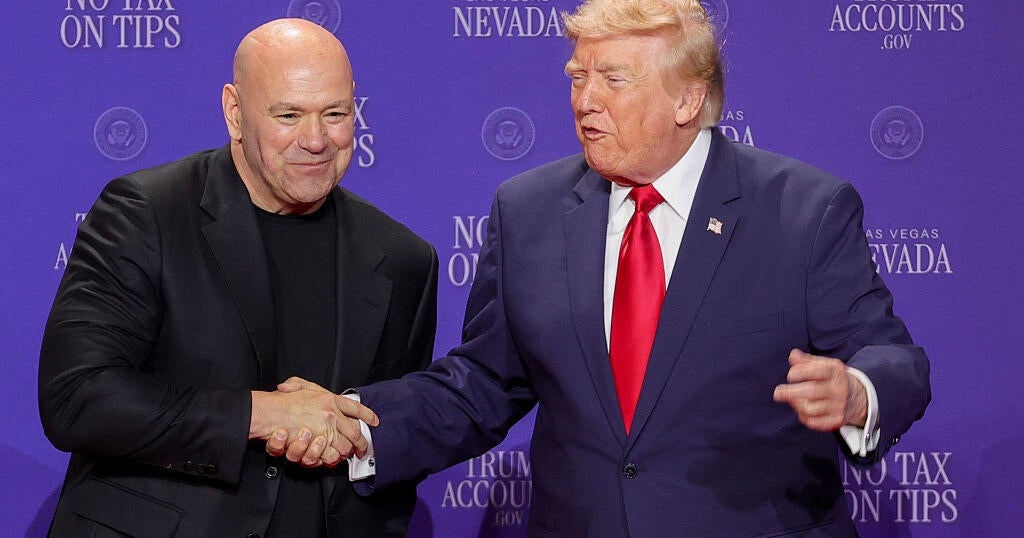
In an unconventional development that has sent ripples through the corridors of Washington, President Donald Trump announced on Saturday, November 7, 2026, that he has formally offered the position of White House Press Secretary to Ultimate Fighting Championship (UFC) CEO Dana White. The announcement, delivered via a post on Truth Social, marks the latest turn in a chaotic period for the Trump administration’s communications office, which has struggled with stability and high turnover since the president’s most recent term began.
The president’s announcement characterized White as a "violent Fighter and Warrior," framing the appointment as a strategic move to bolster the administration’s public-facing defense. "I am pleased to announce that the Great Dana White, a violent Fighter and Warrior, has been offered the job of Press Secretary of the United States," the president wrote.
Beyond the offer itself, the statement included a list of high-profile mixed martial arts figures whom the president suggested White should bring on as assistants, including Islam Makhachev, Khabib Nurmagomedov, Justin Gaethje, Daniel Cormier, Amanda Nunes, and Kayla Harris. The president justified the unusual request by stating, "We need these people to defend us against the Lunatic Left."
A Pattern of Volatility in the Press Office
The offer to White comes against a backdrop of historic instability within the White House communications department. The position of Press Secretary has been effectively vacant since October 16, 2026, following the abrupt departure of conservative commentator Katie Zacharia. Zacharia’s tenure was remarkably brief, lasting only five days before she was removed from the role.
Her exit followed that of Karoline Leavitt, who served as the administration’s primary spokesperson until August 2026. Leavitt’s departure was framed as a personal decision, with the former press secretary citing a desire to spend more time with her young family. The rapid succession of personnel changes has left the administration without a consistent voice, fueling speculation about the internal dynamics of the West Wing as the president navigates a difficult political environment.
The White-Trump Alliance
The relationship between Donald Trump and Dana White is one of the most enduring political-business alliances of the modern era. White, who has presided over the growth of the UFC into a global sports-entertainment juggernaut valued at more than $15 billion, has been a steadfast supporter of the president for over two decades.
Their rapport was solidified during the early days of the UFC, when mainstream sports organizations were largely unwilling to host the fledgling promotion. Mr. Trump was one of the first venue owners to open his properties to UFC events, a gesture that White has frequently cited as the catalyst for their long-standing friendship.
This alliance has transitioned into the political sphere with increasing visibility. In July 2026, as part of the nation’s 250th anniversary celebrations, the White House hosted a UFC event on the South Lawn, an unprecedented use of presidential grounds that coincided with Mr. Trump’s 80th birthday. The event served as a public demonstration of the synergy between the president’s populist brand and the aggressive, high-octane culture of the UFC.
Response and Public Speculation
As of the time of publication, it remains unclear whether Dana White intends to accept the offer. Shortly after the president’s Truth Social post, White shared an image of himself standing at the iconic podium in the White House briefing room to his Instagram story, accompanied by the caption, "On to the next chapter."
While some observers view the post as a confirmation of his appointment, others in the media and political circles have suggested that the announcement may be a "tongue-in-cheek" endeavor or a form of political performance art intended to distract from broader legislative challenges. Neither the White House nor the UFC organization has issued a formal statement confirming or denying the appointment, leaving the status of the role in limbo.
Political Context: A Challenging Midterm Landscape
The timing of this announcement is significant. It follows a disastrous midterm election cycle for the Republican Party, where the opposition party secured control of both the House of Representatives and the Senate. This shift in the legislative landscape has effectively stalled much of the president’s policy agenda and created a defensive posture within the executive branch.
Political analysts note that the appointment—or the public discussion of such a figure—is likely intended to project strength to the president’s core base. By selecting a high-profile, non-traditional figure like White, the administration may be attempting to bypass the traditional media ecosystem, which has been increasingly critical of the president’s performance since the election results were finalized.
Fact-Based Analysis of Administrative Implications
Should Dana White accept the role, the implications for the White House Press Office would be profound. Historically, the press secretary acts as the primary liaison between the executive branch and the White House press corps, tasked with synthesizing complex policy initiatives into coherent, daily briefings.
A professional communicator typically relies on experience in policy, rhetoric, and crisis management. White, by contrast, brings a background in sports promotion, talent management, and the high-stakes world of pay-per-view media. His management style, characterized by direct confrontation and an emphasis on brand loyalty, would likely represent a departure from the institutional norms of the press office.
From a strategic perspective, appointing a figure as recognizable as White would effectively turn the daily press briefing into a high-engagement, media-heavy event. While this could serve to dominate news cycles and provide the president with a powerful surrogate to attack his political opponents, it could also further erode the traditional access granted to news organizations, potentially leading to increased friction between the administration and the press.
The Road Ahead
The administration faces a pivotal moment. With a divided government and a public that has signaled a clear desire for a change in direction, the role of the press secretary is more critical than ever. Whether the president views the position as a functional necessity or a tool for further disrupting political norms remains to be seen.
If the appointment of Dana White proceeds, it will be the most unconventional staffing decision in the history of the modern presidency. It would signal an administration that has fully abandoned the traditional mold of executive communication in favor of a model built on celebrity, brand management, and combative rhetoric.
As the nation waits for official word from the White House, the focus remains on whether this latest proposal is a genuine attempt to stabilize the communications office or a continuation of the president’s penchant for provocative, headline-driven leadership. The coming days will likely provide clarity on whether the UFC head will indeed trade the octagon for the briefing room, a move that would fundamentally alter the way the American public consumes information from its government.
The CBS News team, including Kathryn Watson, continues to monitor this developing situation, with inquiries pending at both the White House and the UFC headquarters. Until further information is provided, the press secretary role remains a focal point of the ongoing political transition and the broader power struggle currently unfolding in Washington.
Related posts: