The intersection of modern dating culture and the highly structured environment of commercial aviation has long been a subject of social fascination, but a recent proposal by professional pickleball player Shelby Bates has brought the concept of dedicated airport lounges for single travelers into the mainstream spotlight. Bates, in a widely shared Instagram reel filmed at Hartsfield-Jackson Atlanta International Airport, argued that major travel hubs like New York’s JFK, Atlanta, and Los Angeles should implement exclusive, paid-entry lounges designed specifically to facilitate romantic connections. The proposal centers on the idea of a social space where the inherent ambiguity of "is this person single?" is removed, allowing for more organic and intentional interactions.
The core of the Bates proposal is a shift from the passive environment of current airline lounges to an active, social-first model. By requiring an admission fee and designating the space as a singles-only zone, the venue would function as a pre-vetted social club. Bates suggests incorporating structured elements such as communal tables, speed-dating events, and sports-themed television programming to act as natural icebreakers. This initiative aims to solve a persistent coordination problem in public spaces: the fear of social rejection or the discomfort of interrupting a stranger who may be unavailable or uninterested in conversation.
Historical Precedents and the Evolution of Travel Networking
The desire to bridge the gap between transit time and social interaction is not new. Over the last decade, various digital and physical attempts have been made to capitalize on the captive audience of airport terminals. In 2015, the startup Lounger attempted to address the exclusivity of airline lounges by allowing travelers with guest privileges to "match" with other passengers seeking lounge access. This was followed by the launch of location-based mobile applications such as AirDates and Wingman, which sought to facilitate introductions through seat assignments and proximity tracking within the terminal.
Despite these efforts, the conversion rate from digital introduction to in-person connection has remained historically low. The fundamental challenge for these platforms has been the "opt-in" dilemma. In a standard lounge environment, individuals are often focused on work, sleep, or personal travel, creating a social barrier that app-based notifications struggle to penetrate. The Bates proposal attempts to address this by moving the mechanism from a digital notification to a physical environment—an architecture designed for connection rather than simply for waiting.
The Geography of Airport Social Dynamics
The argument for a dedicated lounge rests on the premise that airport security and elite status programs already act as a form of social and economic vetting. TSA PreCheck and the requirement of a valid boarding pass serve as a baseline for public safety, while the financial barrier to entry for many premium lounges—often requiring high-net-worth credit cards or significant airline status—provides a rough, albeit imperfect, signal of socioeconomic standing.
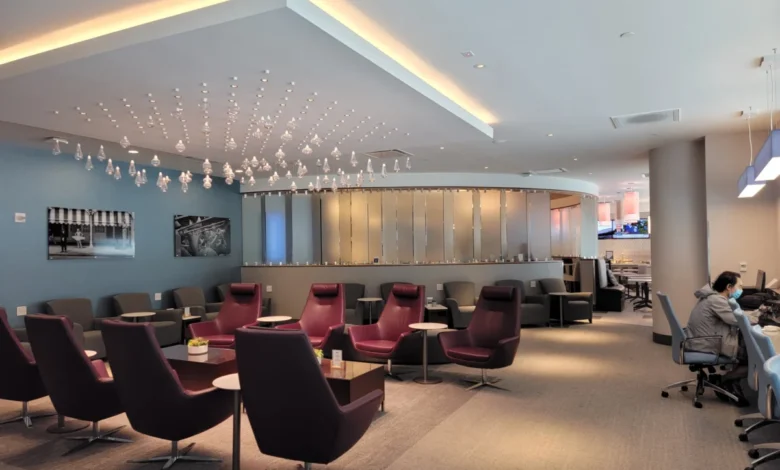
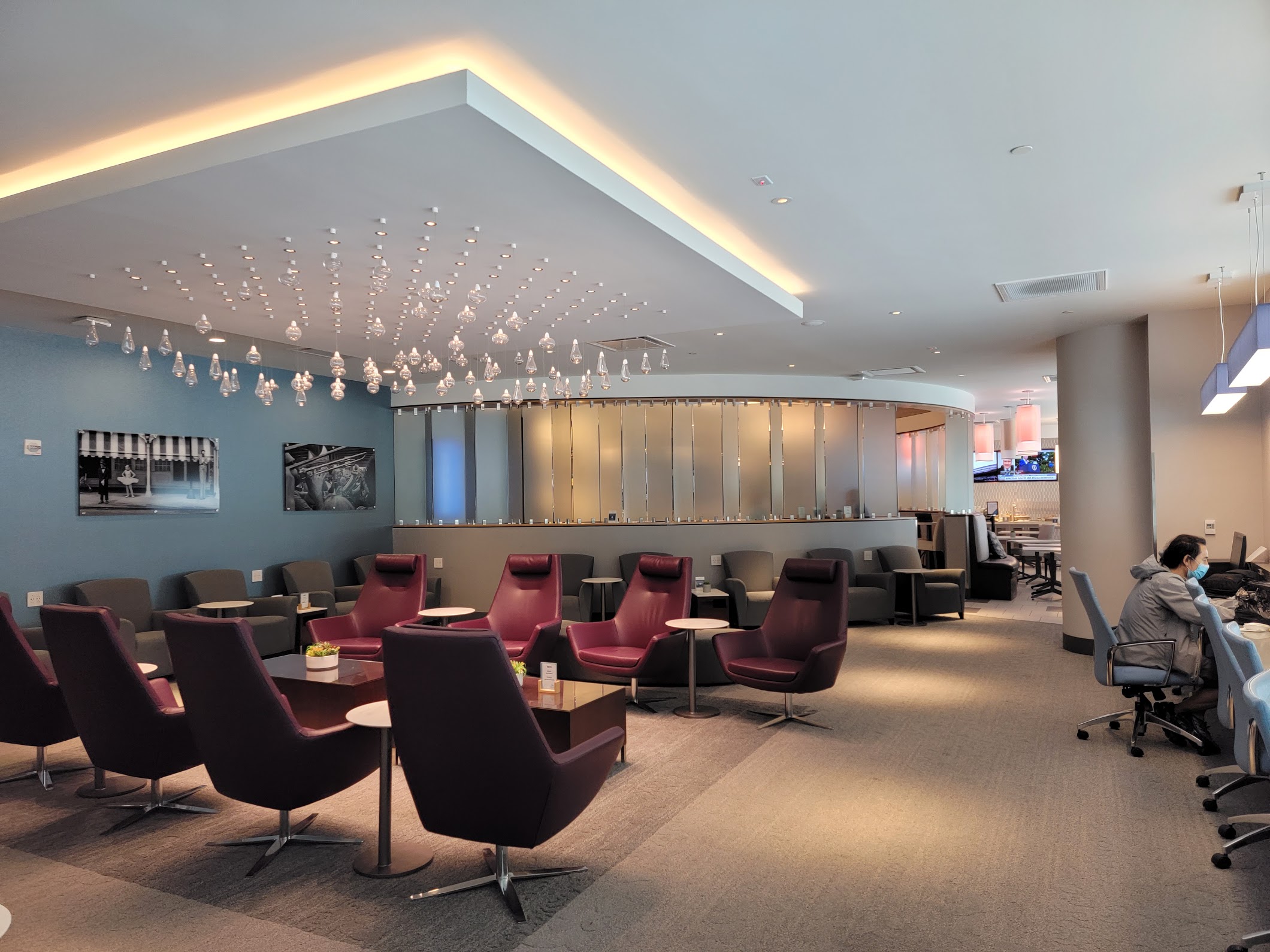
However, current lounge operators, including entities like Chase, American Express, and Capital One, emphasize a quiet, productive atmosphere. Analysis of recent travel trends suggests that even as these spaces have grown in size—such as the expansive 55,000-square-foot United Club in Houston—they remain focused on utility. When a passenger enters a lounge, they are signaling a desire for comfort, not necessarily social engagement. A dedicated singles lounge would fundamentally alter the "contract" between the operator and the guest, shifting the expectation from "private sanctuary" to "social hub."
Logistical and Economic Hurdles
For such a concept to move from social media discourse to reality, it must clear significant economic hurdles. Airport real estate is among the most expensive and highly contested retail space in the world. An operator looking to launch a singles-focused club would be required to navigate a complex bidding process against established players like Airport Dimensions and TAV Services.
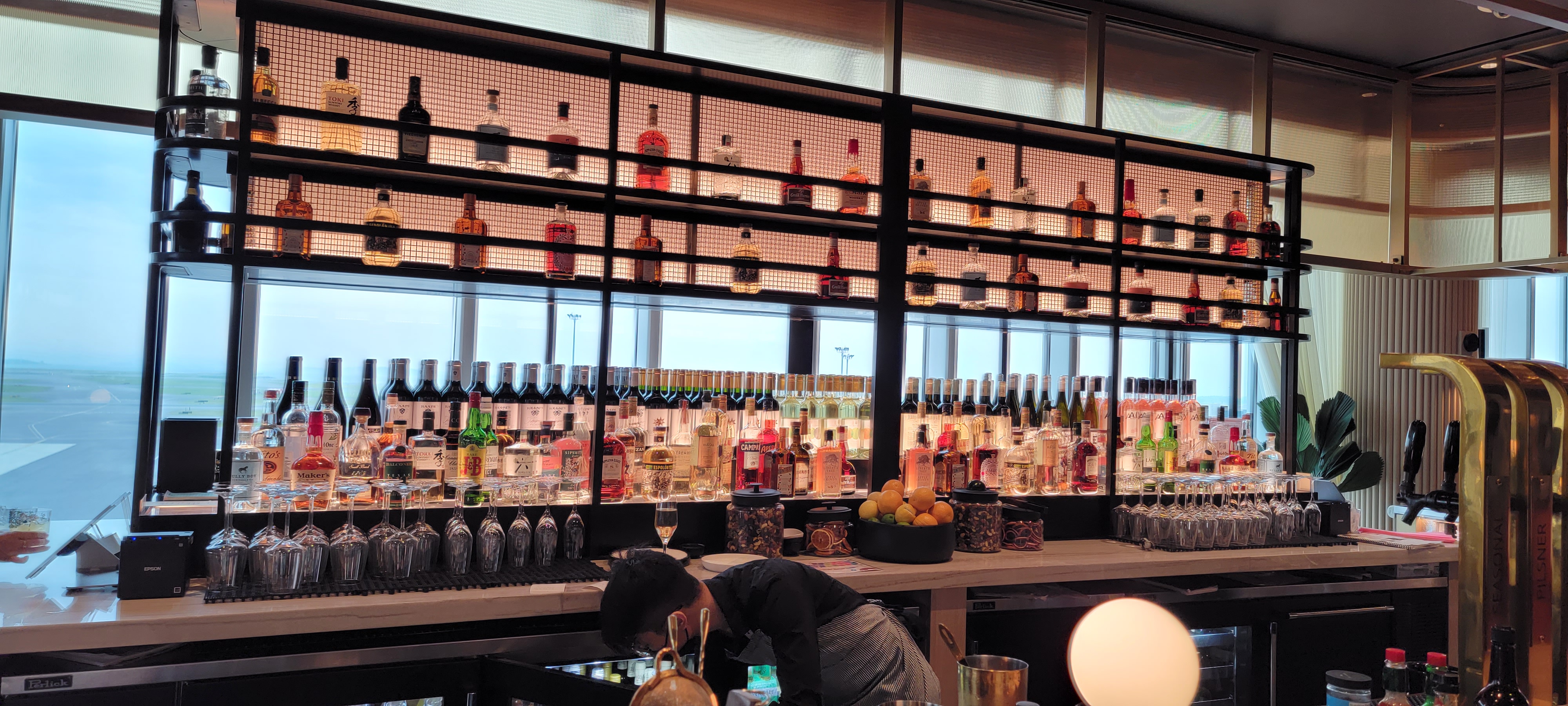
- Rent and Buildout Costs: Securing space in a top-tier terminal requires substantial capital expenditure. Without the consistent revenue stream provided by airline partnerships or corporate credit card networks, a singles lounge would need to generate significant per-visit revenue or membership fees to remain solvent.
- Operational Constraints: Managing a social space carries unique liabilities. Staffing requirements would shift from basic hospitality to event management and potentially conflict resolution. Furthermore, the "matchmaking" aspect introduces concerns regarding demographic parity—ensuring an equal distribution of age groups and interests is essential to maintaining the value proposition for the consumer.
- The "Single vs. Solo" Paradox: A primary criticism of the proposal is the distinction between a solo traveler and a single person. Many travelers are flying alone for business or leisure while maintaining long-term partnerships. Without a mechanism to verify relationship status, the lounge risks becoming a standard, albeit more expensive, social venue.
Data-Driven Perspectives on First Meetings
Sociological studies on modern dating indicate that while digital apps are the primary method for meeting, the "third place"—a physical location outside of work and home—remains a critical site for relationship development. Airports, however, present a unique set of constraints. The "time-bound" nature of the airport acts as both a feature and a bug. The departure of a flight creates a "natural end" to a conversation, which can lower the stakes for an initial interaction. Conversely, the geographical distance between travelers poses a significant challenge for the development of long-term relationships, a reality often referred to as the "long-distance optimization" problem.
Critics have noted that even if the physical space is provided, the human behavior within that space is unpredictable. In 2023, anecdotal reports surfaced regarding travelers using premium credit card lounges as networking sites, only to find that the environment remained antisocial, with most guests prioritizing digital consumption over interpersonal interaction. The success of a singles lounge would therefore depend on a cultural shift within the space—a "permission-to-mingle" atmosphere that current lounge designs actively discourage.
Future Implications and Market Viability
While the concept of a dedicated singles lounge remains speculative, it has sparked a broader conversation about the future of travel. The potential for "pop-up" social events or themed nights within existing lounges represents a lower-risk entry point for operators. Industry analysts suggest that airports may eventually explore "community-driven" spaces as a way to differentiate their terminal experience in an increasingly commoditized travel market.
The interest from companies like GateF8, which utilizes location-based technology to connect travelers, suggests that the market for "in-transit" socializing is still maturing. Whether through an app-based solution or a physical lounge space, the demand for meaningful human connection in an otherwise impersonal transit environment is clear.

Ultimately, the proposal for a singles lounge highlights a gap in the modern airport experience. While airports have successfully optimized for efficiency, security, and luxury, they have yet to fully address the human desire for social interaction. As travel volumes continue to rebound toward and beyond pre-pandemic levels, the potential for specialized social spaces—whether for professional networking or romantic engagement—remains a compelling, if logistically challenging, frontier for the travel and hospitality industry. Whether this results in a permanent lounge or merely a series of experimental pop-up events, the conversation marks a significant departure from the traditional, solitary model of the modern airport.