The Evolution of the Modern Honeymoon: Perspectives and Trends in Post-Wedding Travel

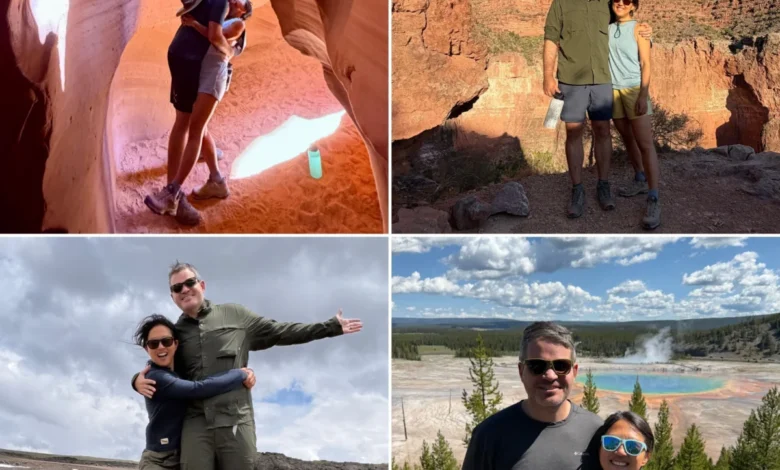
The tradition of the honeymoon, historically rooted in the 19th-century practice of "bridal tours" where couples visited distant relatives who could not attend the wedding ceremony, has evolved into a multi-billion-dollar global travel sector. Today, the honeymoon serves as a critical period of decompression for newlyweds, a trend reflected in personal accounts from diverse couples who have navigated various landscapes—from the cruise ships of the Mediterranean to the rugged wilderness of the American West. An analysis of contemporary travel habits reveals that while the primary intent remains centered on establishing a shared marital foundation, the methodology and destination choices have become increasingly personalized, prioritizing experiential travel over traditional luxury.
Historical Context and Societal Evolution
For decades, the honeymoon was a rigid social construct, often characterized by all-inclusive resort packages and standardized itineraries. However, shifting demographic trends and changing socioeconomic conditions have dismantled this uniformity. According to data from the travel industry, the average duration of a honeymoon now fluctuates between seven and fourteen days, with a significant increase in "micro-honeymoons" or "mini-moons"—shorter, local trips taken immediately following the ceremony, often to accommodate professional obligations or financial constraints.
The psychological impetus behind these trips remains consistent: the need for a transition period. Wedding planners and sociologists often describe the post-wedding phase as a period of "post-event exhaustion." After the logistical intensity of planning a large-scale social event, the honeymoon functions as a necessary respite. As evidenced by reports from couples who opted for cruise travel in the Greek islands, the primary utility of the trip is often the ability to "slow down and decompress," mitigating the social pressures and external discouragement that can sometimes surround union-related milestones.
Case Studies in Diverse Destination Selection
The diversity of modern honeymooning is best illustrated by the varying priorities of couples. Observations from recent travelers highlight several distinct categories of engagement:
The Culturally Immersive Experience
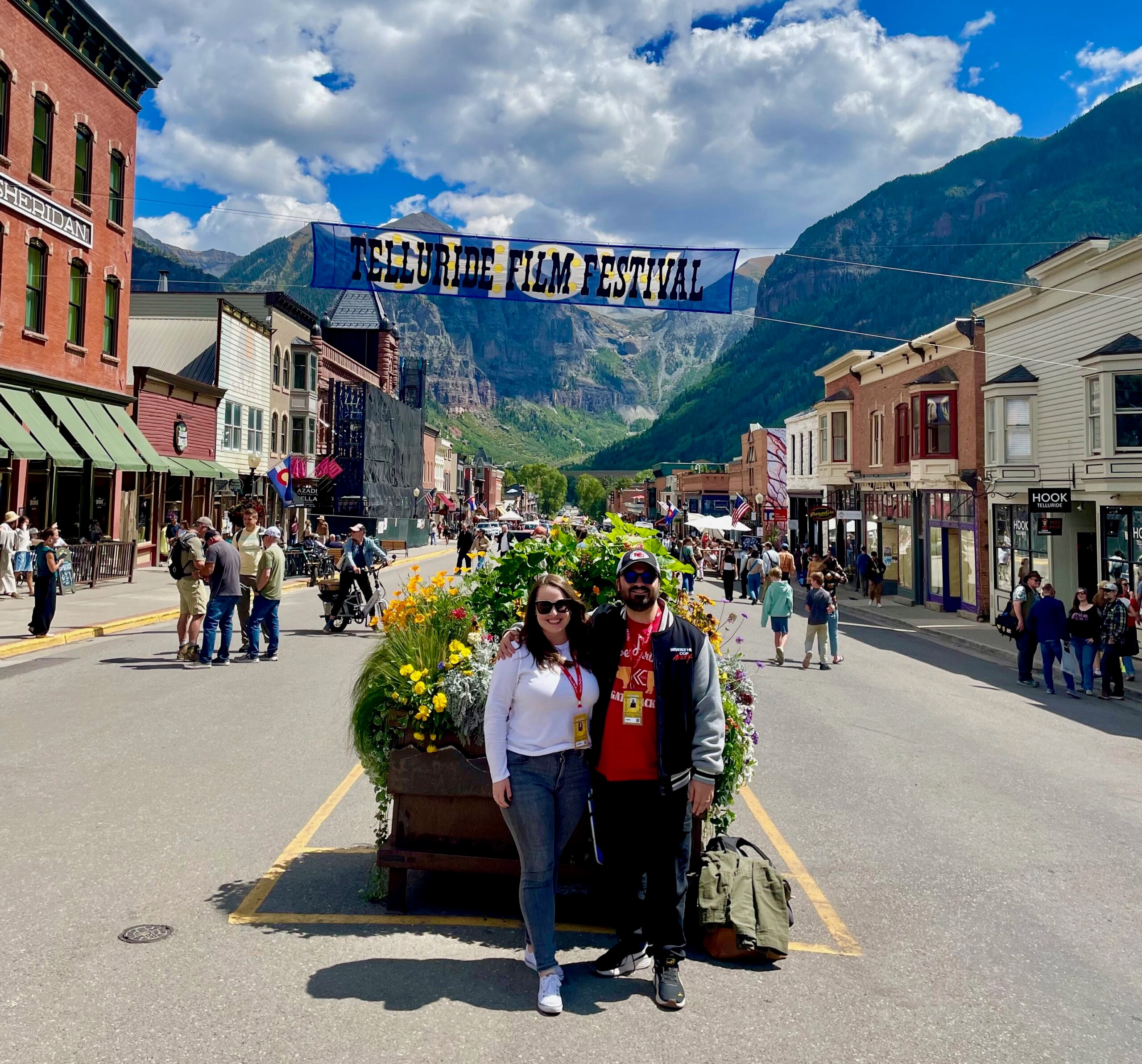
Some couples prioritize cultural engagement, viewing the honeymoon as an extension of their personal interests. For example, cinephiles frequently select destinations tied to global arts festivals, such as the Telluride Film Festival in Colorado. This approach transforms the honeymoon into a targeted pursuit of shared hobbies, turning mundane travel into a curated event.
The Transit-as-Destination Model
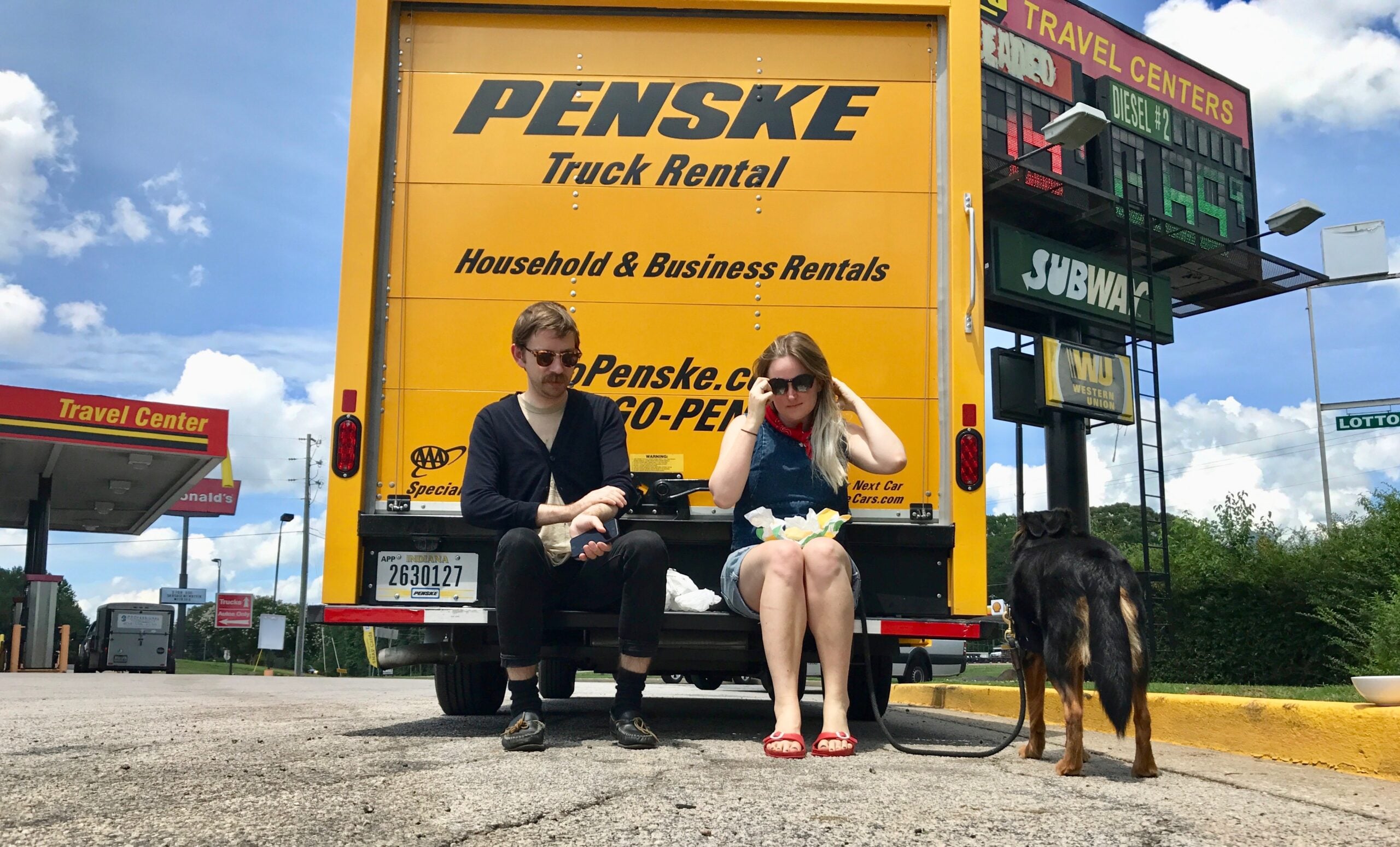
In a departure from traditional vacationing, some couples have integrated the relocation process into the honeymoon itself. For individuals moving cross-country, the journey—spanning thousands of miles across diverse geographic regions like the American Southwest and the Appalachian corridor—becomes the honeymoon. This "road trip" model utilizes the travel time to build resilience, as demonstrated by couples who navigated vehicular challenges and shared tight quarters, viewing these moments of adversity as early relationship-building exercises.
The Eco-Tourism and Wildlife Focus
Travel to wildlife-rich regions, such as Kenya, underscores a trend toward "purposeful travel." Couples increasingly seek out immersive environments, such as safari camps, where the logistical burden of decision-making is removed. This desire for passive consumption of travel—where food, shelter, and activity are managed by professional guides—allows for maximum relaxation.
The "Familiar Haven" Strategy
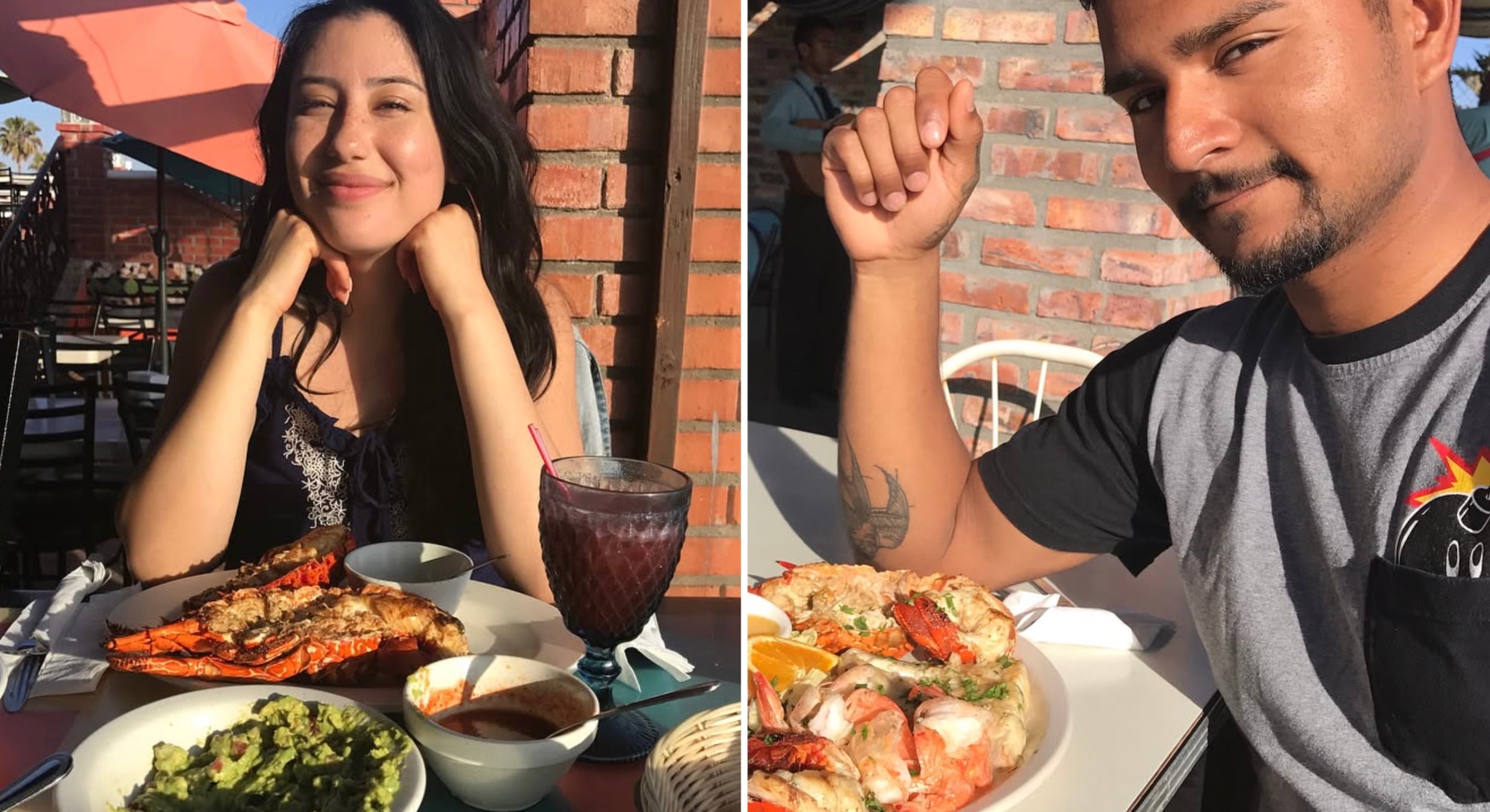
A counter-trend to the "exotic adventure" is the choice to visit familiar territory. By returning to cities like New Orleans, couples often report a reduction in "Fear Of Missing Out" (FOMO) and the stress of navigating new environments. This strategy prioritizes comfort and the enjoyment of established routines, such as visiting known culinary institutions or local haunts, which can be particularly grounding after the chaos of a wedding.
Data and Economic Implications
The honeymoon industry is a significant driver of tourism economics. Travel analysts note that honeymooners typically exhibit a higher propensity for discretionary spending compared to the average leisure traveler. Statistics indicate that couples are often willing to allocate a larger portion of their annual travel budget toward this specific trip, prioritizing high-end accommodations and exclusive experiences.
Furthermore, the integration of family into these trips has seen a modest but notable rise. With more couples marrying later in life or having children before the legal ceremony, the "family-moon" has become a viable and popular alternative. Destinations in regions like Kauai, Hawaii, provide the necessary infrastructure for multi-generational travel, allowing for the inclusion of children without sacrificing the romantic and restorative elements of the trip.
The Psychological Value of Shared Adversity
The anecdotal evidence provided by couples who experienced travel mishaps—such as tent leaks during camping trips or the logistical hurdles of cross-country moving—points to an important psychological phenomenon: the "shared hardship" effect. Research in relational psychology suggests that couples who successfully navigate unforeseen obstacles during travel report higher levels of marital satisfaction in the long term. These incidents, while stressful at the time, serve as "stress tests" that validate a couple’s ability to communicate and problem-solve under duress.
Conclusion: The Shift Toward Intentionality
The contemporary honeymoon is no longer defined by the destination itself, but by the intent behind the choice. Whether a couple opts for a high-splurge excursion in the Cotswolds or a low-budget, high-adventure trek through the national forests of the United States, the trip is fundamentally an exercise in agency.
As the industry moves forward, experts anticipate a continued decline in the popularity of "cookie-cutter" packages. Instead, the future of post-wedding travel lies in customization. Couples are increasingly seeking travel that reflects their personal identities, whether that manifests as a culinary-focused tour, an active adventure, or a quiet retreat. The evolution of the honeymoon is ultimately a reflection of the evolution of the modern marriage: less focused on adherence to rigid social traditions and more focused on the cultivation of shared experiences, resilience, and personal joy. As data continues to suggest, the most successful honeymoons are those that align with the couple’s unique rhythm, providing the essential space required to transition from the celebration of the wedding to the reality of the partnership.
Related posts: