
Israel Hamas War Genocide
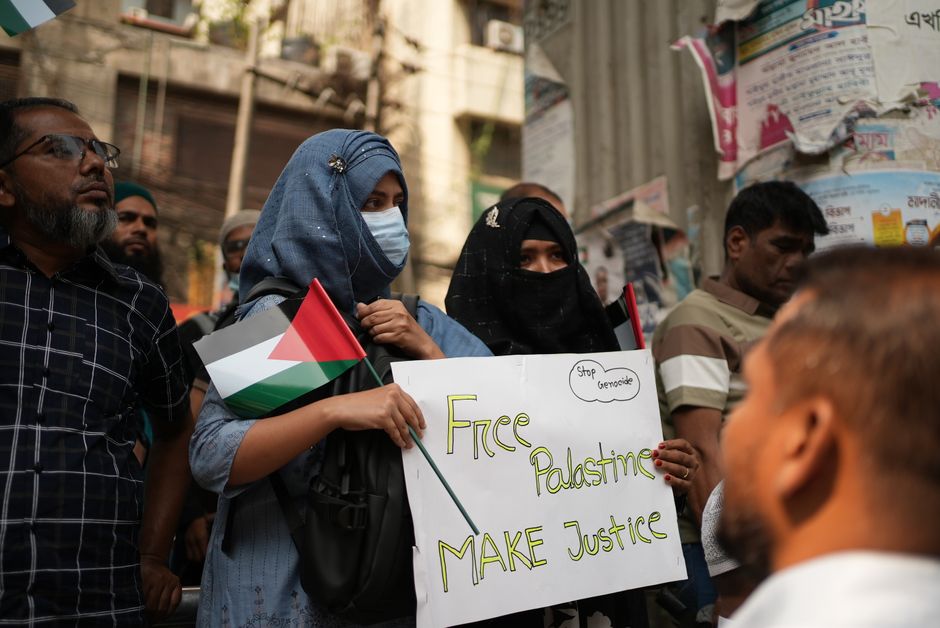
Understanding the Israel-Hamas War: A Complex Conflict Marked by Allegations of Genocide
The ongoing conflict between Israel and Hamas, a Palestinian Islamist militant group, is a deeply entrenched and multifaceted struggle characterized by recurring cycles of violence, political deadlock, and profound humanitarian consequences. At its core lies the unresolved Israeli-Palestinian conflict, a territorial dispute that has persisted for over seven decades, rooted in competing national aspirations and historical grievances. Hamas, which controls the Gaza Strip, has been designated a terrorist organization by several countries, including the United States, the European Union, and Israel itself. Its stated objective is the destruction of Israel and the establishment of a Palestinian state. Israel, conversely, views Hamas as an existential threat and has engaged in numerous military operations aimed at dismantling its infrastructure and preventing attacks.
The current escalation, which intensified in October 2023 following a large-scale surprise attack by Hamas on southern Israel, has brought the conflict into sharp international focus, leading to widespread debate and accusations of war crimes and genocide. The attack by Hamas resulted in the deaths of approximately 1,200 people, primarily civilians, and the taking of around 240 hostages. Israel’s subsequent military response in Gaza has been characterized by extensive aerial bombardment and a ground offensive, leading to a devastating humanitarian crisis within the densely populated Palestinian territory. Official figures from Gaza’s Hamas-run health ministry report tens of thousands of Palestinian deaths, a significant proportion of whom are women and children, and widespread destruction of civilian infrastructure, including homes, hospitals, and schools.
The legal and ethical implications of the conflict, particularly concerning allegations of genocide, are intensely scrutinized by international bodies, human rights organizations, and legal scholars. The United Nations Convention on the Prevention and Punishment of the Crime of Genocide defines genocide as "any of the following acts committed with intent to destroy, in whole or in part, a national, ethnical, racial or religious group, as such: (a) Killing members of the group; (b) Causing serious bodily or mental harm to members of the group; (c) Deliberately inflicting on the group conditions of life calculated to bring about its physical destruction in whole or in part; (d) Imposing measures intended to prevent births within the group; (e) Forcibly transferring children of the group to another group." Applying this definition to the context of the Israel-Hamas war involves intricate legal arguments and the examination of intent, which is notoriously difficult to prove in international criminal law.
South Africa, a vocal critic of Israel’s actions, has brought a case before the International Court of Justice (ICJ), the UN’s principal judicial organ, accusing Israel of committing acts of genocide in Gaza. The case, filed under the Genocide Convention, alleges that Israel’s military operations and rhetoric demonstrate an intent to destroy Palestinians in Gaza as a group. South Africa’s submission cites numerous incidents, including the high death toll, the destruction of essential infrastructure, the deliberate infliction of conditions of life aimed at causing physical destruction, and statements by Israeli officials that are interpreted as genocidal intent. The ICJ has begun preliminary proceedings and issued provisional measures ordering Israel to prevent genocidal acts and ensure humanitarian aid reaches Gaza, though it has not yet ruled on the merits of the genocide claim itself.
Israel vehemently denies the allegations of genocide, characterizing its actions as self-defense against Hamas and asserting that its military operations are conducted in accordance with international law. Israeli officials maintain that the high civilian casualties are an unavoidable consequence of Hamas embedding its military infrastructure within civilian areas, using human shields, and launching attacks from residential neighborhoods. They argue that their objective is to neutralize Hamas, not to destroy the Palestinian people. Israel also points to efforts it claims to make to warn civilians to evacuate areas before strikes, although these warnings are often ineffectual given the scale of destruction and the lack of safe zones within Gaza.
The humanitarian situation in Gaza is dire, exacerbated by extensive damage to infrastructure, a severe blockade, and ongoing hostilities. Access to clean water, food, medical supplies, and shelter is severely limited. Hospitals have been damaged or destroyed, and healthcare workers face immense challenges. The widespread displacement of the population has led to overcrowded conditions in makeshift camps, increasing the risk of disease outbreaks. The psychological toll on the population, particularly children, is profound, with widespread trauma and mental health issues reported. International aid organizations have repeatedly warned of a looming famine and widespread starvation, urging for unimpeded access to deliver essential supplies.
The international legal framework governing armed conflict, including the Geneva Conventions, prohibits attacks on civilians and civilian objects, mandates the protection of civilians, and requires the distinction between combatants and non-combatants. Violations of these principles can constitute war crimes. Allegations of indiscriminate attacks, disproportionate use of force, and the deliberate targeting of civilian infrastructure are central to the legal scrutiny of both parties’ conduct. The principle of proportionality requires that the anticipated military advantage of an attack must outweigh the expected incidental loss of civilian life or damage to civilian objects. Whether this principle has been upheld by Israel’s military operations is a subject of intense debate and investigation.
Furthermore, the concept of collective punishment, prohibited under international humanitarian law, is frequently raised in relation to the blockade of Gaza and the scale of destruction. Critics argue that the broad impact of military actions and restrictions on essential goods disproportionately affects the entire civilian population, irrespective of their involvement in hostilities. Israel maintains that the blockade is necessary for its security, to prevent weapons from reaching Hamas, and that its actions are targeted against Hamas and its military capabilities.
The role of international law and institutions in addressing the conflict is crucial, yet often hampered by political divisions and enforcement challenges. The UN Security Council, tasked with maintaining international peace and security, has faced significant obstacles in reaching consensus on resolutions related to the conflict due to vetoes by permanent members. The International Criminal Court (ICC) also has jurisdiction over alleged war crimes and crimes against humanity committed in the Palestinian territories, and has opened an investigation. However, the effectiveness of these international mechanisms depends on the cooperation of states and the willingness of the international community to uphold international legal norms.
The historical context of the Israeli-Palestinian conflict is indispensable to understanding the present violence. The establishment of the State of Israel in 1948, the subsequent displacement of hundreds of thousands of Palestinians (known as the Nakba), and the ongoing occupation of Palestinian territories by Israel are foundational elements of the dispute. The lack of a lasting political solution, characterized by failed peace negotiations and continued expansion of Israeli settlements in the West Bank, has contributed to the cycle of violence. Hamas emerged in the late 1980s, gaining significant popular support by offering an alternative to the perceived failures of the Palestinian Authority’s negotiation strategy and by engaging in armed resistance.
The discourse surrounding the conflict is highly polarized, with narratives often shaped by national interests, political agendas, and deeply held historical interpretations. Accusations of antisemitism are frequently made in response to criticism of Israel, while criticisms of Israeli government policies are often dismissed by Israel and its supporters as attempts to delegitimise its existence. Conversely, pro-Palestinian activists and organizations often highlight the power imbalance between Israel and the Palestinians, the impact of the occupation, and what they view as systemic discrimination.
The devastating human cost of the war necessitates a thorough examination of the actions of all parties involved through the lens of international law. The allegations of genocide, while legally complex and subject to rigorous proof, reflect the extreme suffering and destruction witnessed in Gaza. Regardless of the ultimate legal determination, the scale of death, injury, and displacement raises urgent questions about accountability, the protection of civilians, and the imperative for a just and lasting resolution to the broader conflict. The international community faces a critical challenge in navigating these complexities, upholding human rights, and working towards de-escalation and a future where such devastating violence is prevented. The continued focus on potential violations of international law, including the crime of genocide, underscores the gravity of the situation and the demand for justice and accountability for all victims.
