Conservative Super PAC "Defending Our Values" Makes Inaugural Campaign Investments in Key House Races, Targeting AI Policy Leadership

A newly established conservative super PAC, Defending Our Values, has initiated its first significant campaign investments, channeling financial support into two critical Republican House races. This strategic move underscores the organization’s commitment to shaping policy surrounding artificial intelligence (AI) and is aimed at bolstering the Republican Party’s narrow majority in the House of Representatives ahead of the 2026 midterm elections. The super PAC, which focuses squarely on AI-related policy, has thrown its weight behind Rhett Marques in Alabama’s 2nd Congressional District and Scott Singer in Florida’s 25th Congressional District, viewing these contests as pivotal opportunities to advance its agenda and solidify GOP control.
The revelation, shared exclusively with Fox News Digital by an individual familiar with the PAC’s operations, marks the first public disclosure of specific beneficiaries from Defending Our Values’ previously announced $15 million election effort. The organization’s strategic choices highlight the increasing intersection of emerging technology, national security, and partisan political maneuvering in the American electoral landscape. As AI rapidly ascends to the forefront of legislative debates on Capitol Hill, conservative groups like Defending Our Values are positioning themselves to ensure their philosophical tenets guide the regulatory framework, advocating for American innovation while safeguarding against potential risks and maintaining a competitive edge against geopolitical rivals.
The AI Policy Imperative: Defending Our Values’ Mission
Defending Our Values operates on the premise that conservative voices, rather than solely Silicon Valley executives, should be instrumental in sculpting the nation’s AI policies. This perspective stems from a broader concern within conservative circles about the influence of Big Tech, the need for robust online protections for children and families, and the imperative to ensure American leadership in AI innovation, particularly in the face of growing competition from China. The super PAC’s agenda is multifaceted, aiming to champion policies that address these concerns head-on.
The group argues that a proactive, conservative approach to AI is essential to prevent unchecked technological advancement from eroding fundamental values or ceding strategic advantages to adversarial nations. This involves advocating for regulations that foster responsible innovation, protect user privacy without stifling economic growth, and ensure the ethical deployment of AI across various sectors. The focus on outcompeting China in AI is a recurring theme, reflecting bipartisan concerns about national security and economic competitiveness in the evolving global technological landscape. China’s aggressive investments in AI, coupled with its state-controlled data infrastructure, have prompted alarm among U.S. policymakers, leading to calls for accelerated American development and robust defense strategies.
Strategic Investments: Marques and Singer
The selection of Rhett Marques and Scott Singer as the inaugural recipients of Defending Our Values’ financial backing is a calculated move. According to sources close to the PAC, both candidates are perceived as future champions for the conservative AI agenda within Congress. They are expected to be strong advocates for reining in Big Tech’s power, enhancing online safety for younger generations, and driving policies that solidify the United States’ lead in artificial intelligence.
Rhett Marques, an Alabama State Representative, is campaigning in Alabama’s 2nd Congressional District. His campaign has already garnered significant endorsements, including from former President Donald Trump and current Senator Katie Britt (R-Ala.), signaling his alignment with prominent figures within the Republican Party. Marques’s background as a state legislator provides him with experience in crafting policy, which Defending Our Values likely views as crucial for navigating the complex legislative terrain of AI.
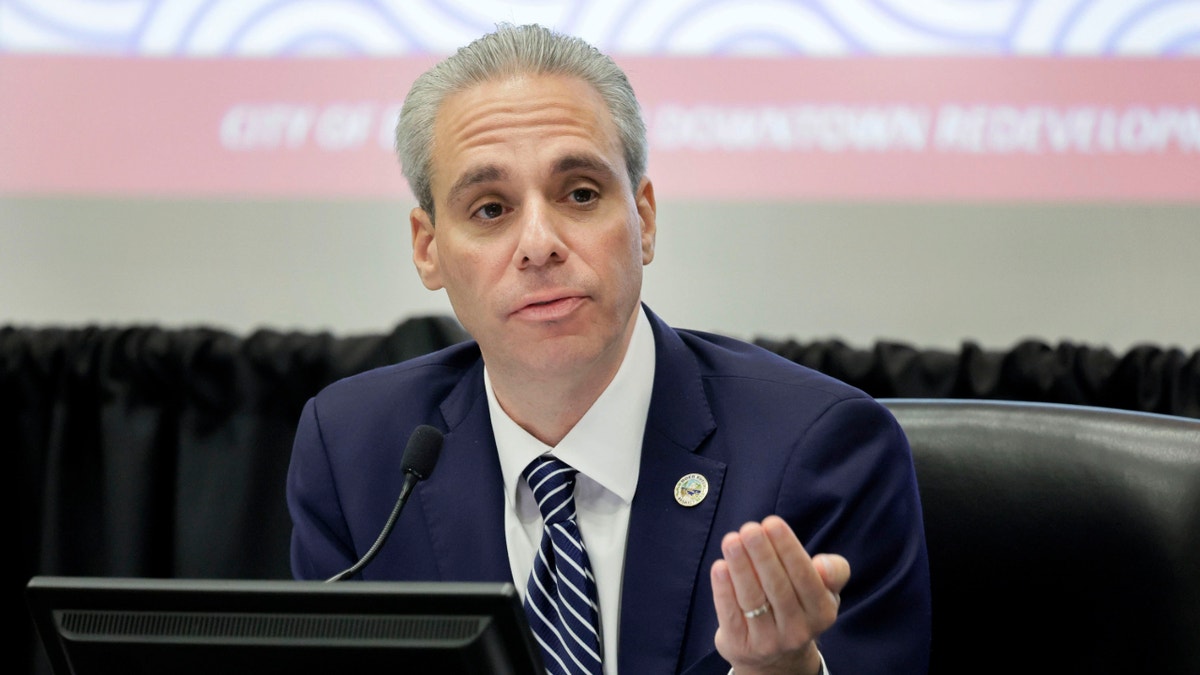
Scott Singer, the current Mayor of Boca Raton, Florida, is running in Florida’s 25th Congressional District. Singer’s tenure as mayor has given him executive experience and a platform to address local issues, which could translate into a pragmatic approach to national policy. He has also received endorsements from key Republican figures, such as Florida Attorney General James Uthmeier. The PAC’s support aims not only to assist Marques and Singer in their crowded primary battles but also to elevate their profiles and name recognition for the general election, ensuring they are well-positioned to articulate the conservative vision for AI policy.
The Battleground Districts: AL-02 and FL-25
Both Alabama’s 2nd and Florida’s 25th Congressional Districts are poised for competitive elections, making them strategic targets for a super PAC focused on influencing the House’s composition. The Republican Party currently holds a razor-thin majority in the House, meaning that even a handful of contested races could dramatically alter the balance of power. The outcome of these races could therefore directly impact the legislative agenda, including the future of AI policy.
Alabama’s 2nd Congressional District (AL-02): This district is currently undergoing significant changes due to redistricting, which has necessitated a special Republican primary scheduled for August 11. The redrawn lines have created a more competitive landscape, attracting a crowded field of Republican hopefuls. Marques’s endorsements from Trump and Britt are powerful assets in a primary where name recognition and conservative bona fides are paramount. Should Marques secure the nomination, he would face incumbent Rep. Shomari Figures, a Democrat, in what is anticipated to be a closely watched general election contest. The district’s evolving demographics and political leanings make it a prime example of a battleground where external financial support can play a decisive role.
Florida’s 25th Congressional District (FL-25): Similarly, Scott Singer is navigating a crowded Republican primary field in Florida’s 25th Congressional District, with the primary election set for August 18. His endorsement by Florida Attorney General James Uthmeier provides a significant boost within the state’s Republican apparatus. If Singer emerges victorious from the primary, he would likely face Rep. Jared Moskowitz, a Democrat known for his vocal criticism of former President Trump. The potential matchup against an established Democratic incumbent in a district that could swing either way makes FL-25 another high-stakes race where external PAC funding is intended to tip the scales.
The Broader Political Landscape: House Control in Focus
The political push by Defending Our Values PAC is part of a larger, ongoing struggle for control of the House of Representatives. With the current Republican majority being exceptionally slim—currently 218 Republicans to 213 Democrats, with four vacancies—every competitive race carries immense weight. The 2026 midterm elections are still some time away, but early investments by super PACs like Defending Our Values indicate a long-term strategy to secure the necessary seats to maintain or expand the majority.
The stakes are not just about partisan control but also about the ability to set legislative priorities. A Republican-controlled House would have significant sway over the crafting and passage of legislation, including the crucial AI policy framework. This makes the early identification and support of candidates who align with the PAC’s specific policy goals a strategic imperative. The ability of Defending Our Values to inject substantial financial resources into these races can provide candidates with a critical advantage in campaigning, advertising, and voter outreach, potentially influencing the outcome of tightly contested primaries and general elections.
Super PACs and Campaign Finance in the AI Era
Super PACs, officially known as "independent-expenditure only committees," can raise and spend unlimited amounts of money to support or oppose political candidates. However, they are prohibited from coordinating directly with campaigns or political parties. This structure allows organizations like Defending Our Values to exert significant influence on elections by funding independent advertising, voter mobilization efforts, and other campaign activities. Their emergence has dramatically reshaped the landscape of campaign finance, enabling well-funded groups to champion specific issues and candidates without direct limitations on spending.
The advent of AI has added a new dimension to this dynamic. As technology becomes an increasingly complex and impactful policy area, issue-specific super PACs focused on fields like AI, cybersecurity, or biotechnology are likely to become more prevalent. These organizations can educate voters on technical issues, advocate for nuanced policy positions, and support candidates who demonstrate a deep understanding of or commitment to their specific cause. The $15 million election effort announced by Defending Our Values signifies a substantial commitment to ensuring that AI policy is shaped by a conservative perspective, indicating a growing trend where technological advancements are becoming central to electoral strategies and ideological battles.
The Growing AI Policy Debate on Capitol Hill
Artificial intelligence has rapidly transitioned from a niche technological topic to a central policy debate in Washington D.C. Lawmakers are grappling with how to effectively regulate this fast-moving technology, balancing the need to foster American innovation and maintain a global technological lead with concerns about privacy, ethics, job displacement, misinformation, and national security. Various congressional committees have held hearings, proposed legislation, and formed working groups to explore these complex issues.
The debate often centers on several key areas:
- Regulation vs. Innovation: How to implement safeguards without stifling the rapid development that has been a hallmark of the U.S. tech sector.
- Data Privacy and Security: Addressing concerns about how AI systems collect, process, and use vast amounts of personal data.
- Bias and Ethics: Ensuring AI algorithms are fair and do not perpetuate or amplify societal biases.
- Workforce Impact: Preparing the American labor force for potential disruptions caused by AI automation.
- Geopolitical Competition: Developing strategies to ensure the U.S. maintains its lead over rivals like China, who are heavily investing in AI for both economic and military applications.
Defending Our Values’ intervention seeks to ensure that the conservative viewpoint is strongly represented in these discussions, pushing for policies that prioritize free-market solutions, national security, and individual liberties within the AI ecosystem.

Timeline of Key Dates
- August 11, 2026: Special Republican primary election in Alabama’s 2nd Congressional District.
- August 18, 2026: Republican primary election in Florida’s 25th Congressional District.
- November 3, 2026: General election for both districts, as part of the broader midterm elections that will determine control of the U.S. House of Representatives.
These dates underscore the immediate relevance of Defending Our Values’ investments, as the primary outcomes will set the stage for the crucial general election contests.
Reactions and Implications
The decision by Defending Our Values to make these early, targeted investments sends a clear signal to both the Republican Party and the broader political landscape: AI policy is a critical battleground for conservatives, and they intend to be at the forefront of shaping it. The support for Marques and Singer indicates a belief that these candidates possess the potential to become influential voices on technology and national security within the House.
For the Republican Party, these investments highlight a strategic effort to cultivate a new generation of leaders who are knowledgeable and articulate on the complexities of AI. Should Marques and Singer succeed, they would likely join a growing caucus of lawmakers focused on ensuring that technological progress aligns with conservative principles. This could lead to a more unified and forceful Republican stance on issues ranging from data governance to the military applications of AI.
More broadly, these actions underscore the increasing influence of issue-specific super PACs in American elections. As technology continues to evolve at an unprecedented pace, the role of such organizations in educating the public, supporting like-minded candidates, and advocating for specific policy frameworks will only grow. The early financial backing by Defending Our Values suggests a long-term commitment to not only winning specific elections but also to fundamentally influencing the direction of AI governance in the United States, ensuring that conservative values are embedded in the future of this transformative technology. The outcome of these races will not only determine the political futures of Marques and Singer but also offer an early indicator of how successfully special interest groups can leverage new policy frontiers to impact electoral results and legislative priorities.