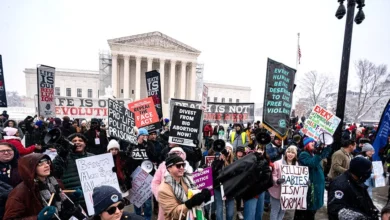
New York City Allocates $500,000 for Reparations Discussions Amidst Looming $5.4 Billion Budget Deficit

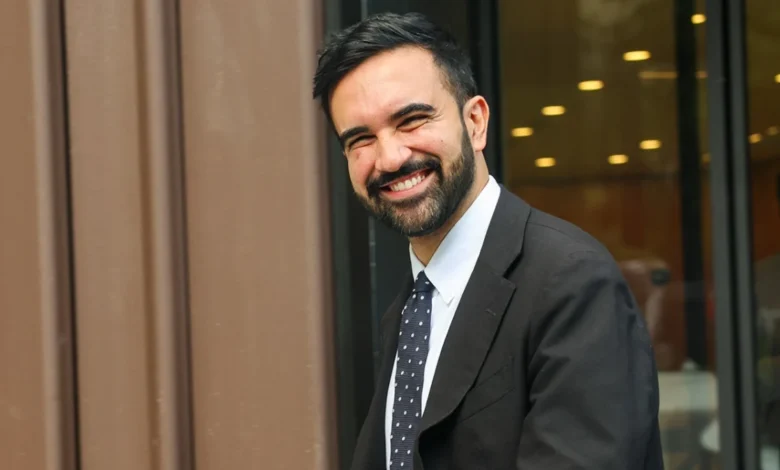
Under the leadership of Mayor Zohran Mamdani, New York City has committed a significant sum of $500,000 to initiate community dialogues focused on the intricate subject of reparations and other forms of restorative justice for Black New Yorkers. This allocation comes at a challenging fiscal juncture for the metropolis, which faces an estimated budget deficit of $5.4 billion over the next two fiscal years. The details of this ambitious initiative, revealed through internal communications, underscore a steadfast commitment to addressing historical inequities even as the city grapples with substantial financial pressures.
The Genesis of the Reparations Initiative
The half-million-dollar fund is earmarked for more than two dozen community organizations across the city. An internal message, dated January, explicitly outlines that these groups will each receive tens of thousands of dollars to facilitate "conversations to discuss the development of a Reparations study." Furthermore, these discussions are intended to gather crucial "input on the early development of the citywide Truth, Healing and Reconciliation plan." The document specifies that the funding is designed to provide "an incentive for their time" to each participating community member, acknowledging their invaluable contribution, and also covers the costs of providing "refreshments" during these extensive dialogues. This structured approach aims to foster widespread community engagement, ensuring diverse voices contribute to the foundational stages of the reparations study.
The initiative is not a spontaneous development but rather a direct response to Local Law 92, enacted in 2024. This landmark legislation mandates that New York City actively consider various forms of redress for the descendants of African slaves. These forms include, but are not limited to, "financial or in-kind restitution," "compensation for moral or economically assessable damage," and "public apologies." This legal framework provides the legislative backbone for the city’s current efforts, positioning the community discussions as an essential step toward fulfilling the law’s requirements.
Navigating a Tight Fiscal Landscape
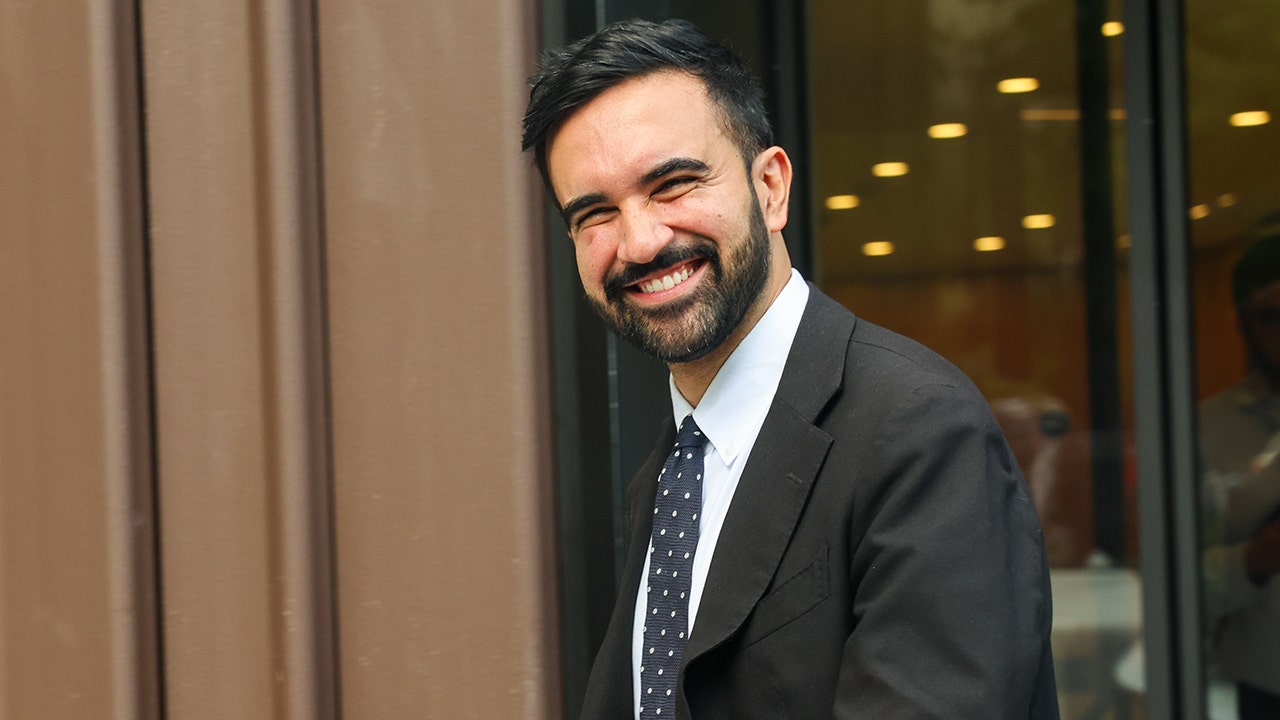
The decision to allocate substantial funds to reparations discussions while simultaneously confronting a multi-billion-dollar budget shortfall has sparked considerable debate. Mayor Mamdani, in his preliminary budget released in February, requested $4.6 million for the Commission on Racial Equity (CORE) – the central body tasked with overseeing these reparations talks – and an additional $5.6 million for the Office of Racial Equity. This combined funding exceeding $10 million represents an increase of approximately $3 million from the previous fiscal year, highlighting a clear prioritization of racial equity initiatives.
Despite the looming $5.4 billion deficit, Mayor Mamdani has notably refrained from proposing widespread service cuts to address the shortfall. Instead, his administration has opted for a strategy involving increased taxes and drawing upon the city’s emergency cash reserves. This fiscal approach signals a determination to protect essential city services while simultaneously advancing a progressive agenda focused on racial justice. The deficit itself is a complex issue, often attributed to a combination of factors including the ongoing costs associated with the migrant crisis, economic slowdowns impacting tax revenues, and existing budgetary commitments. The city’s financial resilience is being tested, making the allocation of funds for new initiatives a particularly scrutinized decision.
Historical Context: Slavery in New York City
To fully comprehend the rationale behind New York City’s reparations initiative, it is crucial to delve into the city’s often-overlooked history with slavery. While frequently associated with the Southern states, New York was a major hub for the slave trade in colonial America and had the largest slave population north of the Mason-Dixon line. Enslaved Africans played a critical role in building the city’s infrastructure, working in various industries, and contributing significantly to its economic prosperity. From constructing Wall Street to laboring on docks and farms, their forced labor underpinned much of early New York’s development.
Slavery in New York was gradually abolished, a process that extended into the 19th century, later than many other Northern states. Even after formal emancipation, Black New Yorkers faced pervasive systemic discrimination, including segregation, limited economic opportunities, and exclusion from political and social life. These historical injustices, proponents argue, have created enduring intergenerational wealth gaps, educational disparities, and health inequities that continue to affect Black communities in the city today. The "Truth, Healing and Reconciliation plan" aims to confront these historical harms and their contemporary manifestations directly.
The Role of CORE and the Path Forward
The Commission on Racial Equity (CORE) is at the heart of New York City’s reparations efforts. Its mandate extends beyond mere discussions to developing concrete plans for addressing historical injustices. According to CORE’s official website, its work on "Reparations, Truth, Healing and Reconciliation" is structured with clear milestones. The commission is slated to release its "Final report for Reparations Study" in July 2027, which will likely detail its findings, recommendations, and proposed frameworks for reparations. This will be followed by the "Implementation for Truth, Healing and Reconciliation Plan" in June 2028, outlining the practical steps and mechanisms for actualizing the reparative measures.
The internal communications obtained by the Washington Free Beacon indicate that the community engagement process is already well underway. As of January, more than 400 individuals had participated in these initial reparations conversations. This level of participation underscores the community’s interest and the administration’s commitment to a grassroots approach, ensuring that the voices of those most affected by historical injustices are central to the planning process. The city memo articulates this commitment passionately: "We must do this work so that we can begin to heal from the harms of the past that have bled into our present and threaten our future. The work of Truth, Healing, and Reconciliation will not stop until we see a better New York City – a New York that is engaging in healing from the traumas of the past, has ended current abuse, and is on the path of a racially equitable and just city for all."
Legal and Ethical Scrutiny: A Divided Opinion
The mayor’s racially focused policies, particularly the reparations initiative, have not been universally embraced. Harmeet Dhillon, a prominent Attorney General for Civil Rights, has publicly expressed strong reservations, describing the policies as "fishy/illegal" and pledging to investigate. Such concerns often center on the legal principle of equal protection under the law, questioning whether race-based policies, even those intended to remedy past discrimination, might themselves constitute a form of discrimination. Opponents argue that reparations based solely on race could violate the Fourteenth Amendment, potentially leading to lawsuits challenging the constitutionality of any proposed restitution.
The debate over reparations also extends to ethical considerations. Critics raise questions about the practicalities of defining beneficiaries, the moral responsibility of current generations for historical wrongs, and the potential for creating new divisions within society. Proponents, however, counter that addressing historical injustices is a moral imperative and that ignoring the lingering effects of slavery and systemic racism perpetuates inequality. They argue that targeted measures are necessary to achieve true equity and that legal frameworks can be crafted to withstand judicial scrutiny, focusing on demonstrable harm and systemic disadvantage rather than solely on racial identity.
Mayor Mamdani has consistently justified his administration’s focus on racial equity by pointing to the disproportionate impact of economic challenges on minority communities. He has stated that "Black and Latino New Yorkers" have "been pushed out of this city for decades" and are "bearing the brunt" of the rising cost of living in New York City. This perspective frames the reparations discussions not merely as an acknowledgment of past wrongs but as an essential component of a broader strategy to ensure economic stability and equitable access to opportunities for historically marginalized groups in the present.

Broader Implications and the National Landscape
New York City’s foray into reparations discussions is part of a growing national movement. Across the United States, various cities, counties, and even some states are exploring or implementing their own reparations initiatives. For example, Evanston, Illinois, became one of the first cities to offer direct housing-related reparations to Black residents. California has established a statewide task force to study reparations, which has already issued comprehensive recommendations. These efforts vary widely in their scope, proposed remedies (ranging from direct financial payments to educational grants, housing assistance, and land restitution), and legal approaches.
The national conversation reflects a deeper societal reckoning with the legacy of slavery and systemic racism. While the mechanisms and beneficiaries of reparations remain subjects of intense debate, the underlying premise – that historical injustices have created enduring disadvantages that require active redress – is gaining traction in many progressive political circles. The experience of New York City, with its unique history, diverse population, and significant fiscal challenges, will undoubtedly serve as a crucial case study in this evolving national dialogue. The outcomes of CORE’s studies and plans, coupled with any legal challenges or successes, will provide valuable insights for other jurisdictions considering similar paths.
Conclusion: A Complex Path Towards Justice
New York City’s commitment of $500,000 for reparations discussions, led by Mayor Zohran Mamdani, represents a bold and significant step towards confronting historical injustices. This initiative, guided by Local Law 92, seeks to foster a comprehensive "Truth, Healing and Reconciliation plan" for Black New Yorkers. However, this ambitious endeavor unfolds against the backdrop of a substantial $5.4 billion budget deficit, prompting questions about fiscal priorities and potential legal challenges.
The ongoing work of the Commission on Racial Equity, with its detailed timeline for reports and implementation plans, signifies a long-term commitment. While proponents emphasize the moral imperative and the need to address persistent systemic inequalities affecting Black and Latino New Yorkers, critics raise concerns about legality, fiscal responsibility, and potential societal divisions. As the city navigates this complex intersection of historical redress, financial realities, and political will, the eyes of the nation will be on New York, observing its journey towards a more racially equitable and just future. The eventual outcomes of these discussions and the subsequent implementation of any reparative measures will undoubtedly shape the future of racial justice initiatives, both within the five boroughs and across the country.