NORAD F-16 Fighter Jet Intercepts Aircraft Violating Restricted Airspace Over Camp David While President Trump Visits Maryland Retreat

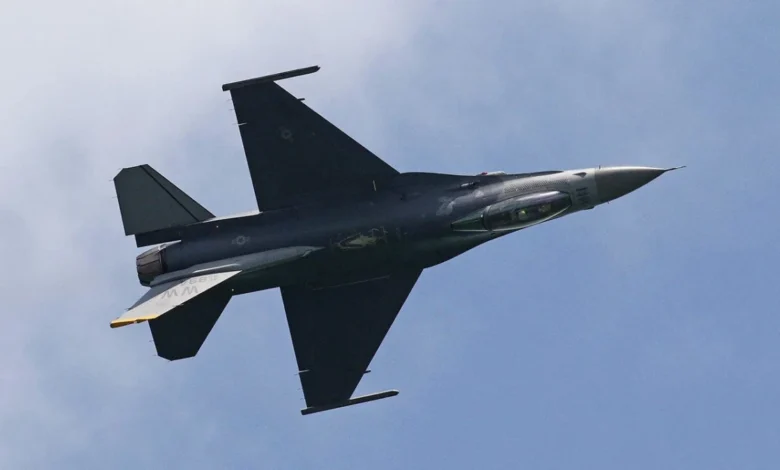
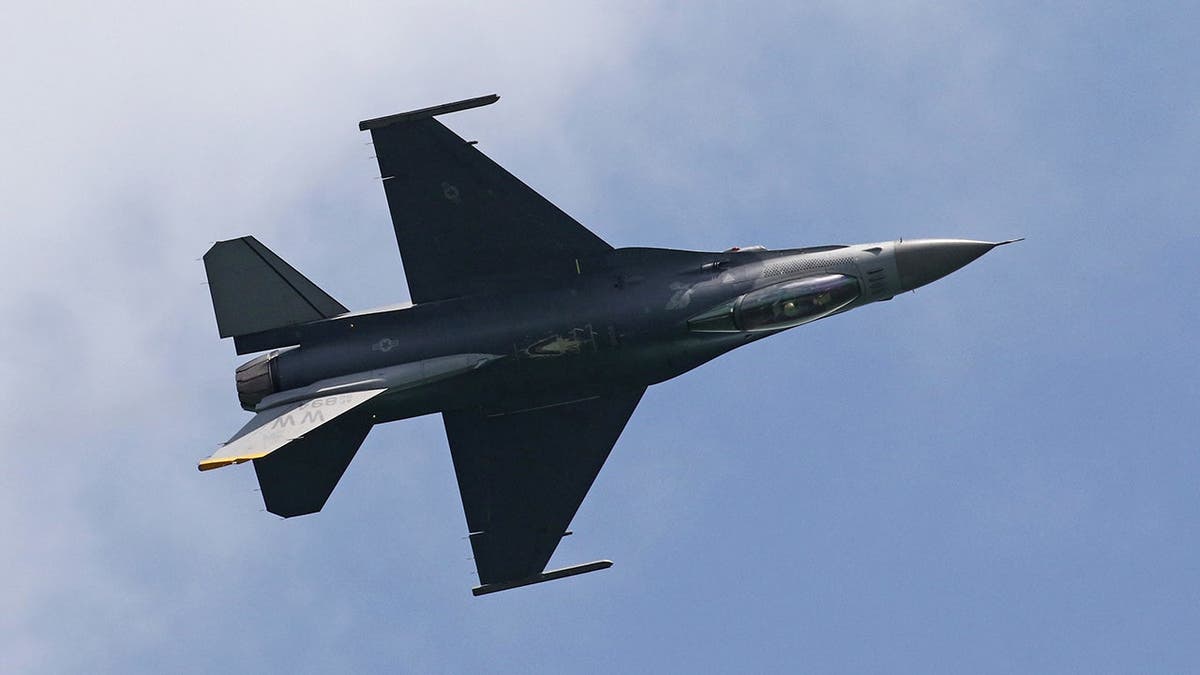
The skies over rural Maryland experienced a sudden burst of military activity on a quiet Saturday morning when a North American Aerospace Defense Command (NORAD) F-16 fighter jet intercepted an unidentified aircraft that had breached the heavily restricted airspace surrounding Camp David. The high-stakes aerial encounter occurred while President Donald Trump was spending the weekend at the presidential presidential retreat, triggering standard emergency protocols designed to safeguard the nation’s highest elected official.
According to military officials and the Defense Visual Information Distribution Service (DVIDS), the unauthorized aircraft penetrated a temporary flight restriction (TFR) zone near Thurmont, Maryland. In response to the security breach, NORAD scrambled a supersonic F-16 Fighting Falcon to intercept the errant flyer. To capture the pilot’s attention and signal an immediate change of course, military pilots deployed standard-issue warning flares before successfully escorting the aircraft out of the sensitive airspace without further incident.
The Anatomy of the Airspace Violation
Camp David, the historic mountain retreat utilized by U.S. presidents for decades, is continuously protected by strict airspace regulations. While a permanent no-fly zone is maintained over the facility, additional, highly stringent temporary flight restrictions go into effect immediately whenever the president is in residence. These protocols are managed collaboratively by the Federal Aviation Administration (FAA) and NORAD to create a multi-layered security buffer against airborne threats.
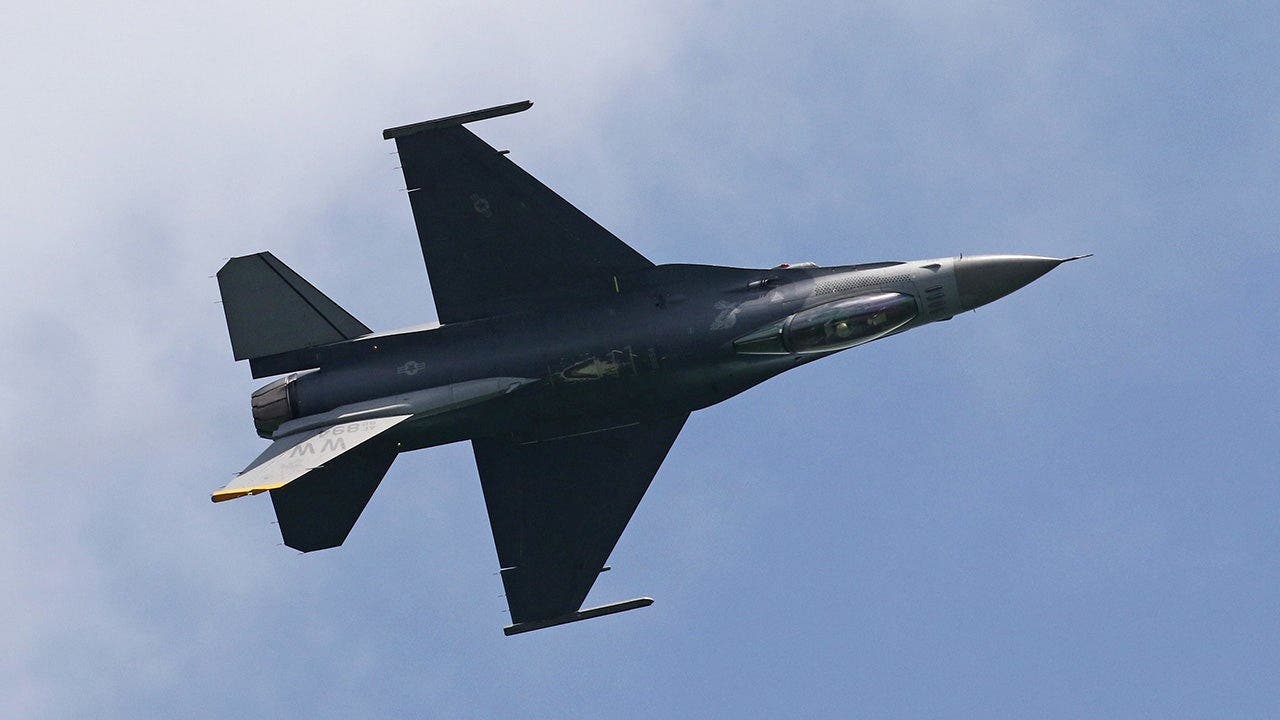
Saturday morning’s incident marks the latest in a series of similar airborne infractions near presidential properties. Aviation authorities have noted a persistent challenge with general aviation pilots inadvertently or carelessly straying into restricted zones. When an interception becomes necessary, NORAD pilots follow a strict escalation ladder designed to communicate urgency without resorting to kinetic force.
During Saturday’s interception, after deploying flares, the military aircraft guided the civilian pilot away from the restricted zone while directing them to establish emergency radio contact. Official guidelines dictate that if a NORAD aircraft intercepts a civilian plane, the pilot must immediately tune their radio to emergency frequencies 121.5 MHz or 243.0 MHz, reverse course, and await further instructions from military or air traffic control personnel.
Chronology of Events and Previous Incidents
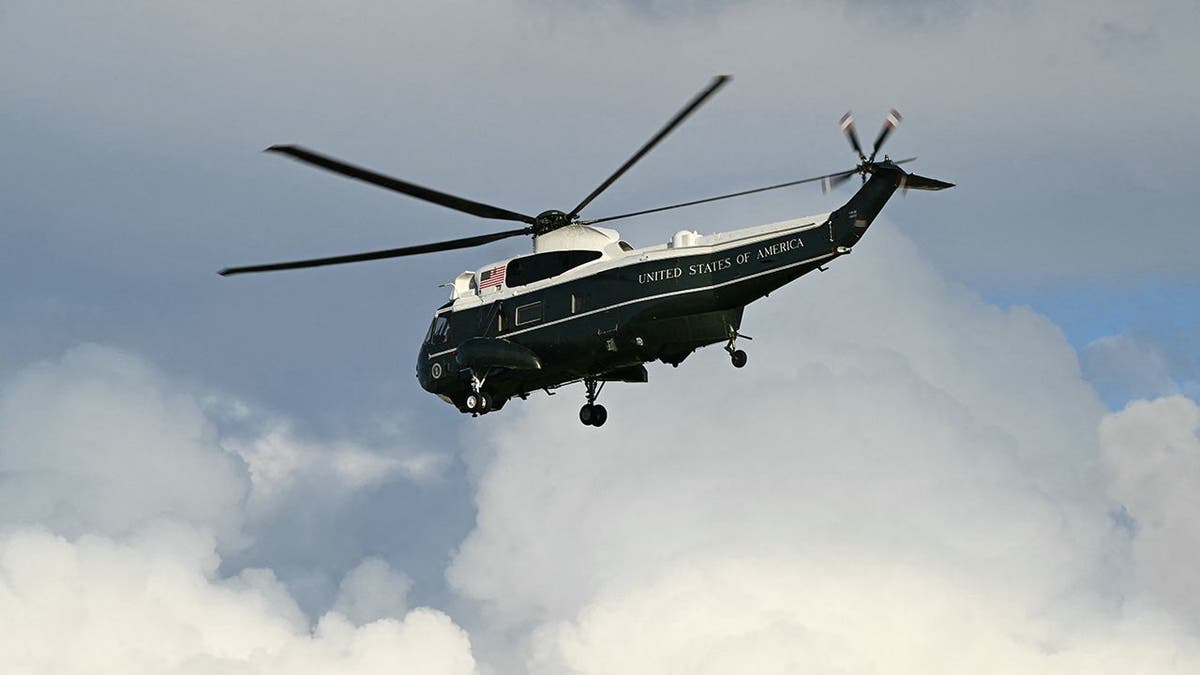
President Trump departed the White House on Friday evening aboard Marine One, bound for the secluded Maryland mountainside to spend the weekend and manage ongoing executive affairs. The peaceful retreat quickly became the center of a defense operation the following morning.
- Friday Evening: President Trump leaves Washington, D.C., via Marine One, arriving at Camp David for a weekend working retreat.
- Saturday Morning: An unauthorized aircraft enters the temporary flight restriction (TFR) zone over Thurmont, Maryland.
- Saturday, Morning Hours: NORAD scrambles an F-16 fighter jet, which intercepts the trespassing aircraft, deploys warning flares, and safely escorts the pilot out of the restricted perimeter.
- Saturday Afternoon: First Air Force issues a public reminder via social media urging aviators to review Notices to Air Missions (NOTAMs) prior to departure.
This weekend’s event is not an isolated occurrence. Security forces stationed around the presidential retreat handled a remarkably similar situation in June, when another aircraft strayed into the Camp David restricted zone while President Trump was staying on the grounds. In that instance, as with Saturday’s event, NORAD assets successfully intercepted and escorted the aircraft away from the area safely, resulting in no injuries or structural threats. Similar intercepts have routinely occurred over other properties associated with the executive branch, including the Mar-a-Lago resort in Palm Beach, Florida, prompting ongoing debates among aviation experts regarding the adequacy of current navigational warnings and pilot education.
Official Responses and Military Guidance
Following the swift resolution of Saturday’s airspace violation, military commands utilized public channels to reiterate the vital importance of pre-flight planning and situational awareness.
The First Air Force, which serves as the continental U.S. region for NORAD, took to social media platform X to address the aviation community directly. "Pilots! @NORADCommand fighter aircraft intercepted an aircraft violating restricted airspace over Thurmont, MD, resulting in flares being deployed," the command posted. "Make sure to check NOTAMs before takeoff to ensure you have current information about TFRs in your area. Stay Safe, Fly Informed!"
Aviation safety experts emphasize that Notices to Air Missions (NOTAMs) are updated in real-time to alert pilots of temporary flight restrictions. However, human error, outdated navigation databases, and a lack of continuous radio monitoring by general aviation pilots continue to contribute to accidental incursions.
Broader Implications for National Security and Aviation
The routine interception of civilian aircraft near high-value protected sites underscores the immense complexity of domestic airspace management. Since the terrorist attacks of September 11, 2001, the airspace architecture surrounding Washington, D.C., and presidential residences has grown increasingly rigid. The Washington, D.C. Special Flight Rules Area (SFRA) and Defense Identification Zone (ADIZ) require rigorous pilot certification and continuous transponder operation, yet rural retreats like Camp David rely heavily on temporary measures that can occasionally catch unsuspecting weekend flyers off guard.
While the vast majority of TFR violations are committed by recreational or general aviation pilots who simply failed to check NOTAMs, defense officials treat every single breach as a potential hostile threat until proven otherwise. The rapid response time demonstrated by NORAD on Saturday morning highlights the constant readiness of North American air defense networks, which maintain round-the-clock watch over the continental United States.
As investigations into Saturday’s specific incursion continue by aviation authorities, the incident serves as a stark reminder of the zero-tolerance policy enforced around the Commander-in-Chief. For civilian pilots, the message from federal regulators and military commanders remains clear: failure to check flight restrictions can result in an unexpected and intimidating escort by a United States Air Force fighter jet, potential license suspension, and heightened security scrutiny.
Related posts: