Healthcare Costs Set to Dominate Upcoming Midterm Elections as Consumer Financial Pressures Intensify

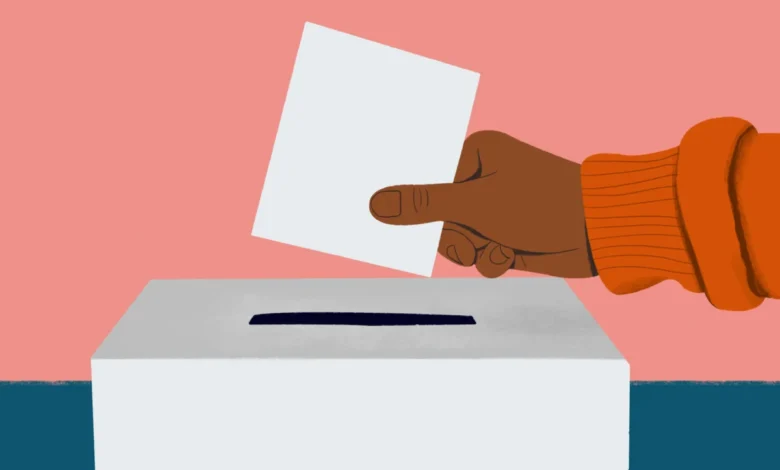
As the United States approaches another crucial cycle of midterm elections, healthcare affordability has once again emerged as a dominant front-and-center issue for voters across the political spectrum. With projections indicating that medical and insurance costs will continue their upward trajectory next year, political candidates from both sides of the aisle are racing to formulate and present comprehensive legislative and executive strategies to alleviate the financial strain. The debate over how to manage escalating out-of-pocket expenses, mounting deductibles, and soaring premium prices is shaping up to be a decisive factor at the ballot box, echoing historical precedents that reshaped the American healthcare landscape two decades ago.
The Historical Context: Parallels to the Early 2000s and the ACA
The current anxiety surrounding medical expenses bears a striking resemblance to the economic climate of the early 2000s. During that period, unmitigated growth in healthcare costs severely burdened American families, eventually sparking intense national debates that culminated in the landmark passage of the Affordable Care Act (ACA) in 2010.
Experts note that today’s political environment is experiencing a similar inflection point. Julie Rovner, chief Washington correspondent for KFF Health News and host of the What the Health? podcast, appeared on WAMU’s Health Hub on September 16 to analyze the intersection of healthcare economics and electoral politics. Rovner emphasized that the steady climb in healthcare costs is not merely a statistical concern but a deeply personal, daily crisis for millions of Americans.
"We’re seeing people have to pay more in their — not just premiums — but their deductibles, how much they pay before their insurance kicks in, and how much they pay when they go to the doctor," Rovner stated during the broadcast.
This structural shift toward higher cost-sharing models has fundamentally transformed the consumer experience of accessing medical care. Over the past decade, employers and insurers have increasingly shifted financial risk onto employees through high-deductible health plans (HDHPs). While these plans typically feature lower monthly premiums, they require patients to pay thousands of dollars out of pocket before insurance benefits are fully realized, leaving many vulnerable to sudden medical debt.
The Evolving Patient Experience: Upfront Payment Demands
The burden of these escalating costs is increasingly felt before a patient even steps foot into an examination room. In recent years, structural changes in medical billing practices have fundamentally altered the doctor-patient interaction. Front-desk protocols across primary care clinics, specialist offices, and hospital networks have evolved to prioritize financial collection prior to the delivery of medical services.
"Now you get there, and they say, ‘Can we have your credit card?’ before you even get to go in and get your care," Rovner observed, highlighting a practice that has become increasingly common nationwide.
This shift toward upfront point-of-service collections reflects the growing financial anxiety experienced by healthcare providers themselves. Facing rising operational costs, administrative burdens, and increasing rates of uncompensated care or unpaid patient balances, hospitals and medical practices have adopted aggressive revenue-cycle management strategies. For patients, however, being asked to provide a credit card on file or settle estimated out-of-pocket costs prior to diagnosis or treatment introduces a formidable barrier to care, often discouraging individuals from seeking necessary medical attention for fear of immediate financial repercussions.
Supporting Data and Economic Realities
The macroeconomic data surrounding American healthcare underscore the validity of voter anxiety. According to recent federal health expenditures data, national health spending continues to outpace general inflation, consuming a historic share of the nation’s Gross Domestic Product (GDP).
Key financial indicators driving the public discourse include:
- Rising Premiums: Average employer-sponsored health insurance premiums have seen steady, compound increases, forcing both workers and businesses to allocate a larger portion of compensation toward coverage.
- Expanding Deductibles: The percentage of covered workers enrolled in high-deductible plans has risen dramatically over the last fifteen years, with average deductibles frequently exceeding thousands of dollars for individual coverage.
- Out-of-Pocket Extremes: Beyond premiums and deductibles, copayments and coinsurance rates for specialty drugs, diagnostic imaging, and emergency services have risen, exposing patients to financial volatility.
These economic pressures are compounded by broader inflationary trends affecting the wider economy, creating a cumulative squeeze on household budgets. When voters evaluate candidates ahead of the midterms, the ability to pay for routine checkups, prescription medications, and emergency procedures remains a primary benchmark of economic security.
Chronology of the Healthcare Debate Leading to the Midterms
To understand how healthcare became the focal point of the current electoral cycle, it is necessary to examine the timeline of policy developments and economic shifts leading up to the present day:
- 2010–2015: Implementation of the Affordable Care Act, expansion of Medicaid in participating states, and the establishment of state and federal insurance marketplaces. The debate centers heavily on access, insurance mandates, and preexisting condition protections.
- 2016–2020: Ongoing legislative and judicial battles over the repeal or modification of the ACA. Rising deductibles begin to overshadow premium costs as the primary consumer complaint, prompting bipartisan frustration over opaque medical billing.
- 2021–2022: Passage of the Inflation Reduction Act, which introduces historic provisions empowering Medicare to negotiate certain prescription drug prices, capping insulin costs for seniors, and extending enhanced subsidies for ACA marketplace plans.
- 2023–2024: Post-pandemic economic pressures, persistent inflation, and labor shortages in the healthcare sector drive up operational costs. Providers increasingly implement upfront collection models to safeguard against unpaid bills.
- September 2024: Industry experts, including KFF Health News analysts, highlight escalating cost projections for the upcoming year, signaling that healthcare will serve as a definitive battleground issue in the midterm elections.
Official Responses and Political Strategy
As the electoral calendar progresses, political campaigns are acutely aware that dismissing voter frustration over healthcare costs is politically perilous. Both major political parties are offering distinct ideological solutions to address the crisis, framing the debate around affordability, transparency, and government intervention.
Democratic Proposals
Proponents of Democratic platforms generally advocate for strengthening existing regulatory structures, expanding government-backed options, and utilizing legislative tools to lower specific costs. Key strategies include:
- Defending and expanding subsidies for Affordable Care Act marketplace plans to prevent sharp premium spikes.
- Continuing the implementation of the Inflation Reduction Act’s drug-pricing provisions and expanding those caps to the commercial insurance market.
- Enforcing strict compliance with transparency laws requiring hospitals and insurers to publish clear, negotiable prices for services and procedures.
- Protecting consumer rights against predatory medical debt collection practices and surprise billing.
Republican Proposals
Conversely, conservative candidates and lawmakers emphasize free-market mechanisms, deregulation, and consumer-directed health choices as the most effective remedies for rising costs. Prominent policy approaches include:
- Expanding Health Savings Accounts (HSAs) by increasing contribution limits and granting greater flexibility in how funds can be utilized for medical expenses.
- Encouraging interstate competition for health insurance plans to drive down premiums through market forces.
- Promoting price transparency initiatives rooted in direct-to-consumer pricing models, allowing patients to shop around for routine medical procedures.
- Implementing targeted tort reform to curb defensive medicine practices and lower professional liability insurance costs for providers.
Broader Impact and Policy Implications
The outcome of the upcoming midterm elections will have profound implications for the trajectory of American health policy. Beyond the immediate political rhetoric, the structural issues driving healthcare inflation require sustained, bipartisan cooperation to resolve.
If policymakers fail to curb the growth of deductibles and out-of-pocket expenses, the long-term consequences could include increased rates of deferred care, worsening population health outcomes, and a rise in personal bankruptcies tied to medical debt. Furthermore, the financial strain on employers providing health coverage could impede wage growth and overall economic competitiveness.
Ultimately, the convergence of rising medical prices and electoral politics underscores a fundamental truth of the American healthcare system: healthcare is not only a medical necessity but a powerful economic barometer. As candidates finalize their platforms and voters prepare to cast their ballots, the demand for tangible, lasting solutions to the cost crisis remains louder and more urgent than ever before.