Measles Cases Surge to a 35-Year High, Signaling a Troubling New Era for Public Health

The United States is grappling with a significant resurgence of measles, with confirmed cases reaching a 35-year high by mid-July, a stark indicator of what experts are calling a potentially long and challenging era for infectious disease control. This alarming trend, exacerbated by declining vaccination rates, has led to the U.S. losing its status as having eliminated measles as a public health threat, a benchmark it had maintained for a quarter century. The implications are dire, with the nation facing renewed risks of severe illness, hospitalization, and even death from a virus that is largely preventable.
A Return of a Preventable Disease
The latest data paints a grim picture: confirmed measles cases in the U.S. have surged to their highest point in over three decades, with the current year’s numbers, combined with those from the previous year, already exceeding the total for the preceding 25 years. The overwhelming majority of these cases are linked to domestic outbreaks, directly fueled by a concerning decline in vaccination rates across the country. This erosion of herd immunity leaves communities vulnerable to the rapid spread of a highly contagious virus.
For the first time since the U.S. declared measles eliminated as a public health threat, the nation no longer meets a key criterion for this status. Elimination hinges on the ability to contain outbreaks, ensuring that sporadic cases do not lead to sustained community transmission. However, an ongoing outbreak in Utah, which began in June 2025, has persisted for well over a year, underscoring the breakdown of this crucial public health safeguard.
The human cost of this resurgence is substantial. Nearly 400 individuals have been hospitalized with measles in the U.S. over the past two years. Tragically, three deaths have been attributed to the disease, and at least three others have suffered severe complications, including brain swelling, leading to lingering symptoms. These severe outcomes highlight the potent and potentially devastating nature of measles, even in an era where effective vaccines are readily available.
Official Recognition and Forthcoming Analysis
In response to this escalating crisis, the Centers for Disease Control and Prevention (CDC) is finalizing a comprehensive study examining the nation’s measles situation. The report, which covers data from January 2025 through June 2026, is expected to provide a detailed analysis of the outbreak’s scope, contributing factors, and the breakdown in vaccination coverage.
A CDC scientist, speaking on condition of anonymity due to concerns about potential retaliation, confirmed the gravity of the situation. "I don’t think we could say with a straight face that there hasn’t been transmission over the past 12 months," the researcher stated, acknowledging the pervasive spread of the virus. This internal report will undergo review by a national committee of measles specialists before being submitted to the Pan American Health Organization (PAHO). PAHO is the regional body responsible for evaluating and declaring measles elimination status for countries throughout North, South, and Central America, and the Caribbean.
While PAHO’s official assessment is scheduled for an annual meeting this fall, many public health experts anticipate the outcome. "The assessment for elimination isn’t until November, but that is a scheduling issue, basically," commented Anne Schuchat, a former leader of the CDC’s immunization and respiratory disease group. She characterized the situation as "just so sad, because some people will get brutally ill," and emphasized that the current resurgence serves as a critical "wake-up call" for public health systems and policymakers.
The Human Toll: Pediatricians on the Front Lines
Pediatricians across the nation, particularly in areas experiencing outbreaks like Utah, find themselves on the front lines, confronting the harsh realities of measles’ return. Their firsthand accounts reveal the profound suffering of unvaccinated children and the immense strain placed on healthcare providers.
Emilie Morris, a hospital pediatrician in Salt Lake and Utah Counties, described the distressing symptoms observed in hospitalized children: "When children come in, they’re often bent over. We call it tripoding, which is particular to upper respiratory infections and airway swelling. They have a rash – viruses cause rashes all the time – but in this context, the kid is hunched over, mouth open, drooling, crying, maybe not even producing tears, because they’re so dehydrated. Really labored breathing, kind of tugging in their belly, tugging between their ribs. Their eyes look kind of glazed over. It’s like they’re seeing through you."
Nathan Money, another hospital pediatrician in the same counties, highlighted the increased medical interventions required for unvaccinated children: "If the child has a fever or trouble breathing, and they’re unvaccinated, I have to be way more aggressive from a medical standpoint, because they are at higher risk of having life-threatening illnesses. I have to do more blood work, or lumbar punctures to rule out meningitis. I have to do things which are painful, and it’s traumatic for the families." He explained to parents, "Because your child doesn’t have vaccines, I have to be more worried about conditions like sepsis or meningitis, so therefore I need to do more workup."
The Devastating Impact on Children and Families
The experiences of healthcare professionals underscore the severity of measles complications, particularly in unvaccinated children. Trahern W. Jones, a pediatric infectious disease specialist in Salt Lake City, recounted a harrowing encounter: "I’m coming into a room and just hearing the most awful barking cough, just a cough and a high-pitch stridor as the child is trying to breathe. And he’s just coughing so hard it just makes you feel short of breath. He looks like he’s been beaten down for days, but he can’t rest, because the cough keeps him awake."
Jones also shared insights into the reasons behind parental vaccine hesitancy. Some parents, he noted, were not outright anti-vaccine but had paused vaccinations due to a perceived negative reaction in someone they knew, intending to catch up later. In other instances, parents lacked basic knowledge about measles, relying on outdated information passed down through generations. "It’s such an awful illness," Jones emphasized. "Even the best possible course is going to be one of the worst diseases most children ever go through." The illness takes a physical toll on the child, disrupts parental sleep, and can lead to profound emotional distress, including regret and shame for not vaccinating.
The financial burden of healthcare also emerged as a significant factor. Dr. Morris described a situation involving an uninsured family facing substantial medical costs for their child’s pneumonia and oxygen needs. "I said something like: ‘Please don’t go home. Your child needs oxygen. She has pneumonia. We will figure out a way to pay for this, because we acknowledge what we do is expensive.’" This situation also necessitated quarantine for the child’s unvaccinated siblings, underscoring the cascading public health implications of unvaccinated individuals.
The breakdown of trust between healthcare providers and families was a recurring theme. Dr. Morris expressed frustration: "It’s pretty indicative of the breakdown of trust between physicians and families. I say, ‘This is the gravity or severity of your child’s situation and how serious we need to be about protecting other people.’ It’s frustrating. How can I make people understand I have a very genuine concern for their child? And I know they share that concern, but maybe it’s not the same degree of concern, because they don’t understand the illness and how severe it can become."
Dr. Money echoed this sentiment, stating, "It’s heartbreaking to see these children struggling to survive when measles could have been easily prevented by a safe mechanism that is readily available and well studied. These are well-meaning parents who love their children, who have gotten bad information from federal leadership or from online sources. The saddest part to me is when I am caring for a child and the parent says, ‘I didn’t know that this could get so bad.’"

Navigating Vaccine Hesitancy: A Complex Challenge
Pediatricians are increasingly engaged in detailed conversations with parents who express hesitation about vaccination. Tim Duffy, a pediatrician in Salt Lake County, observed that many families are not aggressively anti-vaccine but are instead influenced by months of "research" conducted online, often finding confirmation bias for their concerns on social media. He explained the concept of herd immunity to families: "You could do nothing I say as a pediatrician. You could sleep your child on their stomach. You could not put them in a car seat or, when they’re older, not use seat belts. You could do nothing I say, and for your individual child, they will probably be OK. But from my standpoint, where I’m taking care of thousands of kids, within a system that takes care of hundreds of thousands of kids, we will have bad outcomes. These children will show up at our facilities, and it’s so sad."
Concerns about autism and the "natural" approach to health are common among hesitant parents. A pediatrician in southern Utah, who requested anonymity due to past harassment, addressed these anxieties: "A lot of parents are concerned about autism. I’ve told them that I’d be very concerned if there was any evidence that what we’re doing is causing autism. But if vaccines were causing autism, we should see more cases of autism in vaccinated kids compared to unvaccinated kids, and we’re just not seeing that." When asked if they vaccinated their own children, this pediatrician affirmed, "Knowing what I know, I’m confident giving this to my kids. They’re all vaccinated."
The Political Landscape and Trust Erosion
The politicization of vaccines has emerged as a significant obstacle. Trahern W. Jones noted, "Vaccines have become a political football. That wasn’t true 20 years ago. But now it’s used to drive a wedge between groups of people, which is unfortunate. Vaccines are one of the main reasons why we don’t have to worry about losing our kids."
A pediatrician in southern Utah described the difficulty of navigating political discourse with patients. When politics arise, they emphasize that their messaging on vaccines is not politically motivated. They also expressed concern over recent changes to vaccine recommendations. "I tell parents that the American Academy of Pediatrics, the American Academy of Family Physicians, and several other professional organizations have issued statements saying that these changes are not based on evidence."
Ellie Brownstein, a pediatrician and president-elect of the Utah chapter of the American Academy of Pediatrics, focuses on explaining the scientific rationale behind established vaccination schedules. She stated, "I trust these experts over someone without a lot of experience."
The erosion of trust in medical institutions is a central issue. Nathan Money articulated this point: "People are not vaccinated, because they’ve lost trust in the medical community. They’re placing trust elsewhere. Rebuilding trust is a complicated process, but it comes from consistent messaging at every level, from the pediatrician to local health departments to community leaders, city leadership, district leadership, religious leadership, educational leadership." He called for robust public health campaigns, including TV commercials, billboards, and prominent messaging in schools and public spaces, emphasizing the need for state leadership to champion vaccine safety. "We also need policy changes to support vaccination," Money urged. "This train is going in the wrong direction, and it can feel like a helpless situation, because we’re just not seeing the public messaging and leadership that’s needed to turn this around."
Strategies for Rebuilding Trust and Promoting Vaccination
Healthcare professionals are developing nuanced strategies to engage with parents who express vaccine hesitancy. Trahern W. Jones advocates for a compassionate approach: "Approach them with as much compassion as you possibly can. Ask open-ended questions to learn about their experiences that led them to have these concerns. I think it’s really important to not come down on them, citing facts and figures and pointing to guidelines on why they need to get their kids vaccinated. But try to direct their attention to the fact that you’re a real person with your own real experiences and knowledge." He often shares that he has vaccinated his own children, reinforcing his confidence in the safety and efficacy of vaccines.
The pediatrician in southern Utah emphasizes building bridges and maintaining relationships: "I’ve learned that if you come down hard, you’re going to lose people who need care. My number one goal now is to build bridges and maintain a relationship with families, because that’s what’s going to allow me to convince some of them." They engage in conversations, seeking to understand parental reasoning and respectfully sharing their own perspectives. For parents who are unsure, the focus is on addressing their specific concerns and transparently discussing potential side effects, such as a temporary fever, which is a sign of the immune system building protection.
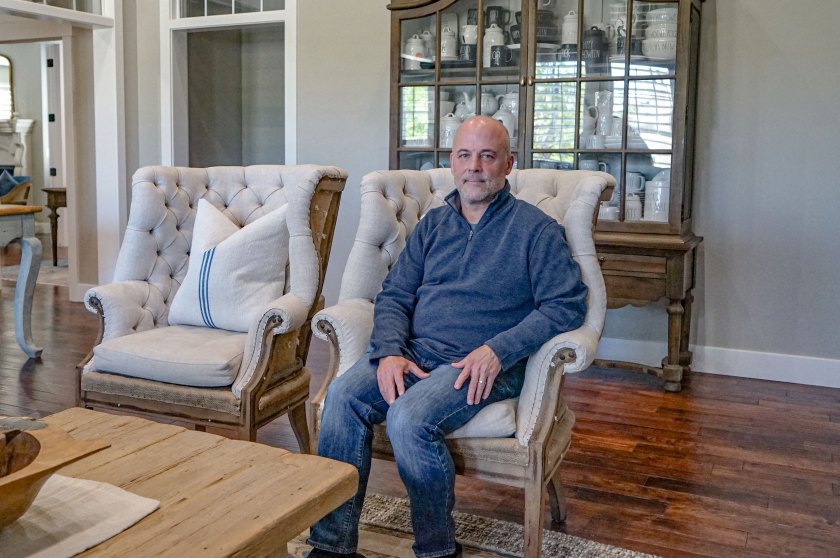
Ellie Brownstein chooses not to exclude unvaccinated children from her practice, believing that doing so severs opportunities for future dialogue. "I can’t keep talking with parents about vaccines if I kick them out of my practice, and if these parents find like-minded doctors, this situation will get worse."
The Gravity of the Situation and a Call to Action
The pediatricians on the front lines of the measles resurgence are acutely aware of the preventable suffering they are witnessing. Nathan Money expressed his deep concern: "I wish that people could see what I see. Everyone else sees what people post on Instagram. Or they think, ‘Someone I know had measles when they were a kid and they were fine.’ But as a hospital-based pediatrician, I see what happens when things go poorly." He vividly described children struggling to breathe, terrified and dependent on medical interventions, with parents fearing for their child’s life. "It’s heartbreaking as a pediatrician and as a father to know that the entire situation could have been easily prevented."
Tim Duffy feels a personal responsibility for preventable adverse outcomes, attributing it to moments where he might have faltered in his communication. Emilie Morris highlighted the emotional toll on healthcare providers, navigating grief with families over preventable tragedies and questioning if they could have intervened differently.
Trahern W. Jones foresees a broader trend of once-eradicated diseases re-emerging. He expressed concern that significant systemic changes to combat this trend are not yet evident from those in power. Drawing inspiration from literature, he concluded, "You don’t get to choose the time that you’re born into, but you get to choose what you’re going to do about it. And if there’s any comfort that I have, it’s in knowing that there are right decisions to make and that I’m going to make them, and I’m going to help others make them, too."
The current surge in measles cases is more than just a statistical anomaly; it represents a critical public health challenge demanding a multifaceted response. It requires not only robust scientific data and analysis but also a concerted effort to rebuild trust, counter misinformation, and reinforce the life-saving power of vaccination within communities nationwide. The stakes are high, impacting not only individual health but the collective well-being of society.