The Raw Milk Renaissance Scientific Skepticism Political Shifts and the Rise of Mark McAfees Dairy Empire

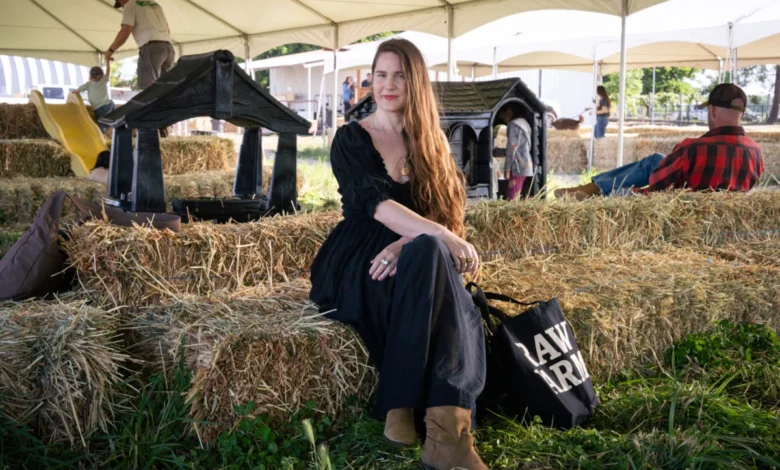
The landscape of American food safety is currently undergoing a significant ideological and regulatory transformation, centered on the controversial consumption of unpasteurized dairy. At the heart of this movement is Mark McAfee, the operator of Raw Farm, the largest raw-milk dairy in the United States. While federal health agencies have spent over a century warning against the dangers of raw milk, citing a 100-fold increase in the risk of foodborne illness compared to pasteurized products, a burgeoning "food freedom" movement has propelled the industry into the mainstream. This shift is not merely a change in consumer preference but is increasingly reflected in the highest levels of federal policy, where routine science has become entangled with partisan politics.
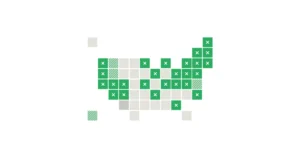
Under the current administration, the federal approach to raw milk has shifted to align with the priorities of Health Secretary Robert F. Kennedy Jr. A longtime advocate for unpasteurized dairy and a customer of McAfee’s farm, Kennedy has publicly celebrated the "Make America Healthy Again" initiative, even participating in a toast of raw-milk shooters at the White House. This high-level endorsement marks a stark departure from decades of public health guidance and has coincided with a period of unprecedented growth for the raw dairy industry. National weekly sales of raw milk rose by 65% between 2023 and 2024, with more than 10 million Americans now consuming the product regularly.

The Scientific Consensus vs. The Pioneer Narrative
For over 150 years, the process of pasteurization—heating milk to a specific temperature for a set period to kill harmful pathogens—has been considered a cornerstone of public health. Before pasteurization became a standard practice in the early 20th century, contaminated milk was a leading cause of infant mortality and the spread of diseases such as tuberculosis, typhoid fever, and scarlet sizes. Modern health experts, including representatives from the Food and Drug Administration (FDA) and the Centers for Disease Control and Prevention (CDC), maintain that raw milk offers no significant nutritional advantages over pasteurized milk. Furthermore, they assert that it cannot treat or cure diseases and poses an inherent risk of contamination from deadly bacteria such as E. coli, Salmonella, and Listeria.
Despite this consensus, Mark McAfee has built a $30 million-a-year business by framing himself as a "pioneer" challenging an entrenched scientific establishment. McAfee argues that the government has failed to invest in research that could substantiate the perceived benefits of raw milk, such as improved gut health and the mitigation of allergies. He characterizes his advocacy as "pro-science," albeit a science that he claims is not yet "conveniently accepted" by mainstream institutions. To McAfee and his supporters, the personal testimonials of families who believe raw milk has improved their children’s health serve as a valid form of evidence that outweighs laboratory data and epidemiological studies.
A Chronology of Outbreaks and Regulatory Friction
The growth of Raw Farm has been shadowed by a persistent history of foodborne illness outbreaks and product recalls. Since 2006, federal and state regulators have linked McAfee’s operations to at least eight distinct outbreaks, resulting in the illness of at least 233 people and the hospitalization of 40 others. Public health experts suggest these figures are likely an undercount, as many individuals who suffer from foodborne illnesses recover at home without seeking formal testing or medical intervention.

The human cost of these outbreaks is exemplified by the case of Chris Martin. In 2006, at the age of seven, Martin contracted a dangerous strain of E. coli (O157:H7) after consuming raw milk from McAfee’s farm. The infection led to permanent kidney damage, and now, at 27, Martin remains under the lifelong care of a nephrologist and is prohibited from consuming alcohol due to his elevated risk of chronic kidney disease. While McAfee acknowledged that the 2006 outbreak prompted him to develop more rigorous safety standards for unpasteurized dairies, the incidents of contamination did not cease.
Between 2023 and 2024, Raw Farm was linked to one of the largest publicly recorded raw-dairy outbreaks in decades. More than 170 people were infected with Salmonella, an event that led to significant regulatory scrutiny. McAfee, however, has frequently disputed the findings of regulators, arguing that the methods used to track illnesses do not provide "smoking-gun" proof of a direct causal link to his products. This skepticism of federal data has become a hallmark of the raw milk movement, where consumers are encouraged to "read their gut" rather than rely on agency warnings.
The Pathogen-to-Cheese Controversy
One of the most contentious aspects of Raw Farm’s operations involves the handling of milk suspected of containing pathogens. In 2024, court documents revealed that the FDA had discovered a "standard practice" at the farm where milk known or suspected to be contaminated was diverted to the production of raw cheese. The farm’s rationale was based on the belief that the aging process of cheese—typically 60 days—would naturally eliminate harmful bacteria.

However, scientific research contradicts this assumption. While the maturation process can reduce certain bacterial loads, pathogens such as E. coli and Salmonella can survive the 60-day window in raw cheese. In 2024, the federal government ordered Raw Farm to cease this practice and destroy any cheese made from contaminated batches. The farm pushed back, asserting that it followed all federal regulations regarding cheese aging and that every batch was tested before sale.
The legal battle over this practice was delayed by backlogs in the court system, extending into 2025. By the time the case was set to be heard, the political environment had shifted. In January 2026, the Department of Justice (DOJ) abruptly withdrew its motion to enforce the judgment against the farm. Sources familiar with the matter indicated that cases involving raw milk were deprioritized under the new administration’s leadership at the Department of Health and Human Services. McAfee celebrated the withdrawal as a "big win," citing the tactical philosophy of Sun Tzu to describe his victory over the "guns and money" of the federal government.
The Role of Social Media and Influencer Advocacy
The mainstreaming of raw milk has been significantly aided by the rise of digital influencers who promote the product to millions of followers. These influencers often frame the consumption of raw milk as an act of rebellion against a "corrupt" food system. The narrative suggests that if the FDA warns against a product, that product is likely safer or more beneficial than the agency admits. This erosion of institutional trust has created a self-sustaining market where regulatory warnings actually serve to increase sales.

During a recent E. coli outbreak linked to Raw Farm cheese in early 2026, which infected nine people across three states—more than half of whom were children under the age of five—McAfee issued a recall "under protest." He maintained that his internal testing found no pathogens and that the farm was not at fault. Despite the outbreak, McAfee reported that sales were at an all-time high, bolstered by online supporters who encouraged followers to ignore federal health alerts.
Broader Implications for Public Health and Policy
The case of Raw Farm and the broader raw milk movement represents a significant challenge to the traditional framework of American public health. When scientific consensus is treated as a matter of political opinion, the ability of federal agencies to protect the public from foodborne pathogens is diminished. The withdrawal of the DOJ’s lawsuit against Raw Farm suggests a new era where regulatory enforcement may be influenced by the personal health philosophies of administration officials.
The implications extend beyond the dairy aisle. If the "pioneer" model of food production—which prioritizes personal testimony and "gut feeling" over epidemiological data—becomes the standard, it could affect how the government regulates everything from vaccinations to pesticide use. For now, the raw milk industry continues to thrive in the gap between traditional science and a new wave of health populism.

As of April 30, 2026, the FDA closed its investigation into the most recent E. coli outbreak associated with Raw Farm cheese without taking further enforcement action. The products have returned to the shelves of major retail chains, and the farm continues its $30 million annual operations. For victims like Chris Martin, the debate is not a matter of "food freedom" or political ideology, but a reminder of the physical risks inherent in consuming products that bypass a century of proven safety protocols. The tension between individual choice and collective public health safety remains unresolved, as the country watches a 150-year-old scientific standard be tested by a new generation of advocates and policymakers.