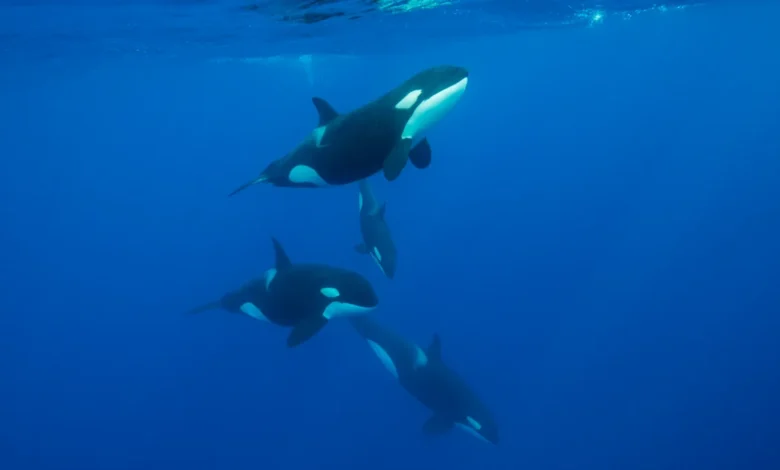
Despite the cinematic portrayal of the great white shark as the apex predator of the ocean, scientific observation increasingly points to the orca (Orcinus orca) as the true orchestrator of marine ecosystems. These highly intelligent and adaptable marine mammals have long captivated researchers with their diverse hunting strategies, ranging from the dramatic beaching maneuvers used to capture seals in Patagonia to sophisticated herding techniques that create massive bait balls of fish. Now, a remarkable new behavior observed in the Gulf of California reveals an even more intricate method of prey processing: a coordinated "hold-to-ram" technique used to dismantle the carcasses of large sunfish.
This groundbreaking discovery, documented through video footage and detailed in a recent study published in the journal Frontiers in Ethology, offers unprecedented insight into the complex social dynamics and advanced problem-solving capabilities of orcas. The footage captures a group of orcas engaging with a dead sunfish, a creature known for its immense size and unique biology.
Witnessing a Spectacle of Cooperation
The initial observation was made by Dr. Katy Ayres, a research scientist with Beneath The Waves and Orcas Mexico, and a guide with Latitude Adventures. While documenting the feeding habits of local orcas, Dr. Ayres was initially focused on identifying the prey. "At first, I was just excited because I could see what they were eating and document it," Dr. Ayres recounted to Popular Science. "Sometimes it is hard to identify the prey. But then I wasn’t expecting the sunfish to fragment into so many pieces. As it happened, it became clear we were witnessing something special."
The video depicts a striking sequence of events. One orca carefully positions itself, holding the dead body of a large sunfish—a species that can exceed six feet in length and weigh over 4,000 pounds—by its tail fin. In a synchronized maneuver, another orca then approaches and forcefully rams the carcass at high speed. The impact is so significant that it causes the sunfish’s tissues to shatter into hundreds of small fragments. This coordinated action appears to be a deliberate method for processing the large fish.
A Deeper Dive into Sunfish Biology and Orca Diet
Sunfish (family Molidae) are among the heaviest bony fish species on the planet. They inhabit various ocean depths but frequently ascend to the surface. These surface excursions serve multiple purposes, including thermoregulation and facilitating ectoparasite removal by other marine organisms. However, this behavior also renders them more vulnerable to predators, with orcas being a primary threat in regions like the Gulf of California.
Dr. Ayres elaborated on the dietary breadth of the orcas in this region. "In general, the orcas here have an incredibly diverse diet. While some groups appear to specialize on certain prey, as a whole, they’ve been documented hunting everything from whales and dolphins to sharks, rays, sea turtles, and of course the largest bony fishes in the world, the sunfishes," she stated. "They’re still a relatively understudied orca population, so every new observation helps fill in another piece of the puzzle."
Chronicle of a Novel Hunting Strategy
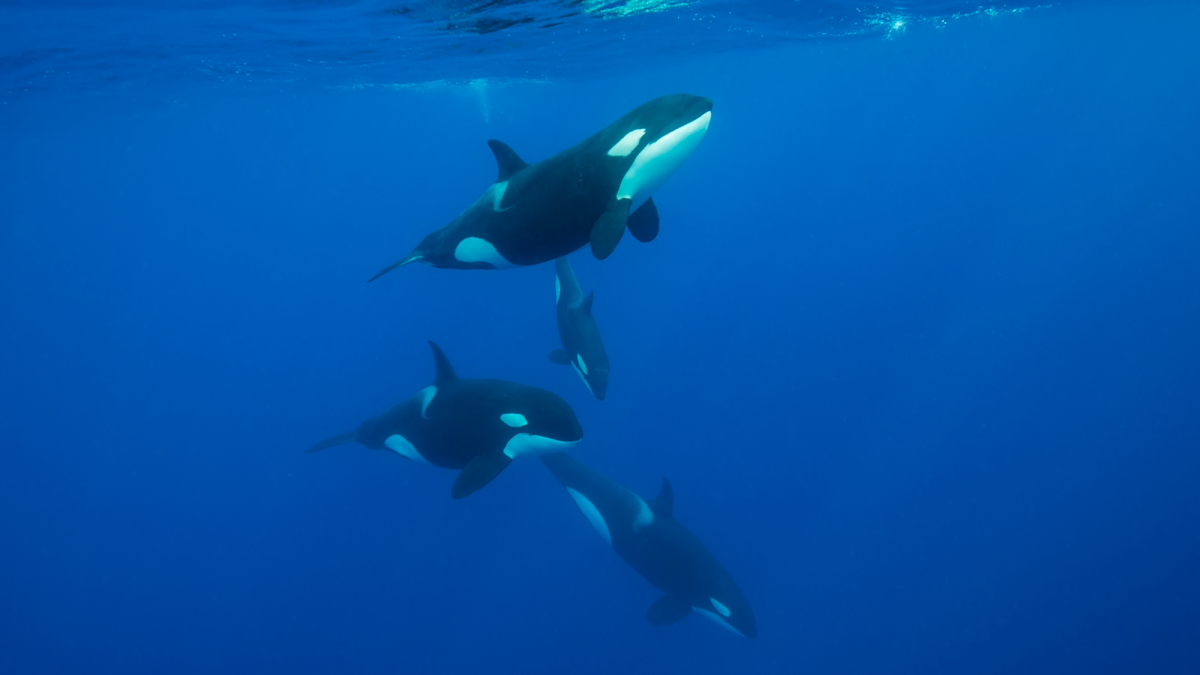
The observed "hold-to-ram" behavior was documented in two separate instances, occurring approximately one year apart. The first event, in July 2024, involved a group of orcas, including a juvenile, interacting with a dead sharp-tail sunfish (Masturus lanceolatus). Dr. Ayres described how a female orca secured the sunfish by its tail fin, releasing it just as a male orca accelerated to ram it. The juvenile orca then fed on the smaller fragments, while the adults consumed the larger portions of the carcass, notably avoiding the tiny pieces.
A remarkably similar event was captured on film in September 2025 by Héctor Franz, further confirming the consistency of this unique feeding strategy. Both documented instances featured the same hold-to-ram technique and subsequent feeding behavior, providing robust evidence of a learned or culturally transmitted hunting method.
Analysis: Beyond Simple Predation
The implications of this "hold-to-ram" behavior extend beyond mere prey acquisition. Since the sunfish were already deceased in both observed events, the ramming is likely a sophisticated processing technique rather than a method for delivering a killing blow.
"The most surprising part was how coordinated they were," Dr. Ayres emphasized. "One orca held the sunfish in exactly the right position and let go at the perfect moment for the other to strike it with incredible force." This level of inter-individual cooperation highlights the advanced cognitive abilities of orcas.
The Microbiome Connection and Parental Investment
Further analysis of the sunfish’s anatomy provides potential explanations for this unusual behavior. Sunfish possess a gelatinous outer layer, known as a capsule, and their skin harbors a diverse array of microorganisms. The fragmentation of this tissue could significantly alter the surrounding water’s microbial composition, potentially facilitating an exchange between the sunfish and orca microbiomes. Researchers hypothesize that this inter-microbial interaction could confer nutritional or immunological benefits to the orcas, such as enhanced immune regulation. This concept of "meeting of the microbiomes" is an emerging area of research with profound implications for understanding host-microbe relationships in marine environments.
Moreover, the behavior could also be interpreted as a form of parental investment. By breaking down the large carcass into smaller, more manageable pieces, the adult orcas may be facilitating easier consumption for their young. "It was also really lovely to see the young orca taking advantage of the smaller pieces, which raises interesting questions about whether the adults were making the prey easier for it to eat," Dr. Ayres mused. This aligns with previously observed orca behaviors that demonstrate a strong emphasis on teaching and provisioning juveniles.

A Potential Game or a Complex Adaptation?
While the benefits of microbiome exchange and enhanced feeding for juveniles are plausible explanations, the highly social nature of orcas also suggests a possibility that this behavior could simply be a form of play or enrichment. Highly intelligent animals often develop complex behaviors that serve social bonding or cognitive stimulation purposes.
For the sunfish, this interaction provides new avenues for understanding their unique anatomy and physiological responses to external forces. The observed tissue disintegration appears to be specific to the sharp-tail sunfish, suggesting that this structural characteristic might be a species-specific response to high-energy impacts. Further research will be needed to determine if other sunfish species exhibit similar tissue fragmentation upon impact.
Future Research and Conservation Concerns
A key question remains whether the same individuals were involved in both observed events. Identifying individual orcas through distinct markings, such as dorsal fin shapes and signature eye patches, will be crucial for future research. Obtaining more high-quality footage is essential for such identification efforts.
Dr. Ayres also voiced concerns regarding the increasing human presence in orca habitats. "Seeing orcas here is a real privilege and a relatively rare experience," she stated. "Although there are now regulations, we’re seeing an increase in boats searching for them in the hope of getting people in the water and sometimes forcing encounters. I think it’s important that visitors come with realistic expectations and appreciate these animals in their natural environment and not just as an opportunity for a photo or social media post."
The discovery of the "hold-to-ram" technique not only expands our understanding of orca behavior but also underscores the intricate ecological relationships within marine environments. It serves as a potent reminder of the ongoing need for scientific exploration and conservation efforts to protect these magnificent creatures and their complex world.
Related posts: